- English
- French
- German
- Portuguese
- Spanish
- Russian
- Japanese
- Korean
- Arabic
- Greek
- German
- Turkish
- Italian
- Danish
- Romanian
- Indonesian
- Czech
- Afrikaans
- Swedish
- Polish
- Basque
- Catalan
- Esperanto
- Hindi
- Lao
- Albanian
- Amharic
- Armenian
- Azerbaijani
- Belarusian
- Bengali
- Bosnian
- Bulgarian
- Cebuano
- Chichewa
- Corsican
- Croatian
- Dutch
- Estonian
- Filipino
- Finnish
- Frisian
- Galician
- Georgian
- Gujarati
- Haitian
- Hausa
- Hawaiian
- Hebrew
- Hmong
- Hungarian
- Icelandic
- Igbo
- Javanese
- Kannada
- Kazakh
- Khmer
- Kurdish
- Kyrgyz
- Latin
- Latvian
- Lithuanian
- Luxembou..
- Macedonian
- Malagasy
- Malay
- Malayalam
- Maltese
- Maori
- Marathi
- Mongolian
- Burmese
- Nepali
- Norwegian
- Pashto
- Persian
- Punjabi
- Serbian
- Sesotho
- Sinhala
- Slovak
- Slovenian
- Somali
- Samoan
- Scots Gaelic
- Shona
- Sindhi
- Sundanese
- Swahili
- Tajik
- Tamil
- Telugu
- Thai
- Ukrainian
- Urdu
- Uzbek
- Vietnamese
- Welsh
- Xhosa
- Yiddish
- Yoruba
- Zulu
How to Replace a Crane Slew Ring Safely?
Safely replacing a crane slew ring requires careful planning, shutting down the right equipment, carefully removing the part using the right lifting gear, precise alignment during installation, and full testing before activities can resume. To make sure the best performance and to avoid equipment failure or accidents at work in tough industrial settings, this important maintenance process must be carried out according to the manufacturer's instructions, safety rules, and torque requirements.
Understanding Crane Slew Rings and Their Role in Crane Operation
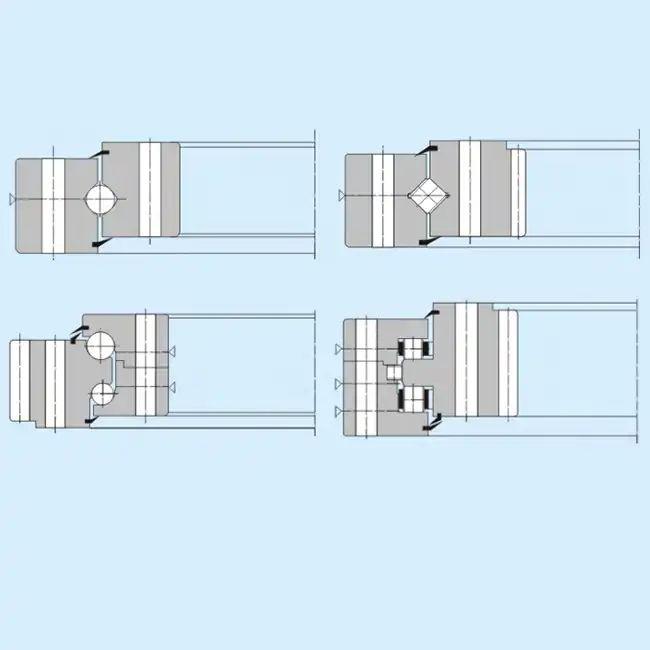
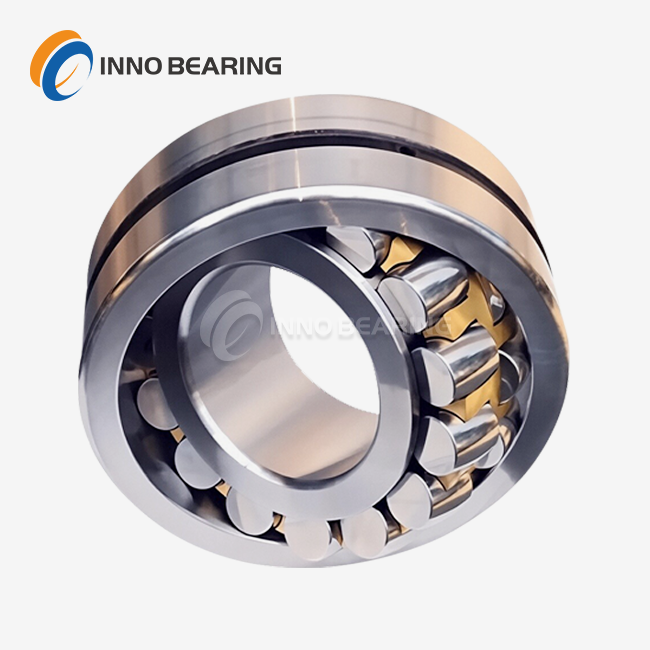
Crane slew rings, which are also called crane Slewing Bearings, are big, strong bearings that make it possible for the crane's upper part to rotate smoothly while carrying heavy loads. These precision-engineered parts are usually made of high-quality materials that can handle big loads and harsh conditions. They come in single-row or double-row ball or roller designs.
Structural Design and Components
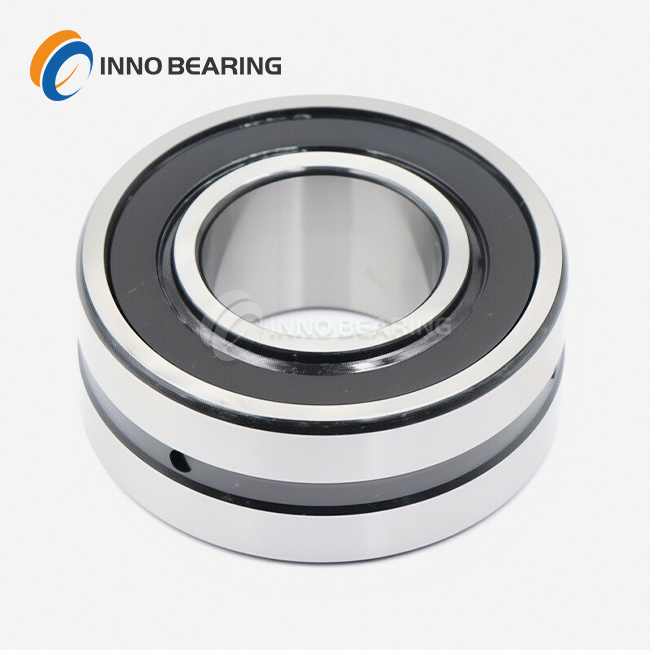
Crane slewing bearings have an annular shape that has several important parts that make sure they work well. Each of the rings, the inner and outer, is made of 50Mn steel, which makes them very strong and durable. Steel balls (single-row or double-row) built in make spinning smooth, and rubber seals on both sides keep the internal parts clean. Spread out mounting holes make it easy to connect securely to crane frames, and some models come with gear rings for better control over rotation.
The diameters of the outer rings should be between 500 and 2000 mm, and the diameters of the inner rings should be between 450 and 1850 mm. The heights of the rings should be between 25 and 80 mm. Some new materials, like 42CrMo steel, are stronger, and GCr15 bearing steel and GCr15SiMn rolling elements are better at withstanding impacts in tough situations.
Industrial Applications and Performance Requirements
These special bearings work great for holding small and medium-sized tower cranes, mobile cranes, and port equipment that needs to be able to slew freely. Due to the fact that these jobs are usually done outside, they need to be very resistant to weather and rust. Some important performance indicators are the ability to slew freely, the accuracy of the mounting hole position, and the ability to seal completely to keep operational integrity.
Early warning signs are very important for planning upkeep. If you hear strange noises, notice more resistance to movement, or see play in the bearing assembly, this could be a sign of wear that needs to be checked out by a professional. These signs usually show up before big problems with how things are working, so it's important to keep an eye on them to avoid sudden equipment failures.
Step-by-Step Safe Replacement Process of a Crane Slew Ring
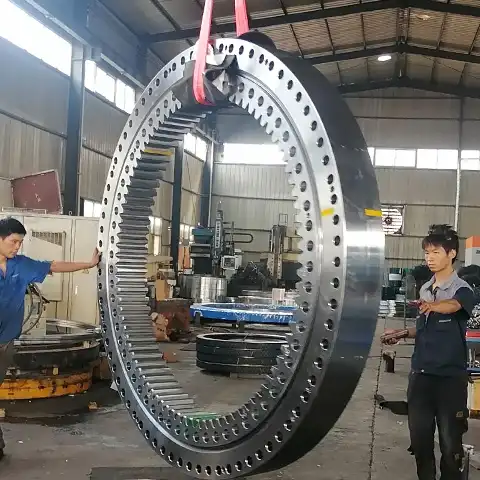
To reduce operations risks and protect workers, replacing a crane slew ring needs to be carefully planned and carried out. The organized process includes a full evaluation, organized teardown, exact installation steps, and complete validation testing.
Pre-Replacement Assessment and Planning
The replacement process starts with a full medical exam to make sure that replacement is needed. Technical teams have to look at how the bearings are wearing, how close the crane is to its operational limits, and how strong the structure is altogether. Documenting current specifications, such as material grades, size requirements, and load ratings, makes sure that the right replacement part is chosen.
As part of safety preparation, all equipment must be turned off, lockout/tagout processes must be followed, and safe work areas must be set up. Before starting to disassemble, special lifting equipment that can handle heavy bearing assemblies needs to be set up and tried. Things in the environment, like the weather and how easy it is to get to the office, have a direct effect on when replacements are scheduled and how resources are allocated.
Systematic Disassembly and Component Removal
Careful disassembly protects the tools around the bearing assembly while letting you get to it. To keep structural stress from building up, bolt removal must follow a certain torque order. Temporary strengthening of supporting structures is needed to keep the crane stable while bearings are being taken out.
When you lift something carefully, you can keep both the removed bearings and the crane parts from getting damaged. Keeping records of how the parts are put together, such as the bolt patterns, gasket locations, and adjustment points, makes reinstallation easier and more accurate. Contamination control methods keep new surfaces from getting dirt or water on them, which could hurt the performance of the bearings.
Installation and Alignment Procedures
Installing a new bearing requires exact alignment according to the manufacturer's instructions. Preparing the mounting surface means cleaning it, checking it for damage, and putting on the right seals or gaskets. To make sure that the load is spread evenly across all mounting interfaces, bolt installation must follow specific torque steps and be done with calibrated tools.
As part of the steps taken after installation, the lube system is turned on and the machine is tested for full functionality under controlled conditions. These quality assurance steps make sure that the equipment was installed correctly before putting it back into service. This lowers the risk of it breaking down early or having a safety issue.
Selecting the Right Crane Slew Ring for Replacement
To pick the right crane slew ring, you need to carefully consider its load capacity, size requirements, material makeup, and ability to work with current crane systems. During the selection process, operational needs, environmental conditions, and long-term performance standards must all be carefully thought through.
Technical Specification Requirements
Assessing the load ability is the first step in making the right choice. Engineers have to look at both static and dynamic load needs. These include radial, axial, and moment loads that are common in everyday use. The choice of material between 50Mn and 42CrMo steel depends on the needs of the product. For high-stress areas, 42CrMo steel is stronger.
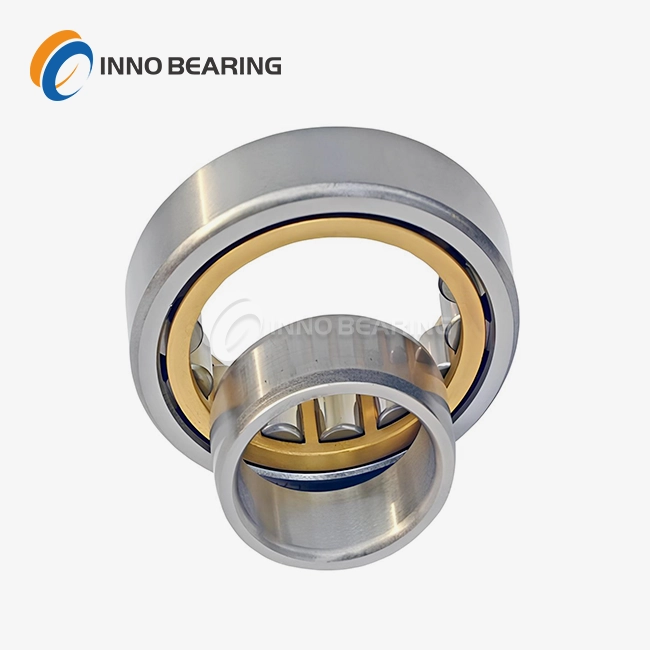
The specs of the rolling element affect how well the bearing works under different loads. Standard GCr15 bearing steel works well in most situations, but GCr15SiMn options are better at withstanding impacts in heavy-duty tasks that involve shock loads or cyclic stresses.
Supplier Evaluation and Procurement Considerations
Industrial procurement teams can save time and money by comparing well-known makers whose quality and delivery times are always reliable. Standards for manufacturing, quality certifications, technical help, and promises of service after the sale should all be part of the evaluation process.
The ability to make things to order is very important for specific uses that need non-standard sizes or better performance. Suppliers that offer fast prototyping, accelerated delivery schedules, and detailed technical documentation can help you keep your equipment up and running during replacement operations.
Facilities that keep more than one crane system can save money by making bulk purchases. When you have a long-term relationship with a supplier, you can often get perks like priority scheduling, technical consultation services, and help with managing your inventory that make your business run more smoothly overall.
Maintenance Tips to Extend Crane Slew Ring Lifespan
Good maintenance methods greatly increase the life of bearings and keep the safety and performance of the crane constant. Preventative maintenance plans lower the risk of unexpected breakdowns, lower the cost of repairs, and increase the availability of tools for important tasks.
Lubrication Management Strategies
Proper grease is the most important thing for making bearings last a long time. When choosing a lubricant, you need to think about the working temperature, the load, and the environment. Specialized lubricants are needed for high-temperature applications because they need to be able to keep their viscosity and protective properties even in harsh circumstances.
When to lubricate depends on how hard the job is and the surroundings. Due to the risk of salt and water getting in, lubrication needs to be done more often in port and naval settings. Automated lubrication systems make sure that the right amount of lubricant is always applied, and they also cut down on the need for manual upkeep, which makes work safer.
Inspection and Monitoring Protocols
Regular inspections help find wear patterns, contamination problems, and seal breakdown early on. When inspecting visually, you should look for signs of lubricant leakage or contamination, as well as the integrity of the seals and the state of the mounting bolts. As part of operational evaluations, noise levels, uneven vibrations, and how smoothly the rotations happen are all watched.
Modern monitoring tools, like vibration analysis and thermal imaging, give us very thorough information about how bearing conditions are changing over time. These diagnostic tools make it possible to use predictive maintenance plans to find the best time to repair things and keep them from breaking down without warning.
Keeping detailed records of maintenance helps with trend analysis and making smart choices about how often to change bearings. Dates of lubrication, inspection results, working conditions, and any odd events that could affect bearing performance should all be recorded.
INNO Bearing: Your Trusted Partner for Crane Slewing Solutions
Luoyang INNO Bearing Co., Ltd. brings nearly 30 years of specialized expertise in crane slew ring manufacturing and supply to serve global industrial clients. Our comprehensive approach combines extensive engineering knowledge with proven industry experience to deliver reliable Solutions for demanding applications across multiple sectors.
Advanced Manufacturing Capabilities
We can make large, non-standard bearings up to φ5000mm, which lets us make solutions that fit the specific needs of each activity. Our fast shipping options keep equipment up and running during replacements, and our advanced testing equipment makes sure that every part meets our high quality standards.
Because the company specializes in customization, repair, and import substitution options, it can help with a wide range of crane needs. Our expert team works closely with clients to create custom solutions that improve performance while also taking into account budget and operational limitations.
Quality Assurance and Technical Support
Our entire line of products is guaranteed to be reliable by strict quality control methods. Our quality assurance routine includes thorough testing of raw materials, precise controls during production, and thorough validation procedures that make sure every bearing meets or exceeds performance requirements.
Technical support services include helping with applications, installing them, and suggesting ways to keep them running smoothly. Our global support network helps people in their own communities and makes sure that service standards are the same in all markets and products.
Conclusion
To safely change a crane slew ring, you need to plan ahead, have the right tools, and follow tried-and-true steps that keep people and equipment safe. This article describes a methodical way for industrial repair teams to replace parts while minimizing risks and downtime.
To choose the right replacement parts, you need to carefully look at the technical specs, the supplier's skills, and the long-term performance needs. Quality parts from well-known brands, along with professional installation and thorough testing, make sure that the crane works reliably for years of tough service.
Good maintenance methods, like using the right oil and checking on things on a regular basis, can greatly increase the life of bearings and keep activities safe. When you spend money on quality replacement parts and professional maintenance, you get a lot back in the form of less downtime, lower running costs, and safer workplaces for all industrial crane uses.
FAQ
How often should crane slew rings be replaced?
Replacement frequency varies significantly based on operating conditions, load cycles, and maintenance quality. Well-maintained bearings in standard applications typically provide 10-15 years of service life. Heavy-duty operations or harsh environmental conditions may require more frequent replacement every 5-8 years. Regular inspection and monitoring enable data-driven replacement decisions based on actual wear conditions rather than arbitrary time intervals.
What distinguishes slew rings from standard slewing bearings?
Slew rings and slewing bearings refer to the same component category, with terminology varying by region and application. Both terms describe large-diameter bearings designed for rotational applications under heavy loads. Technical specifications, including load ratings, precision grades, and mounting configurations, remain consistent regardless of terminology used in procurement documentation.
Can crane slew rings be repaired instead of replaced?
Limited repair options exist for specific wear patterns or minor damage. Surface reconditioning, seal replacement, and re-lubrication can extend service life in certain circumstances. However, significant wear, raceway damage, or structural issues typically require complete replacement to ensure safe operation. Professional assessment determines whether repair represents a viable alternative to replacement based on safety considerations and cost-effectiveness.
What safety precautions are essential during replacement?
Complete equipment shutdown and lockout/tagout procedures represent fundamental safety requirements. Specialized lifting equipment must be properly rated for bearing weight and dimensions. Work areas require secure isolation from operational crane zones. Professional expertise in heavy equipment maintenance proves essential for safe execution of replacement procedures while preventing injury or equipment damage.
Partner With INNO Bearing for Superior Crane Slew Ring Solutions
INNO Bearing delivers exceptional crane slew ring manufacturing expertise backed by 30 years of precision engineering experience. Our comprehensive product range includes standard and custom bearings designed for demanding industrial applications, ensuring reliable performance in the harshest operating environments. Contact our technical team at sales@inno-bearing.com to discuss your specific requirements and discover how our crane slew ring supplier capabilities can optimize your equipment performance while reducing operational costs and downtime.
References
American Society of Mechanical Engineers. "Guidelines for Crane Bearing Maintenance and Replacement Procedures in Industrial Applications." ASME Standards Publication, 2023.
International Organization for Standardization. "Rolling Bearings - Load Ratings and Fatigue Life Calculations for Large Diameter Slewing Bearings." ISO Technical Report 14728, 2022.
Crane Manufacturers Association of America. "Safety Standards for Heavy Equipment Bearing Replacement Operations." CMAA Publication No. 74, 2023.
Industrial Maintenance Institute. "Predictive Maintenance Strategies for Rotating Equipment in Heavy Industrial Applications." Technical Bulletin Series, Volume 15, 2023.
National Institute for Occupational Safety and Health. "Workplace Safety Guidelines for Heavy Equipment Maintenance Operations." NIOSH Publication No. 2023-105.
Society of Tribologists and Lubrication Engineers. "Lubrication Best Practices for Large Scale Industrial Bearing Applications." STLE Technical Paper Series, 2022.

Learn about our latest products and discounts through SMS or email