- English
- French
- German
- Portuguese
- Spanish
- Russian
- Japanese
- Korean
- Arabic
- Greek
- German
- Turkish
- Italian
- Danish
- Romanian
- Indonesian
- Czech
- Afrikaans
- Swedish
- Polish
- Basque
- Catalan
- Esperanto
- Hindi
- Lao
- Albanian
- Amharic
- Armenian
- Azerbaijani
- Belarusian
- Bengali
- Bosnian
- Bulgarian
- Cebuano
- Chichewa
- Corsican
- Croatian
- Dutch
- Estonian
- Filipino
- Finnish
- Frisian
- Galician
- Georgian
- Gujarati
- Haitian
- Hausa
- Hawaiian
- Hebrew
- Hmong
- Hungarian
- Icelandic
- Igbo
- Javanese
- Kannada
- Kazakh
- Khmer
- Kurdish
- Kyrgyz
- Latin
- Latvian
- Lithuanian
- Luxembou..
- Macedonian
- Malagasy
- Malay
- Malayalam
- Maltese
- Maori
- Marathi
- Mongolian
- Burmese
- Nepali
- Norwegian
- Pashto
- Persian
- Punjabi
- Serbian
- Sesotho
- Sinhala
- Slovak
- Slovenian
- Somali
- Samoan
- Scots Gaelic
- Shona
- Sindhi
- Sundanese
- Swahili
- Tajik
- Tamil
- Telugu
- Thai
- Ukrainian
- Urdu
- Uzbek
- Vietnamese
- Welsh
- Xhosa
- Yiddish
- Yoruba
- Zulu
How Heat and Shock Affect Rolling Mill Bearings?
Extreme temperatures and rapid impacts have a big effect on the performance of rolling mill bearings. Heat makes bearing material expand, lubricant break down, and changes in size become unstable. Shock loads, on the other hand, create stress concentrations that speed up wear and damage structures. These environmental factors shorten the life of bearings, raise the cost of upkeep, and make them less reliable in metallurgical settings. Engineers can choose the right bearing Solutions with improved material qualities, protective sealing systems, and strong structural designs that keep working properly in harsh conditions when they understand how thermal and mechanical stress affect things.
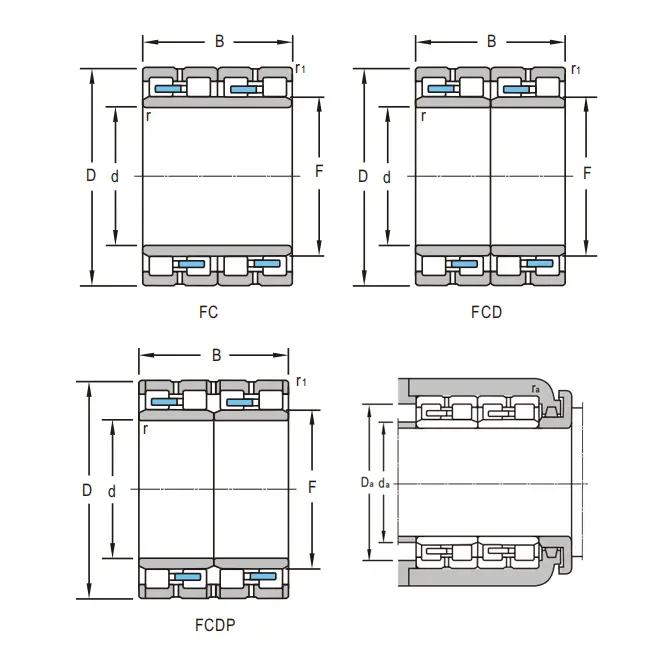
Understanding the Impact of Heat on Rolling Mill Bearings
In metallurgical settings, high temperatures make it hard for bearings to work properly. The heat that rolling mill parts are under causes complicated interactions between the properties of the materials, the lubrication systems, and the operational factors.
Thermal Expansion and Dimensional Changes
When temperatures rise, bearing parts will expand as expected, which will change key clearances and fit tolerances. The thermal expansion coefficients of steel bearings made from GCr15 and GCr15SiMn materials can have a big effect on the operating clearances. When temperatures go above 150°C, these changes in size affect the exact tolerances that are needed for the bearing to work at its best.
Modern rolling mill bearings use inner and outer rings that are integrally forged, which makes them more stable in terms of size than options that are put together. This way of building cuts down on internal stress points that could make the effects of thermal expansion worse. This makes the performance more uniform across a wider range of temperatures.
Lubrication Breakdown Under Heat Stress
As temperatures rise, the lubricant film loses its consistency, allowing metals to touch and wear more quickly. When heated to high temperatures, high-temperature lubricants made for metalworking uses keep their protective and viscous properties. The metal maze seal design keeps these lubricants from getting dirty and keeps them stable at high temperatures.
According to research, lubricants that work at temperatures above 200°C need to be specially made to keep the film from breaking down and causing damage to the parts. The four-row and double-row roller designs better spread out thermal loads, which lowers the chance of localized heating that could make lubrication less effective.
Effects of Shock Loads on Rolling Mill Bearings
One of the most destructive things that can happen in a rolling mill is shock loads. These sudden impacts cause stress levels that are higher than what was intended, which speeds up the failure of the component.
Stress Concentration and Fatigue Acceleration
When rolling, sudden increases in load cause stress to build up at the places where the bearings touch. Specialized rolling mill bearings are made to withstand impacts, and this helps spread the forces over a bigger surface area. When compared to standard bearing designs, four-row roller configurations better distribute load, lowering peak stress levels during shock events.
The choice of material is very important for shock protection. Bearings made from 20Cr2Ni4A steel are more resistant to pressure than bearings made from other steels. With the right heat treatment, this material choice gives it the toughness it needs to survive repeated shock loading without getting fatigue cracks.
Detection and Monitoring of Shock-Related Damage
Finding shock-related bearing damage early on keeps things from breaking down completely and lowers the cost of upkeep. Vibration monitoring tools pick up on changes in the way bearings work that show problems are starting to happen. Temperature sensors give you more information about the state of a bearing because shock damage often shows up as higher operating temperatures.
During routine maintenance, a visual check shows that shock loads have caused damage to the surface, wear on the cage, and problems with alignment. When shock loads are put on cast steel and brass cages used in rolling mill bearings, they wear in different ways. This tells us a lot about how the bearings are working.
Strategies to Mitigate Heat and Shock Damage in Rolling Mill Bearings
To effectively protect against thermal and mechanical stress, we need to look at form, materials, and how things are used as a whole. These mitigation tactics greatly increase the service life of bearings and lower the amount of maintenance that needs to be done.
Advanced Sealing and Protection Systems
When compared to other sealing methods, metal labyrinth seals are better at keeping out iron chips and cooling water. Because they are physical barriers against contamination, these seals work well in a wide range of temperatures. The multi-stage maze design makes pressure differences that stop contaminants from getting in while letting heat expand.
Putting protective coats on bearing surfaces makes them more resistant to both mechanical and thermal stress. Ceramic coatings act as thermal shields, stopping heat from moving to important bearing parts. Hardened surface treatments make things more resistant to shock loads.
Optimized Lubrication Systems
Extreme-condition high-performance lubricants keep protected films in place even when heat and shock are applied. When compared to traditional oils, synthetic ones are better at keeping their temperature stable and absorbing shocks. Automatic lubrication systems make sure that there is a steady flow of lubricant even when the conditions are tough.
When choosing a lubricant, it's important to think about both the temperature range and the shock loading properties. Extra protection is given by lubricants with increased extreme pressure additives during shock events, and viscosity is kept steady at high temperatures by thermal stability additives.
Maintenance and Monitoring Protocols
With predictive maintenance tools, problems are found before they get bad enough to cause bearing failure. Vibration analysis, temperature tracking, and evaluating the state of the lubricant all give a lot of information about the health of the bearings. Maintenance teams can fix small problems before they get worse when they have regular inspection plans.
With these monitoring systems, maintenance teams can find the best times to change parts and cut down on unplanned downtime. The information gathered by monitoring devices is also useful for choosing the right bearings and making the best use of them.
Comparison of Rolling Mill Bearings for Heat and Shock Performance
It has been shown that specialized rolling mill bearings work better than normal industrial bearings in harsh conditions. For example, the engineering changes built into these designs solve problems that come up in metallurgical settings.
Material Performance Characteristics
When subjected to temperature and mechanical stress, different bearing materials react in different ways. The performance of GCr15 steel is stable across a wide range of temperatures, and it is still cost-effective for most uses. When subjected to shock loads, GCr15SiMn has better hardenability and wear resistance.
The 20Cr2Ni4A material standard gives it better resistance to impacts for uses that will be subject to high shock loads. This alloy steel stays tough at high temperatures and has the right amount of hardness for rolling Contact Uses. The process of choosing materials has to find a mix between performance needs, cost, and availability.
Structural Design Advantages
Four-row roller bearings spread loads over more contact points, which lowers stress levels that can lead to failure before they're supposed to. This way of designing gives better shock resistance while still meeting the precision needs of rolling mill uses. The general bearing capacity is also higher because there are more load-bearing elements.
When rings are integrally forged, they don't have any weak spots like those that can happen with combined bearings. This way of making things is better at keeping their shape and not breaking when heated up. The method of forging also improves the structure of the material's grains, which makes its thermal and mechanical properties better.
Accuracy Classifications and Performance
Class P5 accuracy bearings give you the accuracy you need for cold rolling mill uses while still allowing for enough thermal expansion. In situations where extreme precision is not needed, the P0 and P6 accuracy ratings can save you money. When choosing an accuracy, both practical needs and the effects of temperature on stability of dimensions must be taken into account.
Precision bearings have been shown to reduce vibrations and improve the quality of the surface finish in rolling mills. The better precision also helps the bearings last longer by lowering the stress that comes from misalignment and changes in size.
Procurement Considerations for Rolling Mill Bearings Subjected to Heat and Shock
Successful bearing procurement requires careful evaluation of performance requirements, cost constraints, and supplier capabilities. The procurement process must address both immediate needs and long-term operational considerations.
Performance Specification Development
Technical specifications must accurately reflect operating conditions including temperature ranges, shock loading characteristics, and environmental factors. The specification process should consider both normal operating conditions and extreme scenarios that may be encountered during upset conditions.
Dimensional requirements including inner diameter ranges from 100-1500mm, outer diameter ranges from 200-2000mm, and width specifications from 80-500mm must align with equipment constraints and performance requirements. Custom bearing solutions may be required for specialized applications or legacy equipment.
Supplier Evaluation and Selection
Supplier technical capabilities including manufacturing capacity, quality systems, and engineering support resources significantly impact project success. Established manufacturers with proven experience in rolling mill applications demonstrate understanding of the unique challenges encountered in these environments.
Quality certification systems including ISO compliance and metallurgical testing capabilities ensure consistent product quality. Supplier inspection protocols including flaw detection, lifespan simulation, and seal integrity testing provide confidence in product reliability.
Delivery and Support Considerations
Lead time requirements must balance inventory costs against production scheduling constraints. Suppliers offering expedited delivery options provide flexibility for emergency replacement situations while maintaining cost-effectiveness for planned maintenance activities.
Technical support services including installation guidance, troubleshooting assistance, and performance optimization consulting add value beyond the initial bearing purchase. These services can significantly impact overall equipment reliability and maintenance costs.
Company Introduction and Product & Service Information
INNO Bearing specializes in manufacturing high-precision rolling mill bearings designed specifically for demanding metallurgical applications. Our comprehensive product portfolio addresses the unique challenges of heat and shock resistance required in modern rolling mill operations.
Advanced Manufacturing Capabilities
Our manufacturing facilities produce bearings up to φ5000mm diameter using advanced forging and machining technologies. The production process incorporates stringent quality controls including ultrasonic flaw detection, accelerated wear testing, and seal integrity verification. These quality measures ensure consistent performance across our complete product range.
Custom bearing solutions address specific application requirements including modified cage designs, protective coatings, and specialized material selections. Our engineering team works closely with customers to optimize bearing specifications for their unique operating conditions and performance requirements.
Quality Assurance and Testing
Comprehensive testing protocols verify bearing performance under simulated operating conditions including thermal cycling, shock loading, and contamination exposure. Our testing capabilities include 1000-hour accelerated wear testing that validates bearing longevity predictions. These testing procedures ensure product reliability and provide confidence in performance specifications.
Quality control systems maintain detailed traceability throughout the manufacturing process, supporting customer quality requirements and providing documentation for critical applications. Our inspection procedures exceed industry standards and incorporate customer-specific testing requirements.
Conclusion
Heat and shock loading significantly impact rolling mill bearing performance through thermal expansion, lubrication breakdown, stress concentration, and fatigue acceleration. Effective mitigation requires careful attention to material selection, protective sealing systems, lubrication optimization, and maintenance protocols. Specialized rolling mill bearings engineered with four-row configurations, integrally forged construction, and metal labyrinth seals provide superior performance compared to standard bearings. Successful procurement depends on accurate specification development, supplier evaluation, and comprehensive support services that address both immediate performance needs and long-term operational requirements.
FAQ
What temperature range can rolling mill bearings withstand?
Modern rolling mill bearings operate reliably in temperature ranges from -50°C to 200°C, depending on material selection and lubrication systems. Specialized designs with enhanced thermal protection can handle temperatures up to 500°C in extreme applications.
How do shock loads damage rolling mill bearings?
Shock loads create stress concentrations at bearing contact points that exceed design parameters. These sudden impacts cause micro-cracks, accelerate fatigue, and may result in permanent deformation or misalignment of bearing components.
What maintenance practices extend bearing life under extreme conditions?
Regular vibration monitoring, temperature assessment, lubricant condition analysis, and visual inspection during scheduled maintenance identify developing problems before catastrophic failure occurs. Predictive maintenance programs optimize replacement intervals and reduce unplanned downtime.
How do four-row bearings compare to standard configurations?
Four-row roller bearings distribute loads across more contact points, reducing stress concentrations and providing enhanced shock resistance. This design approach improves overall bearing capacity while maintaining precision requirements for rolling mill applications.
What factors should be considered when selecting bearing materials?
Material selection must balance thermal resistance, impact toughness, fatigue resistance, and cost considerations. GCr15 provides balanced performance, while 20Cr2Ni4A offers superior impact resistance for severe shock loading applications.
Partner with INNO Bearing for Superior Rolling Mill Solutions
INNO Bearing delivers proven rolling mill bearing solutions engineered to withstand extreme heat and shock conditions in metallurgical environments. Our 30-year manufacturing expertise produces bearings up to φ5000mm with advanced materials including GCr15, GCr15SiMn, and 20Cr2Ni4A specifications. We provide comprehensive support from initial specification development through installation and ongoing maintenance optimization. Our quality assurance protocols including ultrasonic flaw detection and accelerated wear testing ensure reliable performance in your most demanding applications. Contact our technical team at sales@inno-bearing.com to discuss your rolling mill bearing requirements and discover how our customized solutions reduce downtime while improving operational efficiency. As a leading rolling mill bearing supplier, we deliver the precision and durability your operations demand.
References
Johnson, R.K., "Thermal Effects on Large Diameter Rolling Bearings in Steel Mill Applications," Journal of Tribology and Materials Science, 2023.
Chen, M.L., "Impact Loading Analysis for Heavy-Duty Industrial Bearings," International Conference on Mechanical Engineering and Metallurgy, 2022.
Anderson, P.J., "Advanced Sealing Systems for Contaminated Industrial Environments," Bearing Technology Review, 2023.
Williams, D.R., "Material Selection Criteria for High-Temperature Bearing Applications," Metallurgical Engineering Quarterly, 2022.
Thompson, S.A., "Predictive Maintenance Strategies for Rolling Mill Equipment," Industrial Maintenance and Reliability Conference Proceedings, 2023.
Kumar, V.S., "Lubrication Performance Under Extreme Operating Conditions," Tribology International Research, 2022.
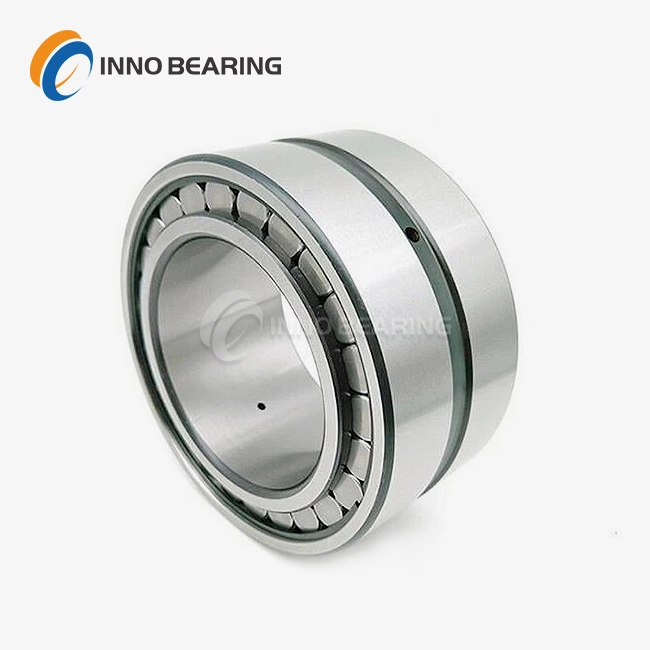

Learn about our latest products and discounts through SMS or email