- English
- French
- German
- Portuguese
- Spanish
- Russian
- Japanese
- Korean
- Arabic
- Greek
- German
- Turkish
- Italian
- Danish
- Romanian
- Indonesian
- Czech
- Afrikaans
- Swedish
- Polish
- Basque
- Catalan
- Esperanto
- Hindi
- Lao
- Albanian
- Amharic
- Armenian
- Azerbaijani
- Belarusian
- Bengali
- Bosnian
- Bulgarian
- Cebuano
- Chichewa
- Corsican
- Croatian
- Dutch
- Estonian
- Filipino
- Finnish
- Frisian
- Galician
- Georgian
- Gujarati
- Haitian
- Hausa
- Hawaiian
- Hebrew
- Hmong
- Hungarian
- Icelandic
- Igbo
- Javanese
- Kannada
- Kazakh
- Khmer
- Kurdish
- Kyrgyz
- Latin
- Latvian
- Lithuanian
- Luxembou..
- Macedonian
- Malagasy
- Malay
- Malayalam
- Maltese
- Maori
- Marathi
- Mongolian
- Burmese
- Nepali
- Norwegian
- Pashto
- Persian
- Punjabi
- Serbian
- Sesotho
- Sinhala
- Slovak
- Slovenian
- Somali
- Samoan
- Scots Gaelic
- Shona
- Sindhi
- Sundanese
- Swahili
- Tajik
- Tamil
- Telugu
- Thai
- Ukrainian
- Urdu
- Uzbek
- Vietnamese
- Welsh
- Xhosa
- Yiddish
- Yoruba
- Zulu
Replacing Thrust Bearings: Signs and Solutions
When you change Thrust bearings, you need to pay close attention to warning signs and follow a set of steps for troubleshooting to keep expensive equipment from breaking down. Axial loads that are parallel to the shaft axis can be supported by these special rotary parts. Like wind turbines, heavy machinery, mines, and ships at sea, these are very important for industrial machinery. As long as you know what to look for, how to diagnose problems, and the right way to replace parts, your machinery will work at its best and last as long as possible, with as little downtime as possible.
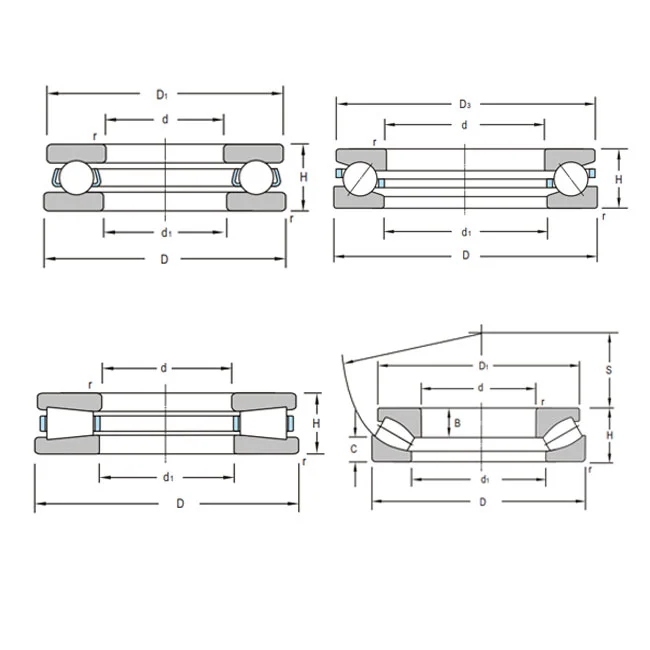
Understanding Thrust Bearings and Their Common Failure Signs
In heavy machinery, thrust bearings deal with axial loads, which are forces that act perpendicular to the rotating shaft. These parts keep the shaft from drifting and can handle high axial stress in a wide range of situations, from heavy-duty crane operations to pitch control systems for wind turbines. Radial bearings, on the other hand, deal with forces that are perpendicular to the shaft.
Key Components and Structure
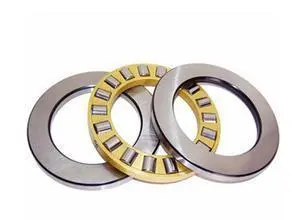
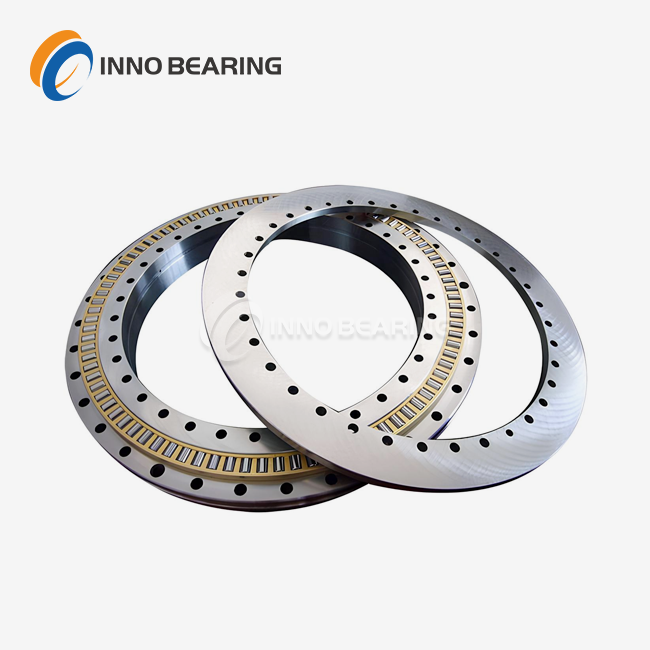
These days, axial load bearings are made up of several important parts that work together to handle tough conditions. GCr15 or 20Cr2Ni4A is often used to make the shaft washer, which is the main part of the rotating shaft that touches the material. In the same way, the housing washer is made to provide a stable base inside the equipment housing. They can move easily against each other because they have rolling parts, such as steel balls for light loads or cylinder-shaped rollers for heavy-duty use. The cage, which can be made of stamped steel or brass, makes sure that the parts are properly spaced and don't hit each other while the machine is running.
These parts have outside diameters between 30mm and 800mm and inside diameters between 10mm and 600mm, so they can fit a lot of different sizes. Engineers can pick the best bearings for the space they have and the weight they need to carry because the height ranges from 8 mm to 100 mm.
Recognizing Early Warning Signs
A few key signs that a bearing is about to fail should be kept in mind by people who run machines and do maintenance. Noise patterns that aren't normal, like grinding or squealing sounds when the part turns, are often a sign that there isn't enough oil or that the rolling elements are worn out. High vibrations compared to normal ranges could mean that something is not aligned correctly or that an internal part is wearing out and needs to be fixed right away.
Another important sign of failure is keeping an eye on the temperature. If you work on bearings that are much hotter than room temperature, they might have more friction because of dirt, worn-out lubrication, or too much load. Particles of metal in lubricants, changes in the color of the bearing surfaces, or clear wear patterns may all be signs that there is damage inside the bearing.
Common Failure Mechanisms
In the workplace, axial bearings often break down too soon for a number of reasons. There is stress and faster wear when you don't install something correctly, like when you don't align it right or use the right amount of torque. When lubrication is exposed to dust, water, or chemicals, abrasive particles can get in and hurt rolling surfaces.
Too much loading above and beyond what was planned for thrust bearing causes materials to wear out and important parts to permanently change shape. Extreme temperature changes, corrosive atmospheres, and vibrations from nearby equipment all make things more stressful and shorten the time they can be used.
Diagnosing and Analyzing Thrust Bearing Issues: A Systematic Approach
To make troubleshooting work well, you need structured diagnostic procedures that get to the root causes of problems instead of just fixing the symptoms. Modern methods for checking the condition of things give us data-driven information that helps us plan ahead for maintenance and stop major failures before they happen.
Performance Data Analysis
Monitoring systems for vibrations keep track of patterns of frequencies that show exactly what's wrong with a bearing. If you put an accelerometer near a bearing, it will pick up frequencies that are often linked to issues with the cages, the wheels, or the rolling elements. You can find patterns of slow wear and tear that help you plan when to do maintenance by plotting this data against time over time.
Keeping an eye on the temperature can help with vibration analysis by showing issues with lubrication and strange loading patterns. To take measurements without touching anything, infrared thermography can find hot spots and thermal gradients that show that the load isn't being spread out evenly or that there isn't enough cooling.
Root Cause Investigation
So that it doesn't happen again, systematic failure analysis looks at a lot of the things that went wrong and how they happened. Material fatigue analysis checks to see if the bearing materials are up to the task or if they need to be changed to better alloys. When you look at environmental stress, you can find sources of contamination, changes in temperature, or chemical exposure that weaken the bearing.
The design review process makes sure that the right bearings are picked based on how they will be used in real life, not just how they should work in theory. Once the loads are known, the chosen bearings are made sure to be able to handle all the different types of loads that come up during normal use.
Industry Case Studies
People who use wind energy know how important it is to pick the right bearings for rough conditions. Salt spray, changes in temperature, and heavy loads are all things that offshore wind turbines have to deal with. They need special bearing treatments and sealing systems to keep them safe. Many facilities find that standard industrial bearings break down quickly. However, when they use marine-grade parts, they last as long as the design says they should.
When heavy machinery is used in mines, you can see how contamination control works. Bearing lives are much longer in places that use good sealing systems and filtration protocols than in places that don't take enough steps to keep things clean.
Step-by-Step Guide to Replacing Thrust Bearings
If you replace a thrust bearing the right way, it will work better and last longer. Mistakes in installation can be avoided by following a set of steps, and records can be kept to check the quality.
Pre-Replacement Preparation
It is important to follow lockout/tagout procedures and turn off all power to the equipment before replacing the bearings. To keep the most important parts of the installation process moving quickly, make sure you have the right tools. These include bearing pullers, heating equipment, and accurate measuring tools.
As part of the documentation requirements, the existing bearing specifications must be written down, the shaft and housing dimensions must be measured, and pictures of how the installation is set up must be taken. This information helps you pick out a new bearing and gives you data to use when you do maintenance work in the future.
Removal Procedures
Carefully taking out the bearing protects the parts around it and makes it possible to figure out what went wrong with the bearings that have been taken out. The force needed to remove something is spread out evenly by mechanical pullers. This keeps shafts or housings from getting damaged. Systems that heat things up might help take off interference-fit bearings without getting the material too hot, which could change how it works.
Keeping bearings that have been taken off to look at them gives you useful information about how they work and how they could break. Looking at the bearings visually, measuring their sizes, and analyzing their surfaces can all give you information that will help you choose the right ones and keep them in good shape.
Installation Best Practices
When mounting bearings, contamination can't happen in areas that are already clean. All of the surfaces must be cleaned and carefully checked before the pieces can be put together. Interference-fit installations can have even thermal expansion as long as the right heating methods are used. If the temperatures get too high, they could damage the bearing metal.
You have to make sure that the lubricant you pick meets the manufacturer's and your use conditions. When used at high temperatures, synthetic lubricants with the right viscosity are needed. However, regular greases with the right consistency grades can be used for everyday industrial tasks.
Post-Installation Verification
Monitoring the first operation makes sure that the installation was done right and finds any issues before they get too big. When vibrations are measured, starting points are set that can be used to compare readings in the future. By keeping an eye on the temperature, you can be sure that everything is working right and that the oil is spread out evenly.
Keeping track of the steps needed for installation, the recommended torque, and the conditions under which the thrust bearing was first used can help you plan maintenance and fix issues.
Maintenance Strategies to Extend Thrust Bearing Life
By planning regular maintenance, you can make bearings last longer and save money in the long run. These plans include regular checks as well as condition-based maintenance methods that figure out when to replace things based on their condition.
Routine Inspection Protocols
Regular visual checks find signs of trouble on the outside of the bearing before they cause damage on the inside. You can tell if you need to re-oil or that the filtration system is broken by looking at things like the consistency of the grease, changes in color, and the amount of dirt that the grease picks up.
Watching how much power is used, how hot it is running, and how much vibration there is are all signs of how bearings wear out over time. Maintenance decisions that stop failures that come up out of the blue can be made by looking at how these parameters change over time.
Advanced Maintenance Technologies
Systems that check the condition of bearings always keep an eye on key parameters. Wireless sensors make it possible to keep an eye on things that can't be reached from far away. This cuts down on the need for people to physically check things. Patterns that change in small ways can show problems that are starting to show up before they are noticed by normal inspection methods.
There are systems in place to make sure that the right amount of grease is used at the right time and that it doesn't get too thick, which could cause things to get too hot. Some machines have automatic lubrication systems that make sure there is always lubricant, even when it's hard to re-grease by hand.
Technology Upgrades
New bearing technologies are better at what they're supposed to do than older ones. This is because ceramic rolling elements don't rust as easily and are lighter, so they can work faster. Seals today are made in ways that keep dirt out and reduce friction losses to a minimum.
Bearings work better in rough conditions when they have special coatings on them. Marine gear that doesn't rust lasts longer, and coatings that cut down on friction use less energy and produce less heat.
Conclusion
To replace a thrust bearing correctly, you need to know a lot about how to find signs of failure, how to do systematic diagnostics, and how to put the bearing in the right way. Vibration monitoring, temperature analysis, and visual inspection can all help find early warning signs of major failures that lead to long periods of downtime and expensive repairs. Bearings work better and cost less to own when they are maintained using modern methods that include regular checks and advanced condition monitoring technologies. Customer can get reliable delivery times, high-quality parts, and expert technical advice through strategic partnerships with suppliers. These partnerships keep businesses running in a wide range of industrial settings.
FAQ
How often should thrust bearings be replaced in industrial equipment?
Replacement intervals depend on operating conditions, load factors, and maintenance practices. Heavy-duty items may require replacement every 2-3 years, while properly maintained equipment in moderate conditions can achieve 5-10 year service life. Condition monitoring provides more accurate replacement timing than fixed schedules.
What distinguishes thrust bearings from radial bearings in terms of load handling?
Radial bearings handle forces that are across from the shaft axis, while axial load bearings handle forces that are along it. Both types are often needed to deal with situations with mixed loads. To pick the right bearings, you need to think about all load directions and sizes.
Can thrust bearings be repaired instead of replaced?
Some minor damage to the surface may be able to be fixed by a professional reconditioning service. However, if the item has major wear or damage inside, it usually needs to be replaced. Because of the cost of labor and worries about dependability, cost analysis often says that something should be replaced instead of fixed.
What installation tools are essential for proper thrust bearing mounting?
Pullers for bearings, heaters, accurate measuring tools, and the right lifting tools are some of the most important tools. You might need special tools to mount big bearings or bearings with odd shapes. Professional installation makes sure that everything works well and doesn't break down too soon.
Partner with INNO Bearing for Superior Thrust Bearing Solutions
INNO Bearing has axial load Solutions that are fully engineered and backed by nearly 30 years of excellent manufacturing. Our full line of thrust bearing comes in a lot of different high-tech materials, can be custom-designed up to ±5000mm in diameter, and can be delivered quickly so that you can meet tight project deadlines. Engineers who have worked with heavy machinery, wind power, mining, and applications in harsh environments know how to get things done. Talk to our technical experts at sales@inno-bearing.com about your specific needs and find out why leading manufacturers trust INNO Bearing as their go-to supplier for mission-critical thrust bearings.
References
Harris, T.A. & Kotzalas, M.N. "Essential Concepts of Bearing Technology: Rolling Bearing Analysis, Fifth Edition." CRC Press, 2007.
Hamrock, B.J., Schmid, S.R. & Jacobson, B.O. "Fundamentals of Fluid Film Lubrication, Second Edition." Marcel Dekker, 2004.
American Bearing Manufacturers Association. "Load Ratings and Fatigue Life for Ball Bearings." ANSI/ABMA Standard 9-1990.
International Organization for Standardization. "Rolling Bearings - Thrust Bearings - Boundary Dimensions." ISO 104:2002.
Eschmann, P., Hasbargen, L. & Weigand, K. "Ball and Roller Bearings: Theory, Design and Application." John Wiley & Sons, 1985.
Society of Tribologists and Lubrication Engineers. "Bearing Lubrication and Monitoring Techniques for Improved Reliability." STLE Technical Publication, 2019.

Learn about our latest products and discounts through SMS or email