- English
- French
- German
- Portuguese
- Spanish
- Russian
- Japanese
- Korean
- Arabic
- Greek
- German
- Turkish
- Italian
- Danish
- Romanian
- Indonesian
- Czech
- Afrikaans
- Swedish
- Polish
- Basque
- Catalan
- Esperanto
- Hindi
- Lao
- Albanian
- Amharic
- Armenian
- Azerbaijani
- Belarusian
- Bengali
- Bosnian
- Bulgarian
- Cebuano
- Chichewa
- Corsican
- Croatian
- Dutch
- Estonian
- Filipino
- Finnish
- Frisian
- Galician
- Georgian
- Gujarati
- Haitian
- Hausa
- Hawaiian
- Hebrew
- Hmong
- Hungarian
- Icelandic
- Igbo
- Javanese
- Kannada
- Kazakh
- Khmer
- Kurdish
- Kyrgyz
- Latin
- Latvian
- Lithuanian
- Luxembou..
- Macedonian
- Malagasy
- Malay
- Malayalam
- Maltese
- Maori
- Marathi
- Mongolian
- Burmese
- Nepali
- Norwegian
- Pashto
- Persian
- Punjabi
- Serbian
- Sesotho
- Sinhala
- Slovak
- Slovenian
- Somali
- Samoan
- Scots Gaelic
- Shona
- Sindhi
- Sundanese
- Swahili
- Tajik
- Tamil
- Telugu
- Thai
- Ukrainian
- Urdu
- Uzbek
- Vietnamese
- Welsh
- Xhosa
- Yiddish
- Yoruba
- Zulu
Designing Lightweight Machines with Thin Section Bearings
Modern engineering meets a problem that has never been seen before: making machines that work as well as possible while being as light and taking up as little space as possible. The answer lies in new bearing technology, especially thin section angular contact bearing systems that change the way engineers build small machines. These precise parts allow makers to cut weight by a huge amount—often up to 85% compared to traditional bearing assemblies—without affecting the strength or dependability of the structure or the way it works. By combining very thin bearing profiles with angular contact geometry, engineers can make machinery that works better and responds faster while still meeting strict size and weight requirements in fields ranging from medical robots to aerospace.
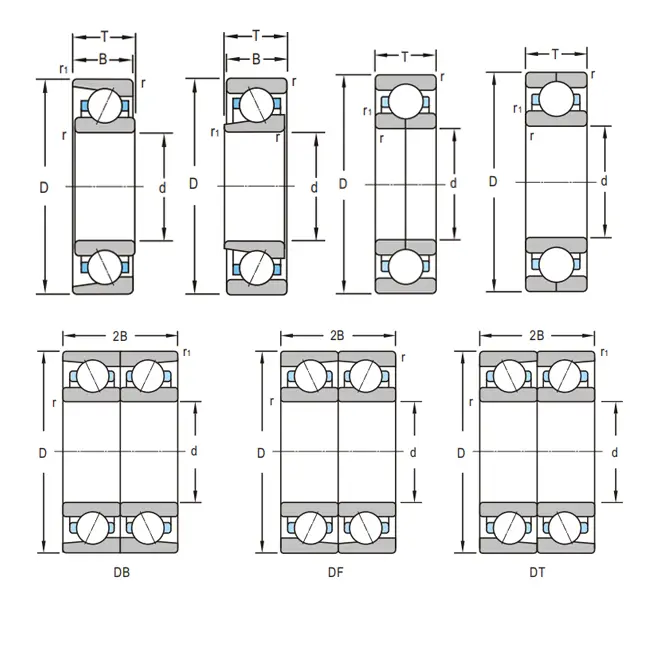
Understanding Thin Section Angular Contact Bearings
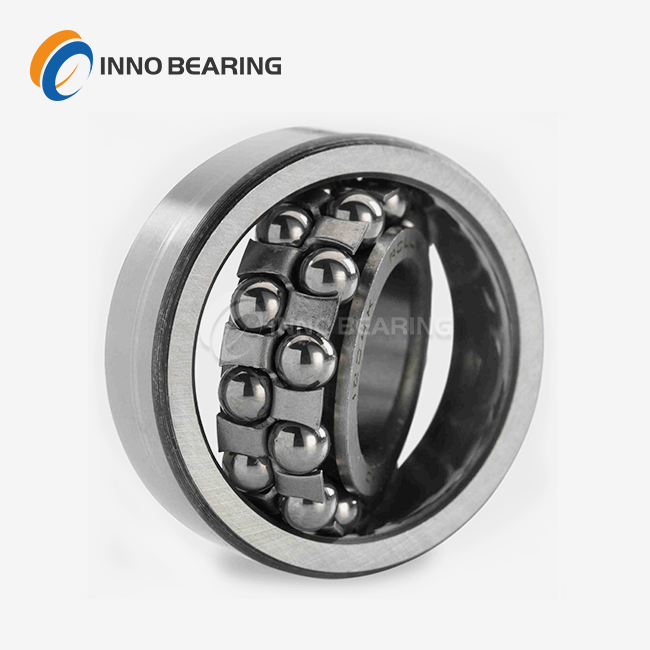
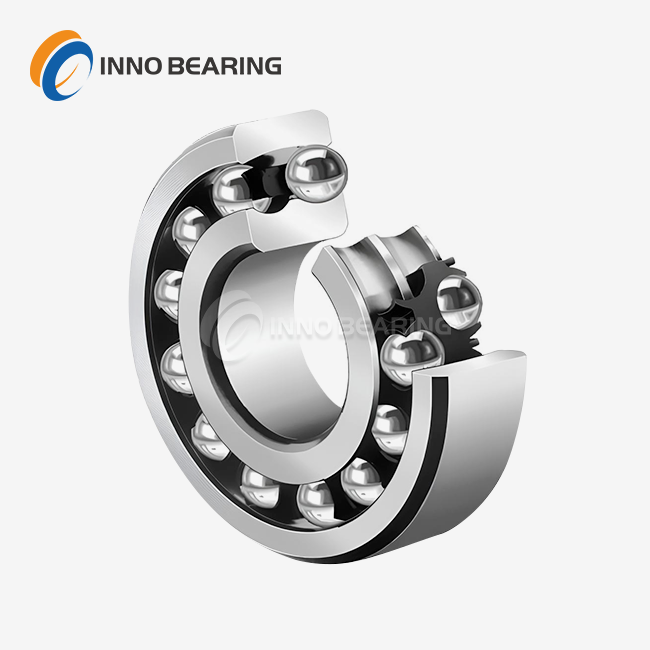
The technical ideas behind thin section angular contact bearing technology are a big step forward in how precision bearings are made. The walls of these special parts are between 2mm and 5mm thick, which makes for a very thin cross-sectional shape that stays the same size no matter what the bore width is. The angular contact design supports both radial and axial loads at the same time through optimal raceway shape. The contact angle is usually 30 degrees, which spreads forces evenly throughout the bearing assembly.
Core Design Elements
The structure of these bearings is the result of many years of engineering progress. Each assembly is made up of thin-wall inner and outer rings made from GCr15 steel forgings. These rings are carefully designed to keep their structural integrity even though the material thickness is reduced. Small steel balls made from the same high-quality material make sure that the load is evenly distributed, and engineering plastic cages make the process light and resistant to wear.
Material Science Advantages
Even though they are small, these bearings have amazing performance qualities thanks to advanced metallurgical methods. Specialized heat treatment methods are used on the GCr15 steel to make it more resistant to fatigue while keeping the tight tolerances needed for lightweight uses. In many situations, engineering plastic cage materials can be used instead of complicated cleaning systems because they lower the coefficients of friction.
With inner diameters from 15mm to 200mm, outer diameters from 32mm to 250mm, and widths from 5mm to 20mm, the size range can meet a wide range of technical needs. Because it is so flexible, it can be used in a wide range of situations, from tiny robotic joints to high-precision medical tools.
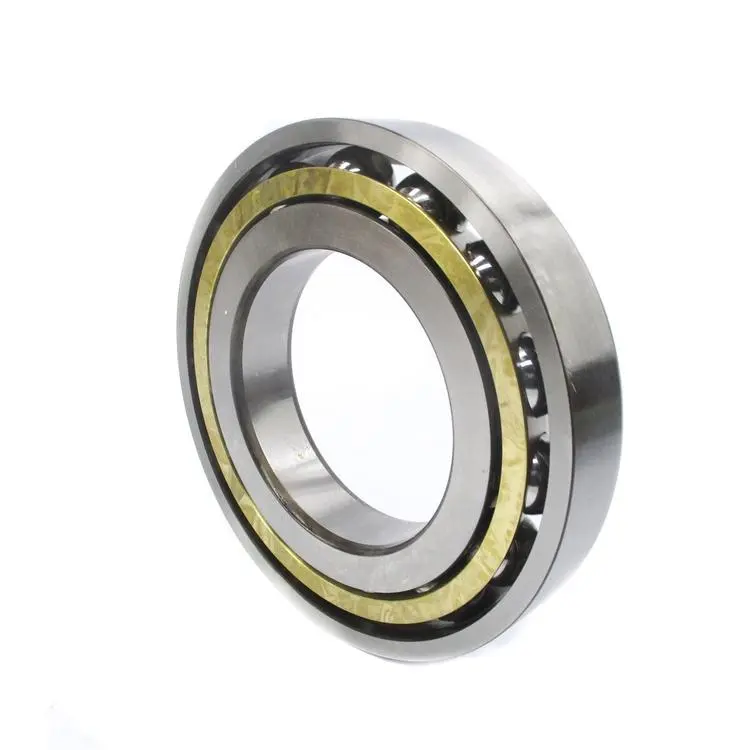
Advantages of Using Thin Section Angular Contact Bearings in Lightweight Machine Design
The main benefit that is driving the use of ultra-slim bearing technology in many fields is its ability to reduce weight. These precision parts can hold as much weight as regular bearings, but they take up a lot less room and add very little to the weight of the whole system. The technical benefits go far beyond just lowering weight; they also include better performance qualities that open up new design options.
Load Capacity Excellence
Furthermore, even though they are small, these bearings are very good at supporting loads. The angular contact design handles radial and axial forces well, and in some special setups, it can handle dynamic loads of up to 120kN. Because of this performance, engineers can choose supporting structures that are lighter without lowering the practical safety limits.
Speed Performance Characteristics
Thin section angular contact bearing sets are different from other options due to their ability to operate at high speed. Precision manufacturing tolerances and improved internal dimensions make it possible for bearings to work reliably at speeds that are faster than what is normally allowed. Centrifugal forces are lowered and dynamic stability is improved because spinning parts have less mass.
Environmental Adaptability
Temperature resistance qualities for thin section angular contact bearing make operating ranges much wider than what is specified in standard bearing specs. Modern heat treatment methods make it possible for stable operation from -60°C to +500°C, making them suitable for harsh industry settings like aircraft systems and metallurgical uses. Specialized closing choices offer IP67 security against getting dirt and water in.
Selecting the Right Thin Section Angular Contact Bearing for Your Machine
To choose the right bearing, you need to think about a lot of things, like the operational factors, the environmental conditions, and the performance standards. In order to make a choice, you have to look at the load features, speed needs, precision needs, and environmental factors that affect how well the bearing works and how long it lasts.
Load Analysis Methodology
Correctly estimating the load is the first step in choosing the right bearings. Engineers have to look at both steady and dynamic loading situations, taking into account maximum loads, duty cycles, and the need for wear resistance. Radial forces, axial thrusts, and moment loads all have an effect on how bearings are chosen and how they are configured.
Precision Grade Considerations
Specifications for accuracy have a direct effect on how well bearings work and how much they cost. Standard P0 grade bearings provide reliable performance for general applications, while precision types come in P6, P5, and P4 grades for very precise tasks that need to be done with great care. P4 grade precision with axial runout requirements below 0.5εm is usually needed for medical equipment and aircraft uses.
Environmental Compatibility Assessment
The operating setting has a big impact on the choice of material and the layout of the bearings. For use in high-temperature situations, special heat treatment and lubrication systems are needed. In corrosive settings, stainless steel construction or protective coats are needed. For use in cleanrooms, special production methods and steps to stop contamination are needed.
The strict standards used to check these precision parts show how hard they are used. Some important factors are the limits for thin-wall deformation (≤0.003mm), the radial clearance requirements (0.002-0.005mm), the uniformity of the steel balls, and the ability to change the installation.
Installation and Maintenance Guide for Thin Section Angular Contact Bearings
To use ultraslim bearing technology successfully, you have to pay close attention to the steps for installation and care. Because the material isn't as thick, it needs to be handled and installed in a certain way that keeps it from getting damaged and makes sure it works well for the whole life of the bearing.
Installation Best Practices
Following the right mounting steps for thin section angular contact bearing will protect the quality of the bearings during assembly and set the best operating clearances. Point loading, which can lead to lasting damage, must be avoided by installation tools that spread forces evenly across bearing rings. When you mix slip-fit housing arrangements with press-fit uses on shafts, you get the best load transfer while also allowing for thermal expansion.
Handling Precautions
Because thin section angular contact bearing kits are fragile, they need to be handled carefully during the fitting process. Measures to stop contamination keep precision surfaces from getting damaged, and the right way to store bearings keeps their quality until they are installed. Taking temperature into account during building stops thermal stress that could affect the security of the dimensions.
Lubrication Requirements
Choosing the right lubricant improves the performance of bearings and greatly increases their service life. Specialized synthetic lubricants may be needed for high-temperature tasks, while low-viscosity formulas that reduce friction losses are better for high-speed tasks. Bearings that are lubricated with vacuum work very well in medical and electronics uses that need very low noise.
Maintenance Protocols
Scheduling regular inspections lets you find wear patterns or performance loss early on. Vibration tracking tools tell you in real time how the bearings are doing, and regular dimensional checks make sure that the tolerances are still being met. Predictive repair methods cut down on unplanned downtime and find the best times to change bearings.
Procurement Insights: Buying Thin Section Angular Contact Bearings for Industrial Applications
To buy precision bearing parts strategically, you need to know how the market works, what your suppliers can do, and how to get the best deals on costs. Because ultraslim bearing technology is so specific, it needs careful review and relationship management with suppliers to make sure uniform quality and on-time deliveries.
Supplier Evaluation Criteria
A reputable maker will have a lot of experience making precision bearings and will have full quality control systems and testing tools. Manufacturing licenses, quality control processes, and the abilities of inspection tools can help you figure out how reliable a provider is and how consistent their products are.
Customization Capabilities
For many uses, non-standard sizes or custom shapes are needed that go beyond what is listed in the book. Suppliers that offer fast testing and flexible production processes make it possible to come up with the best answers for each technical problem. Lead time factors balance the need for flexibility with the needs of managing supplies and project plans.
Cost Optimization Strategies
Understanding what causes costs is important for making purchases and managing budgets well. Final pricing is based on the material chosen, the accuracy grade, the amount needed, and the shipping schedule. A lot of the time, volume purchasing deals save a lot of money and make sure that important applications can keep getting what they need.
Quality assurance programs make sure that products always work well and are reliable. There is trust in the bearing specs and operating features because of thorough testing methods, dimensional verification procedures, and performance validation testing.
Conclusion
Thin section angular contact bearing technology is a huge step forward in making machines lighter. It lets engineers reduce the weight of machines by huge amounts while still keeping their performance and dependability. Because they are so precise, these parts have big benefits in many fields, from medical robots to aerospace, where design needs to be limited by room and weight. The technical benefits go beyond just reducing size; they also include faster speeds, better resistance to temperature changes, and higher load capacities that open up new design options. To make execution work, you need to carefully choose the right parts, put them correctly, and buy them in a way that ensures they work at their best for the whole time they are in use.
FAQ
What applications benefit most from thin section angular contact bearings?
When room is limited and great accuracy and dependability are needed, these precision bearings are the best choice. Their very low noise levels and small size make them useful for medical tools like surgery robots and MRI machines. Their accurate location and light weight make them useful for robotics applications, while their resistance to high temperatures and fast performance make them useful for aircraft systems.
Can these bearings handle high rotational speeds safely?
High-speed operation is possible with ultra-slim bearing designs that have optimized internal shape and tight production tolerances. Specialized cage materials and lubricant systems make it possible for bearings to work reliably at speeds that are much faster than what is normally allowed. Stable performance across the entire operating speed range is guaranteed by following the right installation and repair steps.
What installation precautions prevent premature bearing failure?
Precision surfaces stay in good shape and measurements stay accurate when they are installed with care. When you fix something correctly, the installation forces are spread out evenly, and steps to stop contamination protect the internal parts. Choosing the right fit and following the right alignment steps will create the best working clearances that stop premature wear and performance decline.
Partner with INNO Bearing for Premium Thin Section Angular Contact Bearing Solutions
Precision bearing production has been INNO Bearing's specialty for almost 30 years. They make ultra-slim bearings that work better and last longer than industry standards. Our wide selection of thin section angular contact bearing products can be used for applications with diameters ranging from 15 mm to 5000 mm. We can quickly customize them to fit your needs, and our shipping times are the fastest in the business. Email our engineering team at sales@inno-bearing.com to talk about your unique needs and find out how our precision-engineered Solutions can help you make your lightweight machine designs work better. As a reputable thin section angular contact bearing manufacturer, we offer full expert help, quality assurance, and dependable supply chain management to make sure the success of your project.
References
Harris, T.A., and Kotzalas, M.N. "Advanced Concepts of Bearing Technology: Rolling Bearing Analysis, Fifth Edition." CRC Press, 2020.
Nisbett, J.K., and R.G. Budynas wrote "Shigley's Mechanical Engineering Design, Eleventh Edition." 2019 McGraw-Hill Education.
According to the International Organization for Standardization (ISO), ISO 15242-1:2015 describes how to measure vibrations in rolling bearings (Part 1: Fundamentals).
The American Bearing Manufacturers Association sets the standard 20-2017 for "Radial Bearings of Ball, Cylindrical Roller, and Spherical Roller Types—Metric Design."
In 2018, Hamrock, B.J., Schmid, S.R., and Jacobson, B.O. published "Fundamentals of Fluid Film Lubrication, Second Edition."
In the NSK Engineering Journal, Vol. 47, 2021, there was a report called "Thin Section Bearings: Design Considerations and Applications in Precision Machinery."

Learn about our latest products and discounts through SMS or email