- English
- French
- German
- Portuguese
- Spanish
- Russian
- Japanese
- Korean
- Arabic
- Greek
- German
- Turkish
- Italian
- Danish
- Romanian
- Indonesian
- Czech
- Afrikaans
- Swedish
- Polish
- Basque
- Catalan
- Esperanto
- Hindi
- Lao
- Albanian
- Amharic
- Armenian
- Azerbaijani
- Belarusian
- Bengali
- Bosnian
- Bulgarian
- Cebuano
- Chichewa
- Corsican
- Croatian
- Dutch
- Estonian
- Filipino
- Finnish
- Frisian
- Galician
- Georgian
- Gujarati
- Haitian
- Hausa
- Hawaiian
- Hebrew
- Hmong
- Hungarian
- Icelandic
- Igbo
- Javanese
- Kannada
- Kazakh
- Khmer
- Kurdish
- Kyrgyz
- Latin
- Latvian
- Lithuanian
- Luxembou..
- Macedonian
- Malagasy
- Malay
- Malayalam
- Maltese
- Maori
- Marathi
- Mongolian
- Burmese
- Nepali
- Norwegian
- Pashto
- Persian
- Punjabi
- Serbian
- Sesotho
- Sinhala
- Slovak
- Slovenian
- Somali
- Samoan
- Scots Gaelic
- Shona
- Sindhi
- Sundanese
- Swahili
- Tajik
- Tamil
- Telugu
- Thai
- Ukrainian
- Urdu
- Uzbek
- Vietnamese
- Welsh
- Xhosa
- Yiddish
- Yoruba
- Zulu
Spherical Roller Bearing Lubrication Best Practices
Using the right cleaning methods for Spherical roller bearings is essential for getting the best performance from equipment and making it last longer in harsh industrial settings. To handle rotational loads effectively, these self-aligning roller bearings with double-row spherical roller designs and the ability to fix installation errors need to be oiled in a very specific way. Proper lubrication lowers the friction between the raceways and the rolling elements, stops premature wear, and keeps the bearings in good shape even when they are working in harsh circumstances. These lubrication procedures are used in electric motors, reducers, building equipment, rolling mills, and port equipment to make them work more efficiently and avoid costly downtime.
Understanding Spherical Roller Bearing Lubrication
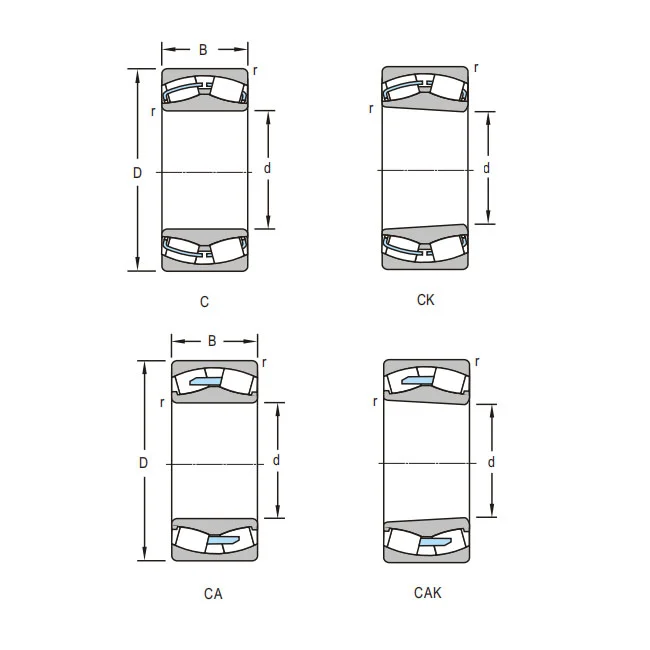
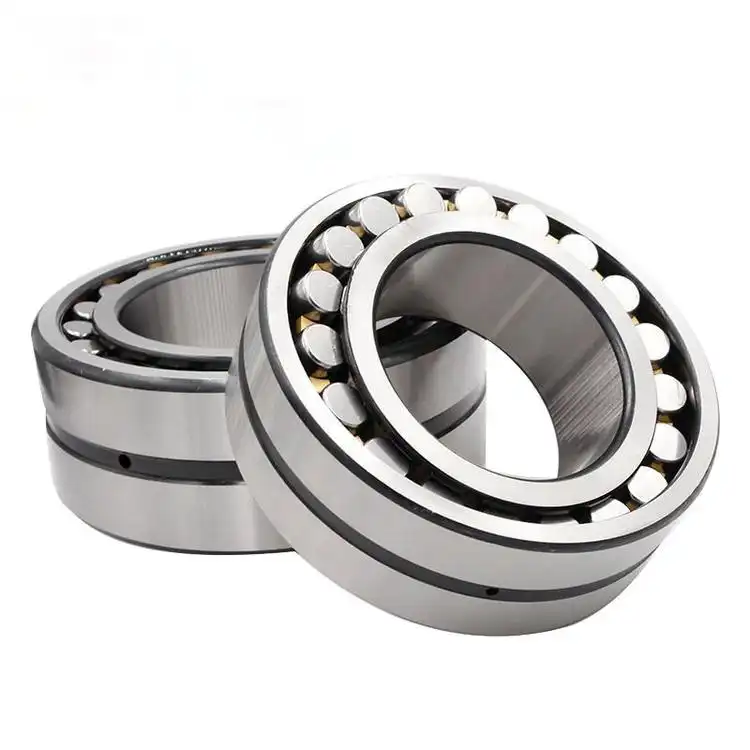
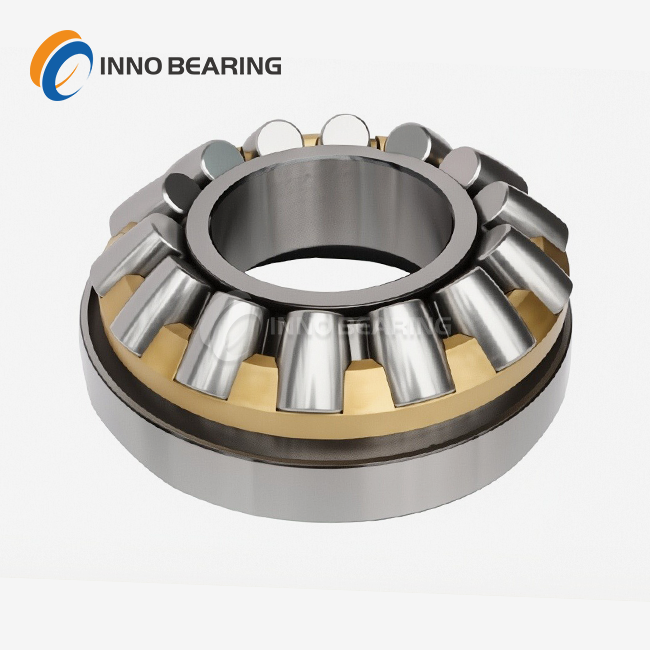
There is more to the science behind lubricating bearings well than just putting grease or oil on them. These special rolling-element bearings have a special internal design. The inner ring has circular raceways, and the outer ring has double ribs that allow for double-row rollers inside stamped steel or brass cages.
Fundamental Lubrication Principles
Lubrication is important for many reasons in bearing systems. The main goal is to make a protected film between the moving elements and the raceway surfaces. This will keep the metal parts from touching each other and causing wear. This oil film also gets rid of the heat that is made while the bearings are working, which is especially important when the bearings are working under heavy rotational loads or at high speeds.
The fact that these bearings can self-align makes lubrication more complicated. In contrast to fixed bearings, the spherical roller design can handle rotational misalignment, which changes how the lubricant is distributed inside the bearing. Understanding these spread traits helps maintenance teams figure out the best times and amounts of oil to use.
Grease Versus Oil Selection Criteria
To choose the right lubricants, you need to carefully look at the working factors. Using grease for lubrication has benefits in situations where control is important because it seals well and requires less upkeep. Grease stays lubricated even when the equipment isn't being used because of its thick consistency and ability to stick to surfaces.
Oil lubrication systems work best in high-speed situations or places where heat needs to be removed all the time. Circulating oil systems are better at cooling things down, and filter systems let you check for pollution in real time. The choice between open and sealed bearing types has a big effect on how the oil system is designed and how often it needs to be maintained.
Common Lubrication Problems and Their Causes
Many problems can arise in industrial settings that make lubrication less effective and eventually cause bearings to fail. By spotting early warning signs and getting to the bottom of problems, you can plan proactive repair that keeps expensive equipment from breaking down.
Temperature-Related Lubrication Issues
Extreme changes in temperature make it hard for devices that lubricate bearings to work. High temperatures, which are common in industrial settings and power producing equipment, can break down lubricants and make them less viscous. When working temperatures go above the limits set by the manufacturer, oils may lose their ability to protect, which can cause more friction and faster wear.
On the other hand, places with low temperatures can make the lube thicken for spherical roller bearing, which can stop it from spreading properly throughout the bearing assembly. This effect is especially noticeable on equipment that works outside or in warehouses or cold rooms where temperatures change a lot.
Contamination and Environmental Factors
One of the most common reasons why lube systems fail is contamination. Particulate matter, water getting in, and chemical toxins can make lubricants less effective and speed up the wear on bearings. Mining activities, building sites, and marine environments are some of the most difficult places to clean up after pollution.
Seal degradation often happens before contamination problems, letting unwanted objects into bearing systems and letting oil leak out at the same time. Checking closing systems on a regular basis helps find possible ways for contamination to get in before they do a lot of damage.
Load-Related Lubrication Challenges
Lubrication systems have to work harder in situations with heavy loads. When rotational loads get close to or go over the design limits, more friction causes more heat that can be too much for the lube to handle. This usually happens with big machinery, cranes, and industrial equipment that is working past its designated job cycles.
Shock loads and vibrations can also break up lube films, putting metals in touch with each other for a short time and speeding up the wear process. When repair teams understand these load factors, they can change how they lubricate things to fit.
Best Practices for Spherical Roller Bearing Lubrication
To use complete lube best practices, you need to use organized methods for choosing, using, and maintaining the lubricants. These practices need to be in line with specific working needs, taking into account things like the environment and the job cycles of the equipment.
Lubricant Selection and Compatibility
Before choosing the right lubricant, it's important to carefully look at the working conditions, such as the temperature ranges, load factors, and speed needs. When GCr15 bearing steel is used to make spherical roller bearing sets, they need oils that are compatible with these materials to keep chemical reactions from happening that could hurt performance.
Here are the most important things to consider when choosing a lubricant:
- Temperature compatibility: Make sure that lubricants keep their safe and viscous qualities across the normal temperature ranges for use, which are usually between -20°C and +150°C.
- Load capacity enhancement: To increase load capacity, choose oils with the right EP (Extreme Pressure) additives for heavy-load uses, especially when rotational loads get close to the design limits.
- Compatibility verification: Make sure that oils are chemically compatible with bearing materials like inner rings, outer rings, rollers, and cage materials like cast steel or brass.
- Environmental resistance: Based on the application area, choose oils that are resistant to dirt, water, and chemicals.
These selection factors make sure that the bearings work well and last as long as possible in a wide range of industry settings.
Application Techniques and Quantities
To use lube correctly for spherical roller bearing, you need to be able to precisely control and distribute the amount. If you use too much oil, it can lead to spinning loses and too much heat, and if you use too little oil, the film won't be thick enough and wear will happen faster.
When grease is applied, it should fill up bearing units to about 30 to 50 percent of their usable internal volume. This leaves room for the rollers to move and for the bearings to expand as they heat up. This rule changes depending on the size of the bearing. Usually, larger units need different fill ratios to account for bigger internal gaps.
Maintenance Scheduling and Monitoring
To set the right repair intervals, you need to think about the equipment's criticality, working conditions, and environmental factors. Lubrication is usually needed more often for high-speed tasks than for heavy-load, slow-speed tasks.
Condition tracking methods give us useful information about how well lubrication works. Vibration research can find early signs of not enough lubrication, and temperature tracking can find problems with heat before they do a lot of damage. Regularly collecting and studying used oils shows how contaminated they are and how they break down, which helps with maintenance choices.
How to Choose and Procure Spherical Roller Bearings with Lubrication in Mind?
To get the best total cost of ownership, strategic buying choices must take into account both the need for lubrication and the specifics of the bearings. To use this method, you need to know how the shape of the bearing affects how well it lubricates and how often it needs to be serviced.
Design Features Affecting Lubrication
The internal shape of a bearing has a big effect on how grease is distributed and how long it stays in place. Spherical roller bearings with the right amount of internal space make it easier for lubricant to flow and allow for heat growth while they are in use.
When buying something, seal setups are very important and have a direct effect on how much upkeep is needed. Some types of sealed bearings don't need to be serviced as often because they keep dirt out, while open designs make checking and re-lubrication easy. The choice between these options should be based on what the business needs and what can be done for upkeep.
Cage Material Considerations
The materials used for the cages change how well they work with lubricants and how hot they can get. Cages made of stamped steel are very strong and can handle big loads, while cages made of brass are more resistant to corrosion in marine settings. Knowing these qualities of the material helps procurement teams choose the right combinations for different uses.
Supplier Evaluation Criteria
When you work with reputable suppliers, you can be sure that you will have access to full technical help and quality testing programs. When looking at possible providers, make sure they can give you full lubrication specs, help with compatibility, and ongoing expert support.
Quality standards like ISO 9001 compliance show that a company uses structured quality management methods in all of its manufacturing processes that use lubrication. When it comes to bearing performance under certain lubrication situations, suppliers who offer full testing services can be very helpful.
Conclusion
Reliable spherical roller bearing performance in a wide range of industrial settings depends on good lubrication practices. Using the right lube, applying it correctly, and following maintenance rules all have a direct effect on how reliable equipment is, how much it costs to run, and how much it produces. Understanding the connection between the design features of a bearing and its lubrication needs helps you make smart purchasing choices that lower your total cost of ownership. By following these best practices consistently, industrial sites can make equipment much more reliable while also cutting down on repair costs and unplanned downtime.
FAQ
What factors determine optimal lubrication intervals for spherical roller bearings?
When to lubricate depends on a number of practical factors, such as the speed of rotation, the load, the running temperature, and the amount of contamination in the surroundings. Lubrication is usually needed more often for high-speed tasks than for heavy-load, slow-speed tasks. Extreme temperatures and dirty surroundings mean that safety needs to be maintained for shorter periods of time.
How can early signs of lubrication failure be detected?
Temperature rises that don't make sense, strange sound patterns, and changes in the noise that can be heard during operation are all early warning signs. Temperature tracking systems can find temperature rises that mean there isn't enough lubrication, and vibration research can show the unique frequency patterns that happen when there aren't enough lubricant films.
What role do sealed bearings play in reducing maintenance requirements?
Sealed bearing designs greatly lower the frequency of upkeep by stopping dirt and oil from leaking in. These designs are especially helpful in tough settings where regular open bearings need to be cleaned and oiled all the time. In dirty settings, sealed versions can last 50–75% longer between service times than open designs.
Partner with INNO Bearing for Superior Spherical Roller Bearing Solutions
INNO Bearing blends thirty years of experience making things with cutting edge lubrication engineering to create dependable bearing Solutions for tough industrial uses. Our wide range of spherical roller bearings, with sizes from 20mm to 5000mm, has improved internal geometries and quality seal designs that make lubrication work better and increase service life. As a reliable company that makes spherical roller bearings, we offer full professional support, including advice on how to lubricate, how to use the bearings, and how to keep them in good shape. Email our engineering team at sales@inno-bearing.com to talk about your unique needs and find out how our precision-engineered bearings can improve the performance of your equipment while lowering the total cost of ownership.
References
Harris, T.A., & Kotzalas, M.N. "Advanced Concepts of Bearing Technology: Rolling Bearing Analysis." CRC Press, 2019.
Hamrock, B.J., Schmid, S.R., & Jacobson, B.O. "Fundamentals of Fluid Film Lubrication in Rolling Element Bearings." McGraw-Hill Professional, 2018.
Khonsari, M.M., & Booser, E.R. "Applied Tribology: Bearing Design and Lubrication Systems." John Wiley & Sons, 2020.
SKF Group Technical Manual. "Lubrication of Rolling Bearings: Industrial Applications and Best Practices." SKF Publication, 2021.
ANSI/ABMA Standard 9. "Load Ratings and Fatigue Life for Ball Bearings and Roller Bearings." American Bearing Manufacturers Association, 2019.
ISO 281:2017. "Rolling Bearings - Dynamic Load Ratings and Rating Life Calculation Methods." International Organization for Standardization, 2017.

Learn about our latest products and discounts through SMS or email