- English
- French
- German
- Portuguese
- Spanish
- Russian
- Japanese
- Korean
- Arabic
- Greek
- German
- Turkish
- Italian
- Danish
- Romanian
- Indonesian
- Czech
- Afrikaans
- Swedish
- Polish
- Basque
- Catalan
- Esperanto
- Hindi
- Lao
- Albanian
- Amharic
- Armenian
- Azerbaijani
- Belarusian
- Bengali
- Bosnian
- Bulgarian
- Cebuano
- Chichewa
- Corsican
- Croatian
- Dutch
- Estonian
- Filipino
- Finnish
- Frisian
- Galician
- Georgian
- Gujarati
- Haitian
- Hausa
- Hawaiian
- Hebrew
- Hmong
- Hungarian
- Icelandic
- Igbo
- Javanese
- Kannada
- Kazakh
- Khmer
- Kurdish
- Kyrgyz
- Latin
- Latvian
- Lithuanian
- Luxembou..
- Macedonian
- Malagasy
- Malay
- Malayalam
- Maltese
- Maori
- Marathi
- Mongolian
- Burmese
- Nepali
- Norwegian
- Pashto
- Persian
- Punjabi
- Serbian
- Sesotho
- Sinhala
- Slovak
- Slovenian
- Somali
- Samoan
- Scots Gaelic
- Shona
- Sindhi
- Sundanese
- Swahili
- Tajik
- Tamil
- Telugu
- Thai
- Ukrainian
- Urdu
- Uzbek
- Vietnamese
- Welsh
- Xhosa
- Yiddish
- Yoruba
- Zulu
Spherical Roller Bearing Misalignment Problems Explained
Having problems with misalignment in spherical roller bearing systems can be very bad for business when heavy machinery is working under harsh conditions and heavy loads. These unique bearings have a double-row spherical roller structure that can handle differences in installation while still holding up heavy radial loads. This means that wind turbines, mining equipment, and heavy machinery can't work without them. When people who work in procurement know about misalignment issues and how to fix them, they can pick the best bearing configurations for harsh industrial settings that need high operational reliability and little costly downtime.
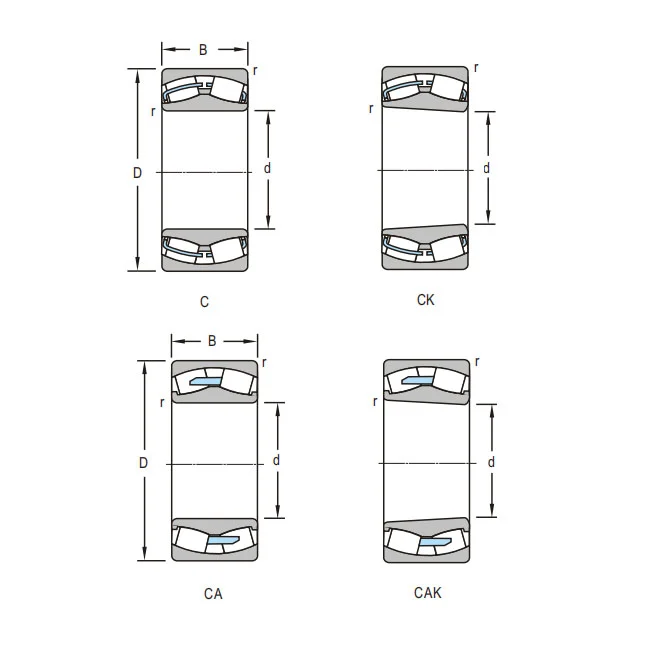
Understanding Spherical Roller Bearing Misalignment
It is called misalignment in Spherical roller bearings when the bearing axis moves away from the shaft or housing's centerline. This puts stress on the operation, which lowers performance and shortens the life of the bearing. If the shaft tilts relative to the housing, this is called angular misalignment. If the axes stay parallel but are offset, this is called parallel misalignment. And if both angular and parallel deviations happen at the same time, this is called combined misalignment.
Angular Misalignment Characteristics
An angular misalignment is the most common problem in industrial bearings. This is especially true for heavy construction equipment and wind power systems. Because the raceways in these bearings are spherical, they can handle angular changes of about 1.5 to 2.5 degrees, depending on how much internal clearance is needed. If the angular misalignment is too big, the load on the roller elements isn't spread out evenly. This causes stress concentrations that speed up wear patterns and shorten the machine's life.
Parallel and Combined Misalignment Effects
There is something known as "parallel misalignment" when the axes of the shaft and housing stay parallel but move to the side. It leads to edge loading, which stresses out bearing parts. When there is combined misalignment, which includes both angular and parallel deviations, it is tricky for bearing systems to work. The internal geometry and clearance needs to be carefully studied to make sure that these tricky loading situations always work.
Load Distribution Impact
If a bearing assembly isn't lined up correctly, the loads aren't spread out evenly among all the parts. Instead, they are concentrated on some roller elements. The vibrations are stronger, the temperature is higher, and the lubricant wears out faster because of this concentration. When maintenance teams know about these changes in load distribution, they can set up the right systems for keeping an eye on things and taking preventative steps that help bearings last longer.
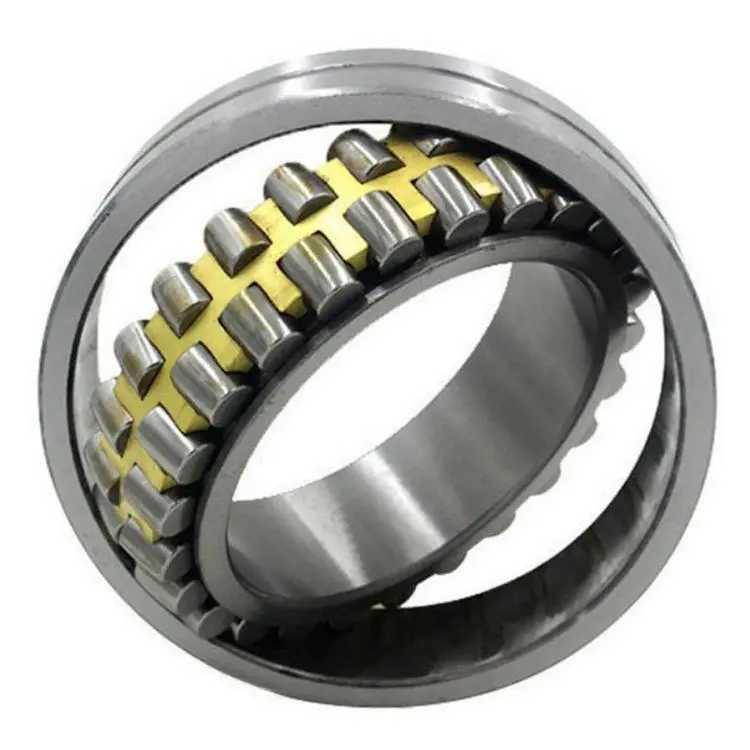
Analyzing Causes and Detection of Misalignment Issues
To find out if something is misaligned, you need to plan how you look at operational symptoms and use advanced monitoring techniques. Having the ability to find problems early on saves a lot of money on maintenance and stops big problems that could stop production.
Primary Misalignment Causes
When spherical roller bearing aren't lined up right, it's usually because of mistakes made during installation. These mistakes can be bad mounting techniques, missing tools, or not being careful enough during assembly. The dynamic misalignment conditions change based on how hard the machine is being used because the shaft bends when it is loaded. In the case of heavy machinery, where structural deformation goes beyond what was intended, this is especially clear.
Over time, the housing can become out of alignment due to changes in temperature, uneven mounting surfaces, or structural settlement. First, these little changes are hard to notice. But, they make things less useful over time. Different parts may expand at different rates during operation because of thermal effects. This can lead to temporary misalignment that puts stress on load-bearing elements when the temperature changes.
Advanced Detection Methodologies
These days, vibration analysis methods use frequency domain analysis and amplitude monitoring to precisely find misalignments. If you don't line up a bearing correctly, it will usually vibrate at certain frequencies that are linked to the speeds at which the rollers move and the cage turns. Thermal imaging technology shows patterns of how temperatures are spread out, which can show uneven loading conditions that are linked to alignment issues.
By looking at the oil to check on the lubricant's condition, metal particles and chemical breakdown products are found. These show that the bearings are having trouble because they are not lined up properly. These ways of looking at things give us numbers that help us decide what maintenance to do and how to do it. They also let us use predictive maintenance plans that keep equipment working as much as possible.
Case Study Analysis
Companies that mine and use large crushers have successfully set up integrated monitoring systems that use thermal imaging, vibration analysis, and lubricant monitoring to find alignment problems early on, before they become very bad. With early intervention strategies, these all-around methods cut unplanned downtime by 60% and raised the average life of bearings from 18 months to 36 months.
Design Features and Solutions to Mitigate Misalignment
Spherical roller bearing designs incorporate unique engineering features that allow for misalignment while still providing the highest load capacity and operational reliability. These design features allow it to work well in harsh industrial settings where exact alignment is still not possible or useful.
Self-Aligning Design Advantages
The outside raceway is shaped like a sphere, which lets the inner ring and roller assembly change their angle with the outer ring on their own. This means that the housing and shaft can bend without putting too much stress on any one part. This feature that sets itself straight automatically adjusts itself as the load changes while it's being used.
When you use a double-row roller set-up, the loads are spread out over more than one point of contact. It's possible for the double-row configuration to hold more weight because the peak contact stresses are gone. The symmetric roller arrangement keeps the load spread out in the radial direction while keeping the axial forces equal. This is important when the loads are mixed, like in the main shaft assemblies of wind turbines and the gearboxes of heavy machinery.
Material Selection Considerations
For everyday uses, GCr15 bearing steel in spherical roller bearing is very resistant to wear and has stable dimensions. On the other hand, 42CrMo steel is better for heavy-duty applications that need stronger steel. It can hold more weight. What kind of roller material you choose affects the misalignment tolerance by changing how stress is distributed and how well it holds up against wear.
How well the cage can handle being out of alignment depends a lot on the materials that were used to make it. Stamped steel cages are a cheap option for everyday uses. Brass cages keep their shape better and cause less friction when used for precise tasks. When the bearings are out of alignment, the cage must be made in a way that lets the rollers move without getting stuck or wearing out too quickly.
Sealed Versus Open Configurations
By sealing the bearings, you stop the oil from leaking and keep the insides clean. This is very helpful in harsh places like mines and ports where machinery is used. It's easier to do maintenance and get rid of heat in open configurations, but they need sealing systems on the outside to keep dirt and other things out.
If you choose between sealed and open designs, the misalignment tolerance will depend on how much internal clearance you need and how well you can handle heat. When units are sealed, they usually have the right amount of space between them to allow for thermal expansion while still maintaining the right preload conditions, even if the units aren't lined up perfectly.
Procurement Considerations for Misalignment-Resistant Spherical Roller Bearing
Long-term operational costs are affected by strategic procurement decisions in a big way. This is because selection criteria must balance the initial investment against the total cost of ownership. Knowing what a supplier can do, what customization options they offer, and what quality standards they follow helps you make smart buying decisions that keep your equipment running smoothly.
Supplier Evaluation Criteria
Manufacturers with a good reputation use strict quality control methods, such as keeping track of the materials they use, making sure their tolerances are exact, and following strict testing protocols. Certification that meets international standards guarantees consistent quality and performance traits that are important for important applications.
Technical support lets you choose the right bearings and gives you application engineering help during installation and commissioning. Suppliers who offer detailed documentation, training programs, and support services in the field add value above and beyond the quality of their products.
Customization and Bulk Purchasing
Custom bearing Solutions can meet specific operational needs that can't be met by standard catalog products. Some of these changes could be custom sealing arrangements, non-standard clearance requirements, or material upgrades that work better in certain environments.
Buying in bulk can help you save money while also making sure you have enough inventory for planned maintenance tasks. Custom packaging, delivery schedules, and technical support arrangements that lower total acquisition costs and make operations easier are often justified by commitments to buy in large quantities.
Cost-Benefit Analysis Framework
When you buy high-quality bearings with better misalignment tolerance, the total cost of ownership usually goes down because they last longer and need less maintenance. When replacing bearings requires a lot of equipment to be taken apart or production to stop, these benefits become even more important.
To fully understand the effect on the economy, lifecycle cost analysis should include the cost of the bearing itself, the cost of installation, the cost of upkeep, and the effect of any downtime. This study shows that small increases in bearing investment usually lead to big improvements in reliability and less downtime for operations.
Conclusion
To fix issues with spherical roller bearing misalignment, you need to understand why they fail, how to find them in a structured way, and how to buy them in a smart way. Not being lined up right is no problem for these bearings; they can fix it on their own. If you take care of them and get along with your suppliers, they will work perfectly in harsh industrial settings. When these strategies are used correctly, they can help procurement professionals and maintenance teams make big changes to how reliable, efficient, and cheap it is to own equipment in a lot of different fields.
FAQ
What are the primary symptoms of bearing misalignment failure?
Most of the time, misaligned bearings cause more vibrations, strange noises, high operating temperatures, and faster wear on the lubricant. Wear patterns on seals or housing surfaces can be seen visually, and vibration analysis can find the specific frequency signatures that show up when things are not lined up right.
How much misalignment can spherical roller bearings accommodate?
High-quality spherical roller bearings can handle an angular misalignment of 1.5 to 2.5 degrees, depending on how they are designed internally and how the clearances are set up. They are great for situations where the shaft might bend or the mounting might not be straight because they can do a lot more than rigid bearings.
What preventive maintenance practices minimize misalignment problems?
Regularly checking for vibrations, using thermal imaging, and checking the condition of the lubricant can help find misalignment issues early on. If you follow the right steps for installation, lubricate at the right times, and carefully prepare the mounting surface, you can avoid many problems with misalignment during operation.
Contact INNO Bearing for Premium Spherical Roller Bearing Solutions
Most people agree that INNO Bearing makes the best spherical roller bearings on the market. These bearings are designed to work in heavy industrial settings with lots of misalignment. We have been making things for 30 years, so we can make custom bearing designs up to ±5000mm that meet your exact material and tolerance needs. Our company makes spherical roller bearings and is known for being reliable. We offer full technical support, fast delivery, and quality control that meets international standards. Reach out to our engineering team at sales@inno-bearing.com to talk about your specific bearing issues and find out how our cutting-edge bearing technology can improve the dependability of your gear while lowering the overall cost of ownership.
References
Harris, Tedric A., and Michael N. Kotzalas. "Advanced Concepts of Bearing Technology: Rolling Bearing Analysis." CRC Press, 2019.
Palmgren, Arvid. "Ball and Roller Bearing Engineering: Principles and Applications in Industrial Machinery." Industrial Press, 2020.
ISO 281:2017. "Rolling Bearings - Dynamic Load Ratings and Rating Life Calculations for Spherical Roller Bearing Systems."
Hamrock, Bernard J., Steven R. Schmid, and Bo O. Jacobson. "Fundamentals of Fluid Film Lubrication in Rolling Element Bearings." McGraw-Hill Education, 2021.
SKF Group Technical Manual. "Spherical Roller Bearing Design and Application Guidelines for Heavy Industry." SKF Publication Series, 2022.
American Bearing Manufacturers Association. "Load Rating Standards and Misalignment Tolerance Specifications for Industrial Rolling Bearings." ABMA Standard Publication, 2023.

Learn about our latest products and discounts through SMS or email