- English
- French
- German
- Portuguese
- Spanish
- Russian
- Japanese
- Korean
- Arabic
- Greek
- German
- Turkish
- Italian
- Danish
- Romanian
- Indonesian
- Czech
- Afrikaans
- Swedish
- Polish
- Basque
- Catalan
- Esperanto
- Hindi
- Lao
- Albanian
- Amharic
- Armenian
- Azerbaijani
- Belarusian
- Bengali
- Bosnian
- Bulgarian
- Cebuano
- Chichewa
- Corsican
- Croatian
- Dutch
- Estonian
- Filipino
- Finnish
- Frisian
- Galician
- Georgian
- Gujarati
- Haitian
- Hausa
- Hawaiian
- Hebrew
- Hmong
- Hungarian
- Icelandic
- Igbo
- Javanese
- Kannada
- Kazakh
- Khmer
- Kurdish
- Kyrgyz
- Latin
- Latvian
- Lithuanian
- Luxembou..
- Macedonian
- Malagasy
- Malay
- Malayalam
- Maltese
- Maori
- Marathi
- Mongolian
- Burmese
- Nepali
- Norwegian
- Pashto
- Persian
- Punjabi
- Serbian
- Sesotho
- Sinhala
- Slovak
- Slovenian
- Somali
- Samoan
- Scots Gaelic
- Shona
- Sindhi
- Sundanese
- Swahili
- Tajik
- Tamil
- Telugu
- Thai
- Ukrainian
- Urdu
- Uzbek
- Vietnamese
- Welsh
- Xhosa
- Yiddish
- Yoruba
- Zulu
Spindle Bearing Lubrication Methods Compared
For operational success, it is important to understand the basic differences between the available methods when choosing the best lubrication strategies for spindle bearings in high-precision machinery. Standard applications usually use grease lubrication because it is easy to use and has great adhesion properties. On the other hand, oil-air systems work best in high-speed settings that need even lubricant distribution. More recent synthetic formulations have better thermal stability and longer service intervals, which makes them more useful for tough industrial uses. The final decision is based on the specifics of each manufacturing environment's operating conditions, maintenance needs, and total cost concerns.
Understanding Spindle Bearing Lubrication Basics
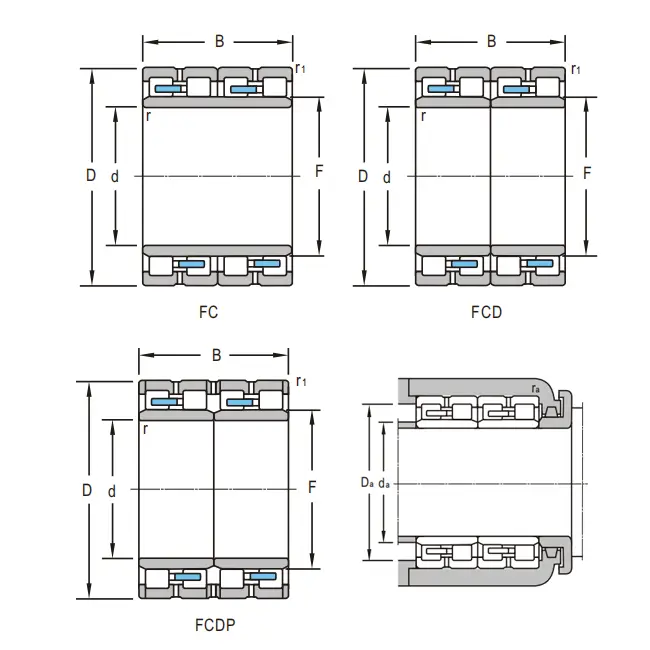
Spindle bearings are essential to the precision of rotating high-precision machinery. These parts were made to work with machines, so they need to be oiled very carefully so they can reach their full design potential of ≤0.002mm radial runout and speeds over 10,000 RPM. When we make precision-engineered Solutions at INNO Bearing, we use materials like GCr15 and GCr15SiMn alloys that have been heated to a hardness of 60 to 64 HRC to make them very resistant to wear.
The Science Behind Effective Lubrication
Lubrication's main job is to protect the rolling elements and raceways by forming a film. This keeps the metals from touching each other, which causes wear and heat. In high-speed situations, where centrifugal forces and thermal expansion can hurt bearing performance, this process is even more important. Temperature changes in industrial settings, from -60℃ to +150℃, make it more important to choose the right lubricant and use it correctly.
Modern spindle applications have their own problems that may not be well solved by traditional ways of lubricating. Because of machining debris, coolant leaks, and changing load conditions, it's necessary to use complex sealing systems and lubricant formulations. Our P4 and P2 precision class bearings use cutting edge sealing technologies that keep the lubricant's integrity and stop contaminants from getting in.
Critical Factors Affecting Lubrication Performance
The operating speed is the most important thing to consider when choosing a lubricant. When things move quickly, they lose a lot of heat through churning. This means that the lubricants used need to be very stable at high temperatures and have low viscosity. The amount and direction of the load also affects the thickness of the lubricant film. For example, radial and axial loads together need special formulations.
The environment in factories adds to the things that need to be thought about. Bearings in machining centers are subject to changes in temperature, vibration, and possibly chemical exposure from cutting fluids. Knowing these operational facts helps you make smart choices about how often to lubricate, how to monitor, and how to do preventative maintenance.
Overview of Spindle Bearing Lubrication Methods
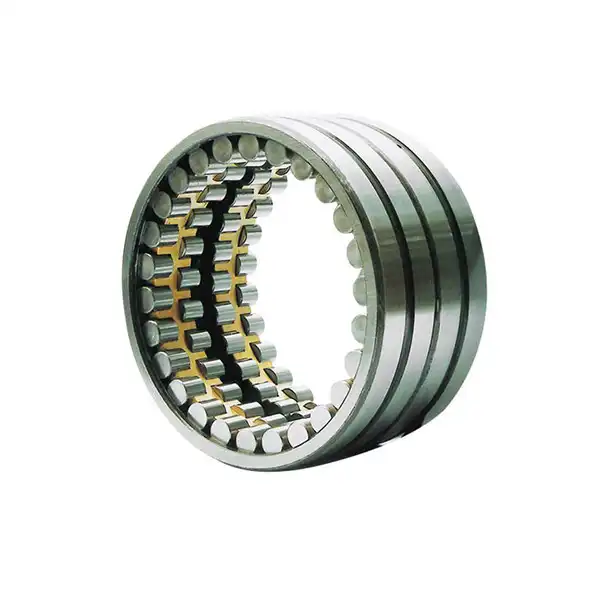
For lubricating bearings, there are a number of different methods, and each one has its own benefits for different operational needs. These days, more and more industrial uses need complex solutions that balance performance, ease of maintenance, and operational costs.
Traditional Grease Lubrication Systems
Lubrication with grease is still the most common way to maintain spindle bearings in many situations. Mineral base oils mixed with lithium-based greases work well in temperatures ranging from -30°C to +110°C and have great adhesion properties. When put under mechanical stress, these formulations don't separate, and the protective films stay in place even when the equipment is turned off.
Synthetic grease formulations greatly increase operational capabilities by providing better thermal stability and longer periods of time between relubrication. When polyurea thickeners are mixed with synthetic base oils, they can be used at high temperatures while keeping the same viscosity properties. These advanced formulations are especially useful in situations where temperatures change or where the product is used for a long time.
Grease formulations that include solid additives like molybdenum disulfide or PTFE work better in high-performance applications. These compounds make bearings last longer in tough conditions by increasing their load-carrying capacity and lowering their friction coefficients. When making a choice, it's important to think about how well it will work with existing sealing systems and maintenance methods.
Advanced Oil-Based Lubrication Systems
When a medium-speed application needs continuous lubricant circulation, oil bath lubrication is better. This method does a great job of getting rid of heat and lets you check for contamination in real time using oil analysis programs. However, the right design of the seal is needed to stop leaks and keep oil levels steady.
For high-speed spindle applications, oil mist systems are a big step forward. These systems send precisely measured amounts of lubricant directly to the bearing surfaces. This cuts down on churning losses and makes sure that the right film forms. The technology needs special delivery systems and air filtering systems to work well, but it does a great job in tough situations.
Oil-air lubrication systems are the most advanced way to keep high-speed machinery's spindle bearings cool. Using compressed air as a carrier medium, these systems deliver exact amounts of lubricant. This lets them work at very high speeds with very little power loss. The technology needs a big investment up front, but it has big operational benefits like using less energy and making bearings last longer.
Comparative Analysis of Lubrication Methods
To evaluate lubrication methods, you need to compare them in a structured way across a number of performance criteria that have a direct effect on operational efficiency and total ownership costs. Each method has its own pros and cons that need to be weighed against the needs of the application and the resources of the organization.
Performance Under Varying Operating Conditions
Different types of lubrication have very different speed limits. Because it creates heat and churns up oil, grease lubrication usually only works at moderate speeds. With oil bath systems, you can go faster and better control the temperature at the same time. Oil-air systems can work at the fastest speeds with the least amount of friction, which makes them perfect for high-precision machining tasks.
Different approaches have very different temperature management abilities. Grease systems depend on the ability of bearing parts to transfer heat, which can lead to hot spots at high speeds. Oil circulation systems take heat away from areas that carry loads, which keeps temperatures more evenly spread. New synthetic formulas make the temperature ranges where they can be used bigger while still keeping the lubricant properties.
How the load is handled for spindle bearings depends on how thick the lubricant film is and how fast it is replaced. Grease systems are great for spreading out loads, but the film may break down in harsh conditions. Moving the oil around makes sure that the film is always being renewed, which supports higher load capacities. The choice is based on the operational duty cycles and load profiles.
Maintenance Requirements and Operational Impact
Maintenance schedules have a big effect on how much equipment costs to run and how often it can be used. Grease lubrication usually needs to be done on a regular basis, either based on operating hours or calendar dates. Condition-based maintenance can be done on oil-based systems through analysis programs. This could extend the time between service visits and give early warning of problems that are starting to happen.
The amount of work needed varies a lot between systems. Simple applications of grease don't require a lot of technical know-how, but setting up and maintaining oil-air systems do. Training needs and spare parts inventory must be taken into account when figuring out the total cost.
The amount and type of contamination affects how often and how hard the maintenance is. Grease systems naturally keep out contamination because they have physical barriers. Filtration and monitoring equipment are needed for oil circulation systems, but the system itself can get rid of contamination.
Economic Considerations and Total Cost Analysis
The cost of the initial investment can be very low for simple grease systems or very high for complex oil-air installations. However, operational savings from longer bearing life, less energy use, and less maintenance often often make up for higher initial costs.
The costs of running a business include the lubricant used, the energy needed, and the labor needed for repairs. Grease systems keep ongoing material costs low, but bearings may need to be replaced more often. Oil circulation systems extend the life of bearings, but they cost more in lubricant and maintenance. The economic analysis needs to look at how important the equipment is and how unplanned downtime affects production.
How to Choose the Best Lubrication Method for Your Spindle Bearings?
Finding the best lubrication strategies requires a thorough analysis of operational parameters, maintenance capabilities, and long-term goals. The decision-making process has to find a balance between short-term cost concerns and long-term needs for performance and dependability.
Application-Specific Requirements Analysis
CNC machining centers need to be very precise and stable at high temperatures for long periods of time. Oil-air lubrication systems for spindle bearings keep bearing temperatures stable and provide accurate lubricant dosing, which is useful in these situations. When grinding at a high speed, similar skills are needed, but controlling vibrations and making sure the surface is smooth are even more important.
Applications that use milling machines usually run at moderate speeds with changing loads. Synthetic greases often strike the best balance between performance and ease of maintenance. For heavy-duty uses, special additives may be needed to handle shock loads and contamination.
The characteristics of the production environment have a big impact on the choice of lubricant. In clean manufacturing environments, complex oil circulation systems can work, but in harsh industrial settings, strong grease systems with better sealing protection may be better. Changes in the ambient temperature, humidity, and airborne contaminants all have an effect on how well and how long a system works.
Strategic Partnership and Technical Support
Working with experienced bearing manufacturers guarantees access to experts who know how to solve specific problems and ongoing technical support. INNO Bearing offers full engineering support, from the initial design of the system to its optimal operation. With more than 30 years of experience in the field, we can make custom solutions for a wide range of uses, even if the dimensions aren't standard (up to ±5000mm).
How well a supplier does with rapid prototyping, custom modifications, and technical training has a direct effect on how well the implementation goes. Having access to 3D modeling, performance simulation, and compatibility verification speeds up project timelines and lowers technical risks. Ongoing support, such as condition monitoring, troubleshooting help, and suggestions for upgrades, keeps equipment running at its best throughout its lifecycle.
Certain qualifications for suppliers are often needed for quality certifications and traceability requirements. Compliance with ISO 9001 and ISO/TS 16949 makes sure that quality standards and documentation are always the same. Dependability in the supply chain, which includes global distribution networks and emergency support, keeps operations from being interrupted.
Conclusion
Choosing the right lubrication method for spindle bearings is a big part of how reliable they are, how consistent their performance is, and how much they cost to own in precision manufacturing settings. For standard tasks, grease-based systems are easy to use and don't cost much. On the other hand, new oil-air technologies make it possible for superior performance in high-speed, demanding tasks. When making a choice, operational parameters, maintenance capabilities, and strategic goals must all be carefully thought through. By knowing the technical details, performance trade-offs, and economic effects of each approach, you can make smart choices that improve equipment performance while keeping costs low over its lifetime.
FAQ
What lubrication interval is recommended for high-speed CNC machine spindles?
Depending on speed, load, and environmental conditions, high-speed CNC applications usually need to be oiled every 500 to 2000 hours of use. Continuous lubricant delivery in oil-air systems can extend intervals to 3000–5000 hours, while grease systems usually need to be checked more often. Monitoring the condition is the most reliable way to figure out the interval.
How does oil-air lubrication compare to traditional grease methods in terms of performance?
Oil-air lubrication works better in high-speed situations because it accurately measures the lubricant, lowers friction losses, and better manages heat. Compared to grease systems, it uses 10–20% less energy and the bearings usually last 50–100% longer. However, the initial investment costs are much higher, and maintaining such a complex system requires specialized knowledge.
Can lubrication methods be changed during a bearing's operational life?
When the lubrication method changes, compatibility needs to be carefully looked at, and the system needs to be changed. When switching from grease to oil systems, they need to be cleaned thoroughly to get rid of any grease that might get in the way of the oil moving. It is important to check the compatibility of seals, the chemistry of lubricants, and any changes to the system to make sure that the transitions go smoothly without affecting the performance of the bearings.
Partner with INNO Bearing for Superior Spindle Bearing Solutions
INNO Bearing combines thirty years of precision manufacturing expertise with advanced lubrication engineering to create spindle bearings that perform better than expected. Our all-around approach includes P4 and P2 precision class bearings, custom engineering support, and suggestions for the best way to grease each application. Get in touch with our technical team at sales@inno-bearing.com to talk about your specific needs and find out how our spindle bearings manufacturer services can help your equipment work better, cost less to maintain, and last longer.
References
Harris, T.A. & Kotzalas, M.N. "Advanced Concepts of Bearing Technology: Rolling Bearing Analysis." Taylor & Francis Engineering Publications, 2019.
Eschmann, P., Hasbargen, L. & Weigand, K. "Ball and Roller Bearings: Theory, Design and Application." John Wiley & Sons Technical Publishing, 2018.
Khonsari, M.M. & Booser, E.R. "Applied Tribology: Bearing Design and Lubrication." John Wiley & Sons Industrial Press, 2020.
Hamrock, B.J., Schmid, S.R. & Jacobson, B.O. "Fundamentals of Fluid Film Lubrication." Marcel Dekker Mechanical Engineering Series, 2019.
Dowson, D. & Higginson, G.R. "Elasto-hydrodynamic Lubrication: International Series on Materials Science and Technology." Pergamon Press Engineering Division, 2021.
Stolarski, T.A. "Tribology in Machine Design." Industrial Press Technical Publications, 2020.

Learn about our latest products and discounts through SMS or email