- English
- French
- German
- Portuguese
- Spanish
- Russian
- Japanese
- Korean
- Arabic
- Greek
- German
- Turkish
- Italian
- Danish
- Romanian
- Indonesian
- Czech
- Afrikaans
- Swedish
- Polish
- Basque
- Catalan
- Esperanto
- Hindi
- Lao
- Albanian
- Amharic
- Armenian
- Azerbaijani
- Belarusian
- Bengali
- Bosnian
- Bulgarian
- Cebuano
- Chichewa
- Corsican
- Croatian
- Dutch
- Estonian
- Filipino
- Finnish
- Frisian
- Galician
- Georgian
- Gujarati
- Haitian
- Hausa
- Hawaiian
- Hebrew
- Hmong
- Hungarian
- Icelandic
- Igbo
- Javanese
- Kannada
- Kazakh
- Khmer
- Kurdish
- Kyrgyz
- Latin
- Latvian
- Lithuanian
- Luxembou..
- Macedonian
- Malagasy
- Malay
- Malayalam
- Maltese
- Maori
- Marathi
- Mongolian
- Burmese
- Nepali
- Norwegian
- Pashto
- Persian
- Punjabi
- Serbian
- Sesotho
- Sinhala
- Slovak
- Slovenian
- Somali
- Samoan
- Scots Gaelic
- Shona
- Sindhi
- Sundanese
- Swahili
- Tajik
- Tamil
- Telugu
- Thai
- Ukrainian
- Urdu
- Uzbek
- Vietnamese
- Welsh
- Xhosa
- Yiddish
- Yoruba
- Zulu
Spherical Roller Bearings for Mining and Cement Equipment
Spherical roller bearings are the most important part of effective operation in mining and cement equipment, which has to deal with heavy loads, tough environments, and long work cycles. These special bearings are made with double-row spherical roller designs that are great at supporting heavy radial loads and correcting for installation errors and shaft imbalance that are common in industrial settings. This detailed guide teaches purchasing managers, engineers, and dealers all they need to know about spherical roller bearing technology and how important it is for making sure machines work reliably in the tough mining and cement industries. This guide helps you make smart decisions that improve machine uptime, lower running costs, and strengthen supply chain partnerships in these tough industrial sectors by looking at selection criteria, maintenance strategies, and best practices for buying things.
Understanding Spherical Roller Bearings in Mining and Cement Applications
Design Features and Load Capabilities
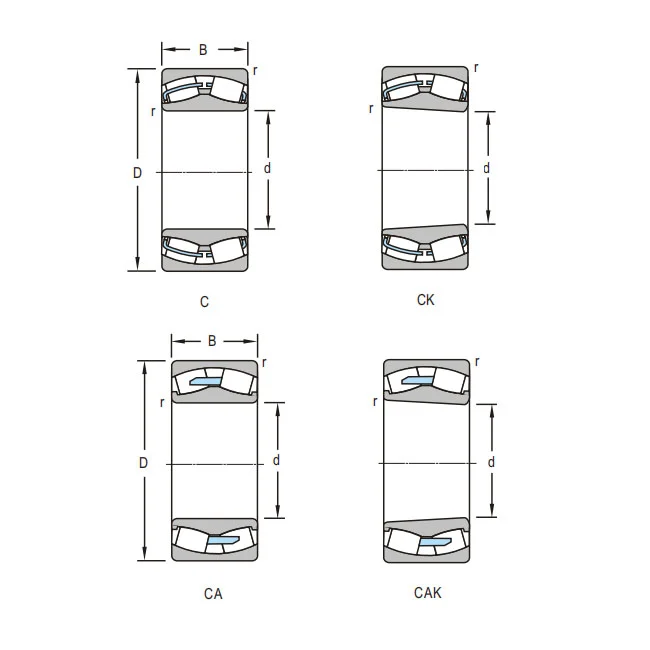
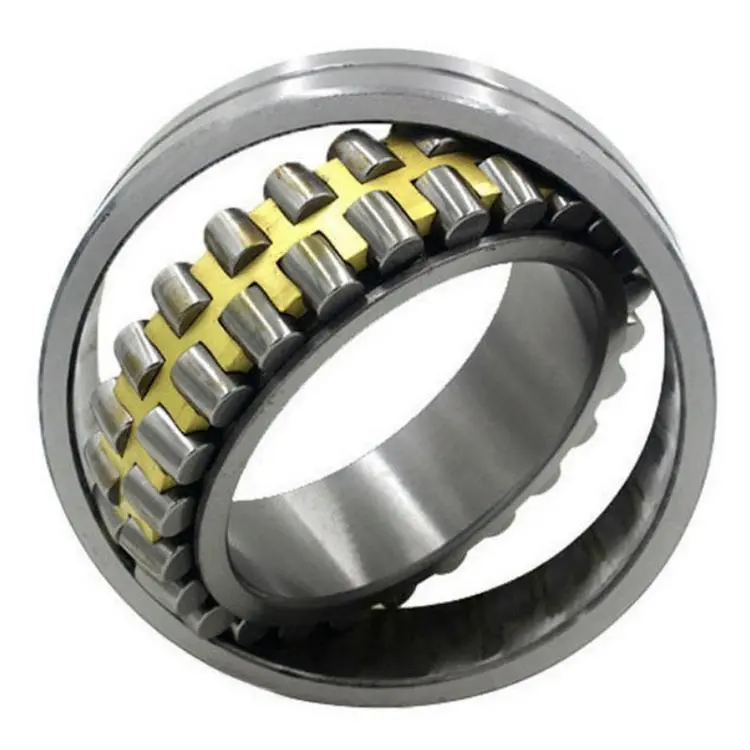
It is designed so that self-aligning roller bearings work well in harsh settings like mines and cement plants. The one-of-a-kind design has a circular track in the inner ring and two ribs on the outer ring. The inner ring holds two rows of rollers inside stamped steel or brass cages. This design gives great performance under heavy radial loads while still being able to handle rotational misalignment up to 2.5 degrees. This is very useful in situations where the shaft bends because of heavy machinery operation.
Because they are well-made, these bearings can handle radial loads of more than 2,000kN. This makes them perfect for drives in mine and cement sites that have crushers, mills, conveyors, and kilns. The design of a spherical roller bearing automatically accounts for the structural deformation and thermal expansion that happen in big pieces of industrial equipment that are used in harsh circumstances.
Material Specifications and Environmental Resistance
The high-quality materials used in these bearings were chosen to last in tough industrial settings. For normal uses, the inner and outer rings are made of GCr15 bearing steel. For heavy-load types, 42CrMo steel is used to make them stronger. The rollers are made from GCr15 bearing steel, which makes sure they work well even when they are under a lot of stress. For low-cost options, cages can be made of stamped steel. For uses that need better corrosion protection and heat stability, brass is used.
Size Range and Precision Standards
With inner diameters from 20mm to 1000mm, outer diameters from 47mm to 2000mm, and widths from 16mm to 300mm, the manufacturing standards can meet a wide range of equipment needs. Precision levels are made to meet P0 and P6 standards, which guarantees the accuracy of measurements that is needed for equipment to work reliably. Bearings with inner sizes of 50 mm or more can have 1:12 tapered holes added, and types with a diameter of 200 mm or more come with tapered holes already installed.
Comparing Spherical Roller Bearings with Alternative Bearing Types
Performance Advantages Over Traditional Bearing Solutions
For the best equipment performance, it's important to know the clear benefits of self-aligning roller bearings over other types of bearings when looking at bearing choices for mining and cement uses. Tapered Roller Bearings need to be perfectly aligned, but spherical types can handle being out of line without affecting their load capacity or service life. This quality is especially useful for big pieces of equipment that will naturally expand and bend when heated or cooled.
When compared to Cylindrical roller bearings, spherical roller bearing technology can handle more axial load while still being very good at handling rotational load. The ability to self-align gets rid of edge stress clusters that often cause rigid bearing designs to fail too soon. Even though self-aligning ball bearings can compensate for misalignment in the same way, they can't handle the loads that big mining and cement gear needs.
Specialized Options for Extreme Conditions
New bearing technologies solve problems that are unique to mine and cement production. Sealed versions offer IP66 security against dust and other contaminants getting in, which is very important for crushers and other heavy machinery that works in rough conditions. In high-temperature situations like kiln drives and hot material conveyors, ceramic roller choices offer better wear protection and less friction.
These specialized Solutions show measured gains in performance. For example, ceramic rollers lower wear rates by up to 40% in steel mills, and sealed designs increase service intervals by 60% in dusty mining environments.
Selecting the Best Spherical Roller Bearings for Procurement
Load Rating and Environmental Considerations
To choose the right bearing, you need to carefully consider practical factors such as the load size, speed needs, temperature ranges, and environmental conditions. Load rates need to take into account both static and dynamic forces, along with safety factors that are right for the job cycle of the application. It's especially important to think about temperature, since cement kilns can reach temperatures above 150°C, which means they need special cage materials and cooling systems.
Sealing needs and material choices are affected by things like dust contact, wetness levels, and chemical contamination in the environment. In mining, better safety against pollution is often needed, and equipment in a cement plant may need to be able to handle alkaline dust and thermal cycles.
Brand Evaluation and Supplier Considerations
Leading companies like INNO Bearing, SKF, NTN, FAG, Timken, NSK, and Koyo make a wide range of products that are used in industrial settings. Each brand has its own benefits when it comes to load size, level of accuracy, and special finishes. When you work with certified distributors, you can be sure that you will get real items, good expert help, and trustworthy control of the supply chain.
The choice between standard and custom bearing options is based on the needs of the application, the amount that needs to be ordered, and the delivery schedule. Custom spherical roller bearing designs may be necessary. However, standard choices usually work just as well and are less expensive for common mining and cement uses.
Maintenance, Troubleshooting, and Longevity Optimization
Proactive Maintenance Strategies
To get the most out of spherical roller bearing in tough mining and cement work, you need to use systematic care methods that include lubrication, controlling contamination, and keeping an eye on their state. The right timing for oil stops wear before it happens and keeps the machine running at its best temperature. Controlling contamination with effective seals and regular checking stops abrasive particles from getting in, which speeds up the wear and tear on bearings.
Condition tracking methods like vibration analysis, heat imaging, and oil analysis can spot problems with bearings early on. With these predictive maintenance tools, replacements can be planned for planned breaks instead of having to be done quickly in an emergency, which can throw off production plans.
Common Failure Modes and Prevention
Knowing how things usually go wrong helps you come up with good repair plans. Some common problems are not enough greasing, which causes surface fatigue, contamination, which causes abrasive wear, and misalignment, which causes stress buildup at the edges. Each type of failure has clear signs and preventative steps that, when used correctly, greatly increase the life of the bearing.
Case studies from real life show that proactive maintenance programs cut unplanned downtime by 70% and increase the life of bearings by 50% compared to reactive maintenance methods. Because of these changes, running costs have gone down and machine reliability has gone up.
Procurement and Transaction Guidance for Industrial Buyers
Sourcing Strategy Development
To effectively buy spherical roller bearing parts, you need to know how the market works, what the suppliers can do, and how much the whole thing will cost. Having ties with more than one provider guarantees a steady supply while allowing for competitive pricing. A lot of the time, buying in bulk saves money, especially for companies that need to buy a lot of bearings of the same size.
Pricing factors include more than just the initial buy price. They also include shipping times, the availability of expert help, and the terms of the warranty. Brand prices may be worth it if they offer better performance or a longer service life, while cheaper options may be better for less important uses.
Inquiry Preparation and Negotiation
To have a successful procurement process, you need to have detailed paperwork of your needs, such as dimensional specs, load ratings, working conditions, and delivery dates. Suppliers can give accurate quotes and suggest the best bearing options when they have detailed technical specs. Instead of just focused on the original price, negotiation tactics should take into account long-term partnerships, volume promises, and the need for expert support.
When judging a supplier, you should look at things like quality certifications, manufacturing skills, technical know-how, and help after the sale. When you look at the total cost of ownership and operating reliability, these things are often more important than small changes in costs.
Conclusion
Spherical roller bearings are very important parts of mining and cement equipment because they can handle a lot of weight and position themselves automatically, which makes sure they work well even in tough circumstances. To make the right choice, you need to carefully think about working parameters, environmental factors, and the total cost effects. Effective maintenance plans that include predicted tracking and proactive lubrication management greatly increase the life of equipment and decrease unexpected downtime. Building strong ties with suppliers, writing down detailed requirements, and figuring out the total cost are all important parts of successful buying. By making sure equipment is more reliable and costs are lower, investing in good bearing solutions and good upkeep habits pays off in a clear way.
FAQ
What size spherical roller bearing is needed for mining crushers?
Depending on the size and volume of the crusher, mining equipment usually needs bearings with an inner width of 200 mm to 800 mm. What size it is depends on the width of the shaft, the load that needs to be carried, and how it is mounted. Checking the specs provided by the equipment's maker makes sure that the right size is used for best results.
How often should bearings be replaced in cement plant equipment?
When to change bearings in a cement plant depends on how it is used, how well it is maintained, and what kind of equipment it has. Under harsh conditions, kiln drive bearings may need to be replaced every 18 to 24 months. On the other hand, secondary equipment bearings usually last 3 to 5 years with proper care. Condition tracking gives the most accurate information on when to replace something.
Are ceramic spherical roller bearings suitable for high-impact mining applications?
Ceramic rollers work well in places with a lot of heat and corrosion, but they might break if they are hit hard during strong shock loads. Combining ceramic wheels with steel races in hybrid designs makes them more resistant to wear while still being able to handle impacts. Application-specific evaluation tells us which kinds of mining tools will work best with them.
Partner with INNO Bearing for Premium Industrial Bearing Solutions
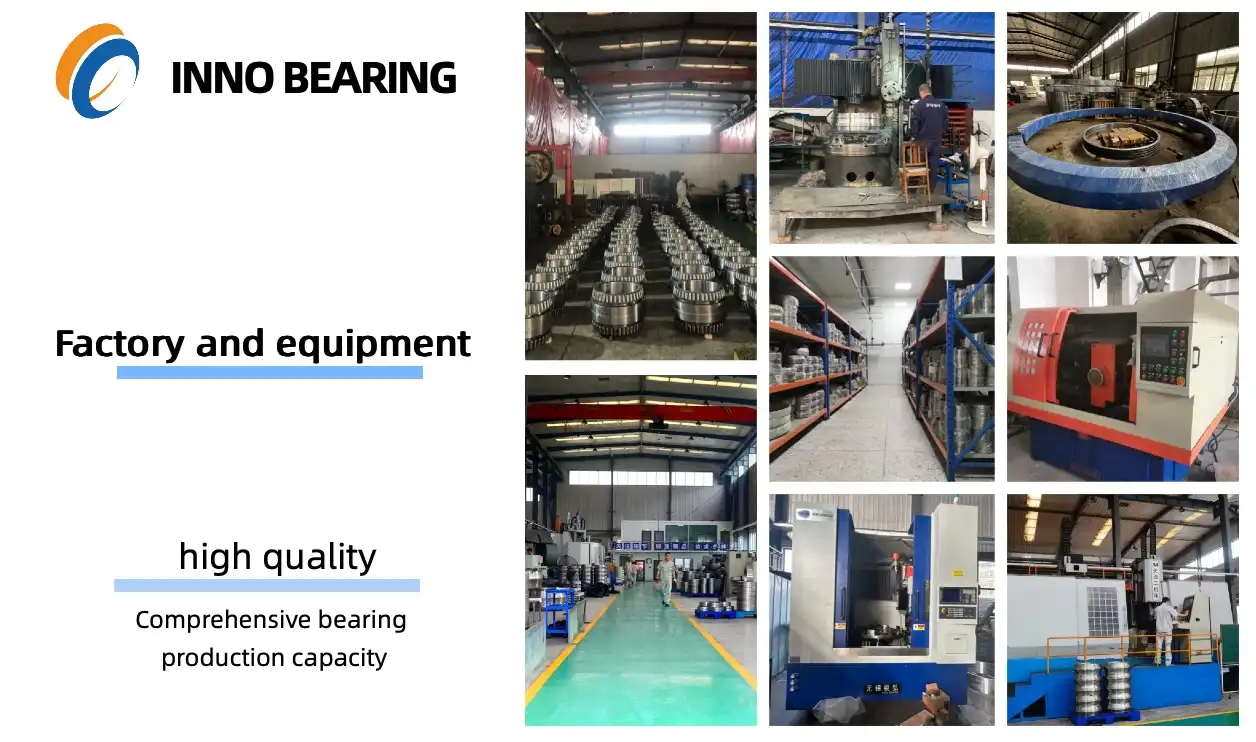
INNO Bearing stands as your trusted spherical roller bearing maker because they have almost 30 years of experience making bearings for heavy-duty industrial uses. Our wide range of services includes custom designs up to Ά5000mm and fast 15-day delivery for standard setups, which will help your mining and cement activities stay fully operational. As one of the biggest companies that sells spherical roller bearings, we offer full scientific support, precise production, and monitoring services after the bearings have been installed. Email our expert team at sales@inno-bearing.com to talk about your unique needs and find out how our tried-and-true bearing solutions can make your equipment more reliable while lowering the total cost of ownership.
References
International Organization for Standardization. "Rolling Bearings - Dynamic Load Ratings and Rating Life." ISO 281:2017, Geneva, Switzerland.
Harris, T.A., and Kotzalas, M.N. "Essential Concepts of Bearing Technology: Rolling Bearing Analysis, Fifth Edition." CRC Press, Boca Raton, 2019.
American Society for Testing and Materials. "Standard Specification for Steel Balls and Rollers." ASTM A295-14, West Conshohocken, PA.
Budynas, R.G., and Nisbett, J.K. "Shigley's Mechanical Engineering Design, Eleventh Edition." McGraw-Hill Education, New York, 2020.
International Organization for Standardization. "Rolling Bearings - Boundary Dimensions - General Plan." ISO 15:1998, Geneva, Switzerland.
Palmgren, A., and Lundberg, G. "Dynamic Capacity of Rolling Bearings." Journal of Applied Mechanics, Transactions of the American Society of Mechanical Engineers, Vol. 16, 1949.

Learn about our latest products and discounts through SMS or email