- English
- French
- German
- Portuguese
- Spanish
- Russian
- Japanese
- Korean
- Arabic
- Greek
- German
- Turkish
- Italian
- Danish
- Romanian
- Indonesian
- Czech
- Afrikaans
- Swedish
- Polish
- Basque
- Catalan
- Esperanto
- Hindi
- Lao
- Albanian
- Amharic
- Armenian
- Azerbaijani
- Belarusian
- Bengali
- Bosnian
- Bulgarian
- Cebuano
- Chichewa
- Corsican
- Croatian
- Dutch
- Estonian
- Filipino
- Finnish
- Frisian
- Galician
- Georgian
- Gujarati
- Haitian
- Hausa
- Hawaiian
- Hebrew
- Hmong
- Hungarian
- Icelandic
- Igbo
- Javanese
- Kannada
- Kazakh
- Khmer
- Kurdish
- Kyrgyz
- Latin
- Latvian
- Lithuanian
- Luxembou..
- Macedonian
- Malagasy
- Malay
- Malayalam
- Maltese
- Maori
- Marathi
- Mongolian
- Burmese
- Nepali
- Norwegian
- Pashto
- Persian
- Punjabi
- Serbian
- Sesotho
- Sinhala
- Slovak
- Slovenian
- Somali
- Samoan
- Scots Gaelic
- Shona
- Sindhi
- Sundanese
- Swahili
- Tajik
- Tamil
- Telugu
- Thai
- Ukrainian
- Urdu
- Uzbek
- Vietnamese
- Welsh
- Xhosa
- Yiddish
- Yoruba
- Zulu
4 Point Contact Ball Bearing vs Slewing Ring
When looking at rotational options for heavy-duty industrial uses, picking between a 4 point contact ball bearing and a slewing ring can have a big effect on how well the equipment works and how long it lasts. Both types of bearings are very good at what they do, but they are used for very different things in modern industrial machines. The 4 point contact ball bearing is best for high-speed, precise tasks where two-way load handling is necessary. On the other hand, slewing rings are best for large-scale spinning systems that need to handle huge loads and have built-in gear systems for wind turbines, cranes, and heavy machinery.
Understanding 4 Point Contact Ball Bearings and Slewing Rings
4 Point Contact Ball Bearing Design and Functionality
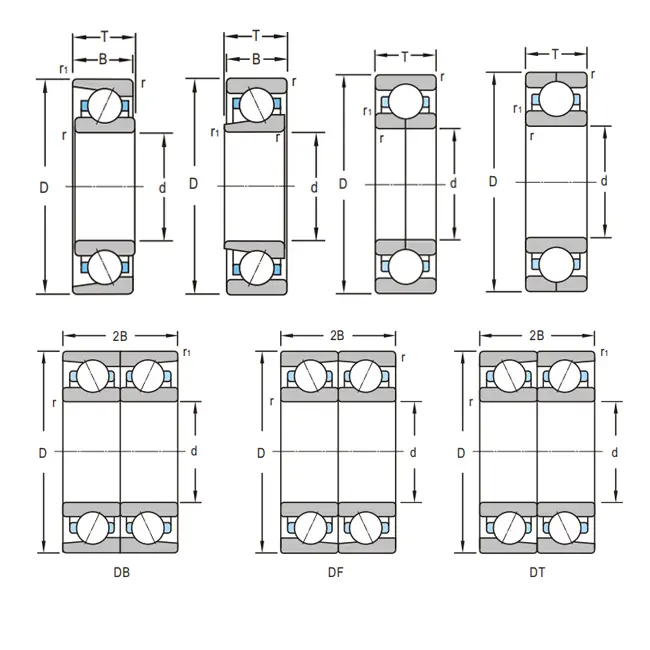
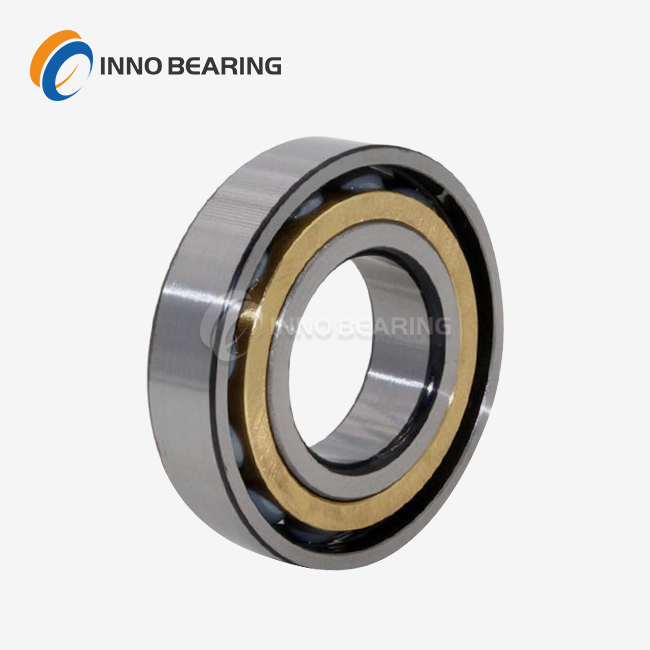
The 4 point contact ball bearing is a complex engineering solution made to handle axial loads going in both directions and radial loads going in the opposite direction at the same time within a single bearing system. This type of bearing has steel balls that touch the raceway at four different places. This makes the load distribution better than with regular ball bearings.
The structure is made up of an inner ring, an outer ring with double circular arc raceways, single-row steel balls, and brass or steel cages, based on the needs of the application. The fact that the inner and outer rings can be taken apart makes installation easier, which is especially helpful in small areas or with complicated machinery setups.
GCr15 or GCr15SIMN steel is usually specified as the material for both the rings and the rolling elements. This makes sure that the toughness is just right, between 60 and 64 HRC. Brass is used for high-speed applications and steel is used for heavy-duty situations. Precision grades range from standard P0 to ultra-precise P4 specs.
Slewing Ring Construction and Capabilities
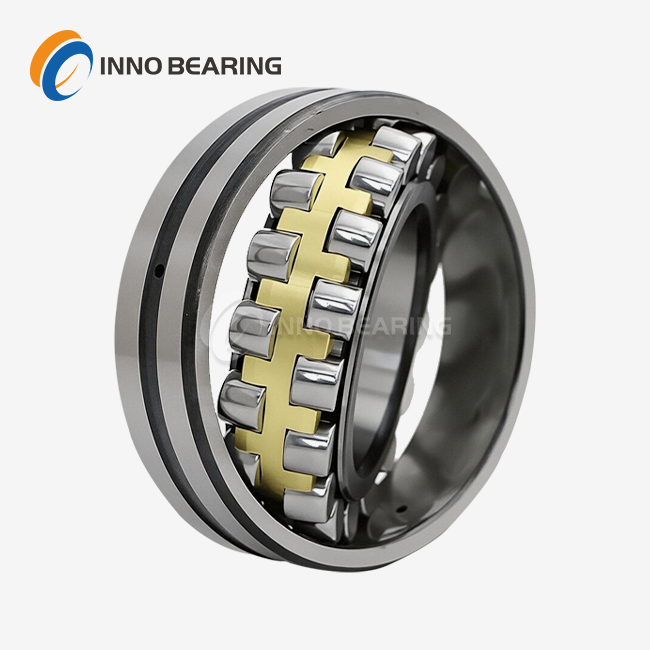
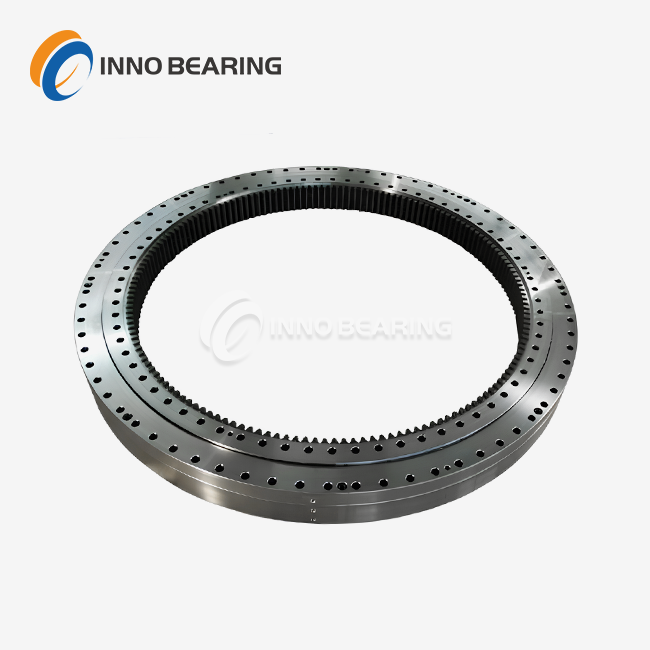
These are large-diameter rotary bearings called slewing rings, which are also called Slewing Bearings or turntable bearings. They are designed for uses that need to hold a lot of weight and rotate slowly. The structure of these bearings includes gear teeth right in the middle, so they can support rotating and drive functions in one part.
In wind turbine and crane applications, the diameter of a typical slewing ring is often more than several meters, which is much bigger than a standard bearing. The combined raceway design can handle axial, radial, and moment loads all at the same time. This makes them perfect for situations where loads are acting in more than one direction at the same time.
Material engineering is all about making things last in harsh environments. In naval and offshore settings, special treatments that prevent corrosion are especially important. Because the gears are built in, power can be sent directly, so many heavy machinery uses don't need separate drive systems.
Load Capacity and Performance Characteristics
The most important difference between these kinds of bearings is their ability to handle load. The 4 point contact ball bearing works great in situations where accurate load distribution is needed. It can handle loads ranging from 22 kN to 380 kN in the axial direction and 19 kN to 340 kN in the radial direction, and it can keep running at speeds of up to 15,000 RPM.
Slewing rings are most common in situations where a huge amount of weight needs to be moved. They can handle loads that are measured in hundreds of tons instead of kilonewtons. However, their operational speeds are still much slower, usually less than 100 RPM. This is because they are designed for high-load, low-speed uses.
Different types of bearings can handle very different temperatures. For example, 4 point contact ball bearings can work well from -50°C to 150°C, while slewing rings often have special sealing and lubrication systems to handle the harsh conditions found in mining and offshore applications.
Technical Comparison: 4 Point Contact Ball Bearing vs Slewing Ring
Load Handling and Distribution Analysis
The main difference in how each type of bearing handles loads comes from the different technical ideas that went into making them. The 4 point contact ball bearing has a better way of distributing load because each steel ball touches the raceway at four different places. This makes the stress distribution more even than in other bearing designs.
Because the contacts are set up in this way, the bearing can handle both axial and radial loads well. This makes it very useful in situations like machine tool spindles where accuracy and load variety are very important. Because the bearings can handle axial loads in both directions, they don't need to be paired in many situations. This makes system design easier and saves room.
Slewing rings handle loads by having a very large structure capacity instead of distributing them precisely. Because they are strong and have a large diameter, they can handle huge moment loads that would be too much for smaller bearing types. This makes them necessary for wind turbine yaw systems, where they have to support the weight of the whole nacelle while also letting it rotate for the best wind alignment.
Design Complexity and Installation Considerations
There are big differences in how to install these different types of bearings because they have different physical and working needs. The 4 point contact ball bearing has a separable ring design that makes installation easier in tight spaces that are popular in precision machinery.
For standard 4 point contact ball bearings, the inner diameter can be anywhere from 20 mm to 600 mm, the outer diameter can be anywhere from 47 mm to 1000 mm, and the width can be anywhere from 18 mm to 200 mm. This range of sizes can be used for a wide range of tasks, from small robotics parts to bigger industrial gear.
Because they are so big and heavy, slewing rings need to be installed in a special way. Often, a crane is needed to help with the exact alignment steps. The built-in gear teeth make installation more difficult, but they get rid of the need for different gear systems, which makes the design of the machinery easier overall.
Application-Specific Performance Scenarios
Performance improvement is very different depending on the needs of the application, and each type of bearing works best in certain situations. In turbochargers, where rotational speeds can go over 10,000 RPM while keeping precise axial positioning, the 4 point contact ball bearing works better than other types of bearings.
Robot joint uses show how flexible 4 point contact ball bearings are. These bearings can handle complex load combinations while keeping their positional accuracy, which lets machines do precise work. The small size makes it possible to fit into robotic assemblies with limited room without affecting performance.
Slewing rings are most common in situations where a lot of rotation is needed and the structure needs to be integrated. For example, in crane systems, they support the loads on the boom, allow rotation, and provide drive functions all at the same time. Wind energy uses may be the toughest place for slewing rings because they have to work reliably for decades in all kinds of weather while supporting nacelle assemblies that weigh several tons.
Decision-Making Guide: Choosing Between 4 Point Contact Ball Bearing and Slewing Ring
Critical Selection Criteria for Industrial Applications
An operational environment assessment is the first step in choosing the right bearings. This includes things like extreme temperatures, amounts of contamination, vibration, and how easy it is to do upkeep. The 4 point angular contact ball bearing works best in controlled manufacturing settings where speed and accuracy are more important than raw load capacity.
When you do a load demand analysis, you need to think carefully about not only the highest load values, but also how the loads change direction and how they change over time. 4 point contact ball bearings are usually best for applications with mostly axial loads and high-speed needs. On the other hand, slewing rings are better for applications with large moment loads and slow spinning.
When it comes to aerospace equipment or medical devices, where dimensional accuracy directly affects system performance, precision standards have a big impact on the choice of bearing. With P4 grade specs, the 4 point contact ball bearing can achieve runout tolerances of 3¼m or less, making it a very precise choice.
Brand Reliability and Quality Assurance
Global leaders in bearings like FAG, NSK, SKF, Timken, Nachi, KOYO, and NTN have built names for quality and dependability in both types of bearings. Manufacturers often have different levels of experience when it comes to 4 point contact ball bearings and slewing rings, though, because each technology needs its own unique set of skills.
Quality control procedures are very different for each type of bearing. For example, 4 point contact ball bearings need exact measurements and surface finish requirements, while slewing rings need strong structural integrity tests and gear tooth accuracy confirmation. Knowing what a manufacturer can do with your unique type of bearing will help you choose the best product.
Certification compliance is very important for uses in regulated fields like wind energy installations, medical devices, or aerospace. A lot of manufacturers offer certifications that are specific to your business. These can make the buying and installation processes easier while still meeting all the rules.
Cost Analysis and Total Ownership Considerations
Different types of bearings have very different pricing systems, which is because they are made in very different ways and need different materials. The 4 point contact ball bearing usually has lower starting costs, but it may need to be replaced more often in tough environments, which can change the total cost of ownership calculations.
Prices can change a lot when you order in bulk, especially for makers who need a lot of units for production lines or replacement stock. A lot of sellers offer volume discounts that can make the cost per unit a lot lower when you buy a lot of something.
When standard bearing sizes can't meet the needs of an application, customization prices need to be carefully looked at. Because it has a simpler structure, the 4 point contact ball bearing can often be customized more cheaply than the slewing ring, which may require large investments in engineering and tooling.
Company Introduction and Our Bearing Solutions
Three Decades of Bearing Excellence
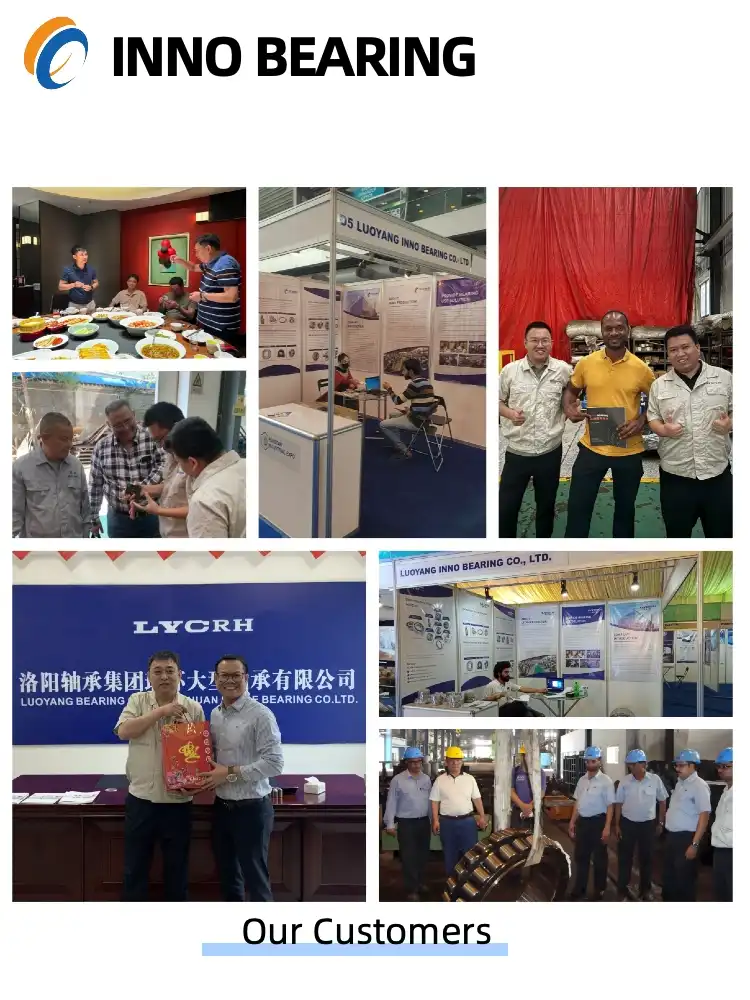
Luoyang INNO Bearing Co., Ltd. stands as a testament to engineering excellence and manufacturing precision in the global bearing industry. With nearly thirty years of dedicated experience, our company has evolved from a specialized manufacturer into a comprehensive solution provider, integrating research and development, design, production, and service capabilities under one roof.
Our expertise spans the complete spectrum of industrial bearing Solutions, from precision 4 point contact ball bearings to massive slewing rings reaching diameters of φ5000mm. This extensive capability range positions INNO Bearing as a single-source solution for complex industrial projects requiring multiple bearing types and specifications.
The company's commitment to innovation drives continuous investment in advanced manufacturing technologies and quality control systems. Our state-of-the-art testing facilities ensure every bearing meets stringent performance standards before shipment, providing customers with confidence in product reliability and longevity.
Comprehensive Product Portfolio and Customization Capabilities
Our 4 point angular contact ball bearing product line encompasses the complete size range from 20mm to 600mm inner diameter, manufactured using premium GCr15 and GCr15SIMN steel materials. Precision grades extend from standard P0 to ultra-precise P4 specifications, accommodating applications from general industrial use to critical aerospace and medical device requirements.
Advanced manufacturing capabilities enable customization solutions that address unique application challenges. Our engineering team collaborates with customers to develop bearing specifications that optimize performance while minimizing total cost of ownership through extended service life and reduced maintenance requirements.
Quality assurance protocols incorporate multiple inspection stages, including material integrity verification through spectral analysis, precision machining validation using 3D profilometry, and comprehensive performance testing under conditions exceeding rated loads. This systematic approach ensures consistent product quality across all manufacturing batches.
Global Service Network and Technical Support
INNO Bearing's global service network provides local support capabilities across major industrial markets, ensuring rapid response to customer needs regardless of geographic location. Our network includes strategically positioned inventory hubs that maintain common bearing sizes for immediate shipment.
Technical consultation services extend beyond product selection to encompass application engineering, installation guidance, and troubleshooting support. Our experienced engineers work directly with customer teams to optimize bearing performance and resolve operational challenges.
Warranty coverage and after-sales support demonstrate our confidence in product quality while providing customers with risk mitigation for critical applications. Comprehensive documentation packages facilitate customs clearance and regulatory compliance in international markets.
Conclusion
The selection between 4 point contact ball bearings and slewing rings ultimately depends on specific application requirements, operational parameters, and performance expectations. The 4 point contact ball bearing excels in high-speed, precision applications requiring versatile load handling capabilities, while slewing rings dominate large-scale rotational systems demanding massive load capacity and structural integration. Understanding these fundamental differences enables informed procurement decisions that optimize equipment performance and operational efficiency. Both bearing types offer distinct advantages when properly matched to application requirements, making careful evaluation of operational parameters essential for achieving optimal results in industrial applications.
FAQ
Which bearing type is optimal for high-speed precision applications?
The 4 point contact ball bearing represents the superior choice for high-speed precision applications due to its unique four-point contact geometry and separable ring design. These bearings can operate at speeds up to 15,000 RPM while maintaining precise axial and radial positioning, making them ideal for machine tool spindles, robot joints, and aerospace equipment where accuracy is paramount.
What are typical lead times for bulk bearing orders?
Lead times vary significantly based on bearing type and customization requirements. Standard 4 point contact ball bearings typically ship within 2-4 weeks for bulk orders, while custom specifications may require 6-8 weeks. Slewing rings generally require longer lead times due to their complex manufacturing process, often extending 8-12 weeks for standard sizes and up to 16 weeks for custom configurations.
How do 4 point contact ball bearings perform under combined high-speed and heavy axial load conditions?
The 4 point contact ball bearing design specifically addresses this challenge through its four-point contact geometry, which distributes loads more effectively than conventional bearing designs. These bearings can handle axial loads up to 380 kN while maintaining operational speeds above 10,000 RPM, though optimal performance requires careful consideration of lubrication systems and thermal management in demanding applications.
Partner with INNO Bearing for Superior Bearing Solutions
INNO Bearing combines three decades of manufacturing expertise with cutting-edge technology to deliver exceptional 4 point contact ball bearing solutions for your critical applications. Our comprehensive product range, from precision P4-grade bearings to heavy-duty industrial configurations, ensures optimal performance across diverse operational requirements. Contact our expert engineering team at sales@inno-bearing.com to discuss your specific bearing needs and discover why leading manufacturers worldwide choose INNO Bearing as their trusted 4 point contact ball bearing supplier for mission-critical applications.
References
Harris, T.A. & Kotzalas, M.N. (2019). Advanced Concepts of Bearing Technology: Rolling Bearing Analysis and Design Principles. Taylor & Francis Engineering Press.
Wernitz, B. & Vogel, H. (2021). Industrial Bearing Selection and Application Guidelines for Heavy Machinery Systems. International Journal of Mechanical Engineering Standards.
Chen, L. & Rodriguez, M. (2020). Comparative Analysis of Four-Point Contact Ball Bearings versus Slewing Rings in Wind Energy Applications. Renewable Energy Engineering Quarterly.
Thompson, R.J. & Anderson, K.P. (2022). Load Distribution and Performance Characteristics of Multi-Point Contact Bearing Systems. Journal of Tribology and Bearing Technology.
Miller, S.D. & Zhang, W. (2021). Maintenance Strategies and Longevity Optimization for Industrial Rotating Machinery Bearings. Mechanical Systems and Manufacturing Review.
European Bearing Manufacturers Association. (2023). Technical Standards and Quality Specifications for Precision Ball Bearings in Industrial Applications. EBMA Technical Publication Series.

Learn about our latest products and discounts through SMS or email