- English
- French
- German
- Portuguese
- Spanish
- Russian
- Japanese
- Korean
- Arabic
- Greek
- German
- Turkish
- Italian
- Danish
- Romanian
- Indonesian
- Czech
- Afrikaans
- Swedish
- Polish
- Basque
- Catalan
- Esperanto
- Hindi
- Lao
- Albanian
- Amharic
- Armenian
- Azerbaijani
- Belarusian
- Bengali
- Bosnian
- Bulgarian
- Cebuano
- Chichewa
- Corsican
- Croatian
- Dutch
- Estonian
- Filipino
- Finnish
- Frisian
- Galician
- Georgian
- Gujarati
- Haitian
- Hausa
- Hawaiian
- Hebrew
- Hmong
- Hungarian
- Icelandic
- Igbo
- Javanese
- Kannada
- Kazakh
- Khmer
- Kurdish
- Kyrgyz
- Latin
- Latvian
- Lithuanian
- Luxembou..
- Macedonian
- Malagasy
- Malay
- Malayalam
- Maltese
- Maori
- Marathi
- Mongolian
- Burmese
- Nepali
- Norwegian
- Pashto
- Persian
- Punjabi
- Serbian
- Sesotho
- Sinhala
- Slovak
- Slovenian
- Somali
- Samoan
- Scots Gaelic
- Shona
- Sindhi
- Sundanese
- Swahili
- Tajik
- Tamil
- Telugu
- Thai
- Ukrainian
- Urdu
- Uzbek
- Vietnamese
- Welsh
- Xhosa
- Yiddish
- Yoruba
- Zulu
RNU Bearings: Specification & Selection Guide
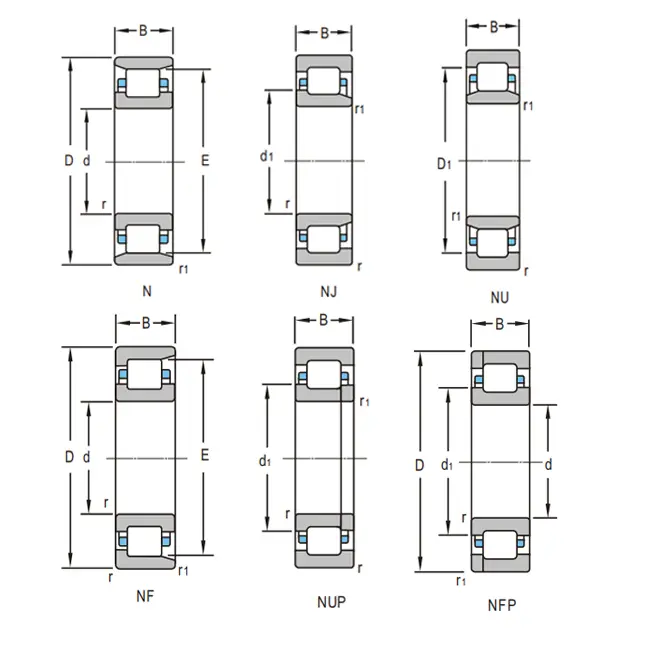
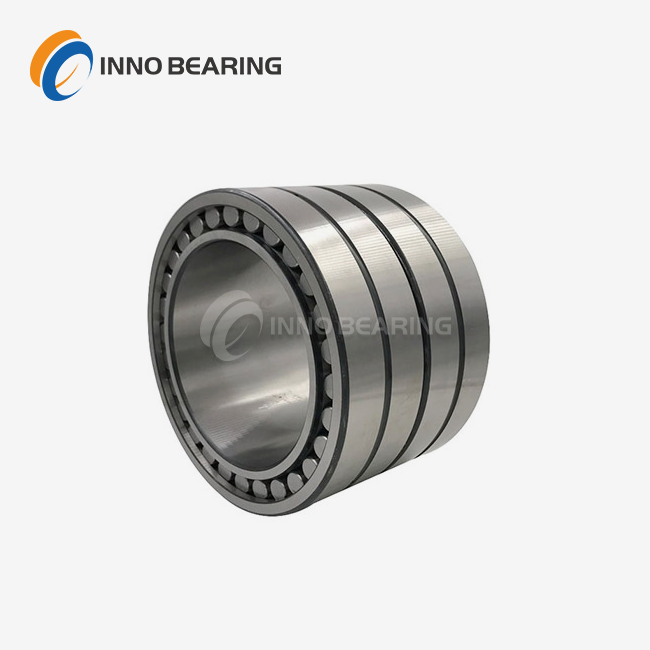
To choose the right RNU bearings, you need to know about their specific design features and the needs of your application. RNU bearings are a special kind of Cylindrical roller bearings that don't have inner rings. They can handle a lot of radial load and are easier to place. These bearings work great in situations where limited room calls for small designs that still meet high performance standards. To make sure the bearing works well and lasts a long time, the selection process looks at things like the load requirements, working conditions, precision needs, and environmental factors.
Understanding RNU Bearing Design and Construction
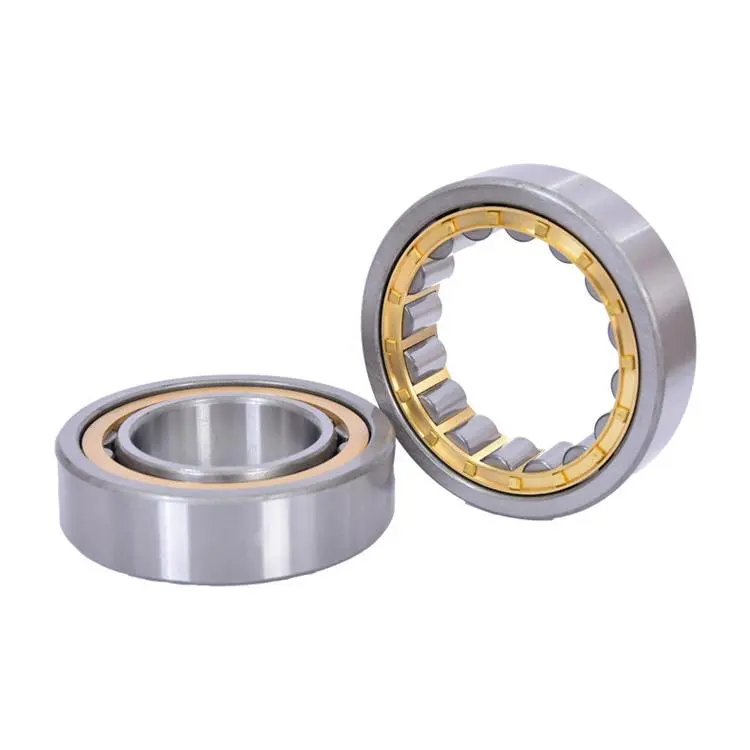
RNU bearings are built in a unique way that gets rid of the usual inner ring. This lets the rolling elements run straight on a hardened shaft. This new design lowers the overall height of the bearing assembly while keeping its great load-bearing capacity. The outside ring has precisely machined raceways that guide the cylinder-shaped rollers very exactly.
Steel or brass cages are usually used in the rolling element design to keep the rollers spaced correctly and stop them from skidding. This setup makes sure that the machine works smoothly even when the load changes. Because it doesn't have an inner ring, it's easier to install, especially in situations where saving room is important.
The choice of material is very important for how well a bearing works. High-carbon chromium steel is very strong and doesn't break down easily. Modern heat treatment methods improve the mechanical properties of metals, which makes bearings last longer in tough circumstances. Surface treatments may include coatings that make things less likely to rust in tough conditions.
Load Capacity Analysis and Performance Characteristics
Knowing the load ability is one of the most important parts of choosing the right bearings. These bearings are great at handling large radial loads, but they can't handle very much thrust load. When loads are spread out across circular rollers, they create even stress patterns that make parts last longer.
Ratings for dynamic loads rely on the shape of the rollers, the properties of the material, and how the contact stress is distributed. When engineers figure out comparable loads, they have to take both radial and axial force components into account. Load capacity estimates include safety factors that take into account things like shock loading, misalignment, and changes in speed.
Considerations about temperature have a big effect on how well RNU bearings work. Operating temperature changes the viscosity of the grease, the amount that the material expands, and the clearance relationships. Proper heat dissipation is needed to keep working conditions at their best. Thermal analysis helps figure out how much cooling is needed and how to choose the right grease.
Limits on speed depend on the type of cage, how it is oiled, and how much heat it produces. When working at high speeds, you need to pay close attention to the centrifugal forces that act on moving elements. Vibration research shows possible resonance problems that might damage the integrity of the bearing.
Application-Specific Selection Criteria
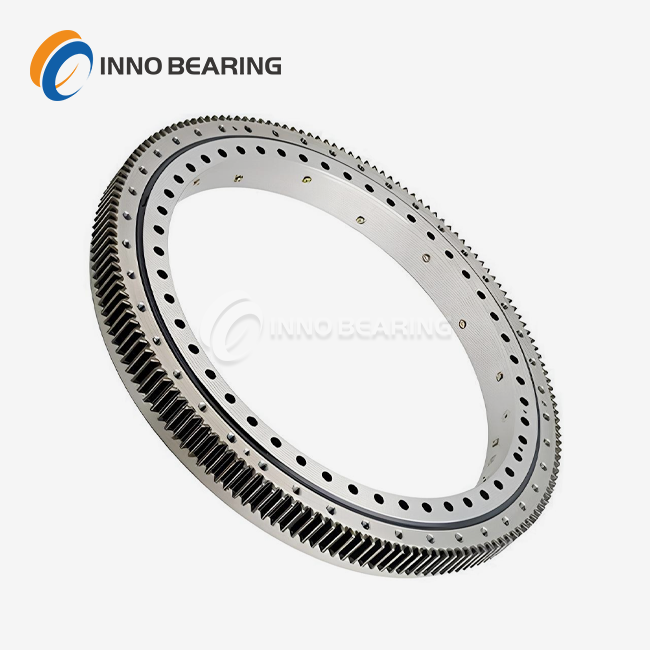
When used in wind energy uses, bearings need to be able to handle harsh environments and changing loads. For yaw and pitch control systems to work, they need to be able to precisely place angles while also handling large moment loads. Because wind loads change over time, fatigue resistance becomes very important.
For heavy machinery, the most important things are highest load capacity and strong construction. Bearings in excavators and cranes are put through pressure loads and direction changes all the time. When choosing bearings, these changing conditions must be taken into account so that the machine works reliably for long periods of time without needing to be serviced.
Mining equipment works in harsh settings where there is a big chance of contamination. Standard sealing methods have trouble with dust, water, and chemicals. To keep bearings from breaking down too soon, stronger protection steps are needed. Regular inspections and lubrication are easier to do when upkeep is easy to get to.
The saltwater that is used in marine and offshore applications makes corrosion problems special. Specialized materials and protective coatings keep their mechanical features even when they are attacked by chemicals. Certain testing methods and documentation standards may be required in order to get certified.
Precision Classes and Tolerance Requirements
Precision classification systems set limits on sizes and shapes that have a direct effect on how well bearings work. Standard precision classes are good for most industrial uses, while higher precision grades are used for specific tasks that need to be very accurate.
Tolerances for dimensions include differences in the inner diameter, the outer diameter, and the width. These factors change how to mount things and how much space there is between them. Tighter tolerances allow for more accurate fits, but they may make the installation process more difficult.
Tolerances in geometry determine how round the track is, how smooth the surface is, and how well it lines up. These things affect the amount of noise, the way the machine vibrates, and how smooth it runs generally. Modern production methods make it possible to get better geometric accuracy for tough uses.
Running accuracy standards describe how much the centerline of the shaft deviates while it is turning. Applications that need precise positioning have very strict standards for running accuracy. Measurement methods make sure that agreement with given tolerance bands is met.
Installation Guidelines and Best Practices
How the RNU bearings are installed has a big effect on how well they work and how long they last. Preparing the surface makes sure that the bearing parts and mating surfaces can touch each other properly. Minimum numbers for shaft hardness are usually required to keep things from wearing out too quickly.
Mounting methods change based on the size of the bearing and the needs of the application. Hydraulic fixing methods let you control the installation forces and keep precision parts from getting damaged. Thermal expansion methods make it easier to put together interference fits without using too much force.
Alignment checking stops things from breaking down too soon because they aren't lined up right. Accurate measuring tools can find angular and parallel misalignments that could cause dangerous stress concentrations. Alignment problems are fixed with corrective steps before operations begin.
Adjusting the clearance makes the bearing work best in certain situations. The amount of internal space changes how the load is distributed, how fast the temperature rises, and how loud it is. When choosing criteria, it's important to think about how thermal expansion and mounting affect the end operating clearance.
Lubrication Systems and Maintenance Strategies
Effective lubrication systems make sure that the film thickness between the areas of contact is right and protect against contamination and heat. When choosing a lubricant, it's important to think about the working temperature range, the load, and the environment.
For moderate-speed uses, grease lubrication is easy to use and doesn't let dirt get into the system. Consistency selection finds the best mix between flow and retention. When to re-oil depends on how hard the machine is being used and the weather.
Oil lubrication methods are better at getting rid of contamination and transferring heat. Filtration and cooling in circulation systems make lubricants last longer. Monitoring systems keep track of the condition and amount of contamination in the oil.
Condition monitoring tools for RNU bearings look for early warning signs that something might go wrong. Vibration analysis finds flaws that are starting to show up before they cause a major failure. Temperature monitoring shows problems with lubrication or situations with too much load. Oil analysis shows how things run down and where the contamination comes from.
Troubleshooting Common Issues and Solutions
Premature bearing failure often stems from inadequate lubrication or contamination ingress. Diagnostic techniques identify root causes and guide corrective actions. Failure analysis reveals patterns that inform preventive maintenance strategies.
Noise and vibration issues may indicate alignment problems, lubrication deficiencies, or component wear. Systematic evaluation isolates contributing factors and guides remedial actions. Frequency analysis distinguishes between different failure modes.
Temperature excursions signal potential problems requiring immediate attention. Thermal imaging identifies hot spots that could lead to lubricant breakdown or component damage. Cooling system modifications may become necessary for demanding applications.
Contamination control measures protect sensitive bearing surfaces from harmful particles and moisture. Sealing system upgrades enhance protection in challenging environments. Regular inspection procedures verify seal integrity and effectiveness.
Conclusion
Successful bearing selection requires comprehensive understanding of application requirements, operating conditions, and performance expectations. The unique design characteristics of these specialized bearings offer distinct advantages in space-constrained applications while delivering exceptional radial load capacity. Proper specification considers load analysis, precision requirements, environmental factors, and maintenance considerations. Professional engineering support ensures optimal bearing selection and application success across diverse industrial sectors.
Partner with INNO Bearing for Superior RNU Bearing Solutions
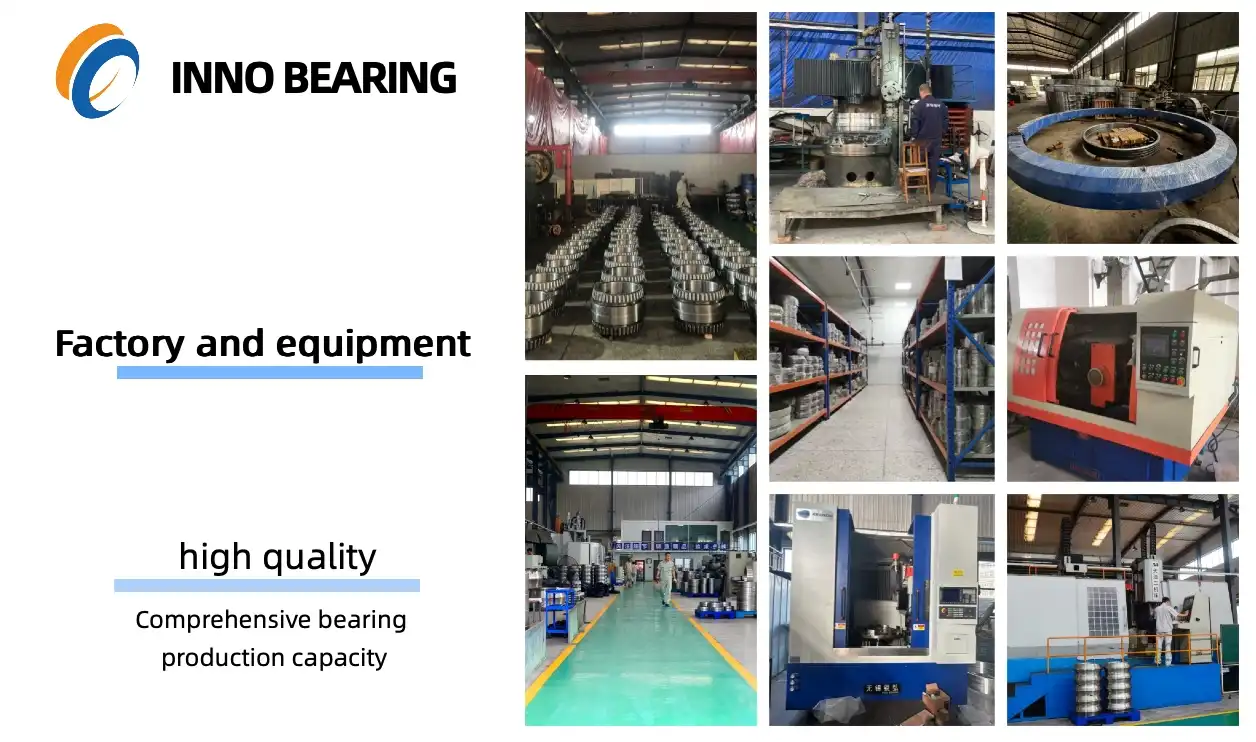
INNO Bearing delivers premium RNU bearings manufacturer expertise backed by nearly three decades of engineering excellence and precision manufacturing capabilities. Our comprehensive selection encompasses standard configurations and custom Solutions tailored to your specific operational requirements. Contact our technical specialists at sales@inno-bearing.com to discuss your bearing challenges and discover how our advanced manufacturing capabilities can optimize your equipment performance and reliability.
References
Harris, T.A. & Kotzalas, M.N. "Advanced Concepts of Bearing Technology: Rolling Bearing Analysis, Fifth Edition." CRC Press, 2007.
Eschmann, P., Hasbargen, L. & Weigand, K. "Ball and Roller Bearings: Theory, Design and Application, Third Edition." John Wiley & Sons, 1999.
Palmgren, A. "Ball and Roller Bearing Engineering, Third Edition." SKF Industries Inc., 1959.
Hamrock, B.J. & Dowson, D. "Ball Bearing Lubrication: The Elastohydrodynamics of Elliptical Contacts." John Wiley & Sons, 1981.
Tallian, T.E. "Failure Atlas for Hertz Contact Machine Elements, Second Edition." ASME Press, 1999.
Jones, A.B. "A General Theory for Elastically Constrained Ball and Radial Roller Bearings Under Arbitrary Load and Speed Conditions." Journal of Basic Engineering, 1960.

Learn about our latest products and discounts through SMS or email