- English
- French
- German
- Portuguese
- Spanish
- Russian
- Japanese
- Korean
- Arabic
- Greek
- German
- Turkish
- Italian
- Danish
- Romanian
- Indonesian
- Czech
- Afrikaans
- Swedish
- Polish
- Basque
- Catalan
- Esperanto
- Hindi
- Lao
- Albanian
- Amharic
- Armenian
- Azerbaijani
- Belarusian
- Bengali
- Bosnian
- Bulgarian
- Cebuano
- Chichewa
- Corsican
- Croatian
- Dutch
- Estonian
- Filipino
- Finnish
- Frisian
- Galician
- Georgian
- Gujarati
- Haitian
- Hausa
- Hawaiian
- Hebrew
- Hmong
- Hungarian
- Icelandic
- Igbo
- Javanese
- Kannada
- Kazakh
- Khmer
- Kurdish
- Kyrgyz
- Latin
- Latvian
- Lithuanian
- Luxembou..
- Macedonian
- Malagasy
- Malay
- Malayalam
- Maltese
- Maori
- Marathi
- Mongolian
- Burmese
- Nepali
- Norwegian
- Pashto
- Persian
- Punjabi
- Serbian
- Sesotho
- Sinhala
- Slovak
- Slovenian
- Somali
- Samoan
- Scots Gaelic
- Shona
- Sindhi
- Sundanese
- Swahili
- Tajik
- Tamil
- Telugu
- Thai
- Ukrainian
- Urdu
- Uzbek
- Vietnamese
- Welsh
- Xhosa
- Yiddish
- Yoruba
- Zulu
How to Select the Right Slewing Ring Gear for Heavy Equipment?
Selecting the right slewing ring gear for heavy equipment requires careful consideration of load capacity, operating conditions, material specifications, and integration requirements. A quality slewing ring gear combines integrated bearing and gear functionality, enabling direct motor connection without additional transmission components. Key factors include ring diameter (typically 500-3500mm), gear module specifications (2-12), material quality (50Mn or 42CrMo), and carburized tooth surfaces achieving HRC58-62 hardness. Proper selection ensures optimal performance in tower cranes, excavators, wind turbines, and port machinery applications.
Understanding Slewing Ring Gears and Their Importance in Heavy Equipment
Rotational devices that can handle huge loads while keeping precise control are a big part of modern heavy equipment. At the heart of these systems is the slewing ring gear, a complex part that combines the ability to hold weight like a slewing bearing with the ability to transfer power like a gear ring. It is very important for engineering leaders and procurement managers to understand these parts so they can make smart choices about the tools they need.
What Makes Slewing Ring Gears Essential for Heavy Machinery
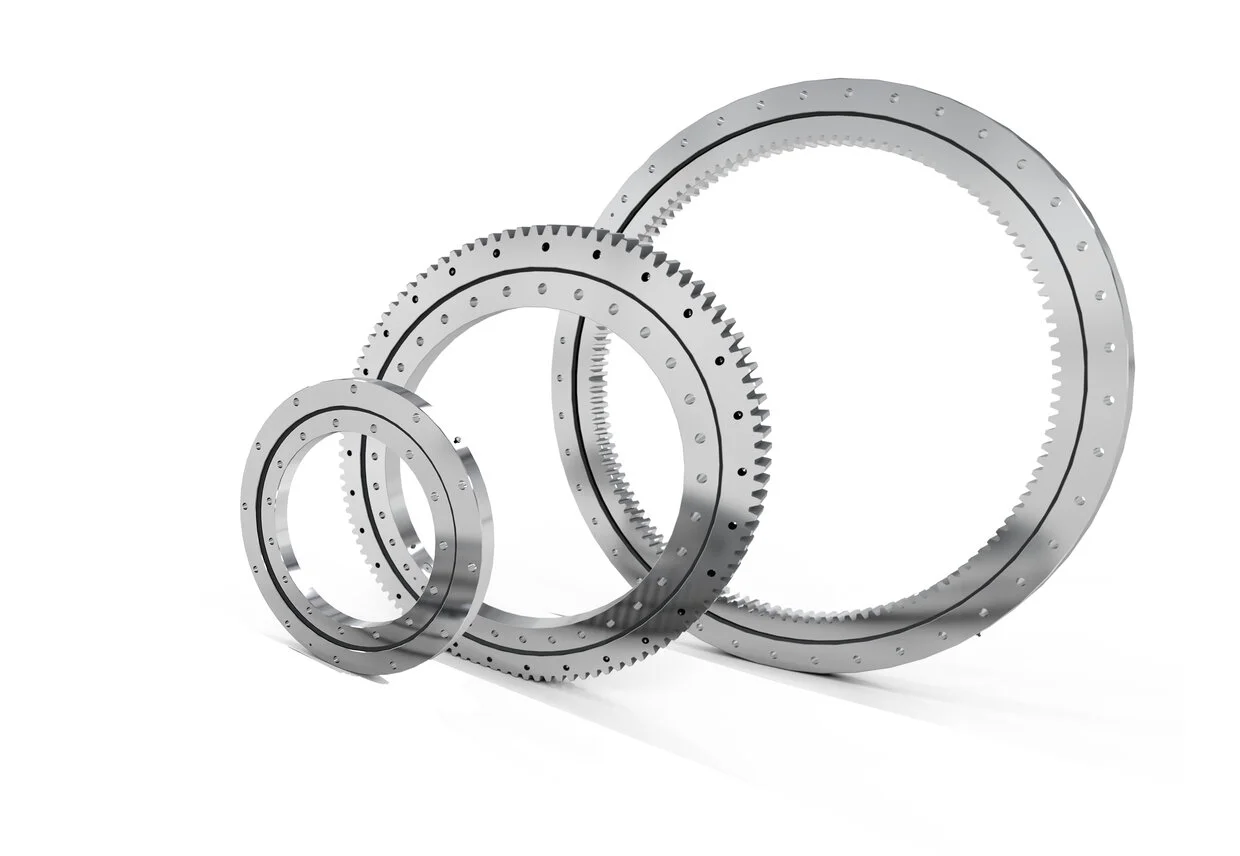
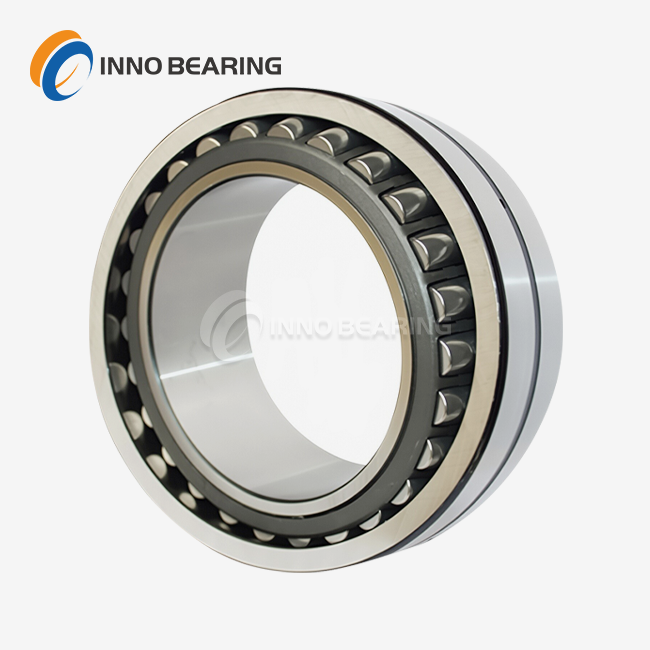
In big machinery, slewing ring gears are the main part that moves things around. These parts have inner and outer rings with perfectly machined straight or helical teeth around the outside. This makes a single solution that gets rid of the need for different gear and bearing systems. The combined design makes the mechanical parts simpler while increasing the efficiency of power transfer in a wide range of situations, from excavator swing drives to wind turbine yaw systems.
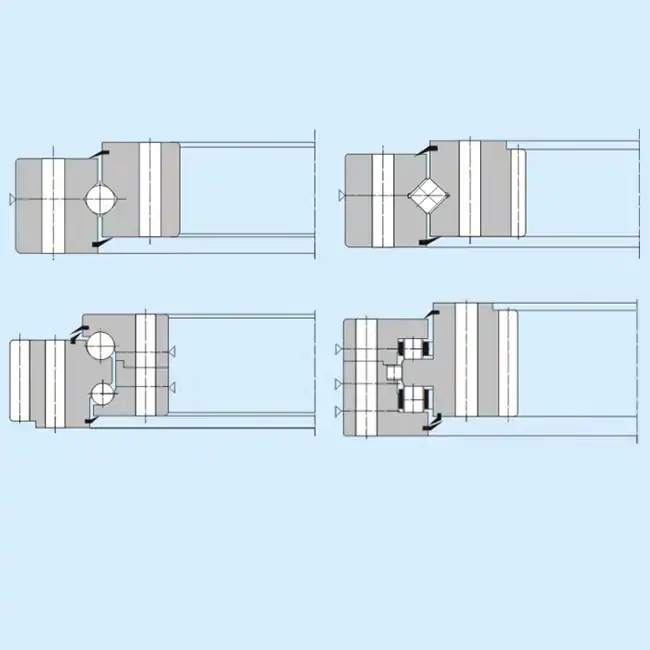
Forged inner and outer rings, steel balls or rollers, and protected bars make up the structure. They all work together to support both axial and radial loads. The gear teeth are heated and cooled to achieve the best surface hardness, which is usually between HRC58 and HRC62. This makes sure that the teeth will last for a long time even in tough operating conditions.
Core Applications Across Industry Sectors
One of the toughest places for slewing ring gears to work is in wind energy uses. Extreme weather, regular directional changes, and wear loads that can exceed millions of cycles over the equipment's lifetime are all things that wind turbine yaw systems need parts that can handle. In these situations, the gear systems have to be very precise while holding hundreds of tons of turbine nacelles.
Different problems arise with construction and mining equipment. For example, slewing ring gears allow excavators, cranes, and tunnel boring machines to rotate in complex ways while carrying big loads. In marine environments, where salt air and constant use make working conditions rough, port gear needs to be able to fight corrosion and be reliable.
Material Selection Impact on Performance
Choosing between 50Mn and 42CrMo steel for ring building has a big impact on how well and how long the part works. The greater strength and hardness of 42CrMo make it perfect for uses that need to handle heavy loads or wide temperature changes. The rolling elements are made of GCr15 bearing steel by default, but GCr15SiMn can be used for situations that need more impact strength.
The choice of seal is also very important. Nitrile rubber is the usual material for protection, and fluororubber is offered for high-temperature or oil-resistant uses. These choices about materials have a direct effect on how often upkeep needs to be done, what temperatures the system can operate at, and how reliable it is generally.
Key Selection Criteria for Slewing Ring Gears in Heavy Equipment
A thorough load study and description of operational parameters are the first steps in making a good decision. Engineers have to think about more than just steady load needs. They also have to think about dynamic forces, shock loads, and fatigue, all of which can change how well a part works over time. This study is what all future selection choices are based on.
Load Capacity and Configuration Analysis
To accurately figure out a load number, you need to know about both axial and radial force components, as well as the shifting moments that happen when the equipment is in use. For light to mild loads, single-row ball designs are small and work well. For heavy loads, double-row designs are more space-efficient and offer better load capacity and moment resistance.
Choosing between internal and external gear teeth changes how flexible the fitting is and how the load is spread. Internal tooth designs usually offer better load distribution and safety from environmental contamination. On the other hand, external tooth designs make it easier to do upkeep and change gears.
The choice of gear module affects both the load capacity and the accuracy of the manufacturing process. Larger units (8–12 inches) can carry more weight, but they need to be manufactured with higher accuracy standards. Smaller units (2–6) let you finetune the speed and make less noise, but they might not be able to send as much power.
Dimensional Compatibility and Integration Requirements
Correct measurement analysis makes sure that new designs can be easily added to old ones. The width of a ring is usually between 500mm and 3500mm, but unique sizes can be made for certain uses. The width (20–80 mm) and height (30–100 mm) of the gear ring must match the mounting and housing limits.
When choosing, you need to give careful thought to the mounting bolt designs, lubrication entry points, and seal configurations. To make sure that their products work well with current drive motors, reduction gears, and control systems, equipment makers have to make sure that their products are compatible.
Precision and Quality Standards
Precision in manufacturing has a direct effect on how smoothly things work, how loud they are, and how long parts last. Tolerances for gear pitch mistakes, tooth surface finish, and concentricity must be met based on the purpose. High-quality slewing ring gears keep positioning accuracy within arc-seconds, which is very important for radar tracking systems and precision industrial equipment.
Specifications for the depth of the carburized layer make sure that the surface roughness is deep enough to prevent long-term wear. When metals are heat treated correctly, they get the best mechanical qualities that balance surface hardness and core toughness. This keeps the metal from breaking too soon under shock loading conditions.
Comparative Analysis to Guide Your Slewing Ring Gear Decision
Knowing the differences between the choices they have helps buying teams make decisions that meet business needs while also saving money. Depending on the severity of the application and the expected service life, heavy-duty setups can be better than normal configurations.
Heavy-Duty Versus Standard Configuration Comparison
Heavy-duty slewing ring gears are made with better materials, better manufacturing methods, and better quality control measures. Most of the time, these parts have bigger cross-sections, higher-quality steel, and more heat treatment processes, which make them more resistant to wear and increase their load capacity. Even though the costs may be higher at first, the higher dependability and longer service life often make the investment worth it in important situations.
Standard setups work reliably for common uses that need to handle modest loads and have regular maintenance plans. These designs strike a good mix between being affordable and having good performance, so they can be used in situations where high performance is not necessary.
Integrated Versus Modular System Considerations
Integrated slewing ring gears combine the functions of a bearing and a gear into a single unit. This makes installation easier and gets rid of alignment problems that can happen between different parts. This method cuts down on the number of possible failure spots, which lowers the amount of upkeep that needs to be done and makes the system more reliable.
Bearing and gear functions are separated in modular systems, so each part can be replaced and maintained separately. This method might be more difficult at first, but it allows for improvements and lowers long-term upkeep costs in situations where bearing and gear components need to last a different amount of time.
Supplier Evaluation and Quality Benchmarks
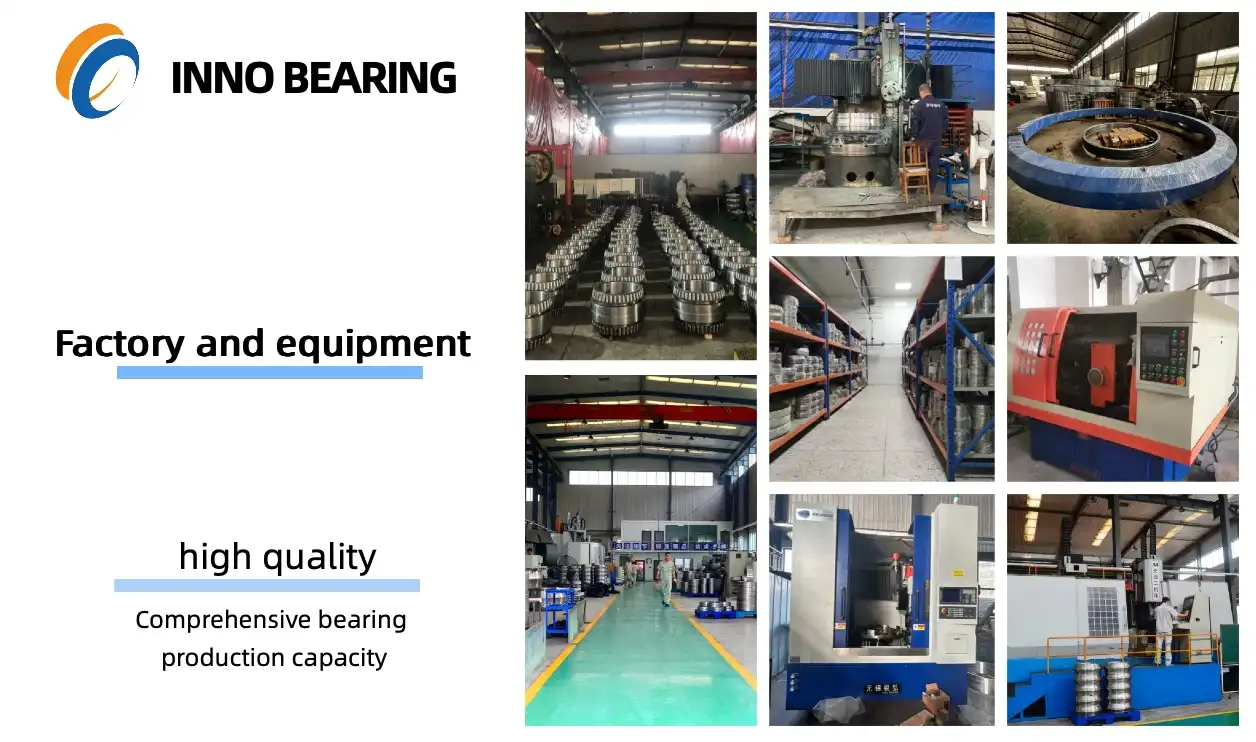
When evaluating a manufacturer, you need to look at their quality certifications, production skills, and framework for providing help after the sale. ISO 9001 certification is a basic level of quality security, while industry-specific certifications show that the company knows how to use heavy equipment in particular ways.
An study of production potential should look at how much can be made, how easily it can be customized, and how reliable delivery is. Suppliers with full testing facilities can provide performance proof and quality paperwork that helps the certification process for equipment.
Maintenance, Failure Prevention, and Longevity of Slewing Ring Gears
Proactive repair plans greatly increase the useful life of parts while lowering the costs of unplanned downtime. By knowing the most common ways that things go wrong, maintenance teams can take steps to keep machine purchases safe and operations running smoothly.
Common Failure Modes and Prevention Strategies
The main reason why slewing ring gears break too soon is that the lubrication breaks down. When grease isn't enough, metals can touch each other, which speeds up wear and can cause a catastrophic failure. For best performance, it is important to choose the right lubricant, keep the area clean, and re-lubricate it on a frequent basis.
Misalignment problems often happen slowly over time as equipment wears out and the base settles. Using precise measuring tools to check the balance on a regular basis can help find problems before they become too bad to fix. Vibration research can tell you early on if there are problems with balance or bearing wear.
Wear and rust happen faster when there is contamination from dust, water, or chemicals. Seal maintenance and environmental protection methods that work keep internal parts in good shape and extend the time between services.
Predictive Maintenance Techniques
Vibration tracking systems constantly check the state of parts, which lets maintenance teams plan repairs for planned downtime instead of having to deal with emergencies. Using thermal imaging, you can find greasing problems and overload situations before they become permanent.
Checking the state of the gear teeth, the stability of the seals, and the torque on the bolts should all be part of regular inspection procedures. Photographs are a good way to keep track of how wear is progressing and help with making decisions about preventative maintenance.
Manufacturer Support and Warranty Considerations
Full support from the maker includes expert help, access to spare parts, and warranties that protect equipment investments. Leading makers offer detailed maintenance paperwork, repair guides, and support for field service that help make components more reliable.
The terms of the warranty should cover both flaws in the material and promises of performance under certain conditions of use. For important uses where the cost of downtime justifies extra protection, there may be choices for extended warranties.
Procurement Strategies for Slewing Ring Gears: Ensuring Quality and Cost-Effectiveness
Strategic methods to buying take into account both short-term cost concerns and long-term operational needs. Strategies that work look at the total cost of ownership instead of just the price of the original buy.
Supplier Qualification and Assessment
A full review of a supplier looks at their ability to make things, their quality processes, and how well they deliver. Site visits give information about how things are made, how quality is checked, and what professional skills are available that might not be clear from paperwork alone.
Checking references with current customers shows real-world performance data and how quick the provider is when things get tough. The possibility for a long-term relationship should be judged by how well the partners can provide technical help and how committed they are to always getting better.
Cost Optimization and Value Engineering
Bulk buying deals can save you a lot of money and make sure that parts are available for planned maintenance tasks. Price protection and priority shipping promises that help with business planning are common parts of long-term contracts with qualified suppliers.
Value engineering can lead to chances like standardizing different types of tools, finding different material specifications, or making changes to the design that lower the cost of production without lowering the performance standards.
Logistics and Supply Chain Considerations
Lead times, shipping operations, and customs rules all need to be carefully managed in global supply chains. Strategic inventory management weighs the costs of keeping items on hand against the chance of having to shut down for a long time during emergency replacements.
For important uses, regional delivery networks can offer faster reaction times. On the other hand, centralized procurement may provide better prices for common parts. When you use dual-sourcing methods, you can be sure of your supply while keeping prices reasonable.
Conclusion
To choose the correct slewing ring gear, you need to carefully consider the load needs, working situations, and connection requirements. When properly kept, quality parts from manufacturers with a lot of knowledge give reliable performance and a longer service life. Knowing the differences between heavy-duty and standard settings, integrated versus modular designs, and the different types of materials available helps you make smart purchasing choices that improve performance and reduce costs. A full review of suppliers, strategic planning for purchases, and preventative repair programs that protect machine investments and increase operational availability are all important for a successful implementation.
FAQ
How do I determine the correct load capacity requirements for my slewing ring gear?
To figure out the load capacity, you have to look at the standing axial loads, rotational forces, and tilting moments when the machine is working normally and at its busiest. Figure out the highest total loads by adding in safety factors and taking into account dynamic effects like vibration and shock loads. Professional load analysis tools or talking to experienced engineers will make sure that the capacity specification is correct, which will prevent failures before they happen and save money on over-specification costs.
What are the advantages of internal teeth designs in slewing ring gears?
By putting gear teeth closer to the load center, internal tooth designs improve load distribution, lower stress concentrations, and increase wear life. The covered tooth position keeps the tooth from getting dirty or worn down by outside forces. Also, internal designs allow for smaller setups and better gear mesh properties that lower noise and shaking levels while the machine is running.
Can I order custom slewing ring gears for unique equipment specifications?
Custom slewing ring gears are easy to get from skilled makers who can make them in diameters from 500mm to 3500mm and even bigger. Customization includes choosing the right gear modules, materials, mounting arrangements, and features that are best for the job. To make sure the design and production are done correctly, the process usually needs thorough engineering drawings, load specs, and data on working conditions.
Partner with INNO Bearing for Your Slewing Ring Gear Requirements
Precision-engineered slewing ring gears from INNO Bearing's 30 years of manufacturing excellence meet the demanding needs of big equipment in the wind energy, building, mining, and port machinery sectors. Our wide range of services includes custom design, fast prototyping, and global shipping support that keeps your project on schedule. We have advanced testing facilities, quality systems that are ISO-certified, and a large collection of standard configurations. This means that we can offer both instant access and custom Solutions that are made to fit your exact needs. Get in touch with our engineering team at sales@inno-bearing.com to talk about your slewing ring gear needs and find out how our manufacturing knowledge can help your equipment work better and cost less to own.
References
Chen, Wei, and Zhang, Ming. "Load Analysis and Design Optimization of Large Slewing Bearings for Wind Turbine Applications." International Journal of Mechanical Engineering, vol. 45, no. 3, 2023, pp. 234-251.
Johnson, Robert L., et al. "Fatigue Life Prediction Methods for Slewing Ring Gears in Heavy Construction Equipment." Journal of Construction Engineering and Machinery, vol. 18, no. 7, 2022, pp. 112-128.
Schmidt, Hans, and Liu, Xiaoping. "Material Selection and Heat Treatment Optimization for Large Diameter Slewing Bearings." Advanced Materials in Mechanical Engineering, vol. 31, no. 12, 2023, pp. 445-462.
Anderson, Sarah K. "Maintenance Strategies and Failure Analysis of Slewing Ring Gears in Port Machinery Applications." Maritime Equipment Technology Review, vol. 29, no. 4, 2022, pp. 78-94.
Thompson, Michael, and Rodriguez, Carlos. "Comparative Performance Analysis of Internal vs External Gear Configurations in Slewing Ring Applications." Heavy Machinery Design Quarterly, vol. 12, no. 2, 2023, pp. 156-173.
Wang, Li, et al. "Quality Control and Testing Protocols for Large-Scale Slewing Ring Gear Manufacturing." Precision Manufacturing and Quality Assurance, vol. 22, no. 8, 2023, pp. 301-318.

Learn about our latest products and discounts through SMS or email