- English
- French
- German
- Portuguese
- Spanish
- Russian
- Japanese
- Korean
- Arabic
- Greek
- German
- Turkish
- Italian
- Danish
- Romanian
- Indonesian
- Czech
- Afrikaans
- Swedish
- Polish
- Basque
- Catalan
- Esperanto
- Hindi
- Lao
- Albanian
- Amharic
- Armenian
- Azerbaijani
- Belarusian
- Bengali
- Bosnian
- Bulgarian
- Cebuano
- Chichewa
- Corsican
- Croatian
- Dutch
- Estonian
- Filipino
- Finnish
- Frisian
- Galician
- Georgian
- Gujarati
- Haitian
- Hausa
- Hawaiian
- Hebrew
- Hmong
- Hungarian
- Icelandic
- Igbo
- Javanese
- Kannada
- Kazakh
- Khmer
- Kurdish
- Kyrgyz
- Latin
- Latvian
- Lithuanian
- Luxembou..
- Macedonian
- Malagasy
- Malay
- Malayalam
- Maltese
- Maori
- Marathi
- Mongolian
- Burmese
- Nepali
- Norwegian
- Pashto
- Persian
- Punjabi
- Serbian
- Sesotho
- Sinhala
- Slovak
- Slovenian
- Somali
- Samoan
- Scots Gaelic
- Shona
- Sindhi
- Sundanese
- Swahili
- Tajik
- Tamil
- Telugu
- Thai
- Ukrainian
- Urdu
- Uzbek
- Vietnamese
- Welsh
- Xhosa
- Yiddish
- Yoruba
- Zulu
Slewing Ring Gear Design Considerations for Structural Engineers
When it comes to heavy-duty structural engineering, slewing ring gear systems are one of the most important parts for making sure that rotational motion stays smooth even when loads are very high. These built-in bearing-gear assemblies support rotation and transfer power, which is why wind turbines, cranes, excavators, and port machinery can't work without them. Understanding how these parts are designed, what materials they need, and how they work lets structural engineers come up with reliable Solutions that meet strict performance standards while minimizing costs and maintenance needs over the course of their lifetime.
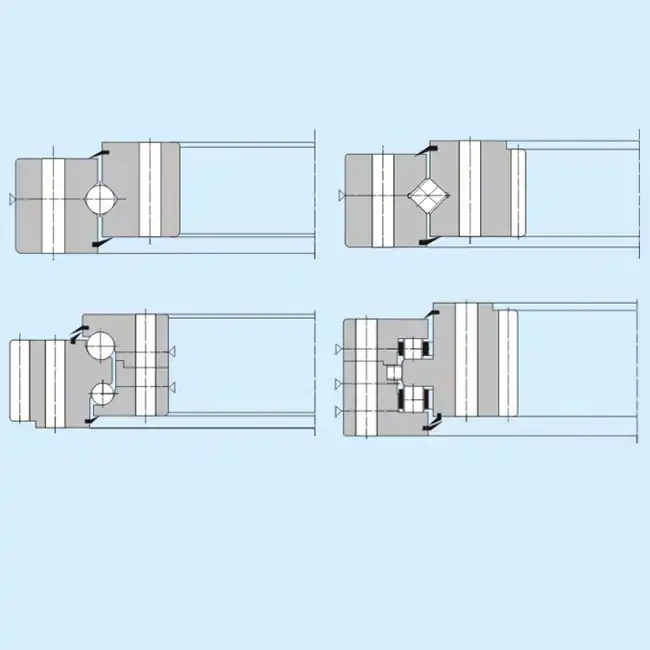
Understanding Slewing Ring Gears: Fundamentals and Design Principles
The basic design of Slewing Bearings with built-in gear structures is a sophisticated engineering solution that gets rid of the need for separate transmission parts. The inner and outer rings of these assemblies are machined with precise straight or helical teeth all the way around them. This lets them connect directly to motor gears for power transmission.
Core Construction Elements
There are a few important parts in modern slewing ring gear assemblies that all work together to make sure they work well. The inner and outer rings, which are usually made from high-strength 50Mn or 42CrMo steel, hold the whole system together. Rolling elements made of GCr15 bearing steel balls or rollers make rotation smooth and spread loads across the raceway surfaces. Steel cages keep the right distance between the rolling elements, which keeps them from touching and makes sure that the load is spread out evenly during operation.
The gear teeth go through special processes of quenching and carburizing to get their surface hardness to between HRC58 and HRC62. This makes them very resistant to wear in high-torque situations. Module sizes from 2 to 12 can handle a range of load requirements and rotational speeds. Helix-shaped tooth profiles make operation smoother and reduce noise compared to straight-tooth designs.
Design Principles for Load Distribution
Load distribution that works well is the most important part of designing a slewing ring gear. Engineers have to think about both axial and radial loads, as well as the moments of tilt that happen while the system is running. The bearing capacity is based on how the contact stress is spread across the rolling elements. This depends on the configuration that is chosen—single-row four-point contact for flexible dynamic loading or three-row roller designs for the highest static load capacity.
Criteria for choosing materials include more than just how strong they need to be. They also need to be resistant to fatigue, corrosion, and changes in temperature. Advanced heat treatment methods create microstructures that are perfectly balanced between surface hardness and core toughness. This keeps the material from breaking too soon when it is subjected to shock loads or cyclic stress.
Critical Slewing Ring Gear Design Considerations for Structural Engineers
For slewing ring gear systems to work well, the dimensions, load calculations, and environmental factors that affect long-term performance must all be carefully considered. To make sure there are enough safety margins for the whole expected service life, engineers have to look at both static and dynamic operational conditions.
Dimensional and Load Analysis Parameters
Finding the right outer ring diameter is the first step in accurate dimensional analysis. For heavy-duty uses, this diameter usually falls between 500mm and 3500mm. The width (20–80 mm) and height (30–100 mm) of the gear ring must be able to handle the torque and thrust loads needed for each application. When figuring out the load, you should take into account the highest operational stresses, such as emergency stops and the highest wind loads for outdoor installations.
When there are a lot of rotation cycles, dynamic load analysis becomes even more important. Excavators and other construction equipment may go through more than 500 rotation cycles every day. To figure out how long a bearing will last in real-world operating conditions, you need a strong fatigue analysis. Different loading patterns and exposure to extreme weather make wind turbine applications even more difficult, necessitating unique design approaches.
Material Selection and Heat Treatment Optimization
Choosing the right steel grades and heat treatment methods has a direct effect on how well bearings work and how long they last. High-purity 42CrMo steel has better tensile strength and fatigue resistance for tough jobs, while 50Mn steel is very tough for designs that need to be resistant to impact. Rolling elements made from GCr15 bearing steel always work well, and there are also GCr15SiMn versions that are available for better impact resistance in harsh working conditions.
Optimizing heat treatment involves carefully controlling the carburizing processes that make the surfaces harder while keeping the cores flexible. The effective hardness depth (EHT) usually goes beyond 3–4 mm to keep the surface from wearing down under heavy loads, and core hardness levels of 30–35 HRC are needed to absorb shocks.
Tooth Profile and Gear Design Optimization
The choice of tooth profile has a big effect on the load capacity, noise level, and service life. When it comes to manufacturing, involute gear profiles are more consistent and make it easier to predict how stress will be distributed. For precision applications, changing certain teeth can lower noise levels below 60 dB. For smooth power transfer, gear pitch accuracy is very important, and manufacturing tolerances are usually held to IT grade standards.
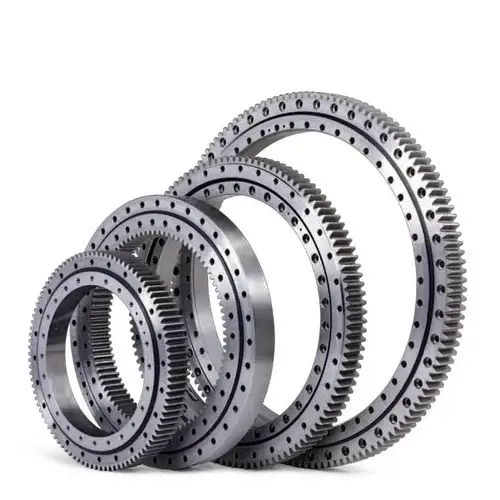
Common Challenges and Maintenance Best Practices
Performance problems are common for structural engineers and can have a big effect on how reliable equipment is and how much it costs to run. Knowing the most common ways that slewing ring gear break and using the right maintenance methods can help them last longer and have less unexpected downtime.
Identifying and Addressing Wear Issues
Surface pitting from not enough lubrication, raceway spalling from too much load, and gear tooth wear from being out of alignment or dirty are all common types of wear for slewing ring gear. Backlash usually means that the bearings are wearing out or that the preload is not set correctly. Unusual noise levels could mean that the lubrication is breaking down or that foreign particles are getting in.
The environment has a big impact on how fast things wear out. In marine environments with salt spray, you need special coatings that don't rust and better sealing systems. Ceramic-coated raceways and high-temperature lubricants are needed to keep high-temperature applications, like steel mill equipment that works above 120°C, running smoothly.
Lubrication and Inspection Protocols
The most cost-effective way to extend the life of bearings is to make sure they are properly oiled. When used in normal situations, high-quality lithium complex greases do a great job of protecting, but synthetic lubricants work better when exposed to high temperatures or chemicals. The amount of environmental contamination, operating speed, and load should all be taken into account when setting the lubrication intervals.
Modern technologies for monitoring conditions allow for predictive maintenance methods that make the best use of inspection schedules. Vibration analysis can find early signs of bearing wear, and thermographic inspection can show problems with lubrication or overloading. Measurements of the gear pitch error taken on a regular basis help show how wear is progressing and estimate the remaining service life.
Slewing Ring Gear vs Slewing Bearing: What Structural Engineers Need to Know?
Engineers can choose the best solutions for different tasks when they know the difference between integrated slewing ring gear assemblies and standard slewing bearings. Both parts provide rotational support, but they are very different in what they can do and how hard they are to design.
Functional Differences and Application Suitability
Standard slewing bearings focus primarily on rotational support and load management without integrated power transmission capabilities. These units require separate gear systems for active rotation, increasing system complexity and potential failure points. Integrated gear assemblies eliminate external transmission components by incorporating gear teeth directly into the bearing structure, reducing installation space and improving reliability.
Load capacity characteristics also differ between the two options. Three-row roller slewing bearings work best in applications that only need to support loads and don't need to rotate much. Integrated gear assemblies, on the other hand, make both load support and power transmission more efficient. Which one to use depends on whether the application needs active rotation control.
Procurement and Reliability Considerations
The choice of manufacturer for slewing ring gear has a big effect on long-term performance and support availability. Bearing manufacturers that have been around for a long time and have a lot of experience with different applications can help with engineering during the design phase, and a full warranty protects against failures before they happen. For maintenance planning, supply chain reliability is very important, especially for custom or large-diameter units that have long lead times.
Procurement Guide for Slewing Ring Gears in Structural Engineering Projects
Effective procurement strategies balance performance requirements, delivery schedules, and total cost of ownership considerations. For projects to be successful, vendors must be carefully evaluated and clear specifications must be written to ensure the best results.
Manufacturer Evaluation and Selection Criteria
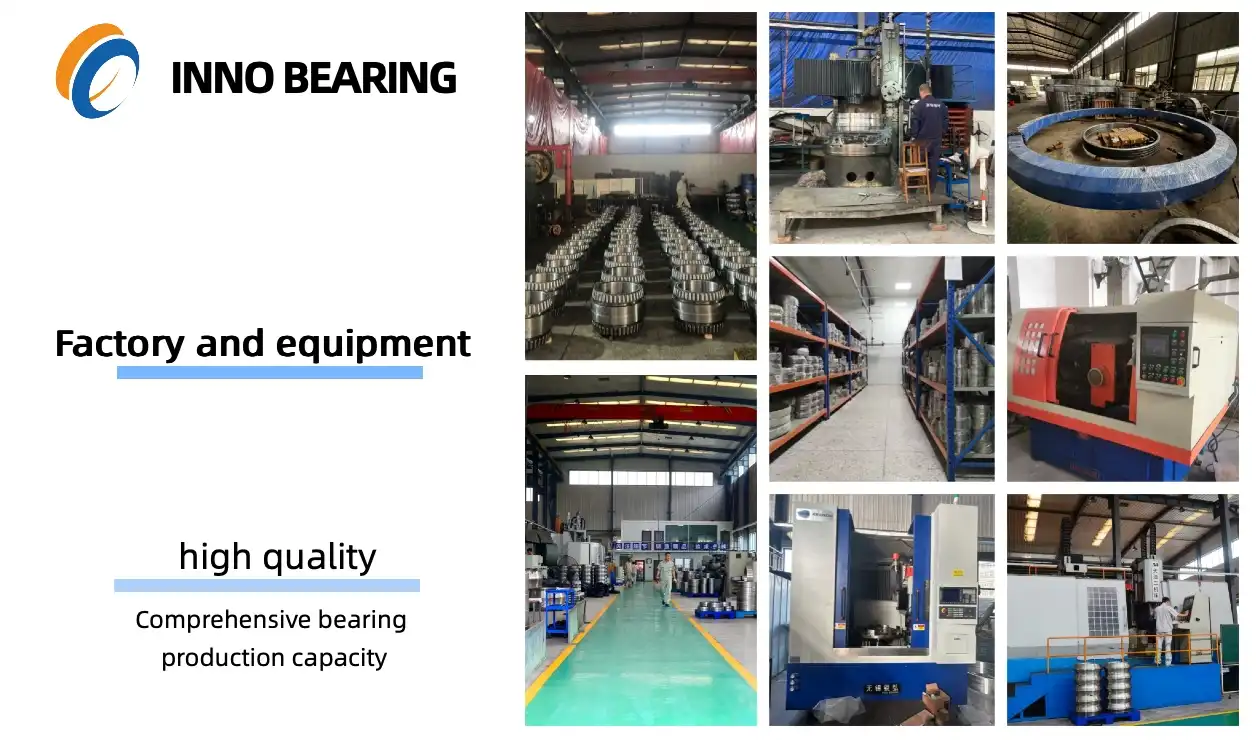
Leading manufacturers offer both advanced manufacturing skills and a wide range of technical support services. Production facilities that can handle diameters of up to 5000 mm give you options for big projects, and the ability to make rapid prototypes lets you test your design before going into full production. Quality certifications, such as ISO 9001 and standards specific to the industry, show that a company is dedicated to using consistent manufacturing methods.
As part of technical support, you should be able to offer pre-sales engineering help, such as 3D CAD modeling and finite element analysis validation. Long-term operational success is guaranteed by after-sales support, such as advice on condition monitoring and the availability of replacement parts. Regional distribution networks make it easier to help people in emergencies more quickly and for less money.
Ordering Process and Lead Time Management
Standard slewing ring gear configurations usually have shorter delivery times, and common sizes can be replaced in an emergency within 48 hours if they are in stock. Production times for custom designs range from 15 to 30 days, depending on how complicated they are and what size they need to be. Real-time production tracking systems let you see how the production is going and make sure that the project schedule is followed correctly.
Buying in bulk can save you a lot of money and make sure that parts are always available for maintenance programs. Long-term supply agreements with well-known manufacturers offer stable prices and first-choice production schedules for important uses. To get the best procurement results, proper vendor relationship management includes regular reviews of performance and efforts to keep getting better.
Conclusion
To use slewing ring gear systems correctly in structural engineering, you need to know a lot about design principles, material properties, and how the system is supposed to work. When compared to separate component approaches, combining bearing and gear functions saves a lot of space, makes the system more reliable, and makes maintenance much easier. Paying close attention to dimensional analysis, load calculations, and environmental factors will make sure that the product works at its best for the whole expected service life. The return on investment is maximized when maintenance protocols and condition monitoring strategies are followed correctly. Unexpected downtime risks are minimized.
FAQ
What are the key advantages of integrated slewing ring gears compared to separate bearing and gear systems?
Integrated designs get rid of extra transmission parts, making installation easier and lowering the risk of failure. The combined approach makes better use of space, more evenly distributes loads, and simplifies maintenance requirements. Direct motor connection capabilities enhance power transmission efficiency while lowering the weight and cost of the whole system.
How do material choices affect slewing ring gear performance in harsh environments?
Material selection significantly impacts corrosion resistance, temperature stability, and fatigue life. Specialized sealants and coatings that don't rust work well in marine settings, but high-temperature environments call for ceramic-coated raceways and synthetic lubricants. GCr15SiMn rolling elements are used in impact-resistant applications because they absorb shock better.
What maintenance intervals should be followed for optimal slewing ring gear performance?
Maintenance schedules depend on operating conditions, load factors, and environmental exposure. Lubrication service is usually needed every 500 to 1000 hours of operation for standard applications. In harsh environments, it may be necessary to do it more often. Predictive maintenance methods that adjust service intervals based on actual component condition instead of set schedules are made possible by condition monitoring technologies.
Partner with INNO Bearing for Superior Slewing Ring Gear Solutions
INNO Bearing delivers three decades of specialized expertise in manufacturing precise slewing ring gear assemblies for tough structural engineering tasks. Our advanced production methods allow us to make custom designs up to φ5000mm and deliver them within 15 to 20 days. We also stick to strict quality standards, such as using carburized gear teeth and P4-level accuracy. Our engineering team can help you with everything from the initial design to the end of the product's life, whether you need standard configurations or custom solutions for wind energy, heavy machinery, or port applications. Email our slewing ring gear manufacturer team at sales@inno-bearing.com to talk about your specific needs and find out how our tried-and-true solutions can improve the performance and reliability of your next project.
References
International Organization for Standardization. "Rolling Bearings - Slewing Bearings - Part 1: Design and Application Guidelines." ISO Technical Report, 2019.
American Gear Manufacturers Association. "Design Manual for Enclosed Epicyclic Gear Drives." AGMA Standard 927-B97, Revised 2018.
Zhang, L., Chen, W., & Liu, S. "Fatigue Life Analysis of Large-Scale Slewing Bearings Under Variable Loading Conditions." Journal of Mechanical Engineering Science, Vol. 235, 2021.
European Committee for Standardization. "Cranes - Slewing Bearings - Part 2: Period Verification of Capacity." EN 12644-2:2014+A1:2018.
Wind Power Engineering & Development. "Advanced Bearing Technologies for Next-Generation Wind Turbine Applications." Technical Review, March 2022.
Society of Automotive Engineers. "Rolling Element Bearings for Heavy-Duty Applications - Design and Testing Standards." SAE J1815 Revised, 2020.
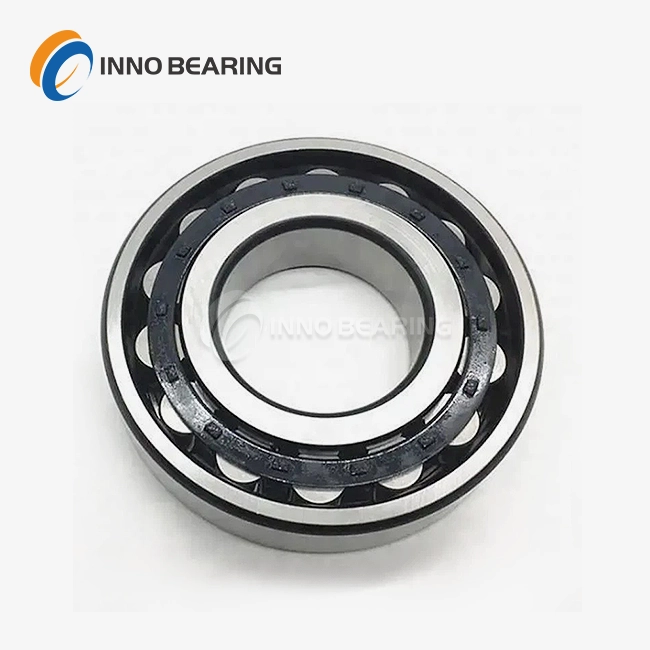

Learn about our latest products and discounts through SMS or email