- English
- French
- German
- Portuguese
- Spanish
- Russian
- Japanese
- Korean
- Arabic
- Greek
- German
- Turkish
- Italian
- Danish
- Romanian
- Indonesian
- Czech
- Afrikaans
- Swedish
- Polish
- Basque
- Catalan
- Esperanto
- Hindi
- Lao
- Albanian
- Amharic
- Armenian
- Azerbaijani
- Belarusian
- Bengali
- Bosnian
- Bulgarian
- Cebuano
- Chichewa
- Corsican
- Croatian
- Dutch
- Estonian
- Filipino
- Finnish
- Frisian
- Galician
- Georgian
- Gujarati
- Haitian
- Hausa
- Hawaiian
- Hebrew
- Hmong
- Hungarian
- Icelandic
- Igbo
- Javanese
- Kannada
- Kazakh
- Khmer
- Kurdish
- Kyrgyz
- Latin
- Latvian
- Lithuanian
- Luxembou..
- Macedonian
- Malagasy
- Malay
- Malayalam
- Maltese
- Maori
- Marathi
- Mongolian
- Burmese
- Nepali
- Norwegian
- Pashto
- Persian
- Punjabi
- Serbian
- Sesotho
- Sinhala
- Slovak
- Slovenian
- Somali
- Samoan
- Scots Gaelic
- Shona
- Sindhi
- Sundanese
- Swahili
- Tajik
- Tamil
- Telugu
- Thai
- Ukrainian
- Urdu
- Uzbek
- Vietnamese
- Welsh
- Xhosa
- Yiddish
- Yoruba
- Zulu
Comparison of Slewing Bearing Types and Their Applications
There are different types of Slewing Bearings that can be used to support the rotation of large industrial gear. Knowing about these types will help the machines work better. Different kinds of machines, like wind turbines and excavators, depend on these special bearings to keep them going. Depending on the load, the environment, and the level of accuracy needed, each type has its own pros and cons. Whether you're making heavy machinery or buying parts for renewable energy projects, picking the right bearing configuration has a direct impact on how well the machine works, how often it needs to be serviced, and the total cost of ownership.
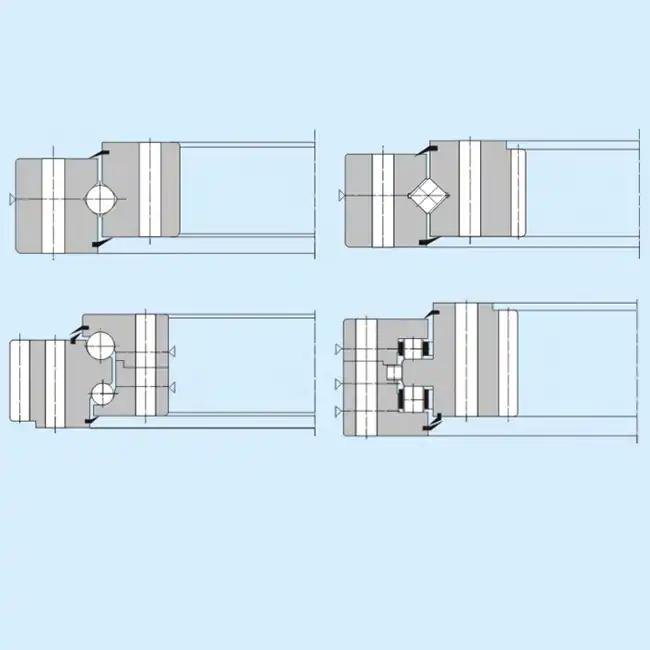
Understanding Slewing Bearings: Types and Core Features
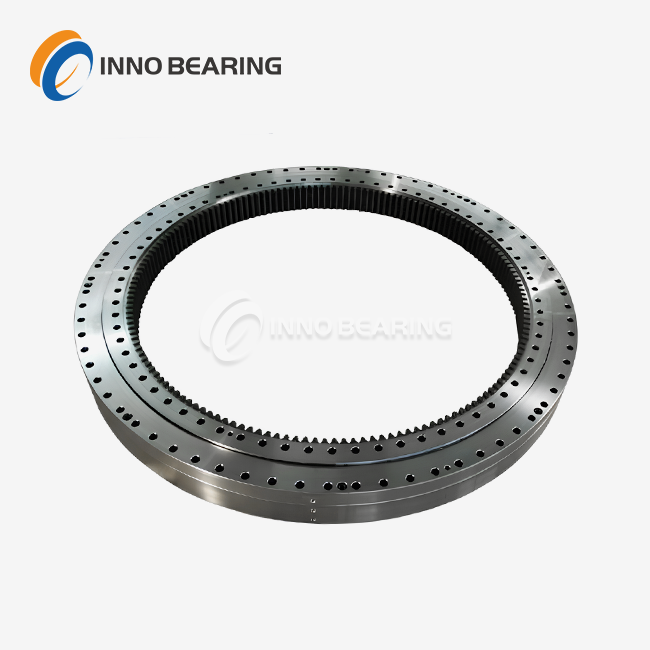
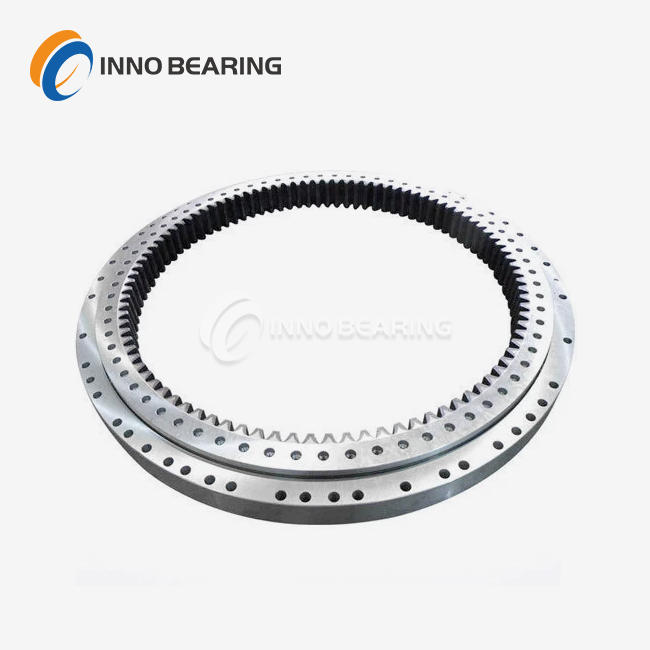
Slewing bearing technology has a lot of different types, and each one was created to address a unique issue in the business world. There are several engineering parts that make up these big rotating parts. These parts work together to support both axial and radial loads and make sure that the rotation goes smoothly even when things get tough.
Single-Row Ball Bearing Configuration
One-row ball bearings are the smallest type of bearings in the family. They have only one raceway and ball rolling elements. For tasks that need a moderate load capacity and precise rotation, this design works great. The overall weight is less because the design is more streamlined, but the structure is still strong. Because of this, these bearings are great for places where space is limited and weight is very important.
Engineers like single-row configurations because they are easier to set up, save money on materials, and make rotation more accurate. For this reason, they work great with precise machines like radar systems, medical imaging tools, and light cranes where running smoothly is more important than carrying a lot of weight.
Double-Row Ball Bearing Systems
Two-row ball bearings are much better at spreading load than single-row designs. This is because they have two parallel raceways with two sets of rolling elements. This configuration is the best for medium-duty industrial uses because it provides better moment resistance and stability when the load changes.
These bearings are better at handling combined loads because the forces are spread out over more than one contact point. This is because they have two raceways. This trait is very helpful for machines that have to deal with complicated loading patterns, such as excavator swing mechanisms, tower crane slewing rings, and port machinery.
Cross-Roller Bearing Technology
In cross-roller bearings, the cylindrical rollers are placed between the inner and outer rings in a way that makes them cross-perpendicular to each other. This one-of-a-kind design makes it very rigid and able to hold a lot of weight while keeping the overall size small. The crossed arrangement often gets rid of the need for separate Thrust bearings. This makes designing systems easier and cuts down on the number of parts that are needed.
Slewing bearing work great in places that need to be precise and stable, like in industrial robotic joints, machine tool rotary tables, and aerospace tracking systems. The load is spread out better because the contact area between the rollers and raceways is bigger. This makes the bearings last longer when they are under a lot of stress.
Three-Row Roller Bearing Construction
For heavy-duty jobs that need to carry a lot of weight, three-row roller bearings are the best choice. With this design, dedicated roller rows separate axial and radial load paths. This makes for the best load distribution and a very high carrying capacity. The strong construction can handle situations with a lot of weight, which keeps operations reliable.
Three-row designs are great because they can hold a lot of weight and stay strong even when things move around. For these reasons, they are necessary for things like wind turbine main shaft bearings, big mobile cranes, and heavy mining equipment that needs to be able to handle heavy loads and still work well.
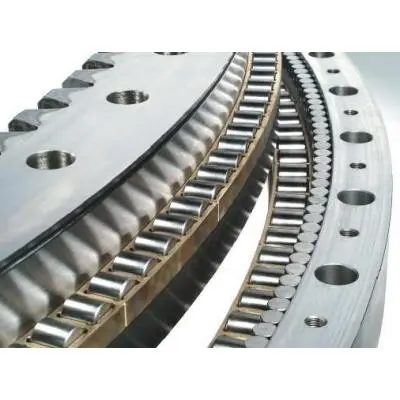
Comparing Slewing Bearings According to Application Needs
To pick the right bearing technology, you need to carefully consider the ways it will be used, the environment, and the performance goals. These needs change the way bearings are picked out and how well they work over time in different fields.
Wind Energy and Renewable Power Applications
In order for slewing bearings to work reliably for 20 years, they need to be able to handle harsh environments. With this in mind, these uses need bearings that don't wear out easily or rust and can handle precise loads.
The main shaft bearing has to support the weight of the whole rotor assembly and be strong enough to handle wind forces and turns. In order for yaw systems to work, the bearings must be able to hold heavy loads and accurately position the nacelle. Pitch control systems need precise bearings that let the angle of the blade change when the wind blows from side to side.
When engineers choose materials for wind energy projects, they usually look for advanced steel alloys that have better fatigue properties and unique ways to heat treat them. In outdoor settings, surface treatments and sealing systems need to keep water and dirt out for a long time.
Heavy Machinery and Industrial Equipment
Construction and material handling equipment impose severe loading conditions on rotational components. Excavators, cranes, and tunnel boring machines require bearings capable of supporting massive structural loads while enabling precise operational control.
These applications benefit from bearings with high load ratings, robust construction, and reliable sealing systems. The ability to accommodate shock loads and operational stresses while maintaining precision becomes essential for equipment productivity and operator safety.
Customization capabilities for slewing bearing play a crucial role in heavy machinery applications, as equipment manufacturers often require specific dimensional configurations, mounting arrangements, and performance characteristics tailored to their designs.
Mining and Metallurgy Operations
Mining environments present extreme challenges for bearing performance, including exposure to abrasive particles, temperature variations, and heavy loading conditions. Mills, stackers, and rotary kilns require bearings engineered to withstand these harsh operating environments while minimizing maintenance requirements.
Heavy-duty bearing designs for mining applications incorporate enhanced sealing systems, specialized lubrication arrangements, and materials selected for superior wear resistance. The ability to maintain performance under continuous operation while resisting environmental contamination becomes critical for operational success.
Maintenance accessibility and component replaceability influence bearing selection in mining applications, where equipment downtime directly impacts production output and operational profitability.
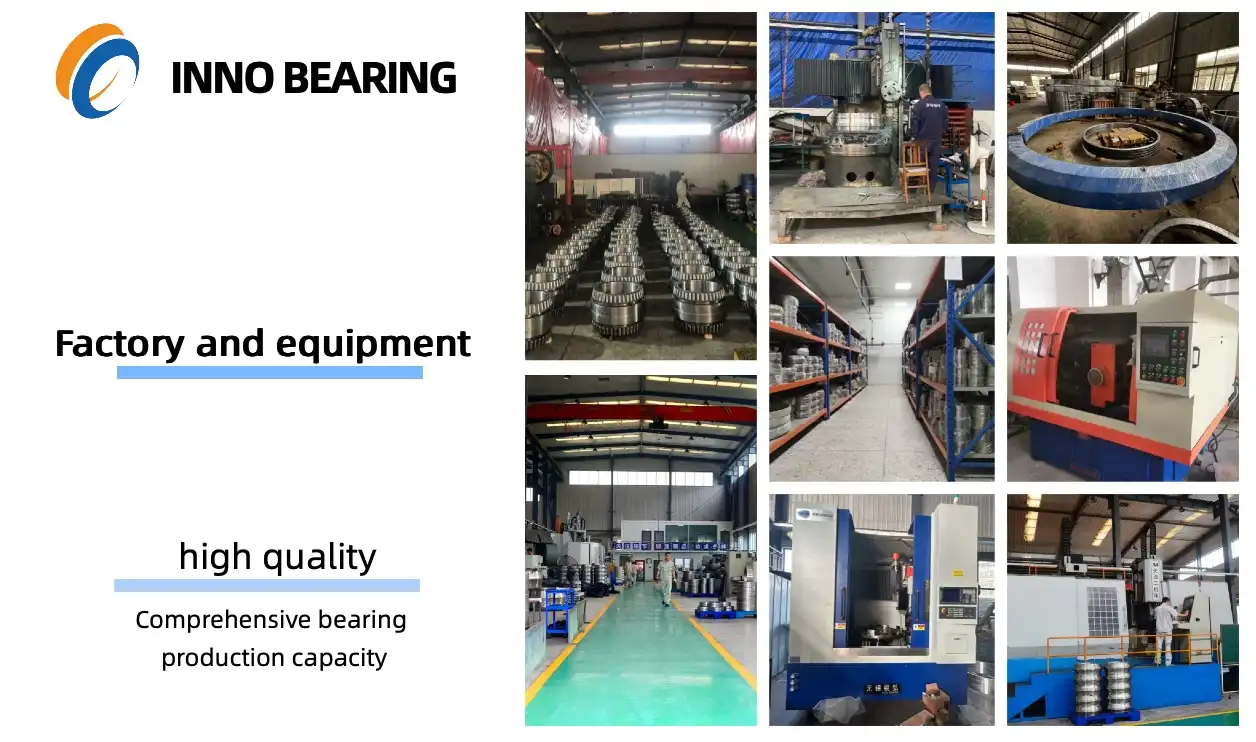
Performance and Maintenance: Ensuring Longevity and Reliability
To get the most out of your bearings, you should use thorough maintenance plans that are made to fit your specific work environment and equipment needs. Preventative maintenance methods greatly extend the useful lives of parts while lowering the costs and downtime that come with breakdowns that happen out of the blue.
Lubrication Management Systems
Effective lubrication management forms the foundation of successful bearing maintenance programs. For bearings to work at their best, they need different types of lubricants, ways to use them, and amounts of time between replacements.
For most industrial tasks, grease-based lubrication systems work well and are easy to use. And they don't need much care to keep things safe for a long time. Oil lubrication systems are great for mission-critical tasks that need to be as reliable as possible because they can be watched and filtered all the time.
The environment has a big impact on the lubricant that is used and how often it needs to be maintained for slewing bearing. For high-temperature uses, synthetic lubricants that are more stable at high temperatures may be needed. Formulations that are better at protecting against corrosion are needed for marine environments.
Inspection and Diagnostic Procedures
Setting up regular inspection protocols helps find problems early, before they become costly failures. A bearing's condition and how it's working over time can be learned a lot from looking at it, keeping an eye on its vibrations, and taking temperature readings.
Modern diagnostic methods, like acoustic monitoring and lubricant analysis, tell us a lot about how worn out internal bearings are and what their condition is like. Condition-based maintenance strategies can be used with these technologies. These strategies make parts last longer and lower the cost of maintenance.
Keeping records of inspections and maintenance work can be helpful in the future. You can use these records to find trends and plan for future maintenance needs. Teams in charge of maintenance can use real information about how well the equipment is working to find patterns and make the best maintenance plans.
Environmental Protection Strategies
You need full sealing systems and the right way to install them to keep bearings safe from outside contaminants. Sealing well keeps water, dust, and other debris out while letting lubricants in and keeping the conditions inside the bearing stable.
When you seal something in different ways, you get different levels of protection and access for maintenance work. The best protection is from contact seals, but they might need to be changed every so often. But designs that don't touch last longer but don't protect as well.
What makes a big difference in how well and reliably the bearing works over time is how well and correctly it was installed. If you mount something correctly, make sure it's straight, and follow the torque specs, the load will be spread out evenly and failure modes won't happen too soon.
Conclusion
Choosing the right slewing bearing configuration can make a big difference in how well equipment works, how often it needs to be serviced, and how much it costs to run. Knowing how the different types of bearings work together, what they're used for, and how well they work lets you make smart purchases that get the best value and dependability. Different types of bearings work well in many situations, from heavy machinery that needs to be able to carry the most weight to wind energy systems that need to be very resistant to wear and tear. A good way to make sure long-term operational success and equipment reliability is to combine technical knowledge with evaluation of suppliers.
FAQ
What distinguishes slewing bearings from standard ball bearings?
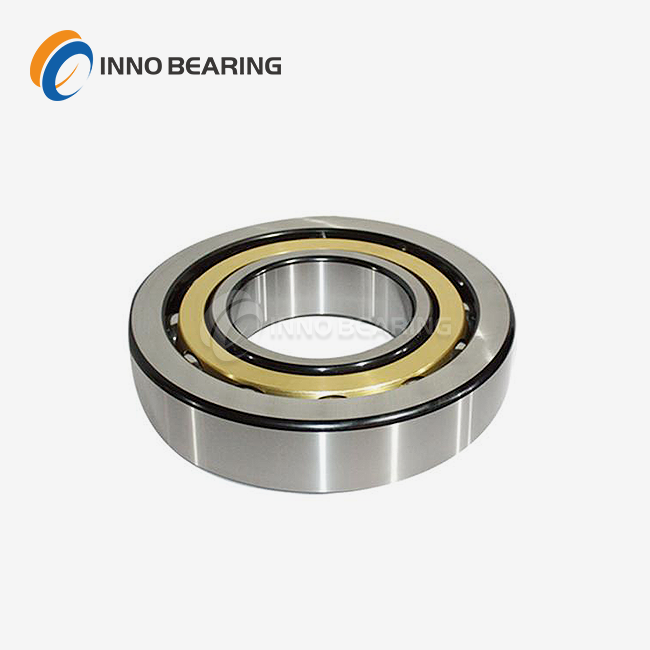
Standard ball bearings and large-diameter rotational bearings are mostly different in how big they are, how much weight they can hold, and how they are built. Most standard bearings can handle either radial or thrust loads separately. On the other hand, these unique bearings can deal with axial, radial, and moment forces all at the same time. Because they have a big diameter, they can hold up structures and turn so that heavy equipment can use them.
How do I determine the correct bearing size for my equipment?
To find out what size bearing to use, you need to do a full load analysis that looks at the required speed, static loads, and dynamic forces. When engineers do their math, they have to think about safety, the environment, and how long the thing will last. Getting help from a professional engineer makes sure that the right size is picked based on the mission and the needs of the operation.
What maintenance intervals are recommended for harsh industrial environments?
It depends on the type of bearing, how hard it is to use, and how harsh the environment is when it comes to maintenance. In heavy industry and mining, inspections and lubrication are needed more often than in most other places. With a condition monitoring system, you can pick the best time for maintenance based on how well the bearings are working, rather than picking a random time.
Can existing bearings be upgraded without major equipment modifications?
It is possible to retrofit, but only if the existing mounting arrangements, space, and interfaces all work well together. As long as the mounting arrangements stay the same, it is often possible to improve bearings by using better materials, better sealing, or higher load capacities. An engineering evaluation finds ways to improve certain sets of equipment that can be used.
Partner with INNO Bearing for Your Industrial Bearing Solutions
The company INNO Bearing has been making slewing bearing for almost 30 years. They have advanced engineering skills that let them make unique Solutions for tough industrial uses. A lot of testing and strict quality control is done at our facilities to make sure that the products that manufacturers of wind energy, heavy machinery, and specialized equipment always work well and are reliable. Our technical team can help you with all of your engineering needs, from the first consultation to ongoing service. They can make standard configurations or custom designs up to ±5000mm. Email us at sales@inno-bearing.com to talk about your specific needs and find out how our proven ability to make high-quality products can help your equipment work better and for longer.
References
American Society of Mechanical Engineers. "Design Guidelines for Large Diameter Bearing Applications in Industrial Equipment." ASME Standards Publication, 2023.
International Organization for Standardization. "Rolling Bearings - Slewing Bearings - Geometrical Product Specifications and Tolerance Values." ISO 12043-2019.
Wind Power Engineering & Development. "Advanced Bearing Technologies for Next-Generation Wind Turbine Systems." Industry Technical Report, 2024.
Society of Automotive Engineers. "Materials and Heat Treatment Requirements for Heavy-Duty Industrial Bearing Applications." SAE Technical Paper Series, 2023.
National Institute of Standards and Technology. "Fatigue Testing Methodologies for Large-Scale Rotational Bearing Components." NIST Technical Publication 1875, 2024.
International Association of Classification Societies. "Common Structural Rules for Offshore Equipment Bearings and Rotational Components." IACS Technical Requirements, 2023.
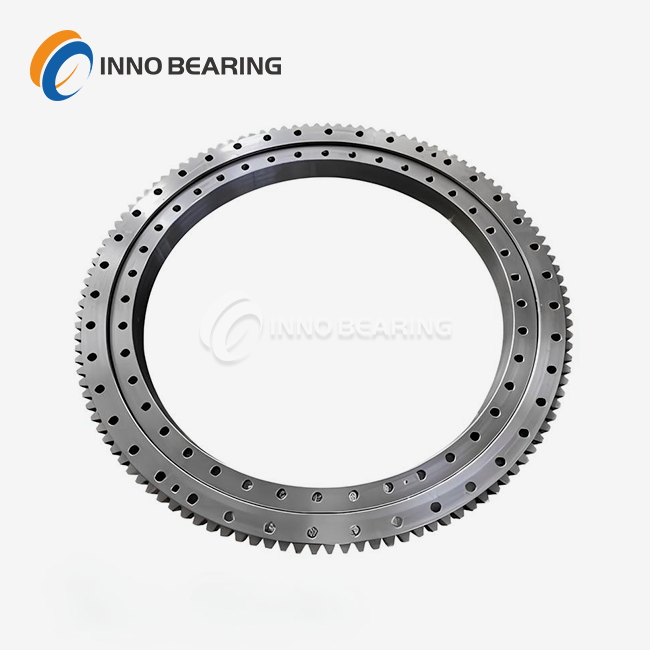

Learn about our latest products and discounts through SMS or email