- English
- French
- German
- Portuguese
- Spanish
- Russian
- Japanese
- Korean
- Arabic
- Greek
- German
- Turkish
- Italian
- Danish
- Romanian
- Indonesian
- Czech
- Afrikaans
- Swedish
- Polish
- Basque
- Catalan
- Esperanto
- Hindi
- Lao
- Albanian
- Amharic
- Armenian
- Azerbaijani
- Belarusian
- Bengali
- Bosnian
- Bulgarian
- Cebuano
- Chichewa
- Corsican
- Croatian
- Dutch
- Estonian
- Filipino
- Finnish
- Frisian
- Galician
- Georgian
- Gujarati
- Haitian
- Hausa
- Hawaiian
- Hebrew
- Hmong
- Hungarian
- Icelandic
- Igbo
- Javanese
- Kannada
- Kazakh
- Khmer
- Kurdish
- Kyrgyz
- Latin
- Latvian
- Lithuanian
- Luxembou..
- Macedonian
- Malagasy
- Malay
- Malayalam
- Maltese
- Maori
- Marathi
- Mongolian
- Burmese
- Nepali
- Norwegian
- Pashto
- Persian
- Punjabi
- Serbian
- Sesotho
- Sinhala
- Slovak
- Slovenian
- Somali
- Samoan
- Scots Gaelic
- Shona
- Sindhi
- Sundanese
- Swahili
- Tajik
- Tamil
- Telugu
- Thai
- Ukrainian
- Urdu
- Uzbek
- Vietnamese
- Welsh
- Xhosa
- Yiddish
- Yoruba
- Zulu
Thrust Bearings for Pumps, Compressors, and Turbines
Turbines, compressors, and pumps all have important parts called Thrust bearings that are made to handle axial loads. Radial bearings deal with forces that are across from the shaft axis, while thrust bearing assemblies deal with forces that are along the shaft axis. This keeps the shaft from moving and meets the needs for heavy-duty rotation. A lot of important industrial equipment works smoothly thanks to these special bearings. They do this by controlling axial stress, which has a direct impact on how well and how reliably the system works.
Understanding Thrust Bearings in Industrial Equipment
For industrial equipment to keep working right, it needs axial load support systems that were carefully planned and built. To make smart choices about buying things that will last longer and work better, procurement workers need to understand the basic ideas behind thrust bearing technology.
Fundamental Principles of Axial Load Management
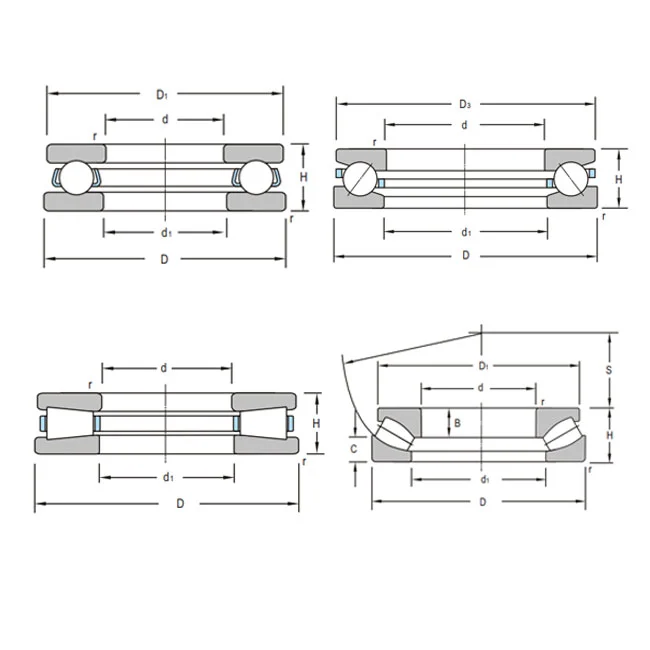
As forces act perpendicular to the shaft's axis of rotation, they create axial loads that are too high for the bearings to handle. This issue can be fixed with thrust bearings, which are designed in a special way to spread axial forces across sliding or rolling surfaces. The structure is made up of shaft washers, housing washers, rolling elements, and retention cages. In order to keep the rotation smooth and hold up large axial forces, they all work together.
GCr15 steel, GCr15SIMN, and 20Cr2Ni4A alloys are used to make these parts so that they can last even in harsh conditions. Because the rolling elements are made with care, the contact patterns and load distribution stay the same across the whole bearing assembly. The rolling elements can be steel balls or cylinder-shaped rollers.
Types of Thrust Bearings for Heavy-Duty Applications
It is best to use ball thrust bearings when you need high rotational speeds and moderate axial loads. Because of how they are made, they can go as fast as 10,000 RPM and still keep the axial position very accurate. The round rolling parts spread the weight evenly across the hardened races. Because of this, they are perfect for pumps and compressor stages that need to work quickly and correctly.
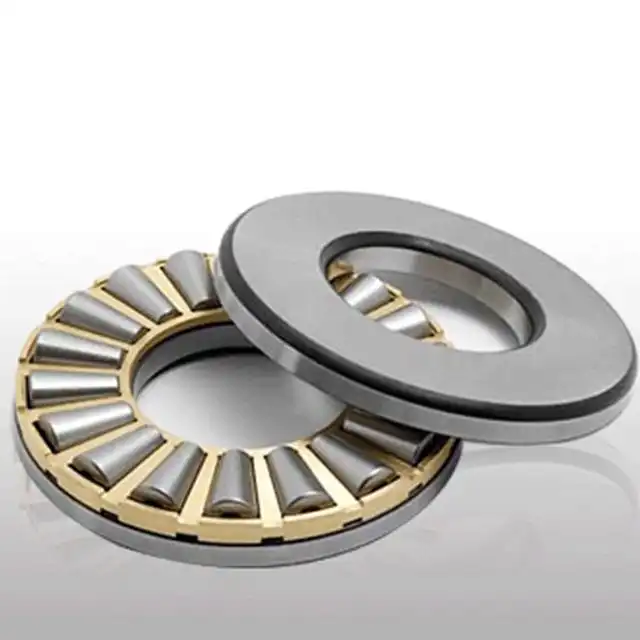
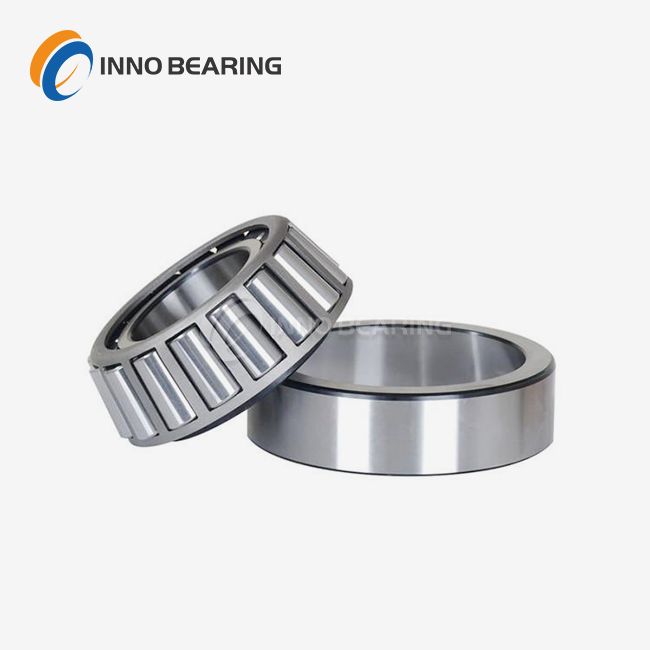
When it comes to heavy machinery, roller thrust bearings are better than ball bearings because they can handle much more axial load. When rollers are cylinder-shaped or tapered, they have more contact area, which means that loads greater than 1,200kN can be used in large-scale industrial settings. These bearings are often used to hold up heavy-duty compressor assemblies and rotors of turbines that are under a lot of force along their length.
So that metal doesn't touch metal, fluid film thrust bearing use hydrodynamics to put a thin layer of grease between the surfaces. This style reduces friction a lot and can handle heavy loads. This is why they are needed for big turbine generators and industrial centrifugal compressors that have to work all the time with heavy loads.
Material Selection and Performance Characteristics
How well and how long a bearing lasts depend a lot on the material it is made of. When temperatures are very high or very low, certain alloys work better. High-carbon chromium steel, on the other hand, is very good at resisting wear and has a high fatigue strength. Advanced ceramic composites are being used more and more in places that need to be less likely to rust and need to be maintained less often.
Your choice of material will depend on the temperature range, the chemicals that will be present, and the type of load that will be put on it. Professionals in procurement need to think about these things along with cost in order to find the best bearing Solutions for their needs.
Performance and Maintenance of Thrust Bearings in Heavy Machinery
In an industrial setting, you need to know both the design parameters and the maintenance needs in order to get reliable performance. Both how well and how much it costs to run depend on the equipment you choose and how well you take care of it. This is why these things are so important for people who decide what to buy.
Common Performance Challenges and Solutions
Worn-out patterns are the most common issue in thrust bearing use. This can be due to not enough lubrication, dirt, or too much load. If you check the wear indicators often, you can find problems before they get too big to fix. By following the right lubrication schedules and taking steps to prevent contamination, you can make bearings last much longer and have fewer unexpected breakdowns.
Overheating is usually caused by not enough grease, too much weight, or issues with the way the parts are aligned. System that check temperatures let maintenance teams know about issues before they happen, so they can fix them before they get worse. If you follow the right steps for installation and make sure the parts are lined up, you can avoid many things going wrong because of heat.
Corrosion resistance is very important in places like chemical processing and the ocean, where regular steel bearings may break down quickly. If you pick the right materials and sealing systems, you can keep the system working well and keep the environment from damaging the bearing parts.
Key Design Parameters Affecting Performance
For reliable performance, load capacity specs must match how the machine will be used in real life. People who buy things can choose bearings that can handle both normal operating loads and high stress levels if they know the difference between static and dynamic load ratings. As part of safety factors, it's important to think about how the load might change and what the operation might be like.
When it comes to how fast they can turn, different types and designs of thrust bearing have very different limits. Roller bearings can handle more weight at slower speeds, while ball thrust bearings can handle less weight at faster speeds. When you match the speed of an application with its needs, you keep things from breaking down too soon and make sure they work at their best.
The job of sealing mechanisms is to keep the lubrication inside and the inside parts clean. Open designs are easier to keep up, but they need to be fixed up more often. Seals last longer when used in dirty places, but they might need to be replaced instead of being serviced.
Best Practices for Maintenance Regimes
Part of preventative maintenance programs should be regular checks, keeping track of the lubrication, and keeping an eye on how well things are working. Vibration, temperature, and noise levels can be measured at the start of a problem to find it early. Keeping track of maintenance tasks helps you find patterns and figure out when to do the next service.
To be good at lubrication, you need to know about the different kinds and how to use them. Some people like grease because it's easy to use and keeps dirt out of the system. However, oil systems get rid of heat better and last longer between service visits. By testing the lubricant often, you can keep an eye on the bearings' condition and figure out when to replace them.
Comparing Thrust Bearings: Making the Right Choice for Your Application
You need to know the pros and cons of each design in order to pick the right bearing technology. People who buy things can use comparative analysis to make sure that the bearings they need meet their needs and keep costs low.
Thrust Bearings vs. Radial Bearing Systems
While thrust bearing assemblies are great at supporting loads that go in one direction, they often need extra support in the other direction to keep the shaft in place. Combined bearing systems are made up of one piece that can handle both axial and radial loads. This makes it easier to set up and takes up less room. If you know which way the load is going, you can choose between separate or integrated bearing systems.
Radial bearings can handle forces that are going in a straight line, but they need special features to be able to handle large loads that are going in the opposite direction. Certain amounts of axial load are safe for angular contact bearings to handle, but not as much as dedicated thrust bearings can. Applications that need dedicated thrust support need a certain type of radial bearing no matter what kind is used.
Ball vs. Roller Thrust Bearing Comparison
Roller bearings can hold more weight, but ball thrust bearings can move faster and stay in place along the axis. They use less power and make less heat because they don't rub against each other as much. This makes them perfect for high-speed applications with moderate loads.
There is more contact area between roller thrust bearings and loads, so they can hold more weight. However, rolling friction means that they can only work at slower speeds. The heavier rolling elements spread the weight out more evenly, which makes them good for heavy machinery where ball bearings can't handle the axial forces.
Ceramic vs. Steel Material Analysis
It costs more to buy ceramic thrust bearings at first, but they last longer and are better at resisting corrosion. Because they don't expand as much when temperatures change, their tolerances stay tighter. This makes them more accurate in situations where temperature accuracy is important.
Iron bearings are better and cost less, but they might need to be serviced more often in places where corrosion is a problem. The performance of modern steel alloys has gotten better while their cost advantages have stayed the same. Because of this, they can be used in most industrial settings where the environment needs to be controlled.
Procurement Guide: Sourcing Quality Thrust Bearings for Pumps, Compressors, and Turbines
It's important to compare prices and availability from different suppliers, check that the product specs are correct, and understand how market factors affect these things. When you source things in a strategic way, you can lower the total cost of ownership and make sure that supply chains are reliable.
Supplier Selection and Verification
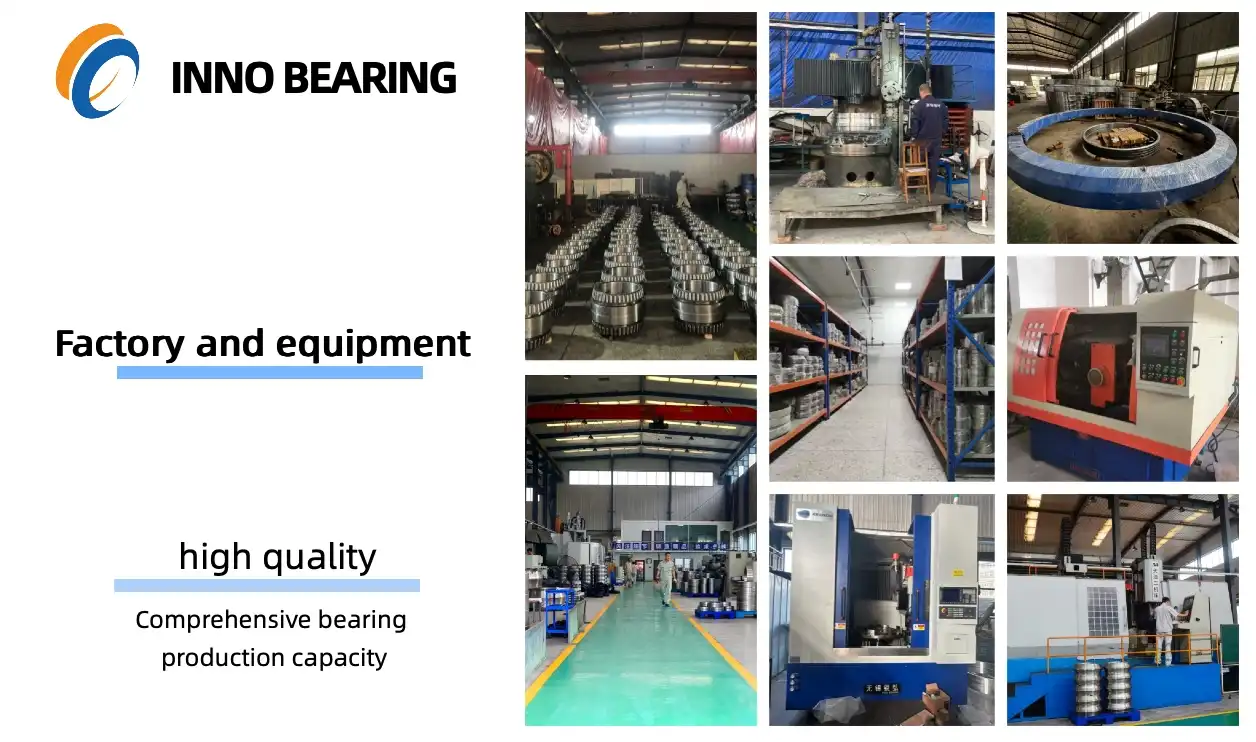
Brands that are well known, like SKF, NSK, and Timken, have good track records and offer full technical support. On the other hand, specialized suppliers may have better solutions for some uses. INNO Bearing has made many things before, and they can make something that fits your needs. They can handle both normal and unusual needs up to a diameter of 5000 mm.
You should look at a supplier's quality certifications, their ability to make things, and their technical support when you check them out. Certifications like ISO 9001 show that the company has strong quality management systems, and certifications specific to the industry show that the company knows how to use certain software. Technical support skills are very important when you're dealing with hard installation or performance issues.
Quality Assurance and Specification Verification
For reliable performance, the product specifications must exactly match the needs of the application. It is important to compare the material's properties, load ratings, and accuracy of measurements with what the application needs. It is easier to choose the right quality level for each job when you know the difference between precision grades, which range from P0 (standard grade) to P5 (high precision).
As part of quality assurance programs, there should be procedures for inspecting new products and audits of suppliers. Material certifications and paperwork that shows where a product came from give customers confidence in its quality and authenticity. As supply chains get more complicated, it's more important than ever to be able to spot fake bearings.
Pricing Factors and Lead Time Considerations
Most of the time, standard bearing sizes have shorter lead times and lower prices since they can be made in plenty. Customer designs take longer to make because they are made just for you, but they work best in some situations. To cut costs and boost performance, it's important to find the right mix of standard and custom solutions.
You can save money by buying in bulk, but you need to watch out that your stock doesn't go bad. Deals that last a long time can help you get good deals and make sure you can get what you need. You can get the most for your money when you buy things if you know what affects prices in the market.
Conclusion
When picking thrust bearing for turbines, pumps, and compressors, you should think about the load, the working conditions, and how simple it is to keep up. For smart buying decisions that improve performance and save money, know the main differences between ball and roller designs, as well as the different types of materials and sealing systems. New technologies like smart monitoring and better materials are making bearings work better while reducing the need for maintenance. To get the most for your money, smart purchasing plans weigh the initial cost against the total cost of ownership, taking into account things like how long the product will last, how often it needs to be maintained, and how easy it is to get a new one.
FAQ
How often should thrust bearings be maintained in pump applications?
How the bearings are used, how much weight they are carrying, and how they were made all affect when they need to be serviced. Open bearings may need service every 3 to 6 months, while sealed bearings need to be checked every 6 to 12 months. Instead of using a calendar to set times, continuous monitoring systems can look at conditions in real time, which can make intervals longer.
What factors determine whether ceramic or steel thrust bearings are more suitable?
It is best to use ceramic bearings in places where steel might break too quickly, like places with a lot of corrosion or high temperatures. There is less cost with steel bearings, and they have been shown to work well in controlled settings. Because of the environment, the load needs, and the total cost of ownership, you should think about the materials you choose.
Can custom thrust bearings be designed for specialized turbine applications?
Custom bearing designs are made to fit the needs of the environment, the load, and the size. Engineers at companies like INNO Bearing can help with non-standard applications up to a diameter of 8000 mm, making sure that the best performance is achieved for each operational need.
Partner with INNO Bearing for Superior Thrust Bearing Solutions
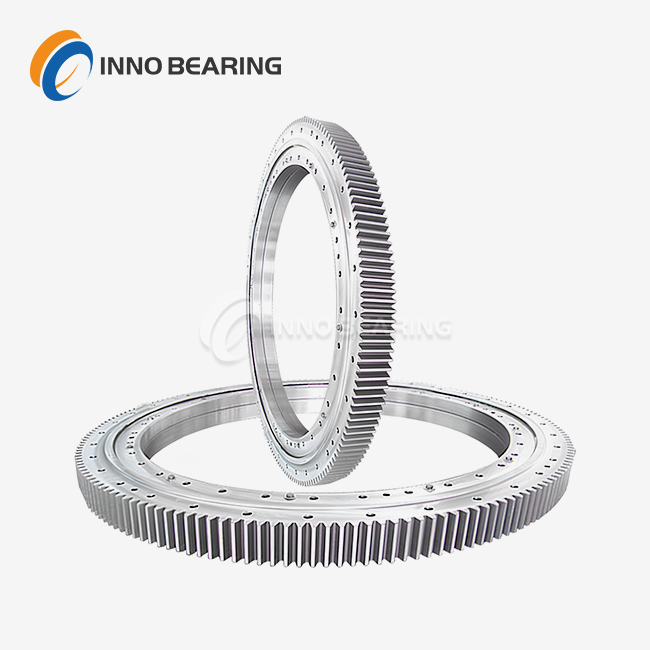
INNO Bearing uses its thirty years of experience making things and its cutting-edge engineering skills to make axial load solutions that are perfect for your most important uses. Standard and custom thrust bearing designs are both in our large selection of products. They are all made to the highest quality standards and can be fully traced back to the materials they were made from. Email our engineering team at sales@inno-bearing.com to talk about your needs and find out how our thrust bearing manufacturer services can help your equipment work better and last longer. You can visit inno-bearing.com to see all of our products and get technical details.
References
Harris, T.A. & Kotzalas, M.N. (2019). "Advanced Concepts of Bearing Technology: Rolling Bearing Analysis." CRC Press Technical Publications.
American Society of Mechanical Engineers. (2020). "Industrial Bearing Applications in Rotating Machinery: Design Guidelines and Performance Standards." ASME Press.
Hamrock, B.J., Schmid, S.R., & Jacobson, B.O. (2018). "Fundamentals of Fluid Film Lubrication in Heavy Machinery Applications." McGraw-Hill Engineering Series.
International Organization for Standardization. (2021). "Rolling Bearings - Thrust Bearings: Dimensional and Tolerance Specifications." ISO Technical Standards Committee.
Society of Tribologists and Lubrication Engineers. (2019). "Bearing Failure Analysis and Prevention in Industrial Applications." STLE Technical Publications.
Mechanical Engineering Institute. (2020). "Advanced Materials in Industrial Bearing Applications: Performance Analysis and Selection Criteria." MEI Research Publications.

Learn about our latest products and discounts through SMS or email