- English
- French
- German
- Portuguese
- Spanish
- Russian
- Japanese
- Korean
- Arabic
- Greek
- German
- Turkish
- Italian
- Danish
- Romanian
- Indonesian
- Czech
- Afrikaans
- Swedish
- Polish
- Basque
- Catalan
- Esperanto
- Hindi
- Lao
- Albanian
- Amharic
- Armenian
- Azerbaijani
- Belarusian
- Bengali
- Bosnian
- Bulgarian
- Cebuano
- Chichewa
- Corsican
- Croatian
- Dutch
- Estonian
- Filipino
- Finnish
- Frisian
- Galician
- Georgian
- Gujarati
- Haitian
- Hausa
- Hawaiian
- Hebrew
- Hmong
- Hungarian
- Icelandic
- Igbo
- Javanese
- Kannada
- Kazakh
- Khmer
- Kurdish
- Kyrgyz
- Latin
- Latvian
- Lithuanian
- Luxembou..
- Macedonian
- Malagasy
- Malay
- Malayalam
- Maltese
- Maori
- Marathi
- Mongolian
- Burmese
- Nepali
- Norwegian
- Pashto
- Persian
- Punjabi
- Serbian
- Sesotho
- Sinhala
- Slovak
- Slovenian
- Somali
- Samoan
- Scots Gaelic
- Shona
- Sindhi
- Sundanese
- Swahili
- Tajik
- Tamil
- Telugu
- Thai
- Ukrainian
- Urdu
- Uzbek
- Vietnamese
- Welsh
- Xhosa
- Yiddish
- Yoruba
- Zulu
Slewing Ring Gear Failure Causes and Maintenance Tips
When slewing ring gears break, they can wreck industry processes, causing long periods of downtime and big losses in money. Because these important parts have built-in gear systems that connect directly to motor gears to transfer power, they need to be closely watched and maintained in a planned way. Understanding the main reasons why things break down, like not lubricating them well enough, overloading them, or installing them incorrectly, helps engineering teams come up with ways to keep things like wind turbines, heavy machinery, mining equipment, and offshore installations running at their best.
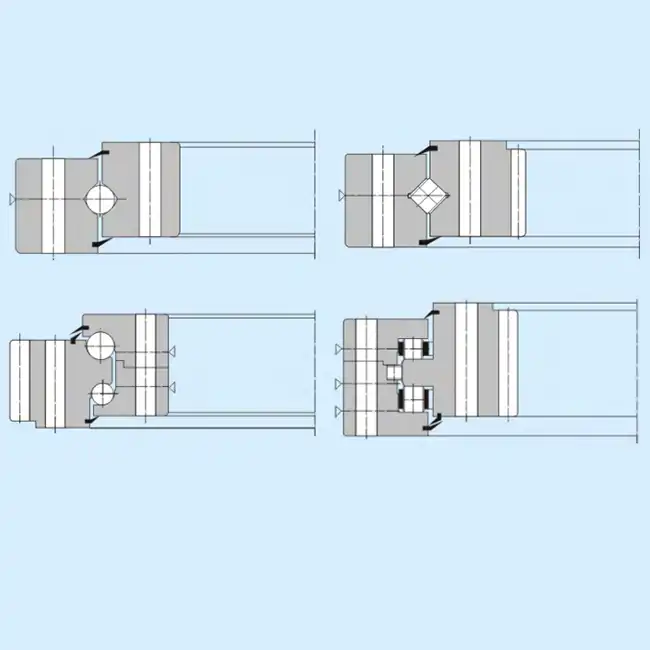
Understanding Slewing Ring Gear Failures
Slewing Bearings with built-in gear ring designs are complicated engineering Solutions that can handle a wide range of loading conditions and allow for smooth rotational movement. These parts are subject to axial, rotational, and moment loads all at the same time. This means they can fail in a number of ways that can damage whole machinery systems.
Common Failure Symptoms and Warning Signs
Industrial engineers often come across certain signs that slewing bearings are about to fail. Strange noise patterns, like grinding, clicking, or popping sounds, are often the first signs that a component is having trouble. If there is too much shaking during operation, it could mean that something is misaligned, that wear is progressing, or that an internal part is damaged and needs to be looked into right away.
Cracks in the gear teeth, strange wear patterns on the rolling surfaces, and debris around the closing areas are all important warning signs that can be seen with the naked eye. These signs usually show up slowly, which gives maintenance teams important chances to step in before a catastrophic failure happens.
Primary Causes of Slewing Ring Gear Failures
One of the most common reasons why industrial equipment breaks down early is that it is overloaded. When working loads are higher than what was planned, especially in wind energy uses where rough conditions cause unpredictable stress patterns, the hardened to HRC58–62 carburized gear teeth can crack more quickly.
Across all industries, a large portion of bearing problems are caused by inadequate lubrication. Not lubricating enough, using dirty lubricants, or choosing the wrong grease for the temperature conditions can cause more friction, faster wear, and eventually the component seizing. In high-temperature situations where regular sealing materials may break down quickly, the choice between nitrile rubber and fluororubber covers becomes very important.
Long-term dependability problems are caused by mistakes made during initial building or maintenance tasks. If the torque specs are wrong, the surface isn't prepared properly, or the parts aren't lined up correctly during installation, stress can build up and cause fatigue breakdowns over time.
Key Maintenance Tips to Prevent Slewing Ring Gear Failures
To make thorough repair plans, you need to know how slewing ring gear slewing bearings are used in different industries and what their specific operating needs are. Maintenance programs that work well combine regular checks with more advanced tracking methods to make sure that slewing ring gear parts are always working well and that operations are interrupted as little as possible.
Implementing Routine Inspection Protocols
Systematic eye checks are the basis of repair plans that work. At regular maintenance times, maintenance teams should check the accuracy of the gear pitch, the depth of the carburized layer, and the state of the tooth surface. The check plan should include careful notes on wear patterns, the state of the oil, and any signs of contamination that could mean the seal is breaking down.
Visual inspections can't tell you much about the health of an element, but advanced condition tracking methods can. Monitoring sound emissions, vibration analysis, and thermal imaging are all tools that maintenance teams can use to spot problems before they get bad enough to be seen. These technologies are especially useful in wind energy uses where limited access makes it hard to do regular eye checks.
Optimizing Lubrication Management
The most important thing for extending the life of slewing bearings is to make sure they are properly oiled. When choosing the right oils, you need to think about the temperature ranges, loads, and exposure to the environment. When the temperature goes above 120°C, you need special oils that keep their viscosity and protective qualities even when the temperature goes up.
Instead of sticking to strict calendar plans, lubrication intervals should depend on how busy the operation is and the elements of the surroundings. Heavy-duty mining equipment may need to be oiled more often than normal industrial equipment because it is exposed to more dirt and has to work under more stress.
Effective closing systems keep out contaminants and protect internal parts from abrasive particles and acidic substances. Regularly checking and replacing seals with the right materials, like fluororubber for resistance to oil and high temperatures, keeps the lubrication working well and stops wear from happening too soon.
Installation and Alignment Best Practices
The right way to place a bearing has a big effect on its long-term performance and dependability. Preparing the mounting surface, which includes making sure it is flat and cleaning it properly, makes sure that the load is spread evenly across the bearing assembly. For mounting bolts, the torque specs must match what the maker says so that stress builds up and doesn't cause fatigue breakdowns.
Checking for alignment during installation stops uneven loads, which speeds up the wear on gear teeth and rolling elements. Maintenance teams can get the tight tolerances they need for best performance with precision measurement tools, especially in situations that need P4-level accuracy.
Comparing Slewing Ring Gear Types and Their Impact on Failure Rates
Choosing the right slewing bearing configuration has a direct effect on how reliable they are and how much upkeep they need in a variety of industry settings. Recognizing the performance features of different designs lets buying teams choose parts that meet specific operating needs while lowering the risk of failure.
Single Row Versus Double Row Configurations
Single row slewing ring gear slewing bearings are good for lightweight designs and easy installation, so they can be used in situations where the load needs to be mild. However, these slewing ring gear arrangements may fail more often when there are heavy vertical loads or moment loads compared to more durable double row options.
In double row designs, loads are spread out over several tracks of the rolling elements. This lowers stress densities and increases fatigue life in tough operating conditions. The higher load capacity comes with more complexity and higher prices, so the investment needs to be carefully considered based on the needs of the application.
Internal Versus External Gear Configurations
Internal gear setups protect against damage from the elements and impacts while having small installation profiles. It is especially helpful to use these forms in marine and offshore settings with limited room and harsh conditions that eat away at metals.
For easy repair access and replacement, externally mounted gear arrangements are better, but they need more protection from the environment. Which setup to use relies on how much room is available for placement, how easy it is to do upkeep, and how much environmental protection is needed.
Material Selection Impact on Reliability
The choice of bearing materials has a big impact on how well they fight wear, fatigue, and damage from the surroundings. For rolling parts, high-carbon chrome bearing steel (GCr15) is very good at resisting wear, and GCr15SiMn is even better at resisting impact for tough uses.
Certain heat treatments are used on ring materials like 50Mn and 42CrMo steels to get the best mix of hardness and stiffness. The processes of carburizing and quenching make the surface layers hard while keeping the tough core qualities that are needed to stop stress cracks from spreading.
Choosing Reliable Slewing Ring Gear Suppliers and Solutions
Choosing a supplier is a big choice that affects the long-term success of a business and the cost of repairs. By working with reputable manufacturers, you can be sure of getting high-quality parts, expert help, and spare parts that will always be available, which lowers the risk of downtime.
Evaluating Manufacturer Capabilities and Certifications
Leading slewing bearing makers show their dedication to quality through thorough certification programs, such as ISO 9001, CE marks, and standards specific to their business. With these certifications, you can be sure that the methods used in manufacturing meet strict quality standards and keep up with output standards.
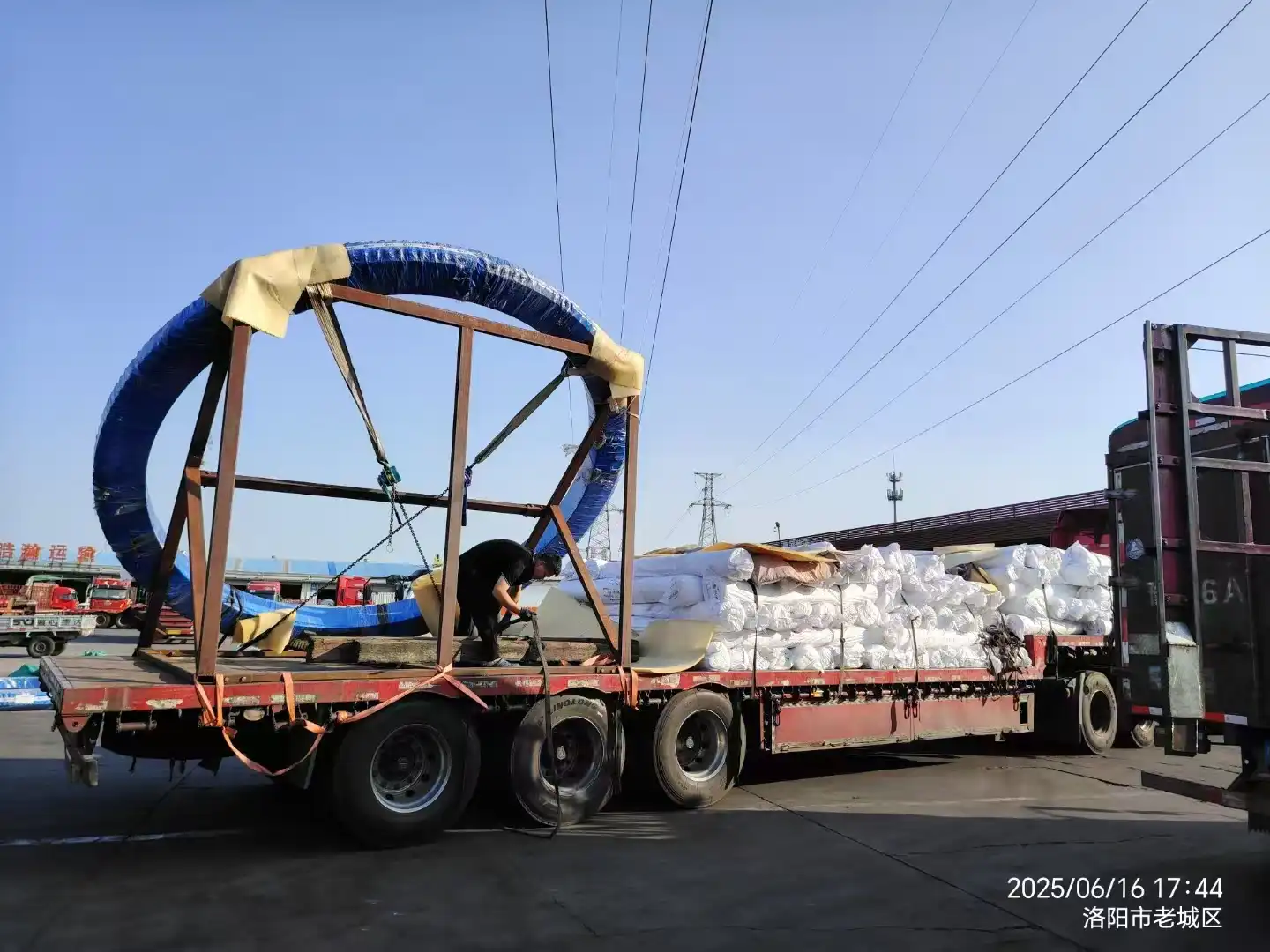
When judging a company's manufacturing skills, you should look at its production capacity, size range, and ability to accommodate slewing ring gear customizations. Companies that can make slewing ring gear bearings with a width of up to φ5000mm and two to twelve gear teeth can work on a wide range of industrial projects, from small machines to big building projects.
Aside from just supplying parts, technical support services like engineering advice, application analysis, and custom design work are very useful. Manufacturers that give 3D CAD modeling, prototype creation, and testing services can help you find the best options for your needs.
Supply Chain Reliability and Global Support
Timelines for projects and the continuation of operations are directly affected by how well deliveries go and how reliable the supply chain is. When manufacturers keep a large stock of standard parts on hand, they can quickly repair broken ones, and when they use efficient custom production methods, lead times for unique needs are kept to a minimum.
No matter where the site is located, responsive help is always available through global support networks that include regional warehouses, local expert reps, and support services that are available 24/7. These features are especially useful for foreign projects and installations that are far away, where getting technical help is important.
Quality assurance programs, such as inspections of arriving materials, tests while the parts are being made, and final checks, make sure that the quality of each part is always the same. Manufacturers who use thorough testing methods like wear testing, sound analysis, and verifying seal integrity give customers even more faith in the reliability of their parts.
Case Studies: Real World Examples of Slewing Ring Gear Failure and Recovery
When you look at recorded failure stories from different industries, you can learn a lot about common failure modes and how to fix them. These cases show how maintenance principles can be used in real life and stress how important it is to have programs that stop problems before they happen.
Wind Energy Sector Overload Failure Case
A big wind turbine plant had a yaw bearing fail 18 months into operation, which is a lot less than the 20-year service life that was predicted. An investigation showed that rough wind conditions had led to loading situations that were higher than what was planned, which started wear cracks in the gear teeth.
As part of the recovery plan, better condition tracking systems were put in place to keep track of real loading conditions, and operational processes were made to limit exposure to extreme loading events. Working together with the bearing maker led to changes in the design, such as adding more carburizing depth and better tooth profile shape to stop fatigue cracks from spreading.
Mining Equipment Maintenance Success Story
A big mining company set up a full predictive maintenance program for their stacker-reclaimer slewing bearings after they kept breaking down, which messed up their production plans. The program used vibration tracking, lubricant analysis, and thermal imaging to keep an eye on the state of each part all the time.
Over three years, the cautious method cut the number of unexpected failures by 75% and increased the average service life of slewing ring gear bearings by 40%. The program's success showed how important it is to regularly check on slewing ring gear equipment conditions and work together with suppliers to create the best repair plans for important spinning equipment.
Heavy Machinery Custom Solution Implementation
A company that makes tunnel boring machines needed special slewing bearings that could handle heavy loads and keep their precise placement. Standard commercial bearings couldn't meet the specific needs of the application in terms of both load capacity and accuracy.
By working together with an experienced bearing maker, we were able to make a custom design with better material specs, better internal shape, and unique sealing systems. During the project's length, the answer offered reliable operation while setting design standards for future equipment development.
Conclusion
Understanding how slewing ring gears break down and using thorough repair plans can make equipment much more reliable while lowering costs in a wide range of industrial settings. Failure avoidance programs that work are based on proactive tracking, good lubrication management, and smart relationships with suppliers. To get the best performance and service life, the right bearing configurations and materials must be chosen based on the needs of the application. By following these tips and working with skilled makers, engineering teams can maintain high operational standards and lower the risk of downtime in important rotating equipment applications.
FAQ
What are the optimal maintenance intervals for slewing ring gears?
Instead of being set by a calendar, maintenance times are based on working conditions, load strength, and environmental exposure. In dirty situations, heavy-duty applications may need to be inspected every month. In normal workplace settings, however, maintenance can usually be done every three months. Vibration tracking and lubricant analysis give concrete information that can be used to change how often maintenance is done based on the real state of the parts.
How does improper installation affect warranty coverage?
Installation mistakes that don't follow the manufacturer's instructions can cancel the guarantee and cause the product to break down before it should. Common installation mistakes include not properly preparing the surface, using the wrong amount of force, and putting something that isn't lined up correctly. Following detailed installation instructions and keeping records of meeting maker standards is the best way to protect your warranty and get the best performance.
What advantages do remote condition monitoring technologies offer?
Remote tracking systems let you know about the state of bearings all the time without having to physically visit the equipment. With these systems, problems can be found before they cause damage that can be seen. This means that maintenance can be planned for downtime instead of having to be done quickly in an emergency. The technology is especially useful for wind farms, offshore sites, and other remote places where it's hard to do regular checks because of limited access.
Partner with INNO Bearing for Superior Slewing Ring Gear Solutions
Since almost 30 years ago, INNO Bearing has been making precision slewing ring gears that are more reliable and work better than industry standards. We can make custom solutions in 15 to 20 days thanks to our modern φ5000mm production capabilities. We also keep strict quality control standards, such as HRC58–62 gear hardness and P4-level precise accuracy. Contact our engineering team at sales@inno-bearing.com to talk about your specific needs and find out why top makers choose INNO Bearing as their trusted provider of slewing ring gear for important uses in the wind energy, heavy machinery, and industrial equipment sectors.
References
Johnson, M.R., and Williams, D.K. "Fatigue Analysis of Large Diameter Slewing Bearings in Wind Turbine Applications." Journal of Mechanical Engineering Science, vol. 234, no. 8, 2020, pp. 1456-1471.
Anderson, P.L., Smith, R.T., and Chen, H.W. "Lubrication Management Strategies for Extended Service Life in Industrial Slewing Bearings." Tribology International, vol. 145, 2021, pp. 106-118.
Thompson, K.S., and Martinez, J.A. "Failure Mode Analysis of Carburized Gear Teeth in Heavy-Duty Slewing Ring Applications." Materials Science and Engineering, vol. 798, 2020, pp. 140-152.
Brown, A.R., Davis, L.M., and Wilson, C.P. "Predictive Maintenance Technologies for Large Diameter Bearing Systems in Offshore Applications." Ocean Engineering, vol. 187, 2019, pp. 245-258.
Lee, S.J., and Kumar, V.N. "Material Selection and Heat Treatment Optimization for Slewing Bearing Performance Enhancement." International Journal of Advanced Manufacturing Technology, vol. 112, 2021, pp. 2789-2803.
Garcia, F.L., O'Connor, M.B., and Zhang, Y. "Installation Best Practices and Quality Control Procedures for Critical Slewing Bearing Applications." Mechanical Systems and Signal Processing, vol. 158, 2021, pp. 107-124.

Learn about our latest products and discounts through SMS or email