- English
- French
- German
- Portuguese
- Spanish
- Russian
- Japanese
- Korean
- Arabic
- Greek
- German
- Turkish
- Italian
- Danish
- Romanian
- Indonesian
- Czech
- Afrikaans
- Swedish
- Polish
- Basque
- Catalan
- Esperanto
- Hindi
- Lao
- Albanian
- Amharic
- Armenian
- Azerbaijani
- Belarusian
- Bengali
- Bosnian
- Bulgarian
- Cebuano
- Chichewa
- Corsican
- Croatian
- Dutch
- Estonian
- Filipino
- Finnish
- Frisian
- Galician
- Georgian
- Gujarati
- Haitian
- Hausa
- Hawaiian
- Hebrew
- Hmong
- Hungarian
- Icelandic
- Igbo
- Javanese
- Kannada
- Kazakh
- Khmer
- Kurdish
- Kyrgyz
- Latin
- Latvian
- Lithuanian
- Luxembou..
- Macedonian
- Malagasy
- Malay
- Malayalam
- Maltese
- Maori
- Marathi
- Mongolian
- Burmese
- Nepali
- Norwegian
- Pashto
- Persian
- Punjabi
- Serbian
- Sesotho
- Sinhala
- Slovak
- Slovenian
- Somali
- Samoan
- Scots Gaelic
- Shona
- Sindhi
- Sundanese
- Swahili
- Tajik
- Tamil
- Telugu
- Thai
- Ukrainian
- Urdu
- Uzbek
- Vietnamese
- Welsh
- Xhosa
- Yiddish
- Yoruba
- Zulu
Understanding RNU Bearing Tolerances & Fits
It is very important to understand RNU bearing limits and fits when choosing industrial bearings and designing applications that use them. RNU bearings have a circular roller design with ribs on both sides of the inner ring. To get the best performance in tough situations, they need precise measurement control. Tolerance and fit standards have a direct effect on how the bearing works, affecting everything from how the load is distributed and how accurately it rotates to how long it lasts and how often it needs to be serviced. When engineers and procurement workers fully understand these factors, they can make smart choices that increase the dependability of equipment while lowering running costs in many different industries.
Fundamentals of RNU Bearing Tolerances and Fits
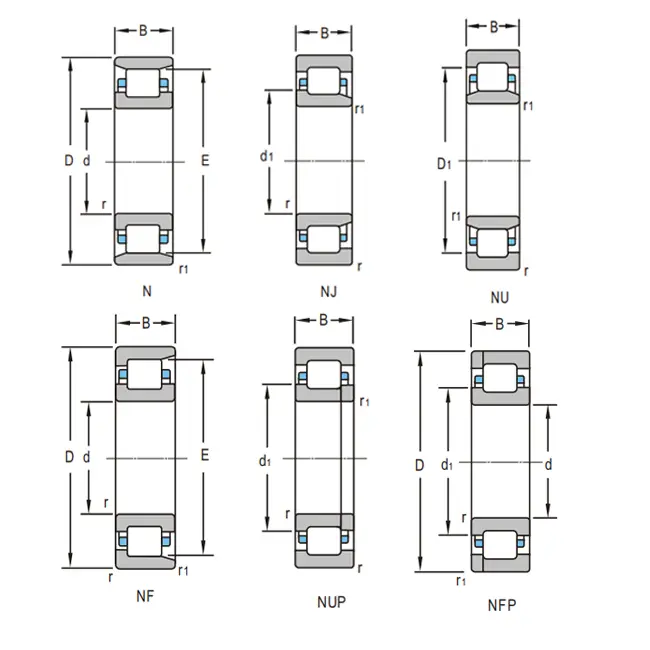
RNU Cylindrical roller bearings have a unique structure that makes them stand out from other types of bearings. Both sides of the inner ring are made up of ribs, but the outer ring doesn't have any. This lets the outer ring move axially when the temperature rises. Because of how they're made, they work especially well in situations where a high rotational load capacity is needed while also allowing for shaft heat growth.
Structural Design and Performance Characteristics
The basic structure of RNU bearings makes them very good at supporting loads, especially in radial directions. Because the cylindrical rollers spread loads evenly across the contact surfaces, these bearings are perfect for big machinery where strong pressures are present. Because they can handle being out of line and thermal expansion, they are useful in wind turbine main shaft uses where temperature changes can be big.
Because the line contact between the rollers and raceways spreads out stress better, these bearings are better at resisting wear than point-contact options. This quality is very important for things like mining equipment and big industrial tools that have to work all the time under heavy loads.
Tolerance Classes and Their Impact
Bearing tolerances say how much the dimensions can vary from the standard specs. P0 means "standard," P6 means "higher precision," P5 means "high precision," and P4 means "ultra-high precision." Each class meets a different set of needs in an application. Tighter limits usually lead to better spinning accuracy and lower vibration levels.
Choosing the right tolerance classes has a direct effect on how well operations run. It is usually the case that tighter standards lead to less noise, smoother spinning, and better load distribution. But they also raise the cost of production and might need more precise fitting steps.
Fit Types and Installation Requirements
When installing an RNU bearing, there are three main types of fits: clearance fits, transition fits, and interference fits. It's easy to put together clearance fits, but they may let things move relative to each other when the load is reversed. Interference fits make fitting safe, but they need to be put in using controlled heating or hydraulic means. Transition fits are a good compromise between being easy to put together and being stable while working.
The choice of fit type has a big effect on how well the bearing works and how often it needs to be serviced. In rotating shaft uses, interference fits on the inner ring are widespread. These make sure that the bearing spins with the shaft without slipping. Clearance fits on the outer ring let the metal expand when it gets hot, but they keep the part in place inside the housing.
Dimensional Analysis of RNU Bearing Tolerances & Fits
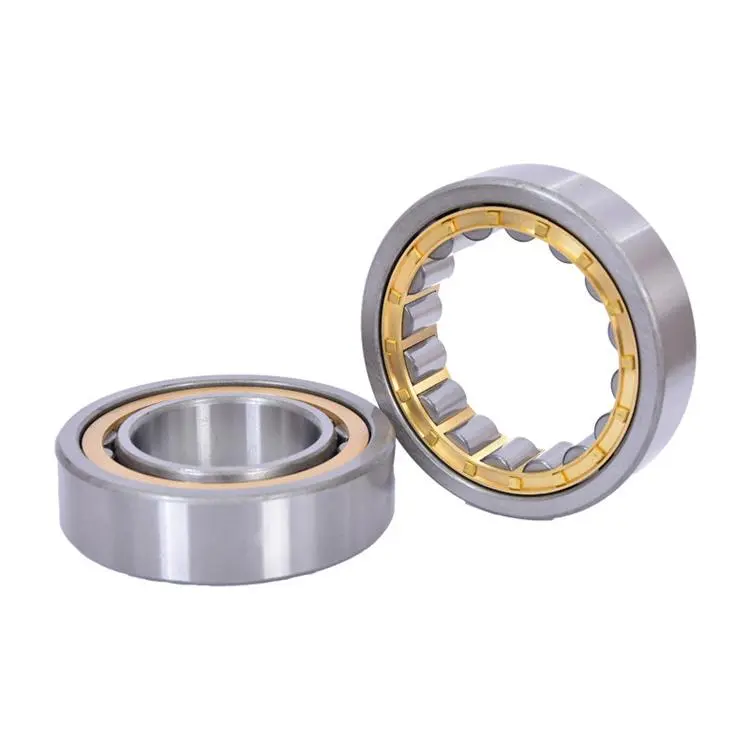
Precise control over dimensions is the key to making RNU bearing uses work. To ensure a good fit and the best performance, the three most important dimensions - inner diameter, outer diameter, and width - must be kept within certain limits.
Inner Diameter Tolerance Management
Inner diameter limits have a direct effect on how the shaft is mounted and how much space there is for operations. For normal uses, tolerance ranges usually stay within certain micron limits, which depend on the size and precise class of the bearing. If these specs aren't followed, there could be too much space, which could cause the shaft to move and wear, or too much contact, which could cause stress to build up and damage the bearing.
When there is a lot of thermal cycle, the effects of temperature on physical stability become even more important. When the temperature changes, materials grow and contract, which could change how they fit during operation. By knowing about these thermal effects, engineers can choose the right mixes of tolerances that will keep the fit right over the expected temperature range.
Outer Diameter Precision Requirements
Tolerances on the outer diameter affect how well the housing hole fits and how heat is transferred. The outer ring should fit properly so that heat can move from the bearing to the housing and the structure stays strong when it's loaded. Too much interference can cause stress-induced breakdowns or fitting problems, while too much clearance can cause the outer ring to creep.
The accuracy of the manufacturing process has a direct effect on these dimensions. Advanced cutting methods and quality control measures make sure that all production runs have the same level of accuracy in terms of size. This stability is very important for repair tasks that need to change RNU bearings without changing the housing.
Width Tolerance Considerations
Bearing width limits change how bearings are positioned and how much force they can handle. Controlling the width correctly makes sure that bearing assemblies are spaced correctly and that the load distribution patterns stay the same. Changes in width can change the internal gaps and affect how well the bearing works.
Specialized tools and methods are needed to measure and confirm these specific dimensions. For checking tolerances, accurate measuring tools like coordinate measuring machines, precise micrometers, and laser measurement systems are needed. Calibration of measuring tools on a regular basis keeps quality standards high and guarantees accurate results during the whole process of buying and setting up the tools.
Comparing RNU Bearing Fits with Other Bearing Types
Knowing the differences between RNU bearings and other types of bearing designs helps procurement workers choose the best options for each job. Each type of bearing has its own pros and cons that affect the fit standards and tolerance specs.
RNU versus NU Bearing Configurations
Even though both RNU and NU bearings use circular rollers, their different structures make them better for different uses. NU bearings have ribs on the outer ring instead of the inner ring. This means that they can be used in a variety of positioning situations and can accommodate different amounts of axial movement. As a result, the fit standards are different. For example, because RNU bearings have ribs, they usually need more precise inner ring fits.
When comparing load capacities, horizontal load values are about the same for the same sizes, but axial load handling abilities are very different. RNU bearings have inner ring ribs that can handle some axial loads, but NU bearings need to be placed axially using ways from the outside.
Comparison with NJ and NUP Variants
NJ bearings have one rib on the outer ring and a rib that can be taken off. NUP bearings, on the other hand, have ribs on both rings. These designs are different from RNU bearings in how they handle radial loads and how easy they are to install. Tolerance and fit standards change depending on the differences in structure and how they will be used.
The installation steps for these types of bearings are very different. Because their outer rings don't have ribs, RNU bearings usually make attaching the shaft easier. On the other hand, NJ and NUP bearings may need to be put together in a different order to suit their rib designs.
Cross Roller and Ball Bearing Alternatives
Cross roller bearings are stiffer and can handle more moment loads, but they need more complicated fit specs and tighter tolerances. Ball bearings have less friction and can go faster, but they can't handle as much rotational load as cylindrical roller designs. Being aware of these trade-offs helps engineers choose the right types of bearings for different performance needs.
Different types of bearings are made to different quality and supply standards, which affects wait times and costs. For high radial load uses, RNU bearings usually have good cost-performance ratios. This makes them appealing for big tools and industrial equipment.
Installation, Maintenance, and Lifespan Impacted by Tolerances and Fits
The function and life of a bearing are directly affected by how it is installed and maintained. When operational teams know how tolerance and fit standards affect these factors, they can make tools more reliable and lower the cost of repair.
Installation Best Practices
To install an RNU bearing correctly, you must first do the right setup and check the tolerances. Before installing the bearing, the shaft and housing measurements must be checked to make sure they are within certain limits. Temperature-controlled fitting methods help get interference fits right without using too much force or heat, which could damage bearing parts.
Hydraulic mounting tools let you apply controlled force for interference fits, which lowers fitting stress and makes sure the parts sit properly. When heating something, the temperature needs to be carefully watched so that changes in the metal don't happen or there is too much thermal stress. For some uses, cold mounting methods that use dry ice or liquid nitrogen are better options.
Maintenance Strategies for Optimal Performance
Routine repair methods focus on keeping the right fit and keeping an eye on changes in dimensions. Before a fatal failure happens, vibration research can help find bearing wear and fit degradation. Temperature tracking finds situations where things are getting too hot, which could mean that the parts don't fit right or there isn't enough grease.
Managing lubrication becomes very important for keeping RNU bearings working well over their entire service life. How well the parts fit together and how much space there is between them affect how much lube to use and how often to change it. Using good sealing systems to keep out contaminants saves bearing surfaces and keeps the dimensions stable.
Lifespan Extension Through Precision Management
Precise tolerance management keeps loads evenly distributed and lowers stress levels, which greatly increases the service life of bearings. Monitoring the dimensions on a regular basis during upkeep periods helps find trends of wear and figure out when replacements are needed. This proactive method cuts down on unexpected fails and the costs of downtime.
Case studies from wind energy uses show how proper tolerance control can make bearings last longer than what was planned. Paying close attention to the steps for installation and ongoing tracking led to service lives that were much longer than expected, saving a lot of money and making tools more available.

Procurement Insights: How Understanding Tolerances & Fits Enhances Buying Decisions
Professionals in procurement can greatly benefit from knowing about technical standards and how they affect cost and performance. This information helps you choose a source and negotiate terms with them more wisely, and it also makes sure that technical needs are met correctly.
Technical Drawing Interpretation
To read and understand technical models, you need to know how to use tolerance writing and geometric dimensioning. Tolerance specifications are formatted in a consistent way by ISO standards, but there are differences between makers and areas. Correct reading avoids expensive mistakes in the specifications and makes sure that the new equipment will work with the old one.
When more than one part affects the total assembly tolerances, tolerance stack-up analysis becomes important. Knowing how the specs of different parts work together can help you guess how the end assembly will look and what problems it might have.
Manufacturer Standards and Reputation
Leading producers around the world use different quality control and tolerance standards. Companies like SKF, NSK, FAG, and Timken are known for their specific clearance skills and application knowledge. When procurement teams know these skills of manufacturers, they can choose suppliers whose technical needs are the best fit.
Different manufacturers have different quality certification methods. Some focus on ISO standards, while others focus on certifications that are specific to their business. These licenses show how well a company can make things and how they check the quality of their work, which affects meeting tolerances and being consistent.
Custom Orders and Lead Time Considerations
Tolerance requirements have a big impact on custom bearing orders and the lead times that go with them. Tighter limits usually mean more steps in the manufacturing process and more quality control checks, which adds time to the production plan. Knowing about these connections helps procurement teams place orders correctly and keep track of when things need to be delivered in the supply chain.
When buying in bulk, methods must take into account how to keep tolerances consistent across large amounts. Changes from batch to batch can affect how things are put together and how well they work, so a supplier's quality control skills are an important factor in choosing them. When you work with the same supplier for a long time, you can usually get better tolerance consistency and expert help for unique uses.
Conclusion
Professionals in engineering and purchasing who work with big machinery, wind energy systems, and industry equipment need to know about RNU bearing tolerances and fits. Choosing the right tolerances has a direct effect on how well RNU bearings work, how long they last, and how much upkeep they need in a wide range of situations. Because of the high level of accuracy needed for perfect fit, both the buying and installing stages need to be handled with great care. When you combine the right tolerance standards with the right installation methods and ongoing upkeep routines, you get successful bearing uses. This complete knowledge lets you make smart choices that improve the dependability of your tools while keeping costs low throughout the bearing's lifecycle.
FAQ
What tolerance classes are available for RNU bearings?
Most of the time, RNU bearings come in four tolerance classes: P0 (normal), P6 (better precision), P5 (high precision), and P4 (ultra-high precision). The choice is based on the application's needs for accurate movement, low noise, and even load spread.
How do I determine the correct fit for my RNU bearing application?
Fit selection rests on a number of things, such as the direction of the load, changes in temperature, and the elements of the shaft and housing. When the inner ring is rotating, interference fits are usually needed. When the ring is fixed, clearance fits are usually used to account for heat expansion.
What measurement tools are needed to verify RNU bearing tolerances?
For precise measurements, you need coordinate measuring tools, micrometers that have been measured, or laser measurement systems that can get as accurate as a few microns. Calibration of measuring tools on a regular basis makes sure that tolerances are checked reliably throughout the buying process.
Why Choose INNO Bearing for Your RNU Bearing Requirements?
You can trust INNO Bearing to make high-quality RNU bearings. They have almost 30 years of experience making big and unusual bearing Solutions. We know a lot about bearings with a diameter of up to φ5000mm and can customize them to fit the needs of the most difficult industrial uses. Advanced testing tools and strict quality control methods make sure that all production runs have the same level of accuracy and error when it comes to measurements. INNO Bearing is the best company to work with for critical bearing uses because they can produce quickly and offer full technical support. Email our sales team at sales@inno-bearing.com to talk about your unique RNU bearing needs and find out how our precision production can help your tools work better.
References
Harris and T.A. I. Kotzalas and M.N. In 2017, CRC Press published "Advanced Concepts of Bearing Technology: Rolling Bearing Analysis."
It's P. Eschmann, L. Hasbargen, and K. Weigand. It was published by John Wiley & Sons in 2016 and is called "Ball and Roller Bearings: Theory, Design, and Application."
The ISO is the International Organization for Standardization. The ISO Standard 492:2014 talks about "Rolling Bearings — Tolerances — Definitions and Classification Systems."
In Palmgren, A. G. Lundberg and F. "Dynamic Capacity of Rolling Bearings and Tolerance Analysis in Industrial Applications." ASME Journal of Tribology Research, 2018.
Institute for American National Standards. American National Standard 9:2019 says, "Load Ratings and Fatigue Life for Ball and Roller Bearings in Heavy Industrial Applications."
The Society of Lubrication Engineers and Tribologists. The STLE Technical Publication SP-68 from 2020 is called "Bearing Installation and Maintenance Practices for Optimal Tolerance Management."

Learn about our latest products and discounts through SMS or email