- English
- French
- German
- Portuguese
- Spanish
- Russian
- Japanese
- Korean
- Arabic
- Greek
- German
- Turkish
- Italian
- Danish
- Romanian
- Indonesian
- Czech
- Afrikaans
- Swedish
- Polish
- Basque
- Catalan
- Esperanto
- Hindi
- Lao
- Albanian
- Amharic
- Armenian
- Azerbaijani
- Belarusian
- Bengali
- Bosnian
- Bulgarian
- Cebuano
- Chichewa
- Corsican
- Croatian
- Dutch
- Estonian
- Filipino
- Finnish
- Frisian
- Galician
- Georgian
- Gujarati
- Haitian
- Hausa
- Hawaiian
- Hebrew
- Hmong
- Hungarian
- Icelandic
- Igbo
- Javanese
- Kannada
- Kazakh
- Khmer
- Kurdish
- Kyrgyz
- Latin
- Latvian
- Lithuanian
- Luxembou..
- Macedonian
- Malagasy
- Malay
- Malayalam
- Maltese
- Maori
- Marathi
- Mongolian
- Burmese
- Nepali
- Norwegian
- Pashto
- Persian
- Punjabi
- Serbian
- Sesotho
- Sinhala
- Slovak
- Slovenian
- Somali
- Samoan
- Scots Gaelic
- Shona
- Sindhi
- Sundanese
- Swahili
- Tajik
- Tamil
- Telugu
- Thai
- Ukrainian
- Urdu
- Uzbek
- Vietnamese
- Welsh
- Xhosa
- Yiddish
- Yoruba
- Zulu
Slewing Ring Gear Replacement: When and How to Upgrade?
When operational demands are higher than the current component's powers or when wear signs show that failure is near, a slewing ring gear needs to be replaced. Modern slewing ring gear systems combine bearing functions with power transfer, getting rid of extra engine parts while allowing direct motor connection for big machines that need to rotate actively. The best time to upgrade relies on the load capacity needs, precision standards, and performance standards specific to the industry. Following the right replacement processes will make the machinery more reliable and improve its operational efficiency.
Understanding Slewing Ring Gear Replacement Needs
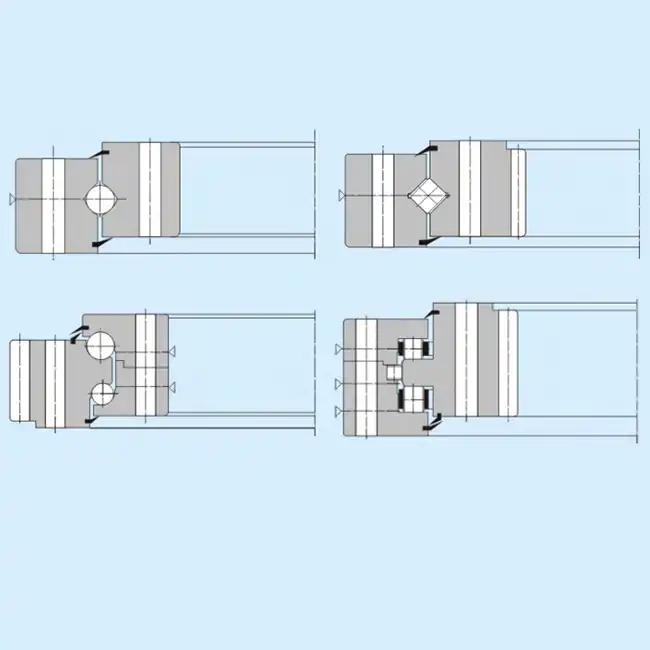
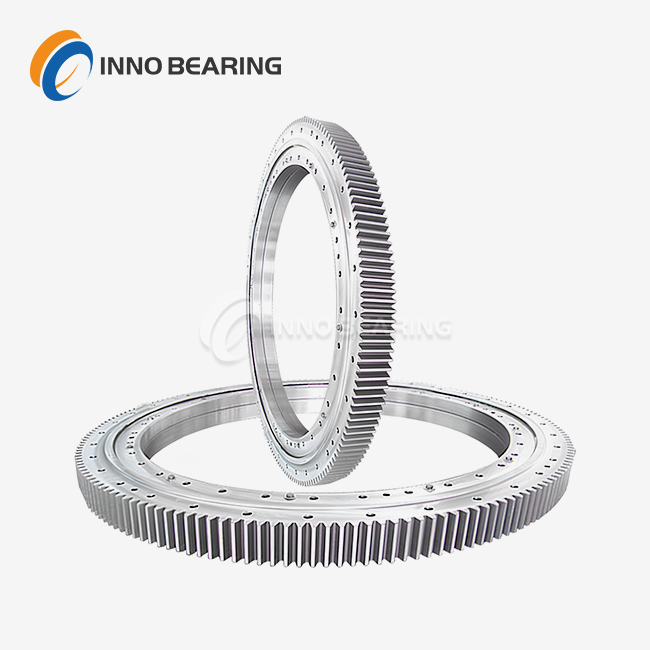
In many different types of businesses, slewing ring gears are very important parts that allow big machinery to rotate. These high-tech systems have both bearings and gear structures built right in. The inner and outer rings are made with straight or helix teeth that range from module 2 to 12. The heart is made up of steel balls or rollers with cages that are all completely forged to last as long as possible.
Mechanical Function and Structural Components
Modern slewing ring gears are built with gear teeth that are hard on the outside and have been cooled and carburized to get a hardness between HRC58 and HRC62. High-strength materials like 50Mn and 42CrMo steel are used for the inner and outer rings. GCr15 bearing steel or GCr15SiMn is used for the rolling elements to make them more resistant to impact. You can choose from nitrile rubber or fluororubber in sealing systems, which protect against oil leakage and high temperatures.
Knowing about these technical parts helps procurement managers see where performance is lacking and find ways to improve things. The combined design gets rid of traditional transmission parts, making the system simpler and more efficient in moving power in a wide range of situations, from tower cranes to port loading equipment.
Identifying Wear and Failure Indicators
By recognizing wear patterns and failure signs, you can decide to replace something before it fails in a big way. Material stress shows up as tiny cracks in gear teeth, especially when they are loaded and unloaded over and over again, like in wind turbines. When lubrication breaks down because of contamination or heat damage, there is more contact and the wear happens faster.
Some important warning signs are strange noises during spinning, more backlash than what the maker recommends, cracks that can be seen on the surface, and high working temps. Uneven wear patterns on gear teeth and bearing raceways are signs of misalignment. Regularly checking these signs through planned checks stops unexpected breakdowns and increases the life of the equipment.
Consequences of Delayed Replacement
Putting off changes that need to be done creates risks that affect both working safety and economic performance. The costs of machine downtime go up very quickly, especially in fields where equipment availability affects output directly, like mine and port operations. There are safety risks when old parts break under load, which could hurt people or damage equipment.
When worn slewing ring gears put stress on related machinery parts that are out of line, the damage is permanent. When motors, gears, and structural parts fail again, it costs more to fix and takes longer to get back up and running. These risks are kept to a minimum with proactive repair strategies that keep operations running smoothly.
When to Upgrade: Key Decision Factors
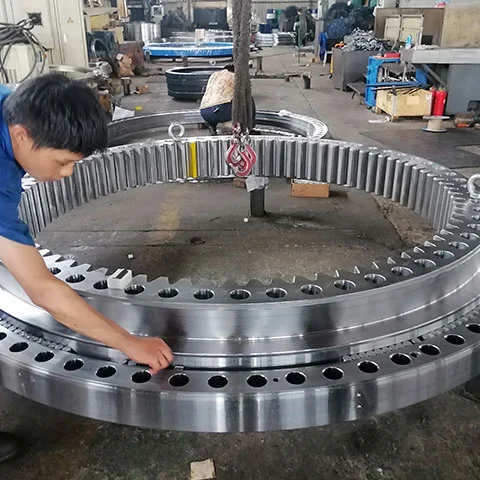
Finding the best time to upgrade takes a thorough analysis of technical requirements, practical needs, and new technologies. The main factor that guides decisions is the load capacity needed. Newer designs can handle higher horizontal and rotational loads than older ones. Precision standards are always changing, especially for uses that need accuracy at the nano level.
Technical Specification Analysis
To figure out a load capacity, you have to look at both steady and dynamic loading factors that are unique to each application. For example, wind energy systems need to be very resistant to wear under changing loads, while mining equipment needs to be able to handle big loads for a long time. Different businesses have very different requirements for precision. For example, aerospace uses need accuracy at the P4 level, while general heavy machinery needs accuracy at the P5 level.
Improvements in materials have led to better performance, such as higher resistance to corrosion for naval uses and wider temperature ranges for industrial processes. Modern methods of making things allow for tighter standards and better surface finishes, which helps keep noise levels below 60 dB and service times longer.
Industry-Specific Requirements
The performance requirements for slewing ring gear systems vary depending on the industry. The most important things for construction cranes are their greatest load-bearing capacity and their ability to work reliably in all kinds of weather. Precision movement control is important for wind turbines' blade pitch adjustment and center yaw systems, which means that movements must be very repeatable and have very little feedback.
Applications in ports and offshore areas need high levels of corrosion protection and proof that they meet marine standards. Construction in mining activities needs to be strong enough to resist harsh natural conditions like dust, water, and changes in temperature. For aerospace and defense uses, positioning accuracy must be very high, and custom designs must be supported by specialized engineering.
Performance Comparison Analysis
When you compare slewing ring gears to other options, you can see how they work better and how they help with operations. Traditional Slewing Bearings with different drive systems need more parts, which makes them more complicated and increases the amount of upkeep that needs to be done. Alternatives to worm gears have high reduction ratios, but they are less efficient and make more heat.
Integrated slewing ring gear designs get rid of gearbox parts and let you connect the motor directly. This simplification cuts down on servicing spots and makes the system more reliable as a whole. Performance benefits include higher power density, easier installation, and more accurate positional information because there is no gear train pushback.
How to Upgrade: Step-by-Step Replacement Guide
For slewing ring gear repair to go smoothly, it needs to be planned out and done according to set rules. A thorough evaluation before repair finds specific needs and makes sure that the right parts are chosen. For best performance and durability, the replacement method needs accuracy and close attention to detail.
Preparation and Assessment Phase
Diagnostic tools like vibration analysis, thermographic images, and dimensional measurement equipment are used in detailed checking processes. These tests show patterns of wear, problems with alignment, and trends in performance loss. Documenting current specs makes sure that replacement parts will work with the original ones.
Part selection includes choosing the right types of gears based on the needs of the application. When it comes to heavy-duty uses, forged construction is stronger, while welded designs are cheaper when working with mild loads. Standard setups work well for most uses, while cross roller designs make it easier to spread the load in important places.
Supplier Selection and Customization
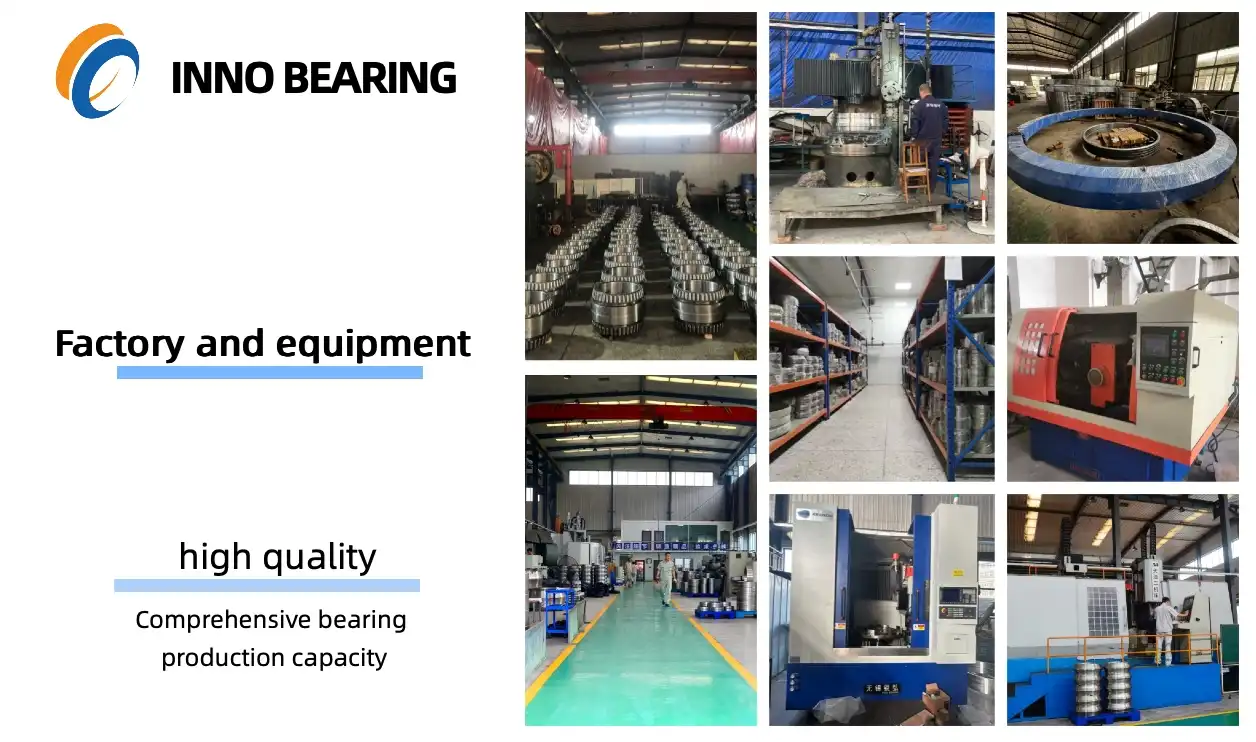
Working with respected suppliers guarantees access to high-quality parts and professional know-how. OEM customization options let you get the best results for specific uses, like when you need non-standard sizes or special materials. Large-scale applications are popular in wind energy and port equipment, and the manufacturing skills span up to φ5000mm.
Quality approvals, such as ISO 9001, CE marking, and standards specific to the business, give buyers peace of mind that the parts will work as expected. The technical support services help with application building and giving instructions on how to put things. Supply lines that are well-established make sure that deliveries happen on time and that parts are always available.
Installation and Verification Process
Careful steps for removal protect equipment around it while letting you get to the mounting connections. For accurate fitting, pay attention to the alignment limits and torque requirements. Optimizing lubrication means choosing the right types and amounts of grease based on the surroundings and how the machine is used.
Verification after installation through load testing and operating tracking makes sure that everything works right. Measuring the alignment makes sure that the gear mesh and bearing pressure spread are just right. Performance testing makes sure that working factors like noise levels, temperature rise, and positioning accuracy are correct.
Selecting the Right Slewing Ring Gear Supplier and Product
Finding providers who can produce quality slewing ring gear parts and provide reliable service support is key to successful procurement. Leading suppliers are different from commodity suppliers in terms of their manufacturing skills, licensing standards, and technical know-how. Strategic connections with suppliers allow for long-term slewing ring gear operational success and chances for growth all the time.
Supplier Evaluation Criteria
Reliable wait times make sure that projects stay on plan and that operations are interrupted as little as possible. Standard products are easy to get and can be replaced quickly in an emergency, and custom making is available for more specific needs. Clear price systems make budgeting and figuring out total costs easier.
Advanced machine tools and heat treatment facilities are used in manufacturing to make sure that quality and performance are always the same. Quality assurance is done by testing tools for dimensions, material properties, and performance proof. Certification that meets foreign standards shows that you care about quality and following the rules.
Global Manufacturing Landscape
Well-known brands like SKF, NSK, and TIMKEN have a world footprint and offer a wide range of products. Regional experts are better at customizing things and providing quick service support. Chinese makers offer competitive products because they use cutting-edge technology and have a lot of production capability.
Quality standards are getting higher among global providers, and a lot of them have reached levels of international approval. Technical skills allow for complicated customization and optimization that is tailored to a specific application. Distribution networks help people in their own communities and get items to people all over the world quickly.
Procurement Strategy Development
Using well-known methods of distribution gives you access to a wide range of products and expert help. Online sites make it easy to compare specifications and get quotes quickly. Local relationships make it easier to respond quickly to emergencies and provide ongoing service support.
Some ways to lower the risk are to qualify suppliers, make quality deals, and use tools to keep an eye on performance. Diversified supply networks keep competitive options open while lowering the risk of dependence. Long-term relationships allow people to work together on projects to grow and make things better all the time.
Maintenance and Longevity Tips Post-Replacement
For slewing ring gears to last as long as possible, they need to be maintained properly and monitored regularly. Effective maintenance plans are built on good lubrication management, and regular checks help find problems before they get too bad. Protecting the environment makes parts last longer in tough working situations.
Lubrication Management Programs
When to lubricate depends on how the machine is being used, how often it is loaded, and weather factors. Types of grease that are suggested by the industry offer the best protection for certain uses, and synthetic versions work better in harsh conditions. The right amount of lubricant keeps things from getting too greased up and makes sure they are protected.
Lubrication purity is maintained by using effective sealing systems and clean handling methods to keep it clean. Condition tracking by taking samples of grease and analyzing them shows patterns of wear and contamination problems. Automated lube systems make sure that the right amount of oil is applied every time and avoid the need for extra repair work.
Inspection and Monitoring Procedures
Visual checks done on a regular basis find wear patterns, seal conditions, and contamination problems before they become major problems. Vibration tracking tools find problems with bearings and worn gear teeth early on. Temperature tracking shows problems with lubrication and overheating.
With dimensional measures, you can see how wear and alignment changes over time. Performance tracking includes checking the correctness of positioning, measuring backlash, and making sure that the required torque is met. Documentation tools make it possible to look at trends and plan repair ahead of time.
Environmental Protection Strategies
Protecting parts from water, dust, and chemical pollution makes them last a lot longer. Maintenance on the sealing system keeps the surroundings safe for as long as it's in use. In important situations, climate control systems keep temperatures and humidity levels from getting too high or too low.
In naval settings, it's important to stop corrosion by choosing the right materials and applying protective coatings. When you clean regularly, you get rid of contaminants before they do any damage. The way that extra parts are stored keeps their quality until they are installed.
Conclusion
The choice to replace the slewing ring gear is a strategic one that must take into account practical needs, technical progress, and cost concerns. To update successfully, technical specs must be carefully looked over, suppliers must be carefully chosen, and upkeep must be done in a disciplined way. Knowing the signs of failure lets you decide ahead of time when to replace something, and following the right installation steps guarantees the best performance. Modern manufacturing techniques make better products for a wide range of uses, from heavy building tools to wind energy systems. Strategic relationships with qualified providers help businesses be successful in the long run by providing reliable parts and expert support.
FAQ
When should I replace my slewing ring gear?
If your slewing ring gear makes strange noises when it's working, has more backlash than the maker recommends, gear teeth cracks that you can see, or works at high temperatures, it needs to be replaced. Setting up regular review times helps find these warning signs before they turn into major problems.
What are typical lead times for custom slewing ring gear production?
Depending on the size and complexity, making a custom slewing ring gear usually takes 4 to 8 weeks. Standard layouts may be in stock and can be delivered within 48 hours. However, wait times are longer for customized designs that need special materials or specs to meet the needs of manufacturing and quality testing.
Can I upgrade from standard to high-precision slewing ring gears?
If you do the right compatibility check, you can upgrade to high-precision slewing ring gears. Think about the size of the attaching interface, the load capacity needed, and the control system's abilities. For best performance, high-precision systems may need more complex construction methods and unique upkeep methods.
What materials are recommended for harsh environment applications?
42CrMo steel structure with better closing systems works well in harsh environments. Materials that don't rust and special treatments are needed in marine settings. For high-temperature uses, fluororubber seals and synthetic lubricants made for harsh conditions are used.
Expert Slewing Ring Gear Solutions from INNO Bearing
INNO Bearing offers high-quality slewing ring gear options for tough uses by combining 30 years of manufacturing experience with cutting-edge production tools. Our wide range of products includes sizes from φ200mm to φ5000mm, and we can make them fit your specific needs. Surface hardness of HRC58–62 and precision accuracy at the P4 level are guaranteed by good production methods. For expert advice and unique quotes, email our technical team at sales@inno-bearing.com. As a top maker of slewing ring gears, we provide fast shipping and full support services to help you get the most out of your machinery anywhere in the world.
References
International Organization for Standardization. "Rolling Bearings - Slewing Bearings - Part 1: Design and Calculation." ISO 14728-1:2017.
American Bearing Manufacturers Association. "Load Ratings and Fatigue Life for Ball Bearings." ABMA Standard 9-1990.
Wind Power Engineering & Development Magazine. "Bearing Technology Advances in Wind Turbine Applications." Annual Technical Review 2023.
Society of Manufacturing Engineers. "Precision Manufacturing Techniques for Large Diameter Bearings." Technical Publication MP23-156.
International Association of Ports and Harbors. "Heavy Lifting Equipment Reliability Standards." Marine Engineering Guidelines 2022.
Machinery Maintenance & Reliability Conference Proceedings. "Predictive Maintenance Strategies for Rotating Equipment." Conference Publication 2023-47.

Learn about our latest products and discounts through SMS or email