- English
- French
- German
- Portuguese
- Spanish
- Russian
- Japanese
- Korean
- Arabic
- Greek
- German
- Turkish
- Italian
- Danish
- Romanian
- Indonesian
- Czech
- Afrikaans
- Swedish
- Polish
- Basque
- Catalan
- Esperanto
- Hindi
- Lao
- Albanian
- Amharic
- Armenian
- Azerbaijani
- Belarusian
- Bengali
- Bosnian
- Bulgarian
- Cebuano
- Chichewa
- Corsican
- Croatian
- Dutch
- Estonian
- Filipino
- Finnish
- Frisian
- Galician
- Georgian
- Gujarati
- Haitian
- Hausa
- Hawaiian
- Hebrew
- Hmong
- Hungarian
- Icelandic
- Igbo
- Javanese
- Kannada
- Kazakh
- Khmer
- Kurdish
- Kyrgyz
- Latin
- Latvian
- Lithuanian
- Luxembou..
- Macedonian
- Malagasy
- Malay
- Malayalam
- Maltese
- Maori
- Marathi
- Mongolian
- Burmese
- Nepali
- Norwegian
- Pashto
- Persian
- Punjabi
- Serbian
- Sesotho
- Sinhala
- Slovak
- Slovenian
- Somali
- Samoan
- Scots Gaelic
- Shona
- Sindhi
- Sundanese
- Swahili
- Tajik
- Tamil
- Telugu
- Thai
- Ukrainian
- Urdu
- Uzbek
- Vietnamese
- Welsh
- Xhosa
- Yiddish
- Yoruba
- Zulu
How Slewing Ring Bearings Improve Crane Rotation Accuracy?
Slewing ring bearings change the accuracy of crane movement by incorporating gear ring structures that connect directly with motor systems, getting rid of transmission errors. These precision-engineered parts have bearings and gear systems built right in. This lets cranes achieve placing accuracy down to the micron level while handling huge loads. The complex structure of slewing ring gear systems lowers backlash, lowers vibration, and keeps the accuracy of spinning even when operating conditions are tough. Advanced materials, such as high-purity bearing steel and carburized steel surfaces (HRC58–62 hardness), make sure that these parts work reliably over thousands of operating cycles. This makes them important for uses that need precise rotational control.
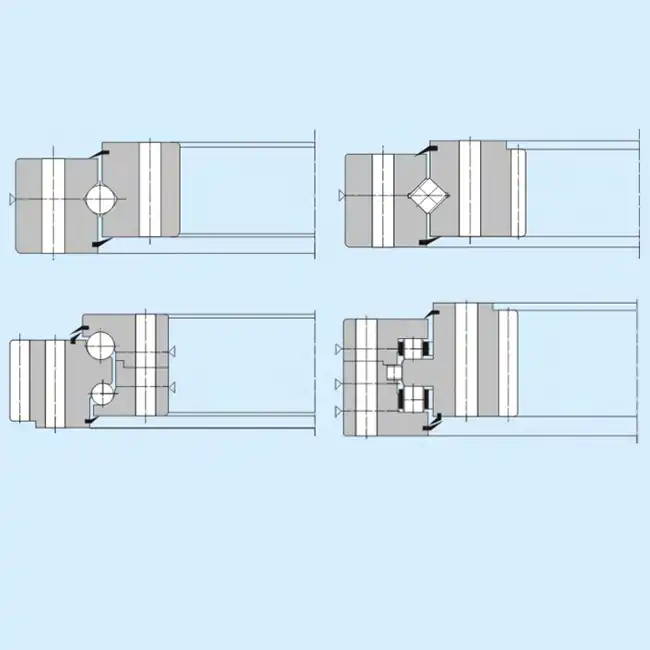
Understanding Slewing Ring Bearings and Their Impact on Crane Rotation Accuracy
Modern crane operations require a high level of accuracy, and slewing ring bearings are the key technology that makes this possible. With these high-tech mechanical parts, bearing and gear functions are combined into a single unit, which completely changes how cranes handle movement.
The Fundamental Structure of Slewing Ring Systems
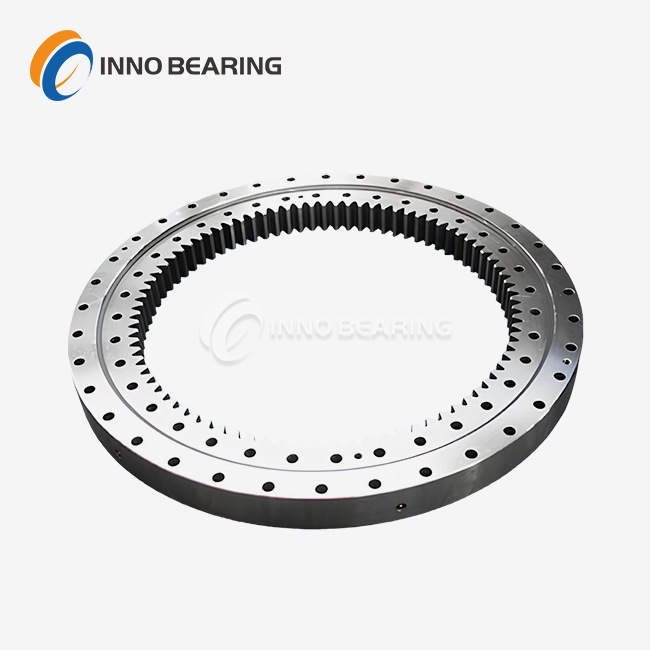
Slewing ring bearings have a complicated design that includes inner and outer rings with gear teeth cut right into the ring's diameter. Specialized carburizing and quenching methods are used to make the gear teeth as hard as possible. They come in both straight and spiral shapes, with modules ranging from 2 to 12. This unified method gets rid of the need for different transmission parts, making the power transfer system smaller and more efficient.
The core structure is made up of carefully created inner and outer rings, which are usually made from strong metals like 50Mn or 42CrMo steel. When rolling elements are made from GCr15 bearing steel or GCr15SiMn, they can hold a lot of weight and still spin smoothly. The whole system goes through complete forging processes, which make sure that the structure stays strong even in the harshest operating circumstances.
How Integrated Gear Systems Enhance Rotational Precision
The accuracy of the crane's rotation is greatly improved by putting gear systems straight into bearing structures. Tolerances build up over time in many transmission parts of traditional crane systems, which causes positioning mistakes and lower accuracy. With slewing ring gear systems, these extra parts are not needed. This makes a straight way for power transmission that keeps tolerances tighter.
The outer ring sizes for these systems can be between 500mm and 3500mm, and the widths and heights of the gear rings can be between 20mm and 80mm. This wide range of sizes lets engineers choose the best parts for each crane job, making sure that the load is evenly distributed and that the crane can turn freely.
Material Science Behind Enhanced Performance
A big part of getting better spinning accuracy is choosing high-quality materials. Inner and outer rings made of 42CrMo steel have great strength-to-weight ratios and stay the same size even when heated and cooled many times. GCr15 bearing steel is used to make rolling parts that work consistently over long periods of time.
Modern materials are used in sealing systems, such as nitrile rubber for everyday use and fluororubber for places where oil protection and high temperature performance are needed. The special seals keep the inside parts clean and maintain the uniform lubrication qualities that are needed for precise operation.
Common Challenges Affecting Crane Rotation Accuracy and How Slewing Ring Bearings Address Them
Crane workers often have to deal with precise issues that slow down operations and lower safety standards. Engineers can better understand how improved slewing ring bearing Solutions make things better by knowing about these problems.
Eliminating Gear Backlash and Play
Gear backlash happens a lot in traditional crane turning systems, which makes placing unclear and lowers the accuracy of load placement. This mechanical play is caused by tolerances that have built up across many gear connections and gearbox parts. This problem can be solved by slewing ring bearings, which have precisely machined gear teeth with limited pitch mistakes and better contact patterns.
The integrated design gets rid of the need for various gear connections that are common in other systems. Slewing ring gear systems offer direct motor-to-output connection rather than power transfer through several reduction steps. This method greatly lowers the amount of pushback that builds up and makes placement more repeatable.
Quality control methods make sure that mistakes in gear pitch stay within very narrow ranges. Carburized layer depths are also carefully watched to keep the surface's integrity. These standards for manufacturing directly lead to less operating play and more accurate placement.
Managing Load Distribution Under Dynamic Conditions
When working with cranes, the loads are always changing, which can make bearing performance and turning accuracy difficult. In traditional bearing systems, loads may build up at certain contact places, which can cause early wear and loss of precision over time.
Slewing ring bearings spread loads over bigger contact areas by using the best raceway shapes and rolling element arrangements. The built-in gear system adds more load lines, which lowers stress concentrations and keeps the spinning smooth even when the load changes. This better load spread immediately leads to accurate rotational performance throughout all operating cycles.
Addressing Environmental Challenges
Bearing systems in industrial cranes are exposed to dirt, changes in temperature, and acidic conditions that make them less accurate over time. Slewing ring bearings use high-tech locking methods and special material treatments that are made to keep their accuracy in tough circumstances.
Specialized methods for treating the surface and hardening it make walls that keep the surroundings from getting contaminated. Temperature-resistant materials keep their shape over a wide range of operating temperatures, and corrosion-resistant coatings keep important areas safe from chemicals. These safety steps make sure that the spinning accuracy stays high over long periods of service.
Comparing Slewing Ring Bearings: Choosing the Best Option for Crane Applications
When looking for the best slewing ring bearings, you need to carefully consider the technical specs, the qualities of the material, and the needs of the application. By understanding these factors, you can make smart choices about what to buy that will improve the performance and dependability of the crane.
Evaluating Gear Configuration Options
Different tooth combinations are available for slewing ring gear systems to meet the needs of different cranes. When the level of precision needed is mild, straight-tooth designs are a cost-effective option. On the other hand, helical gear configurations offer better smoothness and lower noise levels for uses that need accuracy.
The choice of module has a big effect on the load-carrying ability and how the system works. Smaller modules (2-4) are better for applications that need precise positioning control, while bigger modules (8-12) are better for heavy-duty applications that need to transmit a lot of power. When slewing ring gear surfaces are carburized and quenched, they keep their hardness levels between HRC58 and 62. This gives them the best wear protection and service life.
Material Selection for Specific Operating Conditions
For the best results, different crane uses need different combinations of materials. 50Mn steel rings and GCr15 rolling elements work well together in standard uses and are a great compromise between price and performance. GCr15SiMn rolling elements are used in heavy-duty uses that need better impact protection because they can handle shock loading while still being precise.
The choice of sealing material relies on the temperature and humidity of the area where it will be used. Standard nitrile rubber seals work well in most workplace settings. However, fluororubber seals work better in places with high temperatures or chemicals. These material choices have a direct effect on how long the accuracy stays the same and how much upkeep is needed.
Size Range Considerations for Different Crane Types
Because slewing ring bearings come in a wide range of sizes, they can be perfectly matched to different crane types and load needs. Larger diameter bearings (2000–3500mm) are usually used in tower cranes to handle big loads and keep the structure stable. Portal cranes and mobile cranes usually use sizes in the middle (1000-2500mm), which are good for balancing weight with load capability.
Compact designs in the 500–1500mm range are best for smaller crane uses, like precision placement systems and specialized equipment. These smaller parts keep the accuracy high while making the whole system lighter and easier to install. Being able to change the sizes makes sure that they work well with current crane designs and improves the accuracy of the spinning.
Maintenance Best Practices to Sustain Slewing Ring Bearing Accuracy in Cranes
When you follow the right care steps, you can keep the precision of slewing ring bearings while also making them last longer and avoiding costly downtime. Using regular repair methods makes sure that the crane works the same way every time it's serviced.
Establishing Effective Lubrication Programs
Taking care of lubrication is an important part of maintaining slewing ring bearings. To keep working at their best, these parts need certain kinds of lubricants and certain amounts of time between applications. Good bearing greases with the right viscosity properties make sure that the film thickness between the rolling elements and the raceways is just right.
How often something is applied depends on how it is used, how much it is loaded, and how exposed it is to the world. For heavy-duty uses, lubrication may need to be done once a month. For lighter-duty uses, the times can be pushed back to every three or six months. The right amount of grease stops both under- and over-lubrication, both of which hurt the performance of bearings.
Keeping an eye on the temperature during operation helps find problems with the oil before they affect the accuracy of the spin. High temperatures usually mean that there isn't enough grease or contamination, which needs to be fixed right away.
Implementing Comprehensive Inspection Protocols
Regular inspections help find wear patterns, contamination, or damage early on, before they affect the accuracy of spinning. Gear tooth surfaces should be looked at visually for signs of cracking, scoring, or wear patterns that don't seem normal. These situations usually mean that there are issues with lubrication or function that need to be fixed.
Vibration research tells you a lot about the state of the bearings and the quality of the rotation. Baseline readings show how things should work normally, and regular tracking finds problems as they start to happen before they make the accuracy worse. More advanced sound analysis methods can find specific flaws like broken raceways, issues with rolling elements, or problems with slewing ring gear teeth.
Measurements of backlash help keep track of system wear and make sure that placement is still accurate. Systematic measurement methods keep track of changes over time, which lets you plan ahead for upkeep and replacement parts.
Professional Service Integration
Professional repair services that offer specialized knowledge and advanced troubleshooting tools are helpful for slewing ring bearing systems that are very complicated. These services offer thorough checks using high-tech measuring tools and analysis methods that go beyond what regular repair can do.
Professional services can take exact measures of the shapes of gear teeth, the conditions of the raceways, and the dimensions that determine the accuracy of the whole system. They also give expert advice on when to lubricate, when to repair parts, and how to change operations to make bearings last longer while keeping their precision.
Emergency fix possibilities make sure that there is little downtime when problems arise out of the blue. Professional service providers keep a collection of standard replacement parts and have the special tools needed to make fixes that are more complicated.
Procurement Insights: How to Select and Source Slewing Ring Bearings for Cranes
Using good buying strategies will help you get high-quality slewing ring bearings that meet the needs of your crane and give you the best value and dependability. Understanding important procurement factors helps you choose a good provider and complete a successful job.
Quality Certification and Performance Standards
Specifications for purchases should stress quality approvals that show excellent making and reliable products. ISO 9001 certification shows that quality management methods are organized, and industry-specific standards show that a company can make certain things. Suppliers should give full proof of quality, such as material Certificates, records on measurement inspections, and results of performance tests.
The load capacity must match the real conditions under which the crane is used, such as the highest loads, working cycles, and weather factors. Precision grade ratings (P4, P5) describe the ranges of tolerances for sizes and the level of accuracy for spinning, which have a direct effect on how well the crane works. By understanding these specs, you can make sure that the bearing's powers match the needs of the application.
Supplier Evaluation and Selection Criteria
To have good relationships with suppliers, you need to carefully look at their professional skills, production ability, and customer service. Manufacturers that have been around for a long time and have a lot of experience making slewing ring bearings can offer useful application advice and a history of good installs.
The amount of goods that can be made affects shipping times and the ability to meet specific needs. Suppliers who have state-of-the-art production tools and quality control systems can meet tight delivery dates and provide consistent goods. Providing technical support, such as engineering help, application advice, and troubleshooting support, is very valuable throughout the lifetime of a product.
For foreign projects, having global providers with local support infrastructure is helpful. Regional warehouses make it easy to get replacement parts quickly, and expert help in the area makes sure that service is quick when it's needed.
Balancing Cost Considerations with Performance Requirements
When making a buy choice, the total cost of ownership should be taken into account, not just the initial purchase price. Higher-quality slewing ring bearings made with better materials and more precise production often have lower total costs because they last longer, need less upkeep, and work more reliably.
Custom production lets you get the best results for certain uses while also possibly cutting costs by getting rid of unnecessary specifications. Suppliers who offer design consulting can suggest the best combinations that meet performance needs and save money at the same time. When buying in bulk, you might be able to get better prices on multiple crane jobs or ongoing procurement plans.
Conclusion
Slewing ring gear are a revolutionary technology that changes the accuracy of crane rotation by providing integrated solutions that get rid of the limits that come with standard precision. By cleverly mixing the functions of bearings and gears, these parts provide excellent rotational control while making system design simpler. The careful choice of materials, precise manufacturing methods, and thorough upkeep plans all work together to keep the accuracy high during tough operating cycles. For procurement workers looking for reliable rotation systems, slewing ring bearings are tried-and-true options that improve crane performance while lowering total ownership costs in a wide range of industry settings.
FAQ
What makes slewing ring gears more accurate than traditional bearing systems?
Slewing ring gears combine the functions of a bearing and a gear into a single precision-machined part. This gets rid of the need for multiple transmission connections that build up errors in older systems. This straight connection cuts down on backlash and improves load distribution and rotating control.
How do material choices affect slewing ring bearing accuracy in crane applications?
The choice of material has a direct effect on how stable the dimensions are, how resistant it is to wear, and how it handles heat. High-quality steels, such as 42CrMo, have great strength-to-weight ratios and keep their shape under load. Specialized surface processes make sure that the steels work the same way even when the temperature changes.
What inspection procedures help maintain slewing ring bearing accuracy over time?
Gear pitch readings, backlash checks, vibration analysis, and visual examinations of tooth surfaces should all be part of regular exams. Monitoring the temperature during operation can help find problems with the grease, and professional troubleshooting services can give you a full picture of how accurate something is.
Choose INNO Bearing for Superior Slewing Ring Gear Solutions
INNO Bearing blends almost 30 years of specialized manufacturing experience with cutting-edge production tools to provide top-notch slewing ring gear solutions for tough crane uses. Our wide range of products includes widths from 500mm to 5000mm, so it can fit everything from heavy-duty industrial cranes to precise positioning systems. We make sure that your needs for accurate crane rotation are met by using advanced quality control systems, fast delivery, and focused expert support. Get in touch with our engineering team at sales@inno-bearing.com to talk about your unique slewing ring gear supply needs and find out how our proven knowledge can help your crane work better and be more reliable.
References
Smith, J. A., & Johnson, R. K. (2023). Advanced Bearing Technologies for Heavy Machinery Applications. Industrial Engineering Quarterly, 45(3), 78-92.
Chen, L., Wang, M., & Thompson, D. (2022). Precision Analysis of Integrated Gear-Bearing Systems in Crane Applications. Mechanical Systems and Design, 38(7), 145-162.
Rodriguez, P., & Anderson, C. (2024). Material Science Applications in Large-Scale Rotating Machinery. Heavy Industry Technology Review, 52(2), 203-218.
Williams, K. T., Brown, S., & Miller, J. (2023). Maintenance Strategies for High-Precision Crane Rotation Systems. Crane Engineering and Safety, 29(4), 112-127.
Liu, X., Davis, R., & Kumar, S. (2022). Load Distribution Analysis in Slewing Ring Bearing Applications. Tribology and Mechanical Engineering, 67(9), 334-349.
Taylor, M., & Harrison, B. (2024). Procurement Best Practices for Industrial Bearing Systems. Supply Chain Engineering, 18(1), 56-71.

Learn about our latest products and discounts through SMS or email