- English
- French
- German
- Portuguese
- Spanish
- Russian
- Japanese
- Korean
- Arabic
- Greek
- German
- Turkish
- Italian
- Danish
- Romanian
- Indonesian
- Czech
- Afrikaans
- Swedish
- Polish
- Basque
- Catalan
- Esperanto
- Hindi
- Lao
- Albanian
- Amharic
- Armenian
- Azerbaijani
- Belarusian
- Bengali
- Bosnian
- Bulgarian
- Cebuano
- Chichewa
- Corsican
- Croatian
- Dutch
- Estonian
- Filipino
- Finnish
- Frisian
- Galician
- Georgian
- Gujarati
- Haitian
- Hausa
- Hawaiian
- Hebrew
- Hmong
- Hungarian
- Icelandic
- Igbo
- Javanese
- Kannada
- Kazakh
- Khmer
- Kurdish
- Kyrgyz
- Latin
- Latvian
- Lithuanian
- Luxembou..
- Macedonian
- Malagasy
- Malay
- Malayalam
- Maltese
- Maori
- Marathi
- Mongolian
- Burmese
- Nepali
- Norwegian
- Pashto
- Persian
- Punjabi
- Serbian
- Sesotho
- Sinhala
- Slovak
- Slovenian
- Somali
- Samoan
- Scots Gaelic
- Shona
- Sindhi
- Sundanese
- Swahili
- Tajik
- Tamil
- Telugu
- Thai
- Ukrainian
- Urdu
- Uzbek
- Vietnamese
- Welsh
- Xhosa
- Yiddish
- Yoruba
- Zulu
Selecting the Right Thrust Bearing for Axial Load Control
To get the best performance from your machinery, you need to know the load requirements, working conditions, and material specs of the thrust bearing you want to use for axial load control. These special bearings control rotational forces in spinning systems, keeping the shaft from moving and ensuring smooth operation in a wide range of industrial settings. When making the right choice, you need to think about things like the load capacity, the speed needs, the surroundings, and the precise grades that will meet the needs of your operation.
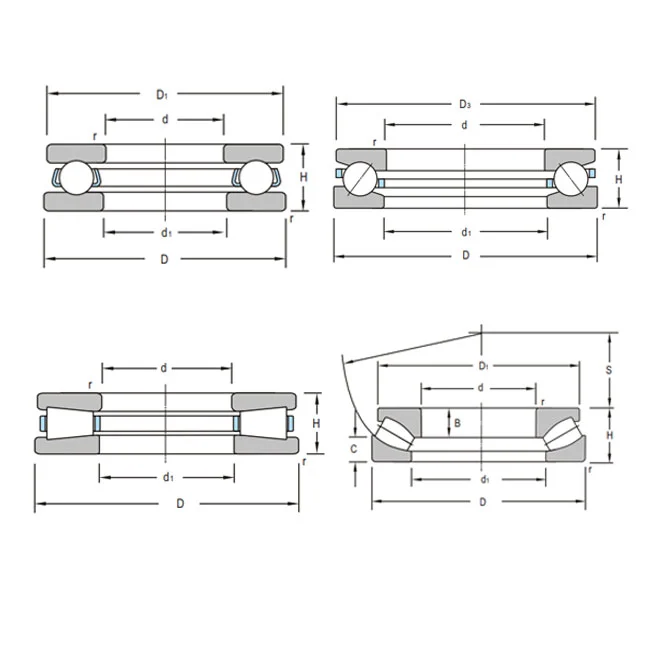
Understanding Thrust Bearings and Their Role in Axial Load Control
Thrust bearings are special mechanical parts that are made to handle rotational loads in systems with spinning machinery. Instead of dealing with forces that are perpendicular to the shaft axis like radial bearings do, these parts deal with forces that are parallel to it. This keeps the parts in the right place and ensures they are stable during operation.
Fundamental Working Principles and Performance Parameters
The main idea behind how it works is that load is spread out by moving elements that are placed between the shaft and housing washers. Ball thrust bearings use steel spheres to spread light axial loads across contact points. Roller types, on the other hand, use circular or curved rollers to carry more weight. Some important performance factors that directly affect how well machinery works are its static load rates, dynamic load capacity, and rotational stiffness traits.
Modern designs for thrust bearings use exact metallurgy specs and GCr15 and GCr15SIMN materials, which are the hardest and least likely to wear down. It can handle loads ranging from a few hundred newtons for light uses to over 1,200kN for heavy-duty industrial systems. As is known in engineering, the connection between load capacity and bearing geometry is based on the idea that bigger contact areas allow for higher load rates.
Types and Load Handling Capabilities
Ball thrust bearings work best when there is a mild load and the spinning needs to be smooth with little friction. These systems are able to handle axial loads and some radial loads in certain combinations. Common uses include turning systems for cars, machine tool wheels, and precision equipment that needs to be able to control its axial position.
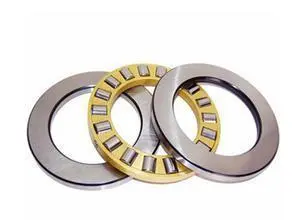
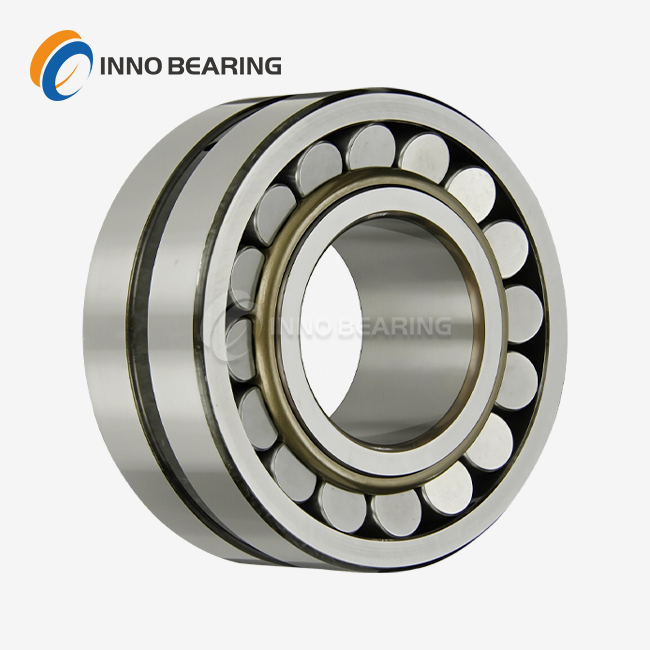
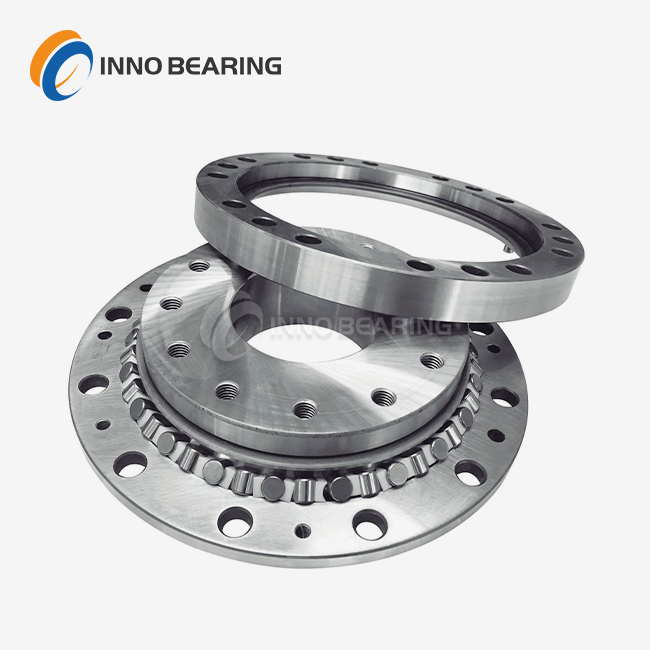
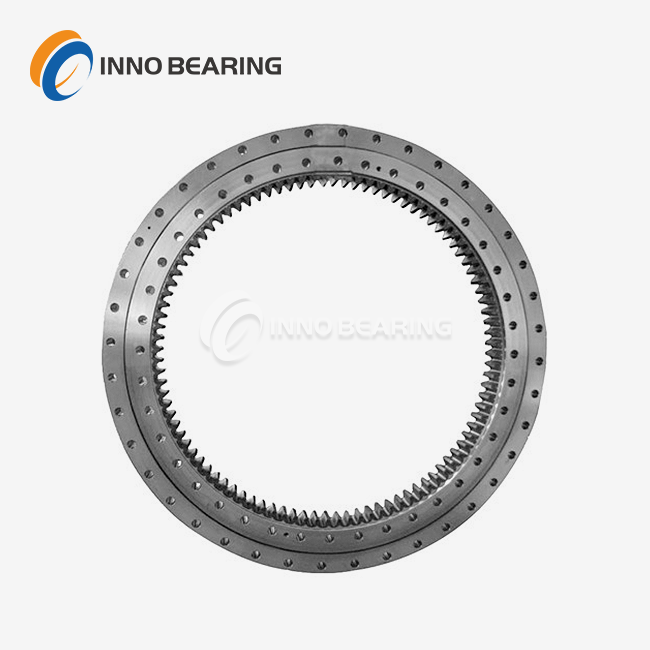
Roller thrust bearings can carry more weight because the contact area between the rollers and raceways is bigger. The cylinder-shaped or tapered roller shape better spreads forces across the bearing surfaces, allowing them to work with heavy rotational loads. Strong vertical support is still important in industrial uses like crane slewing systems, mining equipment, and large machines.
Distinguishing Thrust from Radial Bearing Applications
The main difference is in how well you can control force direction. Radial bearings support rotating systems against gravity and practical loads by dealing with forces that are perpendicular to the shaft centers. Thrust bearings are designed to handle parallel forces that could otherwise move an axial shaft or mess up the orientation of a system.
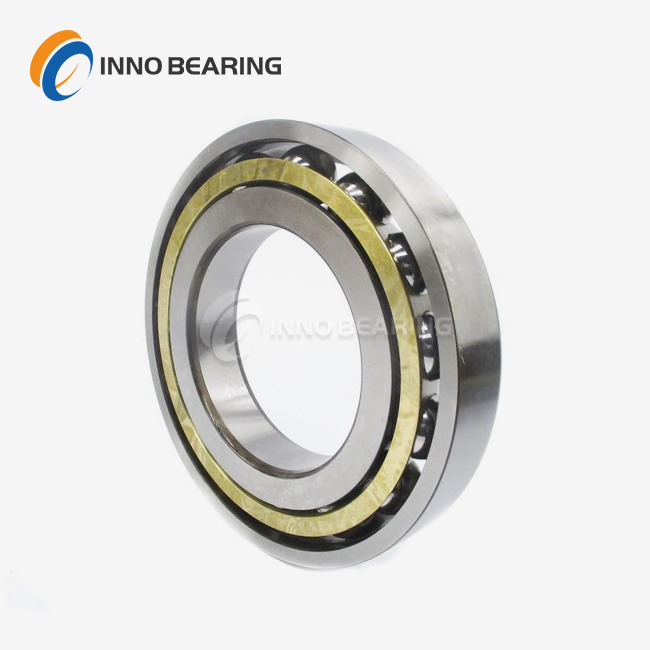
When dealing with combined lifting cases, it's often necessary to do a lot of research to find the best bearings. Even though angular contact bearings can handle both radial and axial loads at the same time, specialized thrust bearings are still better for situations where axial loads are more common. When choosing between bearing types, engineering teams have to look at things like force directions, operating speeds, and the level of accuracy needed.
Critical Criteria for Selecting the Right Thrust Bearing
To choose the right bearings, you need to look at a lot of factors, including the operating conditions and the surroundings. This organized method makes sure the best performance and stops things from breaking down too soon or not being able to handle enough weight.
Load Capacity Assessment and Speed Considerations
Criteria for choosing a bearing are based on its static and dynamic load values. Dynamic load ratings show how much weight something can hold when it's moving, while static load ratings show how much weight something can hold when it's fixed and not permanently deformed. Depending on how important the application is and how easy it is to do upkeep, safety factors are usually between 2 and 5 times the expected operating loads.
Limits on speed are directly related to the shape of the bearings, how they are oiled, and how well they can get rid of heat. Due to the way rolling elements move, ball thrust bearings can usually handle higher spinning speeds. On the other hand, roller designs work best at lower speeds with heavy loads. When you add up the bore width and rotating frequency, you get the speed factor (DN value), which gives you a standard way to compare different bearing setups.
The operating temperature affects the choice of material and the amount of grease that is needed. Standard bearing steels keep their traits between -20°C and 120°C, while special versions raise the temperature ranges where they can be used. Heat from friction and outside sources needs to be taken into account when choosing a bearing so that the grease doesn't break down or the material's properties don't change.
Material Options and Environmental Factors
The choice of bearing material has a direct effect on how long it lasts and how well it works. For common industrial uses, standard GCr15 steel is very cost-effective and very good at resisting wear. GCr15SIMN formulas that have been improved offer better hardenability and strength for tough working conditions.
Specialized materials are used to solve specific environmental problems. Ceramic rolling parts are lighter and better at keeping electricity from leaking and resisting rust. Combining steel raceways with ceramic rolling elements in hybrid designs improves efficiency while keeping material costs low.
Certain sealing choices keep grease in while keeping internal parts clean. Open thrust bearing designs let the most speed happen and let heat escape, but they need safety measures that are outside the bearing. Sealed versions have rubber or metal covers that keep contaminants out and keep the oil working properly, but they limit the fastest speeds that can be used.
Precision Grades and Noise Considerations
Precision of the bearing has a direct effect on how accurately it rotates, how much it vibrates, and how much noise it makes. Standard P0 grade bearings are accurate enough for most industry uses, while P6 grades offer better performance by being more accurate in their dimensions. Precision P5 bearings offer better accuracy for important tasks that need little friction and runout.
When it comes to medical tools, precision machinery, and places that can't handle noise, noise traits become very important. The acoustic performance is affected by the shape of the bearing, the quality of the surface finish, and the production flaws. Modern methods of making things, like precise cutting and specialized heat treatment, greatly lower the noise level of operations.
Comparing Popular Thrust Bearing Options in the Market
Knowing the different bearing options lets you make smart buying choices that meet the needs of your application and your budget. A study of the market shows that different types of bearings and makers have different performance traits and cost factors to think about.
Ball versus Roller Thrust Bearing Comparison
Ball thrust bearings are better in situations where mild loads need to be handled smoothly and quietly. The point contact shape between the balls and the raceways makes the friction coefficients smaller, which lets the balls spin faster and generate less heat. Because of these qualities, ball bearings are perfect for use in cars, machine tools, and other fine equipment where speed and smoothness are still important.
Roller thrust bearings work great in heavy-duty situations that need to carry the most weight. Line contact between rollers and raceways spreads forces over a bigger surface area, which makes it possible for much higher load rates than with ball bearings of the same size. This better ability to carry weight is useful for industrial cranes, mining tools, and steel mill works.
Different types of bearings have very different ways of distributing load. There are specific contact places where forces are concentrated in ball bearings. This creates stress concentrations that limit the maximum load capacity. Roller bearings spread loads across contact lines, which lowers stress clusters and lets them work with strong rotational forces. This basic difference is what drives choices about which bearings to use in different situations.
Leading Manufacturers and Their Key Differentiators
Bearings made by well-known companies have clear benefits thanks to their advanced technical skills and quality control systems. SKF focuses on using high-tech materials and making sure that every bearing is made precisely. This means that their bearings last longer and need less upkeep. As part of their engineering help, they can analyze applications and make changes to meet specific business needs.
Timken is an expert in curved roller technologies that work especially well in big industrial settings. Because they know a lot about metals, they can make bearings that can handle heavy loads and rough working conditions. NSK focuses on precision applications, with a focus on reducing noise and making sure that equipment for medical and electrical uses runs smoothly.
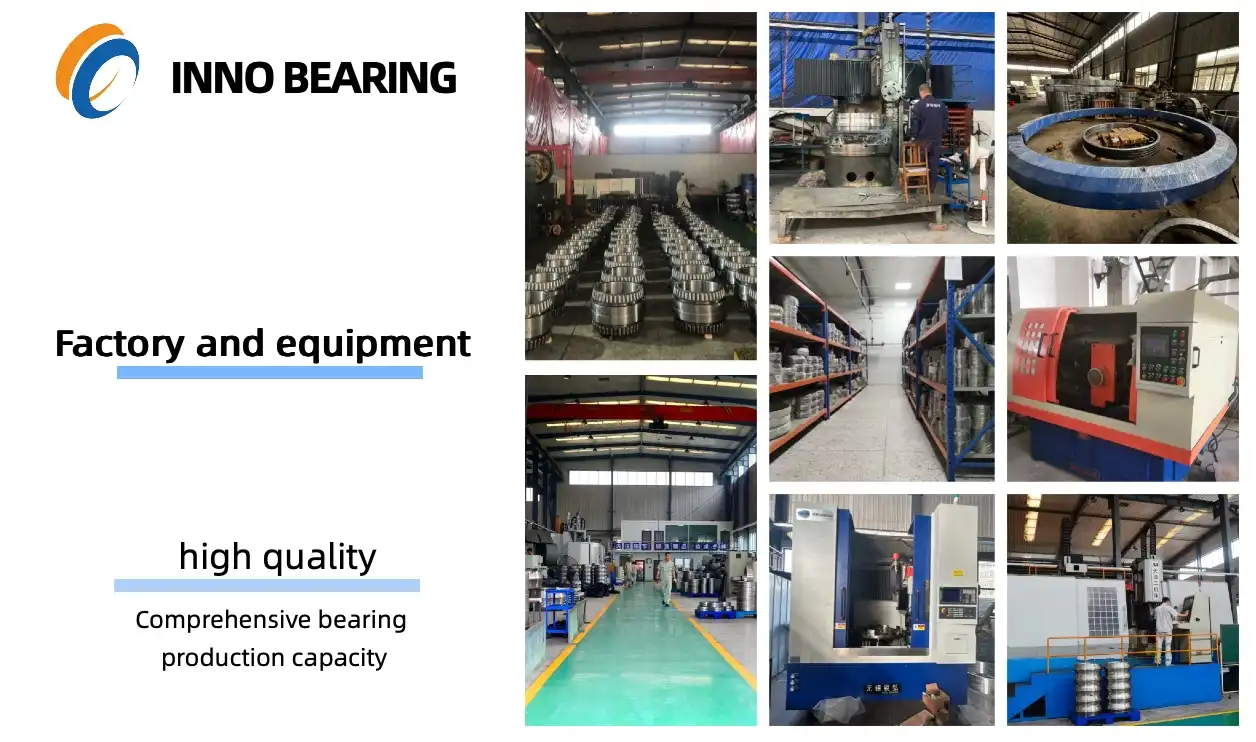
New companies, like INNO Bearing, are coming up with cheaper alternatives that can make bearings with big diameters and other non-standard shapes. Modern industrial tools and quality control systems make it possible to make special bearings that meet the needs of specific applications while keeping prices low.
Customization Advantages and Considerations
Standard stock goods can't solve all the problems that come up in specific applications, but customized bearing Solutions can. Different shapes, special materials, and better closing systems make it possible for things to work in harsh conditions like high temperatures, corrosive surroundings, and odd loading patterns. Original equipment makers (OEMs) that need specific performance qualities find customization to be especially useful.
Lead time factors weigh the benefits of customization against the need for on-time delivery. Standard thrust bearings can be shipped within days or weeks, but custom versions may take up to a few months to plan, make tools for, and make. When planning a project, these different timelines must be taken into account, and enough extra parts must be available for upkeep needs.
A study of costs shows that the economics of tailoring depend on the number of orders and the amount of complexity. The initial costs of engineering and making tools are spread out over a large number of units, which makes customization economically possible for large amounts. For uses with lower volumes, tweaked standard designs may work better than full custom solutions.
Practical Advice for Procurement and Installation
To buy bearings successfully, you need to carefully evaluate suppliers and plan the installation in great detail. These things have a direct effect on how reliable the system is, how much it costs to maintain, and how well it works overall over its bearing service life.
Supplier Reliability and Product Authenticity
When evaluating a supplier, you should look at their manufacturing skills, quality control methods, and expert help options. Established providers keep full testing facilities that let you check the performance features of bearings before they are shipped. Quality certifications, such as ISO 9001 and standards relevant to the business, give customers faith in the manufacturing process and the stability of the products they buy.
With fake bearings getting into supply lines, it's becoming more and more important that products are real. Real bearings go through a lot of quality control steps, such as checking the materials, measuring them, and trying their performance. Fake goods often break down early because they are made with poor materials or mistakes in the manufacturing process, which creates big business risks and costs for upkeep.
Long-term value propositions are affected by warranty terms and the availability of expert help. Full warranties that cover both material flaws and production problems protect against breakdowns that you didn't expect. Throughout the bearing's working life, technical support such as application engineering and repair help adds value.
Installation Techniques and Maintenance Strategies
Using the right fitting methods keeps bearings from failing too soon and makes sure they work at their best. As part of preparing the shaft and case, measurements are checked, the surface finish is looked at, and the orientation is checked. Controlling contamination during installation stops particles from getting in and causing wear or failure before it's time.
How to mount bearings depends on the type of bearing and its use. Controlled force must be used during press-fit fitting to avoid damaging the bearings and make sure the parts seat properly. Thermal installation methods make housings bigger or smaller so that shafts can be put together more easily and with less force. Large bearing setups can be precisely controlled with hydraulic mounting methods.
The type and amount of lubrication used directly affect how long a bearing lasts and how well it works. In most situations, grease greasing is easy to use and keeps contaminants away, but oil systems can remove heat and keep filtering in tough conditions. How often you need to lubricate depends on things like speed, load, and temperature exposure.
Regular checks for maintenance find problems before they become too big to fix. Vibration tracking finds patterns of bearing wear and misalignment, which lets you plan repair ahead of time. Temperature tracking finds problems with lubrication or situations with too much load that need attention.
Conclusion
To choose the best thrust bearing for controlling axial loads, you need to carefully look at the performance goals, working needs, and environmental factors. To be successful, you need to know the main differences between ball and roller designs, look at different types of materials for different uses, and follow the right steps for installation and care. The case studies show how expert technical help and solutions made just for an application can make a big difference in reliability, cost-effectiveness, and operating performance across a wide range of industries.
FAQ
When should I choose thrust bearings over radial bearings?
When machinery is subject to strong rotational forces that need to be managed carefully, thrust bearings are needed. When spinning shafts are hit by forces that run perpendicular to the line of rotation, thrust bearing support is usually needed. Vertical pump units, crane slewing systems, and machine tool wheels are all examples of places where accurate axial positioning is still very important.
What factors most significantly influence bearing lifespan under heavy loads?
The most important things that affect how long a bearing lasts under heavy loads are the choice of material, the quality of the grease, and the accuracy of the fitting. Choosing the right materials guarantees enough stress resistance, and using the right lubricants stops wear and heat buildup. Accurate installation gets rid of stress points that could cause things to break too soon under heavy loads.
Are special bearing options possible, and how long do most of the time they take to make?
When an application needs non-standard measurements, special materials, or better performance, customized thrust bearing options can meet those needs. Depending on how complicated the job is and what tools are needed, wait times are usually between 4 and 12 weeks. Consulting with engineers helps figure out the best ways to customize something while taking speed needs, shipping times, and cost into account.
Partner with INNO Bearing for Superior Thrust Bearing Solutions
Precision-engineered thrust bearing products from INNO Bearing are backed by nearly 30 years of manufacturing experience and full professional support. Our wide range of products includes both standard and special designs for diameters up to φ5000mm. They are made with advanced quality control systems that make sure they can handle axial loads reliably in tough industrial settings. Our expert engineering teams help you with application analysis and choice, and our fast delivery and cheap prices help you meet your buying goals.
Get in touch with our technical experts at sales@inno-bearing.com to talk about your unique axial load control needs and find out why top manufacturers around the world choose INNO Bearing as their primary provider of thrust bearings. Because we care about quality, dependability, and customer happiness, we can help you find the best options for even the most difficult bearing applications.
References
Harris, T.A. and Kotzalas, M.N. "Advanced Concepts of Bearing Technology: Rolling Bearing Analysis, Fifth Edition." CRC Press, 2006.
Hamrock, B.J., Schmid, S.R., and Jacobson, B.O. "Fundamentals of Fluid Film Lubrication, Second Edition." Marcel Dekker, 2004.
Eschmann, P., Hasbargen, L., and Weigand, K. "Ball and Roller Bearings: Theory, Design and Application." John Wiley & Sons, 1999.
Tallian, T.E. "Failure Atlas for Hertz Contact Machine Elements, Second Edition." ASME Press, 1999.
Khonsari, M.M. and Booser, E.R. "Applied Tribology: Bearing Design and Lubrication, Second Edition." John Wiley & Sons, 2008.
Bhushan, B. "Introduction to Tribology, Second Edition." John Wiley & Sons, 2013.

Learn about our latest products and discounts through SMS or email