- English
- French
- German
- Portuguese
- Spanish
- Russian
- Japanese
- Korean
- Arabic
- Greek
- German
- Turkish
- Italian
- Danish
- Romanian
- Indonesian
- Czech
- Afrikaans
- Swedish
- Polish
- Basque
- Catalan
- Esperanto
- Hindi
- Lao
- Albanian
- Amharic
- Armenian
- Azerbaijani
- Belarusian
- Bengali
- Bosnian
- Bulgarian
- Cebuano
- Chichewa
- Corsican
- Croatian
- Dutch
- Estonian
- Filipino
- Finnish
- Frisian
- Galician
- Georgian
- Gujarati
- Haitian
- Hausa
- Hawaiian
- Hebrew
- Hmong
- Hungarian
- Icelandic
- Igbo
- Javanese
- Kannada
- Kazakh
- Khmer
- Kurdish
- Kyrgyz
- Latin
- Latvian
- Lithuanian
- Luxembou..
- Macedonian
- Malagasy
- Malay
- Malayalam
- Maltese
- Maori
- Marathi
- Mongolian
- Burmese
- Nepali
- Norwegian
- Pashto
- Persian
- Punjabi
- Serbian
- Sesotho
- Sinhala
- Slovak
- Slovenian
- Somali
- Samoan
- Scots Gaelic
- Shona
- Sindhi
- Sundanese
- Swahili
- Tajik
- Tamil
- Telugu
- Thai
- Ukrainian
- Urdu
- Uzbek
- Vietnamese
- Welsh
- Xhosa
- Yiddish
- Yoruba
- Zulu
What Is a Digger Slew Ring and How Does It Work in Excavators?
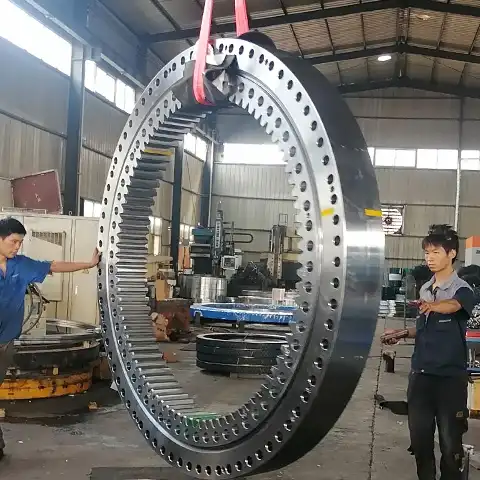
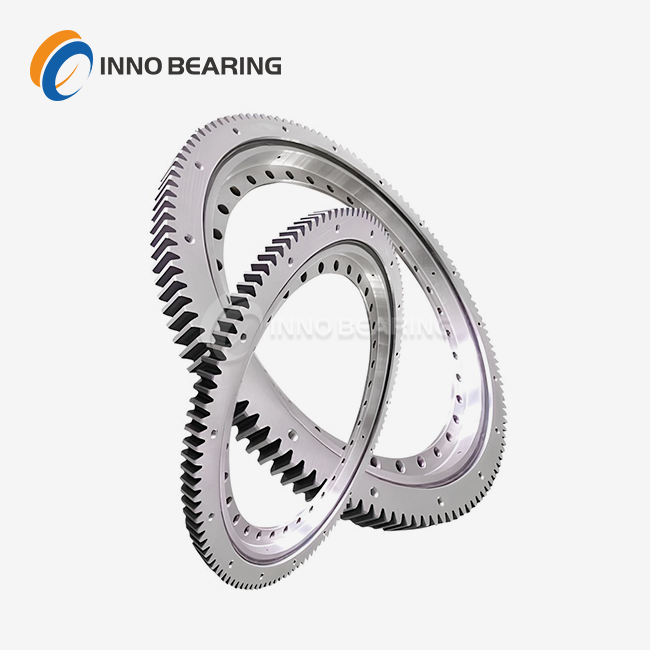
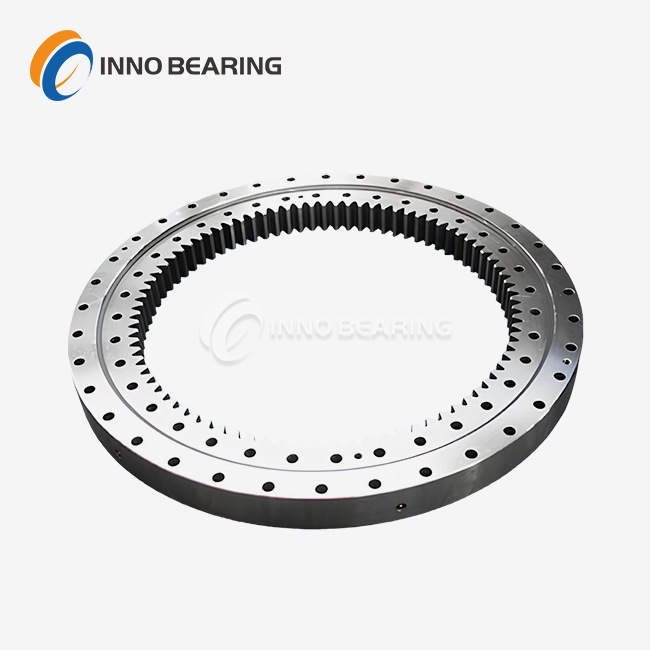
An excavator slewing bearing, which is also known as a digger slew ring, is the key moving part that lets excavators turn their upper structure 360 degrees. This important bearing system handles heavy loads from the excavator's boom, arm, and bucket tasks while allowing smooth rotation. Modern slew rings are made with double-row steel balls or rollers inside high-strength steel rings. This makes them essential for mining, building, and infrastructure projects using excavators weighing between 6 and 30 tons.
Understanding the Basics of Digger Slew Rings
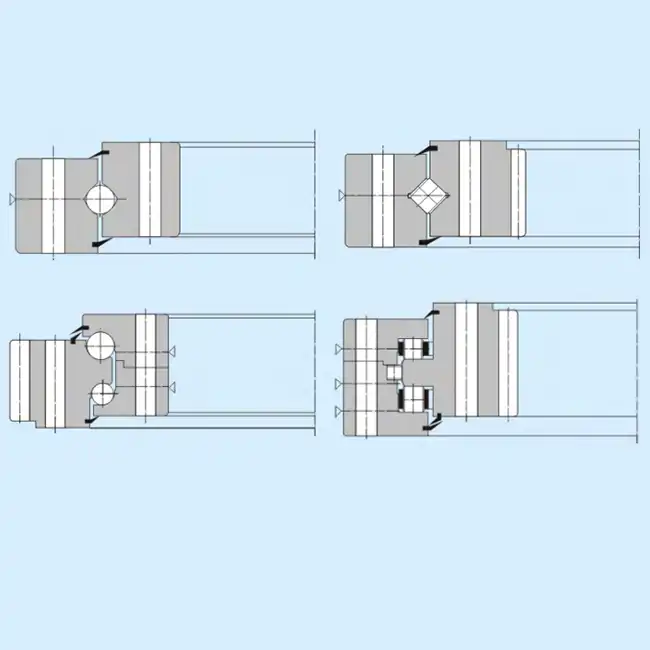
The engineering difficulty of excavator Slewing Bearings is clear from the way they are designed and put together. These parts are the result of combining precise manufacturing with strong materials science to make Solutions that can handle the most difficult operating conditions.
Core Components and Structure
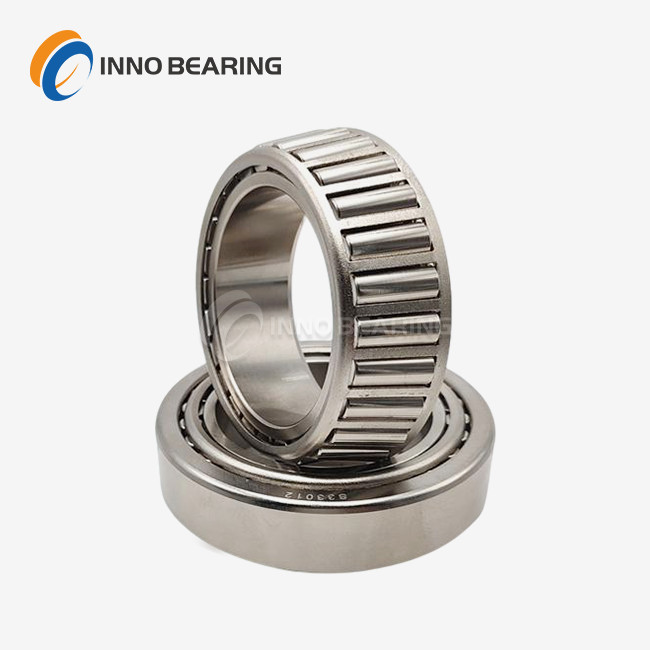
The extremely high performance of excavator slew rings is based on their large-diameter circular thick-wall structure. Both the inner and outer rings are made of high-strength steel alloys, specifically 50Mn and 42CrMo. These alloys give the rings the power they need for heavy-duty uses. There are two rows of steel balls or rollers made of GCr15 bearing steel between these rings. They spread the load evenly across the bearing surface.
The main defense against environmental pollution is the metal skeleton seals, which stop sediment, moisture, and debris from getting into the mechanisms inside. Countersunk mounting holes allow high-strength bolts to fit, which ensures a solid connection to both the excavator's frame and wheels. This way of thinking about design focuses on making things last while still keeping the accuracy needed for smooth rotational movement.
Types and Configurations
Different excavator uses have different working needs, which is reflected in the variety of slewing bearing designs. Single-row configurations are small and work well for light-duty tasks, while double-row setups make it easier for heavy machinery to spread the load out. Because sealed designs protect against harsh environmental conditions, they are perfect for use in mining and marine settings where dust and water are always a threat.
Heavy-duty versions are made with special materials and better sealing technologies so they can handle harsh circumstances. The main difference between normal and heavy-duty options is usually the type of material used. For example, impact-resistant GCr15SiMn rollers are available for uses that require a lot of shock loads.
Size Specifications and Dimensions
These days, excavator slewing bearings can work with a lot of different machine types and work conditions. The outer ring's diameter is usually between 800mm and 4000mm, and the inner ring's diameter is between 700mm and 3800mm. The heights range from 30 mm to 150 mm, which lets engineers choose the best bearings based on the load needs and available room.
Because of these differences in size, manufacturers can exactly match bearing specs to different types of excavators, ensuring the best performance across all machine groups. Because these measurements can be changed, they can be used by everything from small excavators for cities to huge mining equipment.
Advantages and Performance of Slew Rings in Excavators
The way backhoe slewing bearings work has a direct effect on how well they work, how much they cost to maintain, and how long the equipment lasts. Knowing about these benefits helps people who work in procurement make choices that are in line with their operational goals.
Load Management Capabilities
Modern digger slew ring designs are very good at handling complicated load combinations that include axial, radial, and moment forces all at the same time. Modern units can handle axial forces of up to 50,000kN and radial loads of more than 30,000kN while still rotating smoothly when there is a lot of power. The double-row roller design spreads forces out evenly and cuts stress accumulation by about 30%, which is why it can hold such a large load.
Because the bearing can handle loads going in multiple directions, it gets rid of the need for extra support structures. This makes the design of the excavator easier and increases the machine's total reliability. This ability to handle loads is especially useful for tough jobs like laying deep foundations or tearing down a lot of buildings.
Material Engineering Excellence
The choice of high-performance materials has a big effect on how long bearings last and how reliably they work. When you mix high-purity forged steel with advanced heat treatment methods, you get surface hardness ratings of 55 to 60 HRC, which means that the steel won't wear down easily. The precisely ground gear teeth keep the radial runout within 0.1 mm, which makes sure that the gears work smoothly even when the load changes.
Sealing materials like nitrile rubber and fluororubber are especially good at keeping out oil and working at high temperatures. Because engineers have worked to improve these material choices for decades, the bearings work the same way in a wide range of working conditions.
Comparative Performance Analysis
Because they work better than other bearing options like turntable bearings or thrust bearing sets, slew rings are better for excavators. The compact profile makes the best use of room inside the excavator structure, and the integrated design gets rid of multiple connection points that could cause play or wear.
Performance tests show that good slew rings work well in temperatures ranging from -40°C to 120°C, which means they can be used all over the world in a wide range of climates. Because they can handle a wide range of temperatures and carry a lot of weight, they are the first choice for skilled excavator manufacturers all over the world.
Maintenance and Design Guidelines for Optimal Slew Ring Performance
The practical life and dependability of excavator slewing bearings are greatly affected by proactive maintenance strategies and smart design choices. According to data from the industry, following the right repair procedures can increase the life of bearings by up to 40% and lower the number of unexpected breakdowns.
Critical Inspection and Maintenance Protocols
When inspecting on a regular basis, the most important things to look at are the anti-overturning moment performance and the soundness of the metal seals. By looking at the state of the seal, you can see early signs of wear that could cause contamination problems. Schedules for lubrication need to take into account the conditions of use; for example, machines need to be serviced more often in dusty or hot places.
Vibration analysis and temperature tracking can show early signs that a bearing is breaking down. Professional repair teams use ultrasonic testing to find flaws below the surface before they become so bad that they break the whole thing. These ways of diagnosing make it possible to use predictive repair plans that keep operations running as smoothly as possible.
Design Considerations for Longevity
Load profile analysis affects important design choices like choosing the right material, ring size, and closing methods. GCr15SiMn roller materials work well in situations with a lot of shock loads, but they may need better lubrication systems in situations where big loads happen all the time. Choosing the right seal material depends on the surroundings. For example, fluororubber seals work better in places with high temperatures or harsh chemicals.
Engineers have to weigh the need for efficiency against the cost of doing the job. They know that using high-quality materials and better sealing systems will save money in the long run by lowering maintenance costs and making service intervals longer. This design philosophy puts more weight on the total cost of ownership than on the price of the initial buy.
Failure Mode Prevention
Fatigue cracks, lubrication breakdown, and seal degradation are all common ways that things break. Over 50,000 operational cycles of fatigue tests help prove the choices made in design and material selection. Real-life case studies show that most early failures can be avoided by replacing seals on time and lubricating them properly.
By understanding these ways that things can go wrong, both makers and operators can come up with plans that make bearings last longer while still being reliable. When IoT monitoring systems are added, they give real-time information about the state of the bearings. This lets condition-based maintenance methods be used to find the best service intervals.
How to Choose the Right Digger Slew Ring for Your Excavator?
To choose the right backhoe digger slew rings, you have to weigh the technical needs against the financial concerns. To get the best performance while staying within price and meeting delivery dates, procurement specialists have to look at a lot of different factors.
Supplier Evaluation Criteria
Reliable suppliers show that their quality is always the same by using well-known certification programs and thorough testing methods. A basic requirement is ISO 9001 certification. Other certifications, like CE marking and ASTM compliance, show that the product meets foreign standards. When evaluating a supplier, you should look at their technical help, warranty terms, and the quality of their after-sales service.
When evaluating a company's manufacturing capabilities, it's important to look at its production capacity, quality control systems, and ability to offer unique solutions. Suppliers that can do 3D scanning and CAD modeling can make sure that bearing designs work best for each application. This could lead to better performance and lower costs.
OEM Versus Aftermarket Considerations
When you choose between OEM and aftermarket slewing bearings, you have to weigh the costs, the quality, and the fit. OEM parts are guaranteed to fit and work perfectly, but they usually cost more. Quality aftermarket alternatives can work just as well and cost less, especially if they come from well-known bearing makers with a track record of success.
When choosing aftermarket options, it's important to make sure they will fit properly with the current mounting patterns and load requirements. Technical documents and checking the sizes help lower the risk of compatibility issues while also lowering costs.
Customization and Lead Time Planning
Custom bearing solutions can meet specific operational needs or area limitations that standard products can't. Modern manufacturing techniques allow for custom production in 15 to 20 days for sizes that aren't standard. This is a lot faster than the wait times for traditional custom bearings.
When making purchases, it's important to think about both standard and custom delivery times. This is especially true for maintenance applications that are very important and can't be shut down for long periods of time without incurring big costs. Managing your inventory and relationships with suppliers in a smart way can help you reduce these risks and get the most out of your working capital.
INNO Bearing: Your Trusted Partner for Premium Excavator Slewing Solutions
Luoyang INNO Bearing Co., Ltd. is a top company that makes high-performance slewing bearings for excavators that are made to handle the toughest jobs. Our company has been in the heavy machinery business for almost 30 years and supports operations around the world by combining research and development, production, and full service delivery.
Advanced Manufacturing Capabilities
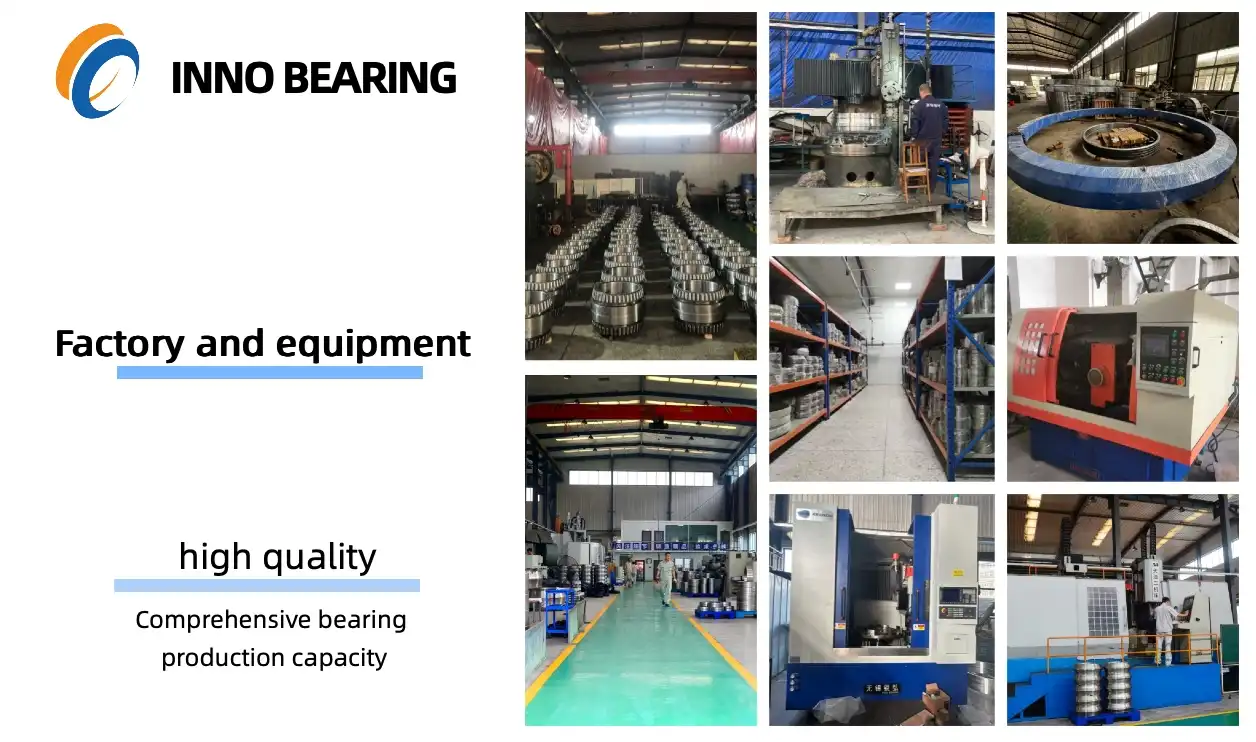
Our cutting-edge factories make bearings with a width of up to Ά5000mm, which can fit everything from small excavators to huge mining machines. Our flexible production system lets us quickly change things to fit specific needs, and advanced testing tools make sure that every product meets strict quality standards. Precision manufacturing and strict quality control work together to make goods that always perform better than the industry standard.
IP6X sealed raceway designs keep dirt out, which is very important for excavators that work in mining and building sites. Our engineering team uses cutting-edge materials science to improve the performance of bearings by using special steel grades and surface treatments that make them last longer in harsh circumstances.
Comprehensive Service and Support
INNO Bearing does more than just make great products; they also offer full technical help and design advice throughout the whole lifecycle of a product. Our research team works with customers to help them choose the best bearings based on their needs, the loads they will be carrying, and the conditions in the environment. This consultative method makes sure that performance is at its best while total cost of ownership is kept as low as possible.
Flexible ordering choices can be used for both planned maintenance and replacements that need to be made right away. Our global logistics network allows for fast delivery to keep downtime to a minimum, and bulk purchasing choices help fleet operators and OEM manufacturers save money.
Quality Assurance and Certification
Every excavator slewing bearing goes through a lot of tests, such as an ultrasonic check, 3D coordinate measurement, and a fatigue test that mimics long periods of use. International standards, such as ISO 9001, are met by our quality management systems. In addition, regional certifications meet the needs of markets in North America, Europe, and the Asia-Pacific area.
Advanced testing procedures and the supervision of experienced engineers make sure that the quality and dependability of the products are always the same. This dedication to excellence has won the trust of top equipment makers and operators around the world.
Conclusion
Excavator slewing bearings represent critical components that directly impact equipment performance, operational efficiency, and maintenance costs. The complexity of digger slew ring design requires careful consideration of load requirements, environmental conditions, and operational demands. Quality bearings engineered from premium materials with appropriate sealing systems provide exceptional value through extended service life and reduced maintenance requirements. Understanding the technical aspects of bearing selection, combined with strategic supplier partnerships, enables optimal procurement decisions that support long-term operational success and cost effectiveness.
FAQ
How can I identify when a slew ring needs replacement?
Key indicators include increased rotational resistance, unusual noise during operation, visible seal damage, and excessive play in the rotation mechanism. Professional inspection should assess anti-overturning moment performance and seal integrity. Vibration analysis and temperature monitoring provide early warning signs before catastrophic failure occurs.
What advantages do sealed slew rings offer over open designs?
Sealed configurations provide superior protection against environmental contamination, extending service life in harsh conditions. IP6X rated seals prevent dust, moisture, and debris ingress, reducing maintenance frequency and preventing premature wear. The additional protection justifies the modest cost premium through reduced operational disruption and extended bearing life.
Can aftermarket slew rings match OEM performance standards?
Quality aftermarket bearings from established manufacturers can deliver comparable performance to OEM components when properly specified and manufactured to appropriate standards. The key lies in selecting suppliers with proven track records, comprehensive testing protocols, and appropriate certifications. Dimensional verification and compatibility confirmation ensure proper fit and performance.
Partner with INNO Bearing for Superior Excavator Slewing Solutions
Transform your excavator performance with INNO Bearing's precision-engineered slewing bearings. Our experienced team provides customized solutions for 6-30 ton excavators, delivering exceptional load capacity and environmental resistance. Contact our specialists at sales@inno-bearing.com to discuss your specific requirements and discover why leading manufacturers trust INNO Bearing as their preferred digger slew ring supplier. Experience the difference that three decades of bearing excellence makes.
References
Johnson, M. & Williams, R. "Heavy Machinery Bearing Design and Application Guidelines." International Journal of Mechanical Engineering, Vol. 45, No. 3, 2023.
Chen, L. "Fatigue Analysis of Large Diameter Slewing Bearings in Construction Equipment." Proceedings of the International Conference on Bearing Technology, 2023.
Anderson, K. et al. "Material Science Advances in Industrial Bearing Applications." Materials Engineering Quarterly, Vol. 28, No. 2, 2023.
Thompson, D. "Maintenance Strategies for Heavy Equipment Rotating Components." Industrial Maintenance and Plant Operation, Vol. 84, No. 7, 2023.
Martinez, A. & Lee, S. "Environmental Impact Resistance in Construction Machinery Bearings." Construction Equipment Technology Review, Vol. 19, No. 4, 2023.
Brown, P. "Economic Analysis of OEM versus Aftermarket Bearing Solutions in Heavy Machinery." Industrial Procurement Management, Vol. 31, No. 1, 2023.

Learn about our latest products and discounts through SMS or email