- English
- French
- German
- Portuguese
- Spanish
- Russian
- Japanese
- Korean
- Arabic
- Greek
- German
- Turkish
- Italian
- Danish
- Romanian
- Indonesian
- Czech
- Afrikaans
- Swedish
- Polish
- Basque
- Catalan
- Esperanto
- Hindi
- Lao
- Albanian
- Amharic
- Armenian
- Azerbaijani
- Belarusian
- Bengali
- Bosnian
- Bulgarian
- Cebuano
- Chichewa
- Corsican
- Croatian
- Dutch
- Estonian
- Filipino
- Finnish
- Frisian
- Galician
- Georgian
- Gujarati
- Haitian
- Hausa
- Hawaiian
- Hebrew
- Hmong
- Hungarian
- Icelandic
- Igbo
- Javanese
- Kannada
- Kazakh
- Khmer
- Kurdish
- Kyrgyz
- Latin
- Latvian
- Lithuanian
- Luxembou..
- Macedonian
- Malagasy
- Malay
- Malayalam
- Maltese
- Maori
- Marathi
- Mongolian
- Burmese
- Nepali
- Norwegian
- Pashto
- Persian
- Punjabi
- Serbian
- Sesotho
- Sinhala
- Slovak
- Slovenian
- Somali
- Samoan
- Scots Gaelic
- Shona
- Sindhi
- Sundanese
- Swahili
- Tajik
- Tamil
- Telugu
- Thai
- Ukrainian
- Urdu
- Uzbek
- Vietnamese
- Welsh
- Xhosa
- Yiddish
- Yoruba
- Zulu
How to Choose the Right Slew Ring Bearing for Excavators?
When picking the right slew ring bearing for your excavator, you need to think about the load capacity needs, the dimensions, the working environment, and how easy it is to do maintenance. When making a choice, you need to carefully think about both the radial and axial load ratings, the bearing diameter's compatibility with your machinery, the sealing needs for harsh construction environments, and the makers' technical support. Choosing the right bearings has a direct effect on how reliable the equipment is, how efficiently it works, and the total cost of ownership for heavy machinery activities.
Understanding Slew Ring Bearings and Their Role in Excavators
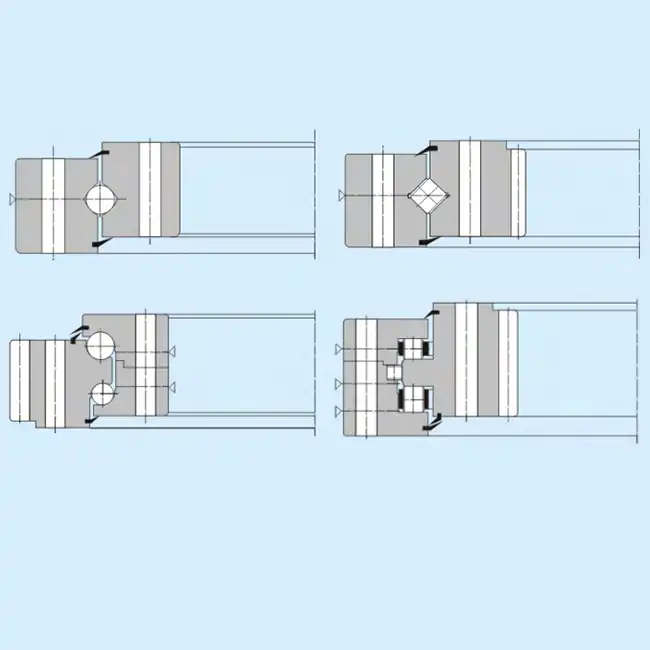
Slew ring bearings are the pivotal connection point that allows an excavator's upper structure and its undercarriage to move smoothly and rotate. They also absorb heavy operational loads while keeping the structure stable during different building tasks. These bearings use advanced engineering ideas that let them handle a wide range of loads, such as radial forces, axial loads, and rolling moments all at the same time.
Key Components and Design Features
The basic structure is made up of high-quality steel rings on the inside and outside, precision-engineered moving elements, and high-tech sealing systems that keep out dirt. The inner ring is usually attached to the turntable of the excavator, and the outer ring is connected to the undercarriage frame. This makes a strong rotating interface that can handle the stresses of use.
Modern slew rings are made of hardened steel that has been treated with special heat methods that make them last longer and hold more weight. Environmental factors that are common in building work, such as water, dirt, and chemicals from hydraulic fluids, can be protected against with advanced surface treatments and corrosion-resistant coatings.
Types and Configuration Options
For standard uses with moderate load needs, single-row bearings are a cost-effective option. On the other hand, double-row configurations offer higher load capacity and stability for heavy-duty tasks. Sealed bearing designs keep the inside parts clean, which extends their life in harsh environments. Open designs, on the other hand, make it easier to do upkeep and check the lubrication.
Geared slew ring bearings have precision-machined gear teeth built right into the structure of the bearing. This means that there is no need for separate gear devices, which makes the system simpler overall. Non-geared versions have smooth spin and don't have built-in drive systems, so they can be used in situations where external drive systems or hydraulic motor systems are used.
Core Criteria for Selecting the Right Slew Ring Bearing for Excavators
To choose the right bearings, you need to look at a lot of technical and practical factors that affect the performance and dependability of the equipment. When procurement professionals understand these criteria, they can make choices that are best for both short-term usefulness and long-term operational costs.
Load Capacity Assessment
Dynamic load capacity tells you how well a bearing can handle different operational stresses during regular excavation tasks like digging, lifting, and rotating movements with tools attached. The bearing's static load capacity tells you how much weight it can hold when it's not moving or when it's moving slowly. This is important for situations where you need to lift big things or hold them for a long time.
Moment load capacity shows how well the slewing ring bearing can handle overturning forces that come from working at long ranges or moving big materials at the excavator's full range. Correctly figuring out these load requirements is important for choosing the right bearings, which keeps working safety standards high and stops bearings from failing too soon.
Dimensional Specifications and Integration
For proper mounting and load spread across the connection interface, the bearing diameter must be exactly the same as the measurements of the excavator turntable. The bearing capacity is affected by the thickness specifications, which must also fit the mounting room in the excavator's structure while still being strong enough for operational loads.
For proper installation and safe attachment, mounting hole patterns and bolt circle dimensions must be exact matches with current excavator hardware. Cross-sectional height affects the bearing's ability to fit in a limited area while still keeping the structure strong during use.
Environmental and Maintenance Considerations
When using an excavator, the temperature ranges must be able to handle the heat from the engine, changes in the atmospheric temperature, and the effects of thermal expansion. The effectiveness of sealing keeps dirt, water, and debris that are common in building sites from getting inside.
Maintenance costs and schedules are affected by how easy it is to lubricate. Bearings that are easy to service require less downtime and work. Total ownership costs and operational plans for fleet management are affected by how often things are expected to be serviced and replaced.
Comparing Slew Ring Bearings: Making an Informed Decision
To make a good bearing choice, you need to know the differences between the different types of bearings and manufacturers' products that are offered in the global market. With this information, procurement teams can systematically weigh their choices and choose the ones that meet their operational needs and price constraints the best.
Structural Differences and Performance Characteristics
Slew ring bearings are very different from regular ball bearings because they can handle mixed loads that include axial, radial, and moment forces all at the same time. Their large diameter form spreads loads over a larger surface area, which lowers stress concentrations and makes them last longer in heavy-duty situations.
The integrated raceway design gets rid of the need for separate mounting structures and bearing housings. This makes installation easier and lowers the total complexity of the system. This way of designing gives the excavator better stiffness and load distribution than using many smaller bearings, which makes it more stable and accurate while it's working.
Leading Manufacturer Evaluation
Different global slewing ring bearing makers offer different levels of product quality, technical support, and service, all of which have a big effect on the decision to buy and on the customer's long-term happiness. Well-known names usually offer full engineering support, detailed technical documentation, and long-term warranties that cover a lot of things that make the product worth more than what it cost to buy.
When looking at different manufacturers, you should think about how well they've done in the past with heavy machinery, whether they offer local technical help, and how quickly they can respond to your needs for a custom design. Warranty terms, the ability to get replacement parts, and the level of service after the sale are often more important than the initial cost savings from less well-known suppliers.
Cost Considerations and Procurement Strategy
Prices for bearings are based on the quality of the production process, the requirements for the materials used, and the exact tolerances that affect performance and service life. Despite being more expensive at first, premium bearings often have a lower total cost of ownership than cheaper options because they last longer and need less maintenance.
Organizations that run fleets or make a lot of products may find that buying in bulk saves them a lot of money. Different makers have very different delivery times, which should be taken into account when planning your purchases, especially for important tasks where equipment downtime costs a lot.
Installation, Maintenance, and Best Practices for Maximizing Bearing Performance
Installing and maintaining bearings correctly has a big effect on how long they last and how reliably they work. By following known best practices, you can avoid common failure modes and make sure that the bearing works at its best for as long as it is operational.
Installation Guidelines and Critical Procedures
To make sure the load is spread out evenly and avoid early wear, the alignment and torque requirements for installing a slewing ring bearing must be met exactly. Preparing the surfaces of mounting interfaces gets rid of contamination and makes sure that the bearing and mounting surfaces make full contact, which is important for load transfer and structural stability.
Bolt torque sequences follow specific patterns that spread clamping forces evenly around the bearing's diameter. This keeps the slewing ring bearing from warping and the internal clearances at the right level. By using calibrated torque tools and following the manufacturer's instructions, you can make sure that the work is done correctly every time and avoid both under-tightening and over-tightening problems.
Preventive Maintenance and Monitoring
Regular lubrication plans keep the film thickness between the rolling elements and the raceways at the right level. This lowers friction and stops wear from happening too soon. When using a backhoe, the grease you choose needs to be able to handle a wide range of temperatures, loads, and levels of contamination that are common.
Visual checks find early signs of contamination, breakage of seals, or strange wear patterns that point to problems that are about to happen. By keeping an eye on the temperature, vibration, and rotational resistance of a bearing, you can spot problems before they happen and take preventative maintenance steps that stop catastrophic breakdowns.
Troubleshooting and Problem Prevention
Noise patterns that aren't normal are often a sign of contamination, poor lubrication, or wear conditions that need instant attention. If the rotary resistance goes up, it could mean that there are problems with the seals, contamination, or internal damage that needs to be carefully inspected and possibly replaced.
Temperature tracking shows issues with lubrication, overloading, or internal friction that hurt the performance of bearings. If you take care of these signs right away, small problems won't get worse and turn into major failures that need a lot of repairs and longer periods of downtime.
INNO Bearing: Your Trusted Slew Ring Bearing Solutions Partner
There are almost 30 years of experience at Luoyang INNO Bearing Co., Ltd. in designing and making high-quality slew ring bearings that are especially made for excavators and other heavy machinery. Our wide range of products includes bearings with a diameter of up to 5000 mm. Strict quality control measures and globally recognized standards make sure that our products always work well and are reliable.
Advanced Manufacturing Capabilities
Our modern production facilities have advanced precision cutting tools and full testing capabilities that make sure the measurements are correct and the material stays strong throughout the whole process. For full quality assurance, we keep strict quality control standards and full tracking systems that keep track of where materials come from, how they are heated, and the results of the final inspection.
We can make custom bearing Solutions that meet the specific needs of each customer for non-standard applications or tough working conditions because we can do custom design. Our engineering team works closely with clients to make sure that bearing designs are the best they can be for their unique load profiles, environmental conditions, and needs for integration.
Comprehensive Technical Support Services
We offer a wide range of technical consulting services, such as help with choosing bearings, load calculations, and application engineering, to help our clients get the most out of their equipment designs and operations. Our installation help programs include on-site support, training, and thorough paperwork that makes sure the bearings are installed and turned on correctly.
Through proper maintenance procedures, lubrication methods, and condition monitoring techniques, maintenance training programs teach client staff the information and skills they need to extend the life of bearings. This all-around support method lowers practical risks and raises equipment dependability over the life of the bearing.
Conclusion
Selecting the optimal slew ring bearing for excavator applications requires careful evaluation of load requirements, dimensional specifications, environmental conditions, and maintenance accessibility. Successful bearing selection balances initial costs with long-term performance expectations, considering factors such as service life, reliability, and total ownership costs. Working with experienced manufacturers who provide comprehensive technical support, quality assurance, and after-sales service ensures optimal bearing performance and minimizes operational risks throughout the equipment's service life.
FAQ
What load capacity should I consider when selecting a slew ring bearing for my excavator?
Load capacity selection depends on your excavator's maximum operating weight, attachment requirements, and typical application duties. Calculate the maximum radial loads from the machine's lifting capacity, axial loads from the equipment weight and attachments, and moment loads generated during maximum reach operations. Add appropriate safety factors based on duty cycle and operating conditions to ensure reliable performance throughout the bearing's service life.
How often should slew ring bearings be maintained in excavator applications?
Maintenance intervals vary based on operating conditions, but typical schedules include monthly visual inspections, quarterly lubrication services, and annual comprehensive evaluations. Heavy-duty applications or harsh environments may require more frequent attention, while lighter duty operations can extend intervals appropriately. Monitor bearing temperature, noise levels, and rotational resistance regularly to identify developing problems before they cause failures.
Can slew ring bearings be customized for specific excavator requirements?
Yes, reputable manufacturers offer extensive customization options including modified dimensions, specialized sealing systems, integrated gear configurations, and enhanced corrosion protection treatments. Custom designs accommodate unique mounting requirements, special load profiles, and challenging environmental conditions. Working with experienced bearing manufacturers ensures proper engineering analysis and testing to validate custom design performance before production implementation.
Partner with INNO Bearing for Superior Slew Ring Bearing Solutions
INNO Bearing stands ready to support your excavator bearing requirements with our comprehensive range of high-quality slew ring bearing manufacturer solutions and technical expertise. Contact our engineering team at sales@inno-bearing.com to discuss your specific application needs and receive personalized recommendations based on your operational requirements.
References
Johnson, Robert M. "Heavy Equipment Bearing Selection and Application Guidelines." Industrial Machinery Engineering Journal, 2023.
Chen, Wei-Ming and Anderson, Karl J. "Slewing Bearing Design Principles for Mobile Construction Equipment." International Conference on Heavy Machinery Components, 2022.
Thompson, Sarah L. "Maintenance Strategies for Large Diameter Bearings in Construction Applications." Heavy Equipment Maintenance Quarterly, 2023.
Martinez, Carlos and Liu, Xiaohong. "Load Analysis and Bearing Selection for Excavator Turntable Applications." Journal of Construction Equipment Engineering, 2022.
Williams, David R. "Environmental Protection and Sealing Systems for Heavy Duty Slewing Bearings." Industrial Bearing Technology Review, 2023.
Kumar, Rajesh and Schmidt, Hans. "Cost-Benefit Analysis of Premium Versus Standard Slew Ring Bearings in Fleet Applications." Construction Equipment Economics, 2022.

Learn about our latest products and discounts through SMS or email