- English
- French
- German
- Portuguese
- Spanish
- Russian
- Japanese
- Korean
- Arabic
- Greek
- German
- Turkish
- Italian
- Danish
- Romanian
- Indonesian
- Czech
- Afrikaans
- Swedish
- Polish
- Basque
- Catalan
- Esperanto
- Hindi
- Lao
- Albanian
- Amharic
- Armenian
- Azerbaijani
- Belarusian
- Bengali
- Bosnian
- Bulgarian
- Cebuano
- Chichewa
- Corsican
- Croatian
- Dutch
- Estonian
- Filipino
- Finnish
- Frisian
- Galician
- Georgian
- Gujarati
- Haitian
- Hausa
- Hawaiian
- Hebrew
- Hmong
- Hungarian
- Icelandic
- Igbo
- Javanese
- Kannada
- Kazakh
- Khmer
- Kurdish
- Kyrgyz
- Latin
- Latvian
- Lithuanian
- Luxembou..
- Macedonian
- Malagasy
- Malay
- Malayalam
- Maltese
- Maori
- Marathi
- Mongolian
- Burmese
- Nepali
- Norwegian
- Pashto
- Persian
- Punjabi
- Serbian
- Sesotho
- Sinhala
- Slovak
- Slovenian
- Somali
- Samoan
- Scots Gaelic
- Shona
- Sindhi
- Sundanese
- Swahili
- Tajik
- Tamil
- Telugu
- Thai
- Ukrainian
- Urdu
- Uzbek
- Vietnamese
- Welsh
- Xhosa
- Yiddish
- Yoruba
- Zulu
What Is an NUP Bearing and Where Is It Commonly Used?
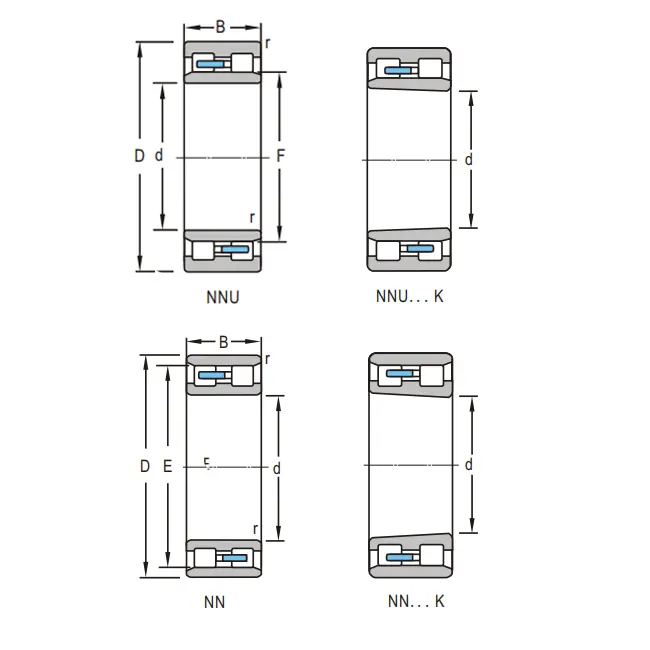
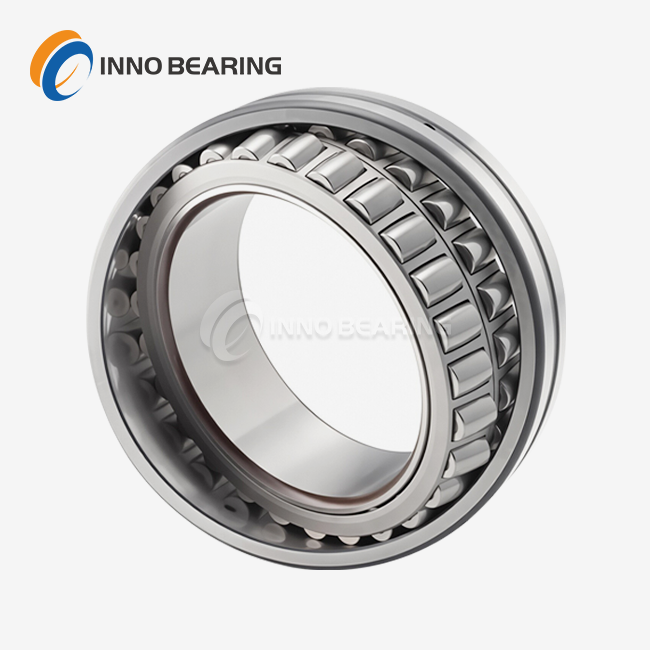
An NUP bearing is a specialized cylindrical roller bearing featuring a unique design with an outer ring that has double ribs and an inner ring with a single rib plus a flat rib. This configuration enables the bearing to handle both radial loads and slight axial loads while providing excellent positioning capabilities for shaft systems. The NUP bearing design incorporates a single row of rollers with a cage assembly, available in both open-type and sealed configurations, making it ideal for applications requiring precise radial load support with limited axial movement capability in industrial machinery, automotive systems, and heavy equipment.
Introduction to NUP Bearings
Understanding the fundamental design and operating principles of Cylindrical roller bearings with positioning capabilities becomes essential for procurement professionals working with rotating machinery systems. These specialized components represent a critical junction between standard roller bearings and complex positioning requirements in modern industrial applications.
The NUP bearing designation stands for a specific configuration within the cylindrical roller bearing family, where the unique rib arrangement creates distinct load-handling characteristics. The outer ring features double ribs that provide complete radial containment for the roller elements, while the inner ring combines a fixed rib with a removable flat rib that allows for axial positioning and thermal expansion accommodation.
Core Components and Operating Principles
The interaction between key components defines the operational excellence of these positioning bearings. The roller elements, typically manufactured from high-grade GCr15 or GCr15SiMn steel, distribute radial loads across the raceway surfaces while the cage assembly maintains proper roller spacing and prevents skidding during operation.
Material selection plays a crucial role in bearing performance, with inner rings, outer rings, and flat ribs commonly constructed from GCr15, GCr15SiMn, or 20Cr2Ni4A steel depending on application requirements. The cage assemblies utilize either stamped steel or brass construction, each offering specific advantages for different operating environments and speed ranges.
Technical Specifications and Standards
Precision grades available for these bearings range from standard P0/P6 levels for general industrial applications to P5 level for demanding positioning scenarios where enhanced accuracy becomes paramount. The size range spans from inner diameters of 20mm to 500mm, with outer diameters extending from 47mm to 1000mm and widths varying from 14mm to 200mm, providing comprehensive coverage for diverse machinery requirements.
Load capacity calculations must consider both dynamic and static load ratings, with these bearings capable of handling substantial radial forces while accommodating limited axial loads through the flat rib design. The positioning capability allows for controlled axial displacement in one direction while maintaining rigid support in the opposite direction.
Design Features and Advantages of NUP Bearings
The distinctive structural characteristics of these cylindrical roller bearings create significant operational advantages that distinguish them from conventional bearing types. The double rib configuration on the outer ring provides complete radial containment while the removable flat rib system enables axial positioning flexibility that proves invaluable in shaft system design.
Structural Innovations and Performance Benefits
The removable flat rib design represents a key engineering advancement that allows for simplified installation and maintenance procedures. This feature enables technicians to install the bearing from one side of the shaft while providing secure axial positioning once the flat rib is properly secured. The single-direction axial displacement capability accommodates thermal expansion while maintaining precise positioning under varying temperature conditions.
Speed tolerance characteristics of these bearings often exceed those of comparable bearing types due to the optimized roller-to-raceway contact geometry and advanced cage designs. The cylindrical roller elements provide pure rolling motion with minimal sliding, reducing friction losses and extending operational life spans significantly.
Comparative Analysis with Alternative Bearing Types
When compared to NU-type cylindrical roller bearings, the positioning capability of NUP bearings provides superior axial location control without requiring separate Thrust bearings in many applications. This integrated approach reduces system complexity and installation costs while improving overall reliability through reduced component count.
Angular contact ball bearings may offer higher axial load capacity, but NUP bearings excel in radial load applications where positioning accuracy remains critical. The roller contact design distributes loads over larger surface areas, reducing contact stresses and extending bearing life in heavy-load applications typical of industrial machinery.
Load handling capabilities vary significantly based on specific design parameters, with these bearings optimizing radial load support while providing adequate axial positioning forces. The flat rib engagement creates predictable axial stiffness that enables precise shaft positioning without the complexity of separate thrust bearing arrangements.
Common Applications of NUP Bearings in Industry
Industrial applications for these specialized roller bearings span multiple sectors where precise positioning and robust radial load support become essential operational requirements. The unique combination of high radial load capacity and axial positioning capability makes these bearings indispensable in applications ranging from machine tool spindles to automotive transmission systems.
Machine Tool and Precision Equipment Applications
Machine tool spindle applications represent a primary use case where the positioning end typically employs these bearings to provide precise axial location while supporting substantial radial cutting forces. The removable flat rib design facilitates spindle assembly and maintenance procedures while ensuring consistent positioning accuracy throughout the operational life cycle.
Electric motor applications benefit from the excellent radial load support and positioning capabilities, particularly in larger industrial motors where shaft positioning becomes critical for proper air gap maintenance and electromagnetic performance. The bearing's ability to accommodate thermal expansion while maintaining position creates significant advantages in variable-speed motor applications.
Automotive and Transportation Systems
Automotive transmission systems utilize these bearings extensively for gear shaft positioning and support functions. The combination of radial load capacity and axial positioning capability proves essential for maintaining proper gear mesh geometry under varying load conditions and temperature ranges.
Reducer and gearbox applications across multiple industries rely on these bearings for input and output shaft support where positioning accuracy directly impacts gear life and system efficiency. The ability to handle both radial loads from gear forces and provide axial positioning eliminates the need for separate thrust bearings in many applications.
Heavy Machinery and Industrial Equipment
Wind energy systems represent a growing application area where these bearings support various rotating components within gearbox assemblies and generator systems. The robust construction and positioning capabilities prove essential for maintaining alignment under the variable loads characteristic of wind turbine operation.
Mining equipment applications demand the exceptional durability and load-handling characteristics available from these specialized bearings. The positioning capability becomes crucial in applications like mill drives and conveyor systems where shaft alignment affects both performance and component longevity.
Maintaining and Troubleshooting NUP Bearings
Effective maintenance strategies for cylindrical roller bearings with positioning capabilities require understanding the specific inspection points and potential failure modes associated with their unique design features. The removable flat rib component introduces additional maintenance considerations beyond standard roller bearing practices.
Inspection Protocols and Key Performance Indicators
Radial clearance monitoring provides critical insight into bearing NUP condition and remaining service life. Proper measurement techniques account for the flat rib configuration and ensure accurate assessment of internal clearance changes that indicate normal wear patterns or potential problems requiring corrective action.
Axial load-bearing capacity verification involves checking the flat rib engagement and securing mechanism integrity. Loose or improperly seated flat ribs can create excessive play or binding conditions that compromise both positioning accuracy and bearing longevity. Regular inspection of the flat rib fitting degree ensures continued proper operation.
Lubrication Management and Environmental Considerations
Lubrication requirements for these bearings must address both the roller elements and the flat rib interface areas. Proper lubricant selection considers operating temperatures, load conditions, and contamination exposure while ensuring adequate film thickness maintenance across all critical surfaces.
Contamination protection becomes particularly important for the flat rib interface, where foreign particles can interfere with proper seating and create localized stress concentrations. Sealed bearing configurations provide enhanced protection but require attention to seal integrity and replacement intervals based on operating conditions.
Common Failure Modes and Corrective Actions
Premature roller wear patterns often indicate misalignment issues or inadequate lubrication conditions that require systematic investigation and correction. The positioning function of these bearings makes them sensitive to shaft deflection and housing distortion that can create edge loading conditions on the roller elements.
Flat rib loosening or damage represents a specific failure mode that can compromise the bearing's positioning function while potentially creating debris that damages other bearing components. Regular torque verification and visual inspection of flat rib condition prevents minor issues from escalating into major failures requiring complete bearing replacement.
Procuring NUP Bearings: What You Need to Know
Strategic procurement of specialized cylindrical roller bearings requires comprehensive understanding of market dynamics, supplier capabilities, and quality verification procedures. The unique design characteristics of these bearings create specific sourcing considerations that impact both initial costs and long-term operational expenses.
Supplier Selection and Quality Verification
Major manufacturers provide these bearings with varying capabilities and specializations. Each manufacturer offers distinct advantages in terms of size ranges, precision grades, and specialized features that align with specific application requirements. Supplier evaluation should consider not only product quality but also technical support capabilities and global service networks.
Quality verification procedures for these bearings must address both standard bearing characteristics and the unique flat rib components. Dimensional accuracy verification includes checking radial clearances, axial positioning tolerances, and flat rib fitting specifications. Material certification and heat treatment verification ensure proper metallurgical properties for demanding applications.
Cost Optimization and Lead Time Management
Bulk purchasing strategies for these bearings can provide significant cost advantages while ensuring adequate inventory for maintenance and emergency replacement needs. Volume commitments often enable access to preferred pricing tiers and reduced lead times for both standard and custom bearing configurations.
Lead time planning must account for the specialized nature of these bearing NUP, particularly for larger sizes or custom configurations. Standard catalog items typically maintain shorter delivery schedules, while custom applications may require extended manufacturing periods that impact maintenance scheduling and inventory planning decisions.
Counterfeit Prevention and Authentication
Authentication procedures for these bearings focus on packaging integrity, marking consistency, and dimensional verification against manufacturer specifications. The specialized flat rib components provide additional verification points that help distinguish genuine products from counterfeit alternatives that could compromise operational safety and reliability.
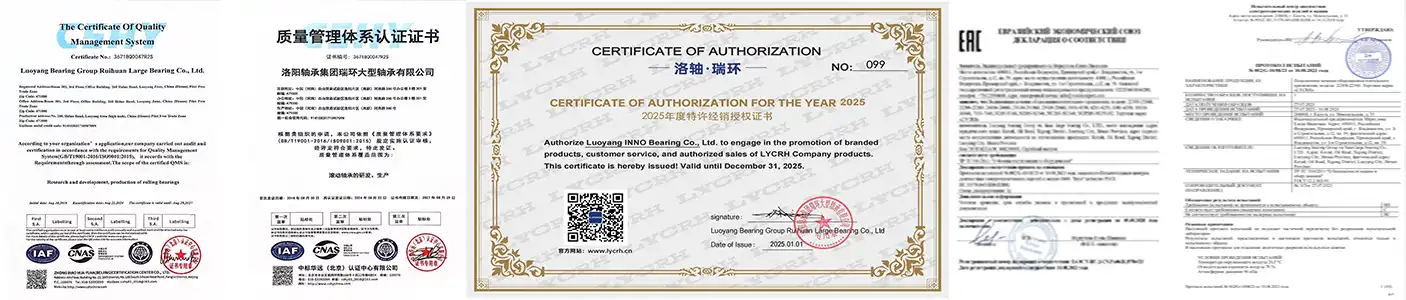
Documentation requirements for these bearings should include material certifications, dimensional inspection reports, and traceability information that supports quality assurance programs and regulatory compliance requirements. Proper documentation also facilitates warranty claims and technical support interactions when issues arise during operation.
INNO Bearing Solutions: Your Trusted NUP Bearing Partner
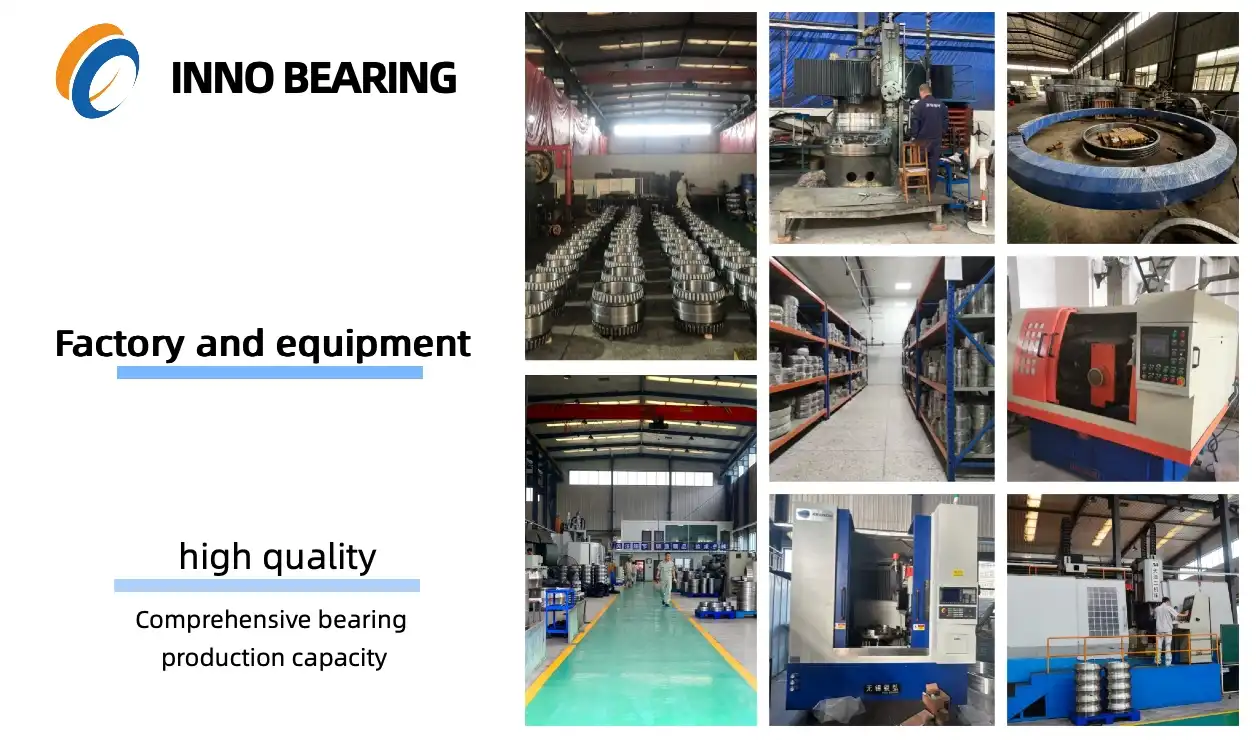
Luoyang INNO Bearing Co., Ltd. brings nearly three decades of specialized experience in manufacturing high-precision cylindrical roller bearings for demanding industrial applications. Our comprehensive expertise in large and non-standard bearing production, extending up to φ5000mm diameter capabilities, positions us as a leading solution provider for complex positioning bearing requirements across multiple industries.
Advanced Manufacturing Capabilities and Quality Assurance
Our integrated approach combines advanced R&D capabilities with state-of-the-art production facilities that deliver exceptional precision and reliability. The complete design-to-delivery process incorporates sophisticated CAD modeling, material optimization, and rigorous performance testing protocols that ensure every bearing meets or exceeds specified requirements.
Quality control procedures at our facility include comprehensive material verification through spectrometry analysis, precision grinding operations achieving ±0.001mm radial runout tolerances, and extensive performance testing covering vibration characteristics, service life projections, and shock resistance up to 50G acceleration levels. These rigorous standards result in a 99.9% qualification rate that provides confidence for critical applications.
Industry-Specific Solutions and Customization
Our specialized expertise serves diverse industrial sectors including metallurgy, port machinery, and precision equipment applications where standard catalog bearings may not address specific operational requirements. Custom engineering capabilities enable modification of standard designs or development of completely new Solutions that optimize performance for unique applications.
Temperature resistance capabilities extend beyond standard ranges through specialized material selection and heat treatment processes, with some configurations capable of continuous operation at temperatures exceeding 500°C. Corrosion resistance enhancements include specialized coatings and seal designs that protect against harsh environmental conditions typical in marine and chemical processing applications.
Technical Support and Global Service Network
Our technical support team provides comprehensive assistance throughout the bearing selection, installation, and maintenance lifecycle. Engineering analysis services help optimize bearing selection for specific applications while our testing facilities enable validation of performance characteristics under simulated operating conditions.
Global distribution capabilities ensure rapid access to both standard and custom bearing solutions through strategically located inventory positions. Emergency support services provide expedited delivery for critical applications while our 24/7 technical support ensures access to expert assistance regardless of time zone or location.
Conclusion
NUP bearings represent essential components for applications requiring robust radial load support combined with precise axial positioning capabilities. Their unique design featuring double outer ring ribs and removable flat rib configuration provides operational advantages across diverse industrial sectors from machine tools to heavy equipment applications. Understanding the technical specifications, maintenance requirements, and procurement considerations enables informed decision-making that optimizes both performance and cost-effectiveness. The specialized nature of these bearings demands careful supplier selection and quality verification procedures to ensure reliable operation in critical applications.
FAQ
What is the main difference between NUP and NU bearings?
The primary distinction lies in the axial positioning capability provided by the flat rib design in NUP bearings. While NU bearings feature ribs only on the outer ring, NUP bearings include an additional removable flat rib on the inner ring that enables precise axial positioning and thermal expansion accommodation.
How do I determine the correct size for my application?
Bearing size selection requires calculation of radial load requirements, operating speed parameters, and axial positioning needs. Key factors include shaft diameter constraints, housing space limitations, and load distribution characteristics specific to your application. Professional engineering analysis often proves beneficial for critical applications.
What are the best maintenance practices for these bearings?
Regular inspection of radial clearance, flat rib engagement, and lubrication condition forms the foundation of effective maintenance programs. Contamination prevention through proper sealing and environmental protection extends bearing life significantly. Monitoring vibration levels and temperature patterns provides early warning of developing problems.
Can NUP bearings handle axial loads in both directions?
These bearings provide axial positioning capability primarily in one direction through the flat rib engagement. While some axial load capacity exists in both directions, the design optimization focuses on radial load support with controlled axial positioning rather than bidirectional axial load handling.
Partner with INNO Bearing for Superior NUP Bearing Solutions
Discover how our precision-engineered cylindrical roller bearings can optimize your machinery performance and reduce operational costs. INNO Bearing's extensive experience as a trusted NUP bearing manufacturer enables us to deliver customized solutions that address your specific application requirements while maintaining the highest quality standards. Our technical team stands ready to analyze your equipment needs and recommend optimal bearing configurations that enhance reliability and extend service life. Contact our specialists today at sales@inno-bearing.com to discuss your requirements and receive detailed quotations for both standard and custom bearing solutions.
References
Harris, T.A. & Kotzalas, M.N. "Advanced Concepts of Bearing Technology: Rolling Bearing Analysis." CRC Press, 2019.
Eschmann, P., Hasbargen, L. & Weigand, K. "Ball and Roller Bearings: Theory, Design and Application." John Wiley & Sons, 2018.
Palmgren, A. "Ball and Roller Bearing Engineering: Principles and Practice." SKF Engineering & Research Centre, 2020.
ISO 492:2014. "Rolling bearings — Radial bearings — Geometrical product specifications (GPS) and tolerance values." International Organization for Standardization.
Hamrock, B.J., Schmid, S.R. & Jacobson, B.O. "Fundamentals of Fluid Film Lubrication in Rolling Element Bearings." Marcel Dekker, 2017.
ANSI/ABMA Standard 20-2017. "Radial Bearings of Ball, Cylindrical Roller and Spherical Roller Types — Metric Design." American Bearing Manufacturers Association.

Learn about our latest products and discounts through SMS or email