- English
- French
- German
- Portuguese
- Spanish
- Russian
- Japanese
- Korean
- Arabic
- Greek
- German
- Turkish
- Italian
- Danish
- Romanian
- Indonesian
- Czech
- Afrikaans
- Swedish
- Polish
- Basque
- Catalan
- Esperanto
- Hindi
- Lao
- Albanian
- Amharic
- Armenian
- Azerbaijani
- Belarusian
- Bengali
- Bosnian
- Bulgarian
- Cebuano
- Chichewa
- Corsican
- Croatian
- Dutch
- Estonian
- Filipino
- Finnish
- Frisian
- Galician
- Georgian
- Gujarati
- Haitian
- Hausa
- Hawaiian
- Hebrew
- Hmong
- Hungarian
- Icelandic
- Igbo
- Javanese
- Kannada
- Kazakh
- Khmer
- Kurdish
- Kyrgyz
- Latin
- Latvian
- Lithuanian
- Luxembou..
- Macedonian
- Malagasy
- Malay
- Malayalam
- Maltese
- Maori
- Marathi
- Mongolian
- Burmese
- Nepali
- Norwegian
- Pashto
- Persian
- Punjabi
- Serbian
- Sesotho
- Sinhala
- Slovak
- Slovenian
- Somali
- Samoan
- Scots Gaelic
- Shona
- Sindhi
- Sundanese
- Swahili
- Tajik
- Tamil
- Telugu
- Thai
- Ukrainian
- Urdu
- Uzbek
- Vietnamese
- Welsh
- Xhosa
- Yiddish
- Yoruba
- Zulu
Choosing a Slewing Ring Gear Manufacturer for OEM Projects
Selecting the right manufacturer for your slewing ring gear needs is a big choice that will affect the success of your OEM project, its dependability, and your long-term profits. These precision-engineered rotating bearings with built-in gear systems are the backbone of heavy machinery like wind turbines and building equipment. They make power transmission smooth and allow big loads to be carried without any problems. The global slewing bearing market is growing quickly thanks to more green energy and better infrastructure. However, OEM buyers are finding it harder to choose between makers that offer different levels of quality, customization options, and technical support services.
Understanding Slewing Ring Gears and Their Role in OEM Projects
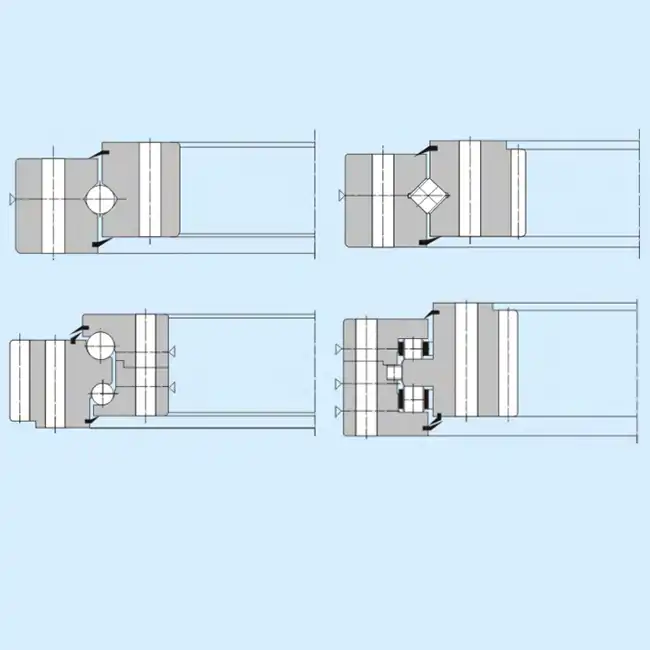
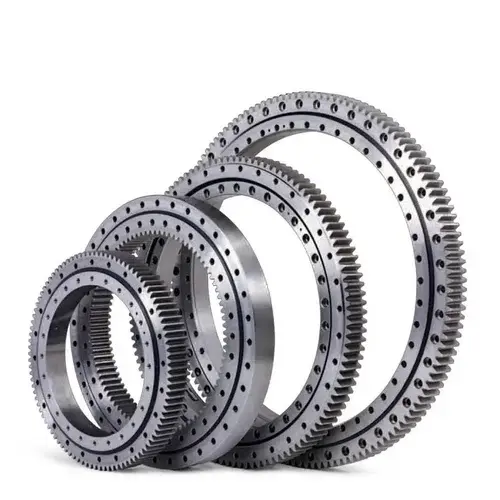
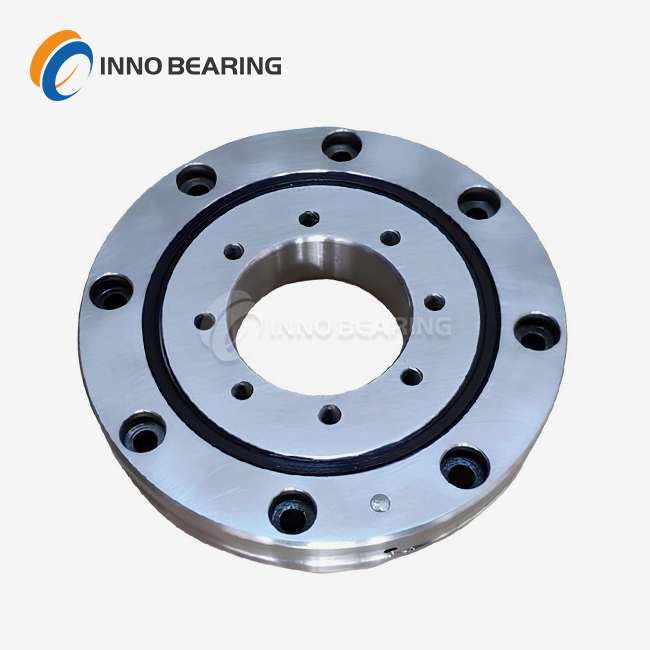
Slewing ring gear systems are complex mechanical Solutions that combine the ability of precise bearings to rotate with built-in gear structures that send power directly to the motor. These parts don't need any extra transmission parts because they have inner and outer rings that are made with straight or helix teeth from module 2 to 12. This lets them connect directly to motor gears in a wide range of industrial settings.
Fundamental Design Principles and Construction
In integrally forged building methods, the physics behind these spinning assemblies is based on better material density and strength qualities than other ways of making things. The core structure is made up of inner and outer rings made from high-quality structural steels like 50Mn or 42CrMo. It also has precision-ground rolling elements made from GCr15 bearing steel or GCr15SiMn to make it more resistant to impact in harsh conditions.
Modern Slewing Bearings have gear teeth that have been cooled and carburized to achieve surface hardness levels between HRC58 and 62. This gives them great wear resistance while keeping the core tough for shock absorption. The carburization process makes a hardened layer on the surface that doesn't wear away or chip when heavy loads are applied rotationally. Other heat treatment methods find the best balance between the toughness of the surface and the resilience of the core.
Application-Specific Configuration Options
To get the best performance, different OEM uses need different bearing designs. Single-row four-point contact designs work best in situations that need to be able to handle a wide range of dynamic loads, while double-row designs can handle more weight in heavy-duty static situations. Cross-roller types offer the highest level of accuracy and stiffness for uses that need very little movement under load. This makes them perfect for medical equipment or military applications that need precise positioning systems.
The size range usually includes outer ring diameters between 500mm and 3500mm, gear ring widths between 20mm and 80mm, and heights between 30mm and 100mm. This is so that the sizes can fit a variety of types of industrial equipment. Because of this wide range of sizes, makers can choose the best options for a wide range of uses, from small robotic systems to huge mining equipment.
Key Criteria for Choosing a Slewing Ring Gear Manufacturer
To find the best manufacturing partner, you need to carefully consider a number of performance and operating factors that have a direct effect on the success of the project. Before the evaluation process starts, project-specific needs should be clearly spelled out. These should include number needs, accuracy standards, delivery dates, and expectations for long-term support.
Technical Capability Assessment
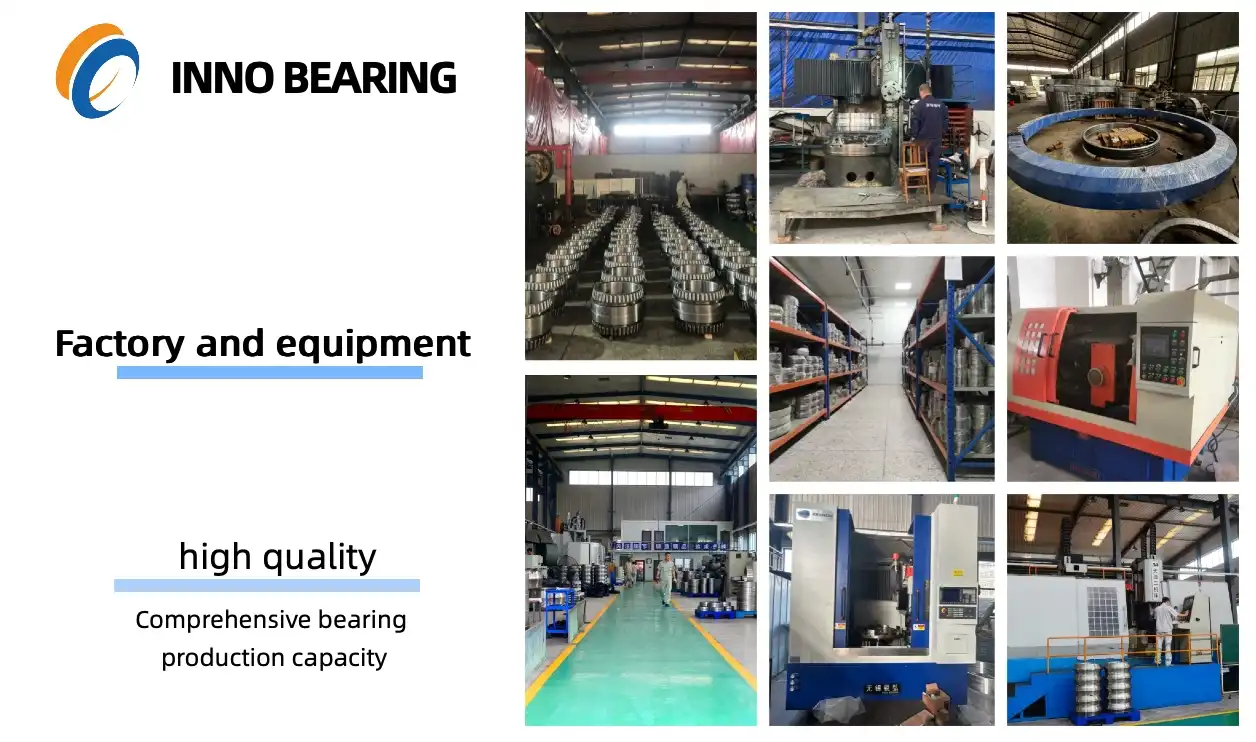
The main thing that is used to judge a provider for slewing ring gear is their manufacturing skills, which include their production capacity, precise machining tools, and quality control systems. Leading makers usually keep CNC machining centers that can handle parts with a width of up to 5000 mm and specialized gear cutting equipment for meeting exact tooth geometry and surface finish requirements.
Pay close attention to the heat treatment options because the right way to carburize and cool gear has a direct effect on its toughness and service life. Companies that do their own heat treatment often get more consistent results and better Process Control than companies that depend on outside providers for important thermal processing tasks.
Quality Management and Certification Standards
Comprehensive quality control systems make sure that products always work as they should and follow the rules in a wide range of industry settings. ISO 9001:2015 certification is a basic level of quality assurance. Certifications related to an industry, like API, AGMA, or sector-specific standards, show that the company has specialized knowledge in certain application areas.
Key inspection skills should include measuring gear pitch error, checking the depth of the carburized layer, and testing the hardness of the tooth surface to make sure it meets the requirements of the standard. Coordinate measuring tools, gear analyzers, and metallographic testing equipment are used by advanced makers to check the quality of their products all the way through the production process.
Customization and Engineering Support
OEM applications often need unique solutions that aren't available in standard catalogs. This means that makers need to have strong engineering skills and flexible production systems. It is possible to get the best combination with certain equipment designs by changing bearing configurations, gear specs, sealing systems, or mounting arrangements.
Application engineering, 3D modeling, and prototype development are some of the technical support services that can help a project run smoothly and cut down on development times. Manufacturers that offer full engineering help usually have a better grasp of what an application needs and can offer more reliable technology solutions.
Ensuring Quality and Longevity: Maintenance, Installation, and Common Issues
Proper installation procedures and maintenance protocols significantly influence slewing ring gear service life and operational reliability. Understanding important construction requirements and using the right repair plans can help you get the most out of your investment and keep unexpected downtime costs to a minimum.
Critical Installation Protocols
The success of the installation relies on following certain torque requirements, alignment limits, and requirements for prepping the mounting surface. The main reason why bearings fail too soon is that they were not installed correctly, so it is important to get the right training and follow the right steps to get the best results.
The load distribution and bearing life are directly affected by how flat the mounting surface is and how accurate the bolt holes are. Surface errors that are too big or too small can cause stress concentrations that speed up fatigue failure. Also, using the wrong bolt torque sequences can add harmful preloads or clearances that make spinning less smooth and lower the load-carrying capacity.
Preventive Maintenance Strategies
Regular maintenance for slewing ring gear that includes oil stops wear before it happens and greatly increases the service life. The lubrication plan is based on the application's intensity, working conditions, load levels, and environmental factors. Typical times are between 500 and 2000 operating hours.
Controlling contamination with the right closing systems and regular inspections stops the entry of sharp particles that speed up the wear process. Standard uses of nitrile rubber seals are enough to keep things safe, but fluororubber seals are better at withstanding oil and high temperatures that are common in certain industrial settings.
Common Failure Modes and Prevention
The most common cause of failure is wear, which can be caused by poor greasing, infection, or too much load. Regularly checking for vibrations and temperature changes can help find problems early on, before they become too big to fix. This lets repair activities be planned ahead of time, minimizing the impact on operations.
Handling surfaces incorrectly during installation or servicing can damage precisely machined surfaces or make seals less effective. Using the right moving, storing, and handling methods will keep parts in good shape during their entire installation and service life.
Comparing Slewing Ring Gear Solutions: Making the Right Choice for Your OEM Project
To choose the best bearing configurations, you need to know how different design methods work and what kinds of applications they are best for. There are different benefits to each type of bearing that match different operating needs and performance objectives.
Single Row versus Double Row Design Considerations
For uses that only need to handle light loads, single-row bearings offer small installation spaces and cost-effective options. These designs work really well for things that need to rotate a lot but only have light axial and moment loads, like small cranes and tools for moving things around.
For heavy-duty uses, double-row designs offer higher load capacities and better moment protection. The extra row of rolling elements spreads the load more evenly, lowering contact stresses and increasing service life in tough environments like those found in wind turbines and big building equipment.
Load Capacity and Performance Optimization
Specifications for load capacity must take into account both steady and dynamic loading situations that happen in normal operation. While static load ratings show the heaviest loads that can be applied when the object is still or slowly turning, dynamic load ratings show how long the object is expected to last when it is continuously spinning at a certain load level.
When there are overturning moments from long boom setups or wind loading, moment loading ability is a very important standard to have. When it comes to uses like mobile cranes or offshore equipment that needs to be stable under heavy loads, three-row roller designs offer the most moment capacity.
Material Selection and Environmental Considerations
Specialized materials have better qualities for difficult uses, while standard bearing steel works very well in most industrial settings. In marine areas or chemical processing settings where normal materials would break down too quickly, corrosion-resistant treatments or different materials may be needed.
Choosing the right sealing system for slewing ring gear affects how to protect the environment and how often it needs to be maintained. In enclosed situations, standard seals are enough to keep things safe. However, improved sealing systems protect against harsh weather conditions like dust, wetness, and chemical exposure that are common in mine or marine settings.
Procurement Insights: How to Buy Slewing Ring Gears for OEM Projects?
Procurement strategies that work well balance cost, service, and quality while building trusting relationships with suppliers that support long-term business goals. Knowing how the market works and what suppliers can do helps you make better buying choices that fit the needs of the project and your budget.
Sourcing Strategy Development
When you ask for quotes, you should include thorough details about the size and weight limits, the environment, and the quality standards. Detailed specs make it possible to set accurate prices and lower the risk of mistakes that can delay or cost more than expected projects.
Lead time management is an important thing to think about when buying things, especially for big or custom parts that need longer to make. Standard goods usually ship within a few days, but custom solutions can take anywhere from 15 to 30 days to finish, based on how complicated they are and how much time the maker has available.
Supplier Evaluation and Selection Criteria
Long-term supply security and project risk levels are affected by how stable a supplier's finances are and how much they can make. Established makers with a wide range of customers and strong financial positions usually have more reliable supply lines and better quality performance than smaller or less financially stable suppliers.
Logistics prices, delivery times, and how well people can communicate are all affected by where things are located. Regional suppliers may be more convenient because they are closer and more culturally compatible, while global suppliers may offer lower prices or specialized skills that aren't available locally.
Contract Terms and Risk Management
The warranty terms should make it clear how long the service lasts, what the performance promises are, and how to fix any possible quality problems. Comprehensive warranty terms protect against flaws in the making process and make sure that both parties know what is expected of them in terms of product performance and assistance.
It's important to make sure that payment terms and delivery plans work well with project timelines and cash flow needs. Flexible payment plans and dependable delivery promises help make sure that the job is completed successfully, and they also help keep good relationships with suppliers for future purchases.
Conclusion
Selecting the right slewing ring gear manufacturer requires careful evaluation of technical capabilities, quality systems, and support services that align with your specific OEM project requirements. The decision impacts not only initial procurement costs but also long-term operational reliability, maintenance expenses, and project success outcomes. By systematically assessing manufacturer qualifications, understanding product specifications, and implementing proper procurement strategies, OEM buyers can establish partnerships that deliver exceptional value and performance throughout the equipment lifecycle.
FAQ
What factors most significantly influence slewing ring gear service life?
Service life is mostly determined by how well it was installed, how often it is maintained, how much it is used, and the surroundings. The most important things for extending the life of a bearing are using the right torque levels during installation, keeping the lubrication plans constant, and keeping the bearing clean.
How do I determine whether single-row or double-row configurations are appropriate for my application?
For uses with modest loads and limited room, single-row bearings work well. For heavy-duty applications, double-row designs offer higher load capacities. When choosing between configurations, you should think about the highest load levels, the available room, and the cost.
What warranty coverage should I expect from reputable manufacturers?
Most good makers offer guarantees that cover manufacturing flaws and material failures under normal working conditions for 12 to 24 months. To make sure there is enough security, warranty terms should make it clear what the limits of coverage are, how to make repairs, and what the performance guarantees are.
Partner with INNO Bearing for Your Slewing Ring Gear Requirements
INNO Bearing has been making specialized products for almost 30 years and has advanced production tools that allow them to make slewing ring gear solutions that work better than OEM standards. Our all-around method includes custom planning, precision production, and specialized support services that make sure the project is a success from the first design to its long-term use. You can talk to our expert team at sales@inno-bearing.com about your specific needs and find out why top OEM makers choose INNO Bearing as their chosen slewing ring gear provider for high-reliability and high-performance uses.
References
American Gear Manufacturers Association. "AGMA 6123-B06: Design Manual for Enclosed Epicyclic Gear Drives." AGMA Standards, 2018.
Harris, Tedric A., and Michael N. Kotzalas. "Rolling Bearing Analysis: Advanced Concepts of Bearing Technology." CRC Press, 2020.
International Organization for Standardization. "ISO 12043-1:2007: Rolling Bearings - Single-Row Slewing Bearings." ISO Technical Committee, 2019.
Machinery Lubrication Institute. "Best Practices for Slewing Bearing Maintenance in Heavy Equipment Applications." Industrial Maintenance Quarterly, 2021.
Society of Manufacturing Engineers. "Advanced Manufacturing Techniques for Large Diameter Precision Bearings." SME Technical Papers, 2022.
Wind Power Engineering & Development. "Slewing Bearing Technologies for Next-Generation Wind Turbine Systems." Renewable Energy Manufacturing Review, 2023.

Learn about our latest products and discounts through SMS or email