- English
- French
- German
- Portuguese
- Spanish
- Russian
- Japanese
- Korean
- Arabic
- Greek
- German
- Turkish
- Italian
- Danish
- Romanian
- Indonesian
- Czech
- Afrikaans
- Swedish
- Polish
- Basque
- Catalan
- Esperanto
- Hindi
- Lao
- Albanian
- Amharic
- Armenian
- Azerbaijani
- Belarusian
- Bengali
- Bosnian
- Bulgarian
- Cebuano
- Chichewa
- Corsican
- Croatian
- Dutch
- Estonian
- Filipino
- Finnish
- Frisian
- Galician
- Georgian
- Gujarati
- Haitian
- Hausa
- Hawaiian
- Hebrew
- Hmong
- Hungarian
- Icelandic
- Igbo
- Javanese
- Kannada
- Kazakh
- Khmer
- Kurdish
- Kyrgyz
- Latin
- Latvian
- Lithuanian
- Luxembou..
- Macedonian
- Malagasy
- Malay
- Malayalam
- Maltese
- Maori
- Marathi
- Mongolian
- Burmese
- Nepali
- Norwegian
- Pashto
- Persian
- Punjabi
- Serbian
- Sesotho
- Sinhala
- Slovak
- Slovenian
- Somali
- Samoan
- Scots Gaelic
- Shona
- Sindhi
- Sundanese
- Swahili
- Tajik
- Tamil
- Telugu
- Thai
- Ukrainian
- Urdu
- Uzbek
- Vietnamese
- Welsh
- Xhosa
- Yiddish
- Yoruba
- Zulu
High-Speed Spindle Bearings for Modern CNC Equipment
The most important part of precision making is the high-speed spindle bearings, which are essential parts that make CNC equipment very accurate and reliable. These special bearings allow machine tool hubs to work at speeds higher than 10,000 RPM while keeping radial runout tolerances of ≤0.002mm. When used in CNC machines today, bearings need to be able to handle high spinning speeds and keep working well over long periods of time. Precision-grade parts made just for machine tool spindles are what we do at INNO Bearing. They have to be very rigid and able to rotate very precisely in order to meet the strict requirements of today's advanced production settings.
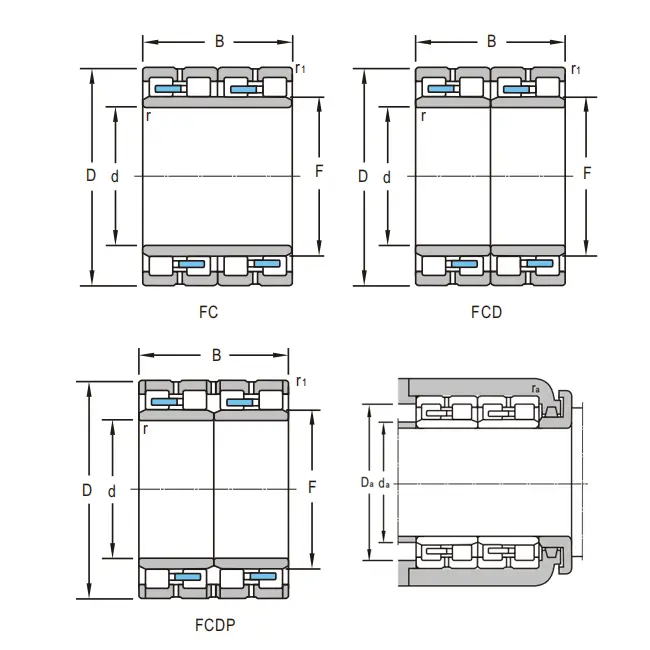
Understanding High-Speed Spindle Bearings: Types and Working Principles
High-speed spindle bearings are engineered to provide exceptional rotational support while maintaining the delicate balance between speed capability and precision requirements. These components function as the primary interface between rotating spindles and stationary machine frames, accommodating both radial and axial loads while operating at elevated speeds that would compromise standard bearing designs.
Core Function and Design Philosophy
The main idea behind spindle bearings is to keep friction as low as possible while keeping stiffness and accuracy high. In contrast to regular bearings, these parts have optimized internal shapes with specific contact angles that are usually between 15° and 25°. This method of design makes it possible to handle mixed loads well while lowering the amount of heat that is made at high spinning speeds, where dn factors are common to be more than one million.
Structural Configurations and Material Specifications
Modern designs for spindle bearings include a number of important structural features that make them work better. Single-row designs are best for uses that need to go very fast (over 1,000,000 RPM), while double-row designs can hold more weight and be more rigid. The separate inner ring design, which comes with different taper choices, makes installation and change more exact, which is important for keeping the ideal preload conditions.
The makeup of the material is a key factor in determining how well a bearing works. Premium alloy steels like GCr15, GCr15SiMn, and 20Cr2Ni4A are used to make the inner rings, outer rings, and rolling elements. Each steel was chosen for its special working needs. The cage can be made of cast steel or brass, depending on the speed needs and the cleaning conditions. These materials are carefully heated until they reach a hardness level of 60 to 64 HRC. This gives them great resistance to wear and excellent physical stability.
Precision Classification and Performance Metrics
Class P4 precision standards are used to make high-speed spindle bearings, and Class P2 standards are met by ultra-precision types. These precise grades make sure that the radial runout stays within strict limits, even at speeds of 10,000 RPM or higher. Operating noise levels are kept below 45dB, which helps improve the conditions for cutting and makes workers more comfortable.
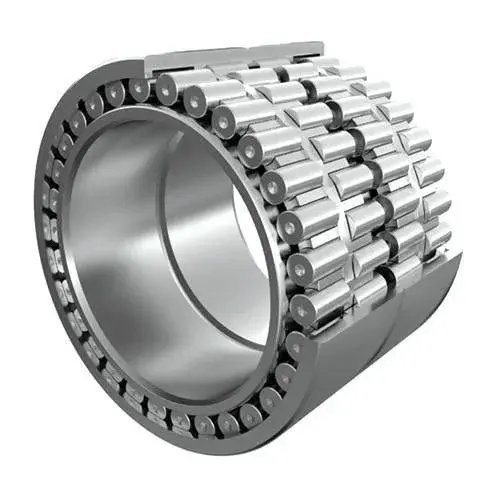
Maintenance and Optimization of High-Speed Spindle Bearings
To get the most out of high-speed spindle bearings' operating life and performance stability, it's important to follow good maintenance procedures. Following the right repair procedures will not only make parts last longer, but they will also keep them working precisely and reliably even after longer service times.
Lubrication Systems and Requirements
The most important part of spindle bearing care is making sure that the bearings are properly oiled. For high-speed uses, you usually need special oils that are made to work with very high temperatures and speeds. Grease-based lubrication systems that use mineral base oils and lithium thickeners have great binding properties and can work in temperatures ranging from -30°C to +110°C.
Oil-air lubrication systems work better for very fast uses because they give exact amounts of lubricant and cool things down well. These systems reduce the spinning losses that come with regular oil bath lubrication while still making sure that the lubricant film is thick enough for tough working conditions.
Diagnostic Monitoring and Troubleshooting
Regularly checking the status signs of bearings lets you plan maintenance ahead of time and stops catastrophic failures. Vibration patterns, temperature profiles, and sound outputs are some of the most important diagnostic factors. Vibration research shows how bearings wear and if there are any misalignment problems. Temperature tracking shows if there isn't enough lubrication or the machine is under too much load.
Noise levels going up, temps rising, and strange sound patterns are all common signs of failure. These signs usually show up early enough before the bearing fails to allow for planned replacement, which saves money by avoiding expensive production stops and possible damage to other machine tool parts.
Preventive Maintenance Best Practices
Structured preventive maintenance plans make bearings last a lot longer while still meeting accurate performance standards. As part of regular inspections, sealing systems should be looked at visually, the state of the oil should be checked, and performance parameters should be confirmed. Contamination control methods, such as the right way to handle and store bearings, keep them from wearing out too quickly.
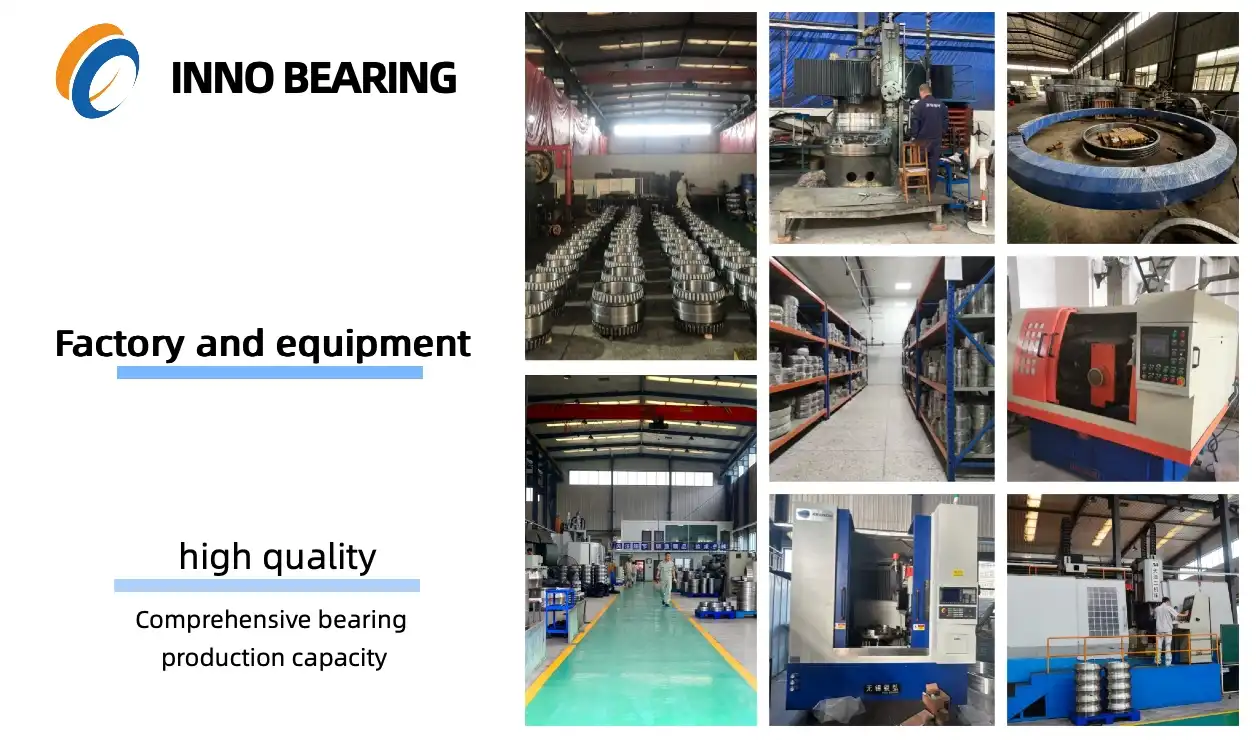
How to Choose the Right High-Speed Spindle Bearings for Your CNC Machinery?
To choose the right spindle bearings, you need to look at a lot of factors that are specific to the application, such as the operating speeds, load qualities, accuracy needs, and environmental conditions. This decision process has a direct effect on how well the machine tool works, how well the products are made, and how much it costs to run.
Application Parameter Assessment
When it comes to high-speed spindle uses, speed needs are the most important thing to consider. The dn number, which is found by multiplying the bearing bore width by the rotating speed, is a basic way to measure how fast something can go. Modern CNC machining centers often need dn values greater than one million, which means that bearings have to be specially designed to work in these harsh conditions.
Load analysis looks at both the size and the direction of the load. Axial loads come from tool clamping systems and heat growth effects, while radial loads come from cutting forces and the weight of the workpiece. By understanding these load trends, you can choose the right bearing setup and find the best preload.
Material and Design Considerations
The choice of spindle bearings material has a big effect on how well it works and how long it lasts. Standard steel bearings made of GCr15 metal are very cost-effective for moderate-speed uses. On the other hand, mixed ceramic designs with silicon nitride rolling elements can handle higher speeds with less heat production.
The shape and material of the cage affect how stable it is at high speeds and how the oil is spread out. Outer-ring guided cages made of phenolic resin or PEEK materials work better at high speeds, reducing friction losses and keeping the exact space between the rolling elements.
Supplier Evaluation and Quality Assurance
Criteria for choosing a supplier should focus on the quality of the products they make, their expert help, and how reliable their deliveries are. The best makers have complete quality systems that check materials using spectrometry, keep an eye on their dimensions while they're being made, and make sure the end product works well. ISO 9001 and ISO/TS 16949 licenses provide basic quality assurance, while industry-specific standards for bearings make sure that products meet these standards.
Benefits and Future Trends of High-Speed Spindle Bearings in CNC Technology
Modern production equipment is getting more and more complicated, so advanced bearing technologies are always changing to keep up. The main goals of these improvements are better speed, longer service life, and more efficient operations.
Ceramic and Hybrid Bearing Advantages
When compared to standard steel designs, ceramic spindle bearings work much better. Silicon nitride rolling elements have a 40% lower density, which lets them work at higher speeds with less rotational pressure. Because ceramics have different heating properties, they can work at lower temperatures and keep their shape better when the temperature changes.
Combining steel bands with ceramic rolling parts in hybrid designs makes them more cost-effective while also improving their performance. When compared to all-steel designs, these setups allow for 30–50% faster speeds while still working with current lubrication systems and installation methods.
Industry 4.0 Integration and Smart Monitoring
New technologies allow tracking of bearing state in real time using built-in sensor systems. Monitoring of temperature, pressure, and sound waves gives constant information about the health and performance trends of bearings. Predictive maintenance programs look at this information to figure out what repairs will need to be done and when to do them.
Digital twin technology makes virtual bearing models that mimic how things work in the real world. This lets you improve performance and predict when something will break. These systems work with industrial execution systems to give you full control over the health of your tools and the ability to plan your production.
Future Development Directions
The main goal of advanced materials research is to make bearing steels that are more resistant to wear and have more stable dimensions. Nanostructured surface treatments make surfaces less likely to wear down and less likely to stick together. Using methods for additive manufacturing, complicated cage shapes can be made that work best for certain tasks.
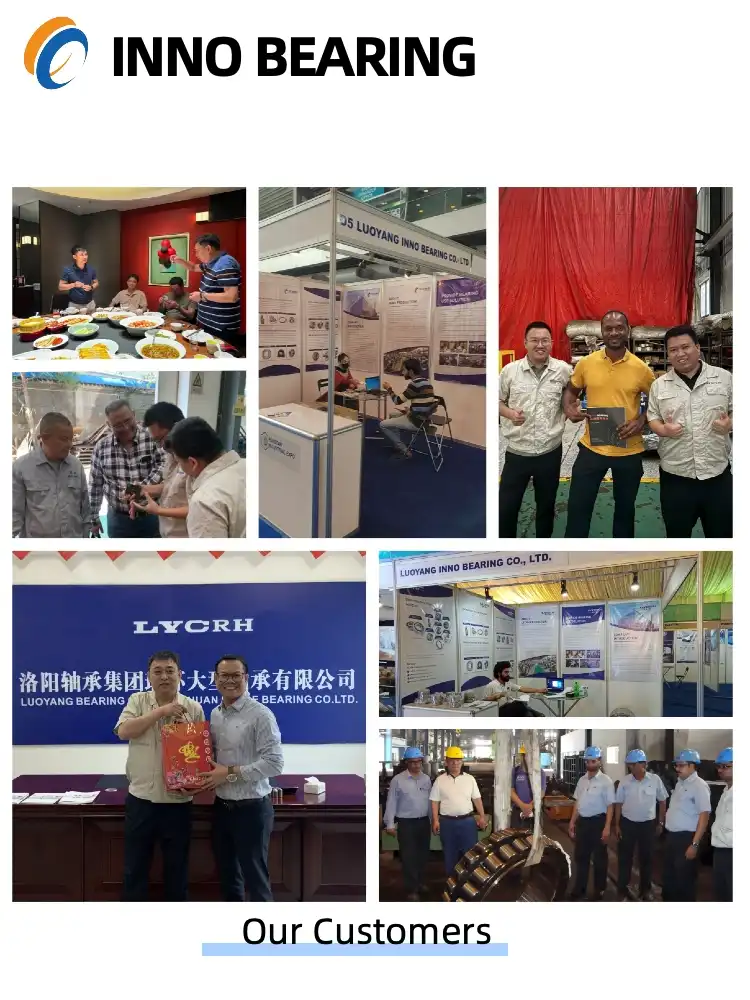
Procurement Strategies for High-Speed Spindle Bearings: Tips for Global B2B Clients
Getting high-quality spindle bearings while keeping costs low and making sure the supply chain works reliably requires smart buying strategies. When global buying, you need to think carefully about what the suppliers can do, how they meet quality standards, and how they can get your goods to you.
Supplier Qualification and Evaluation
A full evaluation of a supplier looks at their production skills, quality systems, and expert help resources. Site audits check the buildings used for output, the methods used for quality control, and the ability to test. Suppliers whose finances are stable and who can stay in business for a long time make sure that products and support services will always be available.
The technical competence exam looks at your engineering knowledge, your ability to use that knowledge, and your ability to solve problems. Suppliers should show that they have worked with similar projects before and give full technical details like size requirements, performance data, and installation instructions.
Cost Optimization and Value Engineering
The initial purchase price, installation costs, upkeep needs, and projected service life are all things that are looked at in a total cost of ownership study. Higher-quality bearings often offer better value through longer repair intervals and better performance, even though they cost more at first.
Volume buying deals lower costs and make sure that supplies are always available. Flexible buying options, such as providing samples for testing and evaluation, help buyers make smart choices while lowering the risks of procurement.
Global Logistics and Supply Chain Management
When doing business internationally, you need to pay close attention to shipping rules, customs processes, and arrival times. Reliable providers keep stock in key areas of the world, which allows for quick shipping and lowers the risks in the supply chain. DDP and DAP shipping terms make it easier to buy things and make sure that you know how much delivery will cost.
Conclusion
High-speed spindle bearings are important parts that have a direct effect on how well CNC equipment works, how precise it is, and how reliable it is. When these specialized bearings are chosen, installed, and maintained correctly, they make sure that machine tools work at their best, increasing productivity and reducing downtime. When you know about the technical specs, performance needs, and application factors, you can make smart purchasing choices that will last and provide excellent operating performance.
FAQ
What maintenance intervals are recommended for high-speed spindle bearings?
How often maintenance needs to be done depends on the speed, load, and working conditions. Bearings that are working normally need to be inspected about every 2,000 to 3,000 hours of use. Monitoring may need to happen more often, usually every 1,000 to 1,500 hours, for high-speed uses or harsh working environments.
How do ceramic and steel spindle bearing lifespans compare?
When used at high speeds, ceramic bearings usually last two to three times longer than steel bearings. Ceramic materials have a longer useful life because they don't wear down as quickly and don't produce as much heat. This is especially true in uses that go faster than 15,000 RPM.
Can sealed spindle bearings be serviced or relubricated?
Most sealed spindle bearings are made to be oiled all the time and can't be oiled again successfully. However, some designs include grease joints that allow for regular relubrication. Check the manufacturer's instructions to see what service choices are available for certain bearing types.
Partner with INNO Bearing for Superior Spindle Bearing Solutions
INNO Bearing makes the best spindle bearings in the business, and they are designed to work perfectly in the most difficult CNC uses. Our wide range of products includes Class P4 and P2 precision grades, hybrid ceramic designs, and unique setups made to fit the needs of each operation. We've been making things for almost 30 years, so we can offer reliable bearing Solutions backed by full professional help and the ability to ship goods all over the world. Get in touch with our engineering team at sales@inno-bearing.com to talk about your spindle bearing needs and find out why top makers trust INNO Bearing as their trusted supplier for precision bearing solutions.
References
Harris, T.A. and Kotzalas, M.N. "Essential Concepts of Bearing Technology: Rolling Bearing Analysis, Fifth Edition." CRC Press, 2018.
Weck, M. and Brecher, C. "Machine Tools 4: Automation of Machine Tools and Manufacturing Systems." Springer-Verlag Berlin Heidelberg, 2010.
ISO 281:2007. "Rolling bearings - Dynamic load ratings and rating life." International Organization for Standardization, 2007.
Eschmann, P., Hasbargen, L., and Weigand, K. "Ball and Roller Bearings: Theory, Design and Application, Third Edition." John Wiley & Sons, 1999.
Tlusty, J. "Manufacturing Processes and Equipment: Machine Tool Structures and Spindle Systems." Prentice Hall, 2000.
NSK Technical Report. "Super Precision Bearings for Machine Tool Spindles: Design Considerations and Performance Optimization." NSK Motion & Control, 2019.

Learn about our latest products and discounts through SMS or email