- English
- French
- German
- Portuguese
- Spanish
- Russian
- Japanese
- Korean
- Arabic
- Greek
- German
- Turkish
- Italian
- Danish
- Romanian
- Indonesian
- Czech
- Afrikaans
- Swedish
- Polish
- Basque
- Catalan
- Esperanto
- Hindi
- Lao
- Albanian
- Amharic
- Armenian
- Azerbaijani
- Belarusian
- Bengali
- Bosnian
- Bulgarian
- Cebuano
- Chichewa
- Corsican
- Croatian
- Dutch
- Estonian
- Filipino
- Finnish
- Frisian
- Galician
- Georgian
- Gujarati
- Haitian
- Hausa
- Hawaiian
- Hebrew
- Hmong
- Hungarian
- Icelandic
- Igbo
- Javanese
- Kannada
- Kazakh
- Khmer
- Kurdish
- Kyrgyz
- Latin
- Latvian
- Lithuanian
- Luxembou..
- Macedonian
- Malagasy
- Malay
- Malayalam
- Maltese
- Maori
- Marathi
- Mongolian
- Burmese
- Nepali
- Norwegian
- Pashto
- Persian
- Punjabi
- Serbian
- Sesotho
- Sinhala
- Slovak
- Slovenian
- Somali
- Samoan
- Scots Gaelic
- Shona
- Sindhi
- Sundanese
- Swahili
- Tajik
- Tamil
- Telugu
- Thai
- Ukrainian
- Urdu
- Uzbek
- Vietnamese
- Welsh
- Xhosa
- Yiddish
- Yoruba
- Zulu
Cost Estimate for Precision Roller Bearings for Robotics
To figure out how much precision roller bearing parts for robots will cost, you have to carefully look at a lot of technical and business factors that have a direct effect on budgets for buying things. These specialized mechanical parts are the backbone of robotic motion systems, and the accuracy of their work has a direct effect on how well the systems work. Knowing what causes costs helps engineering teams and procurement professionals make smart choices that meet performance needs and stay within budget. In modern robotics, applications need bearings that are more and more complex and can handle a wide range of loads while keeping their accuracy over long periods of time.
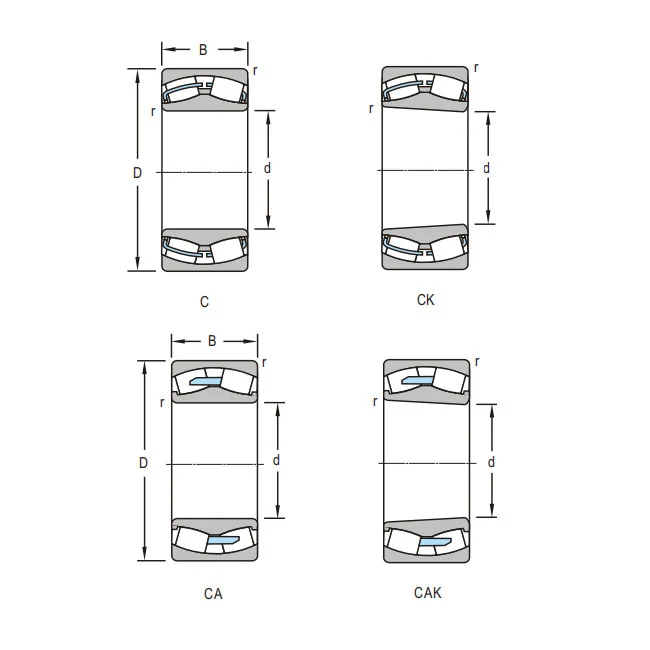
Understanding Precision Roller Bearings in Robotics
Types and Applications in Robotic Systems
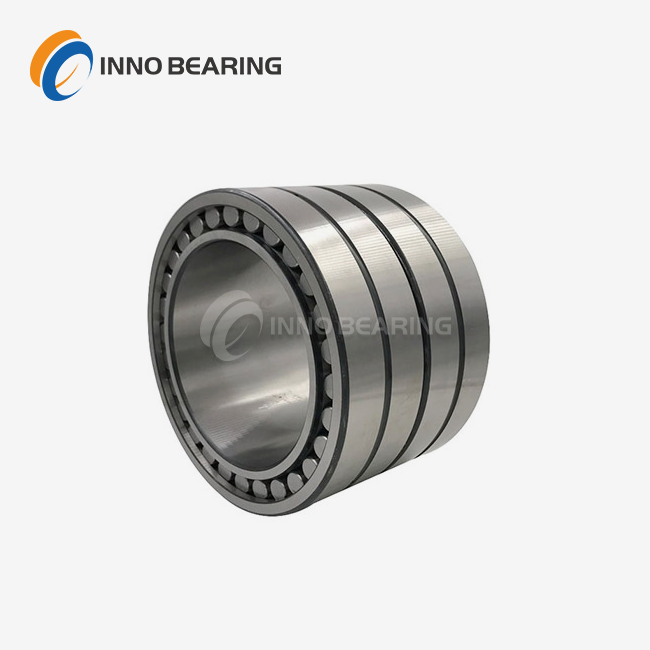
Precision roller bearing technology comes in a number of different forms, each of which is best for a certain type of robotic application. Cylindrical roller bearings are great at supporting high radial loads in robotic arm joints. This is especially true in industrial automation, where heavy loads put a lot of stress on the joints. Tapered Roller Bearings work better in situations where both radial and axial loads need to be managed at the same time, like in robotic positioning systems and rotating assembly mechanisms.
Needle roller bearings are very good at saving space in small robot designs where the size of the bearing envelope is limited. Because they can hold a lot of weight for their size, they are perfect for wrist joints and gripper mechanisms. When there is axial loading, like in vertical lifting robots and rotating platforms where gravity puts a lot of downward pressure, Thrust roller bearings are designed to handle it.
Design Features Influencing Performance
The engineering specifications that describe precision roller bearings directly affect how well they work and how much they cost. Using advanced metallurgy and high-quality steel alloys, like bearing-grade chromium steel and special stainless steels, makes things last longer even in tough conditions. Surface treatments, like carbonitriding and special coatings, make things last longer and make them less likely to stick together.
Precision grading standards, which usually fall between ABEC-1 and ABEC-9, decide how accurate the dimensions are and have a direct effect on both pricing and performance. More complex manufacturing methods and quality control measures are needed for higher precision grades, which means that the materials cost more but have better performance.
Comparison with Alternative Bearing Technologies
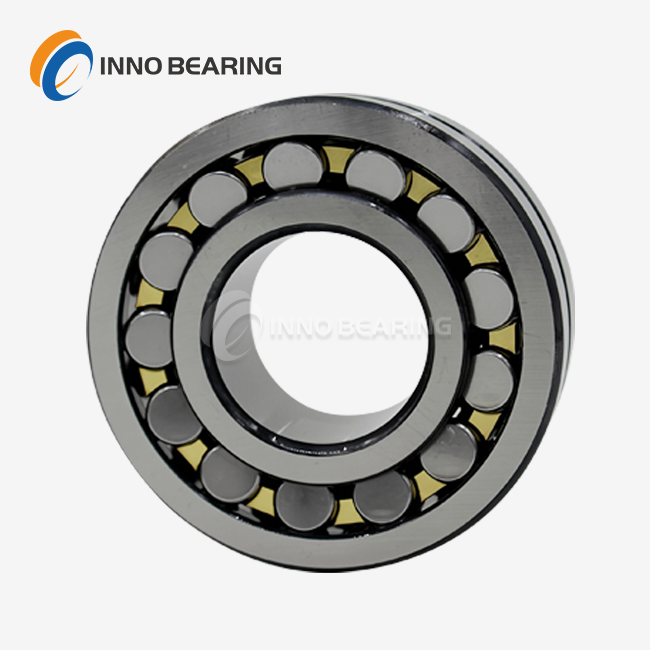
There are clear advantages between roller bearing Solutions and ball bearing alternatives in certain robotic applications. The line contact geometry of roller elements spreads loads over a larger surface area. This lowers contact stress and increases the life of the rollers when they are under a lot of load. This quality is especially useful in industrial robotics, where loads often weigh more than 100 kilograms.
But ball bearings are still better in high-speed situations and situations where misalignment needs to be dealt with. As part of the selection process, the load requirements, speed parameters, and environmental conditions are looked at to find the best bearing technology for each robotic application.
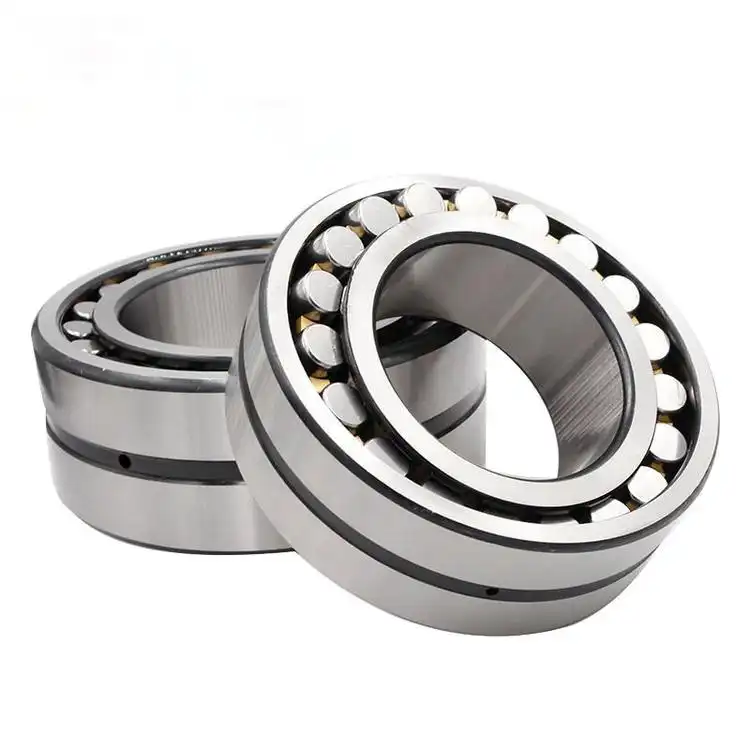
Key Factors Influencing Cost Estimates of Precision Roller Bearings
Material Selection and Manufacturing Precision
One of the main things that affects the cost of buying precision bearings is the choice of high-quality materials. The standard in the industry is 52100 grade high-carbon chromium bearing steel. However, some applications may need different types of stainless steel or alloys that aren't commonly used. Even though they are a lot more expensive, ceramic rolling elements are better for high-speed applications and places where electrical insulation is needed.
The tolerances needed for manufacturing have a direct effect on the costs of production and the final price. To make precision class P4 bearings, which are often needed for robotics applications, you need special tools and better quality control methods. Because of the extra steps that need to be taken during production to meet these tolerances, prices are usually 40–60% higher than for standard precision grades.
Certification needs for aerospace and defense applications add another cost factor to think about. Military standards (MIL-SPEC) and aerospace standards (AS9100) require a lot of paperwork, the ability to track products, and quality control procedures that affect how much things cost in the end.
Design Complexity and Customization Requirements
Standard catalog bearings are cheaper because they are made in larger quantities, while custom configurations need more engineering work and different ways of making them. It takes more time and money to design and make tools for changes like non-standard sizes, different seal configurations, or special lubrication needs.
Both the size of the bearing and its internal design are affected by its load capacity. Higher load requirements usually call for bigger rolling elements, changes to the internal geometry, or better cage designs. These changes affect how much material is used and how complicated the manufacturing process is, which has a direct effect on cost structures.
Supplier Considerations and Market Dynamics
Established roller bearing manufacturers charge higher prices because of their good name, consistent quality, and ability to provide full technical support. Companies like SKF, Timken, and NSK keep their market leadership positions by spending a lot of money on research and development. Their prices reflect these value propositions.
Regional factors in the supply chain affect both the initial cost of buying something and its long-term availability. Even though domestic suppliers may charge more at first, they offer benefits like faster delivery times, easier access to technical support, and lower supply chain risk exposure.
Cost Estimation Process for Precision Roller Bearings
Application Requirements Analysis
The first step in figuring out how much something will cost is to carefully look at the specific operational needs of each robotic application. As part of load analysis, both static and dynamic loading scenarios are looked at. These include peak loads during acceleration phases and continuous operational loads during steady-state operation. Temperature ranges, contamination exposure, and humidity levels are some of the environmental factors that affect the choice of bearing and the costs that come with it.
The speed requirements have a direct effect on how the bearings are built and oiled. For high-speed uses, you might need special cage materials, better ways to balance them, and more expensive lubricants, all of which add to the cost. On the other hand, low-speed applications may be able to save money by using simpler designs and standard lubrication systems.
Lifecycle Cost Evaluation
The total cost of ownership includes more than just the initial purchase price. It also includes the costs of repairs, replacements, and possible downtime. Roller bearing systems that cost more at first often have better lifecycle value because they need less maintenance and service less often.
Accessibility for maintenance in robotic systems affects both the initial design choices and the estimates of long-term costs. Bearings that are in places that are easy to get to may use cheaper designs, while bearings that are in places that are hard to get to may need more expensive designs with longer expected service lives.
Vendor Quote Analysis and Negotiation
To set competitive benchmarks, good procurement strategies include getting quotes from more than one supplier. When evaluating a quote, you should look at more than just the unit price. You should also look at the delivery terms, warranty terms, and availability of technical support. With volume pricing structures, buying more often usually results in big cost savings.
Lead time for roller bearing affects both the scheduling of projects and the costs of managing inventory. Standard bearings usually have shorter lead times and lower prices, while custom configurations can take 12 to 16 weeks to make and ship. These timing issues affect the overall cost of the project and may make it worth paying more for faster delivery options.
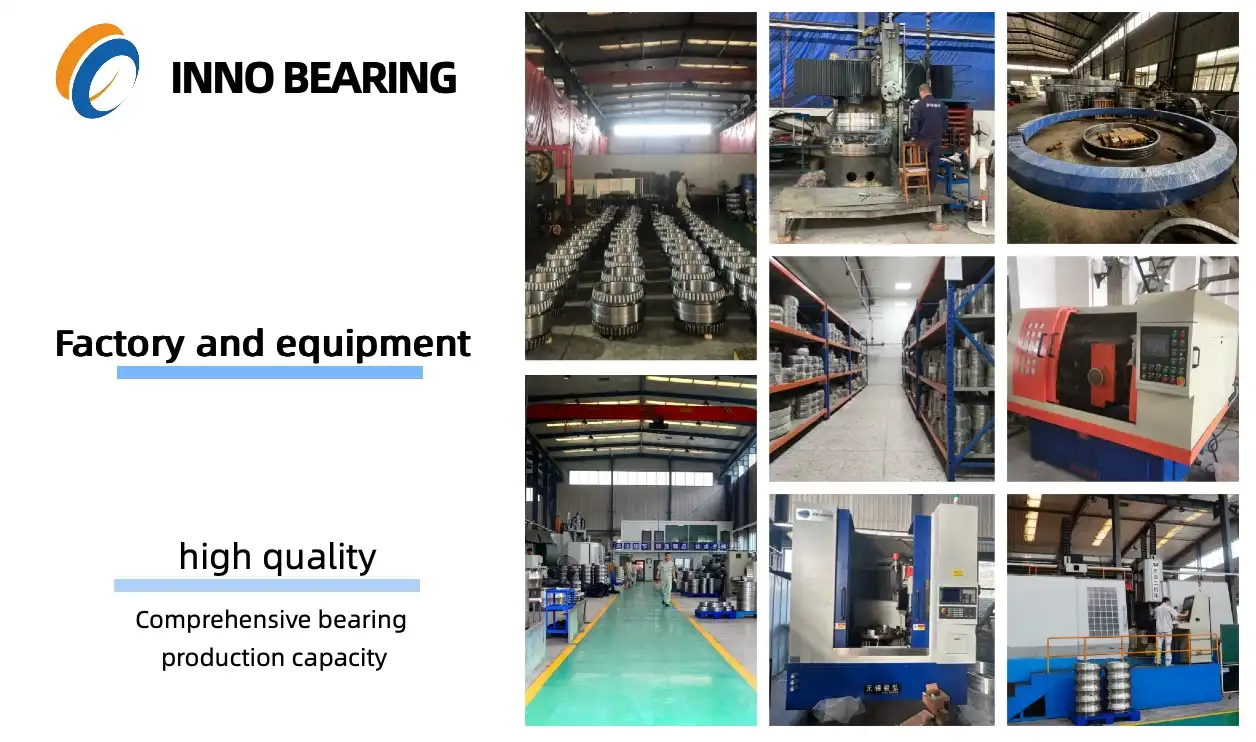
Best Practices for Procuring Precision Roller Bearings for Robotics
Supplier Selection Criteria
To successfully buy bearings, you need to do more than just compare prices. You also need to carefully evaluate the capabilities of each supplier. When it comes to the selection process and the ongoing operational phases, technical knowledge in robotics applications is very helpful. Suppliers with a lot of experience in robotics know how to meet specific needs like low noise operation, precise positioning, and integration with servo control systems.
Quality management systems and certification standards show that a supplier is dedicated to providing consistent quality products. ISO 9001 certification sets the lowest standards that can be met, while aerospace and automotive certifications (AS9100 and TS16949) show that the quality is higher and can handle demanding robotics applications.
Flexibility in manufacturing lets suppliers meet specific needs and make engineering changes during the development process. This feature is especially useful when making prototypes or small amounts of something because standard catalog items might not meet the needs of the application.
Negotiation Strategies and Contract Terms
When you commit to buying a lot of something, you can often get better prices and better service. Forecasting annual quantities helps suppliers plan production and buy raw materials more efficiently, which leads to competitive pricing structures. But keeping these promises means carefully predicting demand so that you don't have to pay too much for extra inventory.
Payment terms and delivery times have an effect on both managing cash flow and the total cost of buying things. When payment terms are extended, unit prices may go up, but when payment terms are shortened, discounts are often available. To find the right balance between these financial factors, you need to look at your organization's cash flow needs and investment priorities.
Technical Specification Development
Precise specification development keeps design changes from being too expensive and makes sure that the best bearings are chosen. Over-specification adds costs that aren't necessary, and under-specification could hurt performance or dependability. When the engineering and procurement teams work together, the specifications make sure that technical needs are met while also meeting cost goals.
During the procurement phase, performance verification requirements should be set up to make sure that the products delivered meet the needs of the application. Some examples are vibration testing, load testing, and quality checks that go beyond the normal quality control processes used in manufacturing.
Conclusion
In robotics, figuring out how much precision roller bearings will cost requires a thorough look at the technical requirements, the supplier's abilities, and the product's lifecycle. Procurement professionals can make decisions that meet both performance and budget goals by fully understanding the connection between bearing specifications and costs. Bearing procurement strategies that work well balance initial costs with long-term benefits, taking into account things like dependability, maintenance needs, and the ability of the supplier to provide support.
FAQ
What factors most significantly impact precision roller bearing costs in robotics?
The main things that affect prices are the choice of material and the level of precision. For example, premium steel alloys and higher levels of precision have much higher prices. Final costs are also affected by the need for customization, the maximum load capacity, and certification standards.
How do lead times affect bearing procurement costs?
Standard bearings typically offer cost advantages through immediate availability, while custom configurations may need longer lead times of 8 to 16 weeks. You can choose faster delivery options, but they usually cost 15 to 25 percent more than regular delivery terms.
What volume thresholds typically unlock significant pricing discounts?
Most bearing manufacturers offer volume discounts starting at 100 pieces, with big discounts available at 500 pieces or more. With annual commitment programs, you can often get better prices if you need to keep your volume requirements steady.
Partner with INNO Bearing for Your Precision Robotics Requirements
INNO Bearing has been making precision roller bearing solutions for nearly 30 years and knows how to make them work best in robotics applications that are very demanding. Our engineering team offers full technical support during the whole procurement process, making sure that the best bearings are chosen in a way that meets both performance and cost goals. We have competitive bulk prices for large orders, and we keep a lot of stock on hand to meet quick delivery deadlines. Get in touch with our technical sales team at sales@inno-bearing.com to talk about your specific robotics bearing needs and get cost estimates that are tailored to your application. As a reliable roller bearing manufacturer, we offer full customization options and import substitution options for robotics applications that need them.
References
Harris, T.A. and Kotzalas, M.N. "Advanced Concepts of Bearing Technology: Rolling Bearing Analysis." CRC Press, 2019.
American National Standards Institute. "Load Ratings and Fatigue Life for Ball and Roller Bearings." ANSI/ABMA Standard 9-1990.
Eschmann, P., Hasbargen, L., and Weigand, K. "Ball and Roller Bearings: Theory, Design and Application." John Wiley & Sons, 2018.
International Organization for Standardization. "Rolling Bearings - Dynamic Load Ratings and Rating Life." ISO 281:2007.
Society of Automotive Engineers. "Bearing and Bushing Alloys." SAE J460 Standard, 2020.
Hamrock, B.J., Schmid, S.R., and Jacobson, B.O. "Fundamentals of Fluid Film Lubrication in Rolling Element Bearings." Marcel Dekker, 2021.
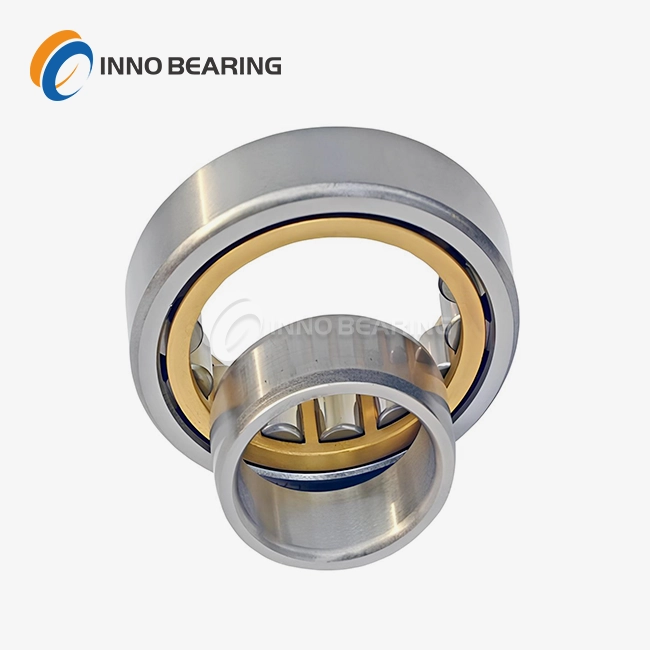

Learn about our latest products and discounts through SMS or email