- English
- French
- German
- Portuguese
- Spanish
- Russian
- Japanese
- Korean
- Arabic
- Greek
- German
- Turkish
- Italian
- Danish
- Romanian
- Indonesian
- Czech
- Afrikaans
- Swedish
- Polish
- Basque
- Catalan
- Esperanto
- Hindi
- Lao
- Albanian
- Amharic
- Armenian
- Azerbaijani
- Belarusian
- Bengali
- Bosnian
- Bulgarian
- Cebuano
- Chichewa
- Corsican
- Croatian
- Dutch
- Estonian
- Filipino
- Finnish
- Frisian
- Galician
- Georgian
- Gujarati
- Haitian
- Hausa
- Hawaiian
- Hebrew
- Hmong
- Hungarian
- Icelandic
- Igbo
- Javanese
- Kannada
- Kazakh
- Khmer
- Kurdish
- Kyrgyz
- Latin
- Latvian
- Lithuanian
- Luxembou..
- Macedonian
- Malagasy
- Malay
- Malayalam
- Maltese
- Maori
- Marathi
- Mongolian
- Burmese
- Nepali
- Norwegian
- Pashto
- Persian
- Punjabi
- Serbian
- Sesotho
- Sinhala
- Slovak
- Slovenian
- Somali
- Samoan
- Scots Gaelic
- Shona
- Sindhi
- Sundanese
- Swahili
- Tajik
- Tamil
- Telugu
- Thai
- Ukrainian
- Urdu
- Uzbek
- Vietnamese
- Welsh
- Xhosa
- Yiddish
- Yoruba
- Zulu
Engineering Tips: Optimizing Jib Crane Bearings
To improve the performance of jib crane bearings, you need to know how important they are to business processes. A jib crane bearing is the crucial part of a crane system that makes it possible for the load to be evenly distributed and the crane to rotate smoothly. This has a direct effect on how well and safely the system works. Choosing the right bearings, keeping them in good shape, and making sure they work at their best can greatly increase the life of equipment and lower its operating costs. Engineering teams in many different industries depend on these key parts to keep working well in tough conditions where accuracy and dependability are very important.
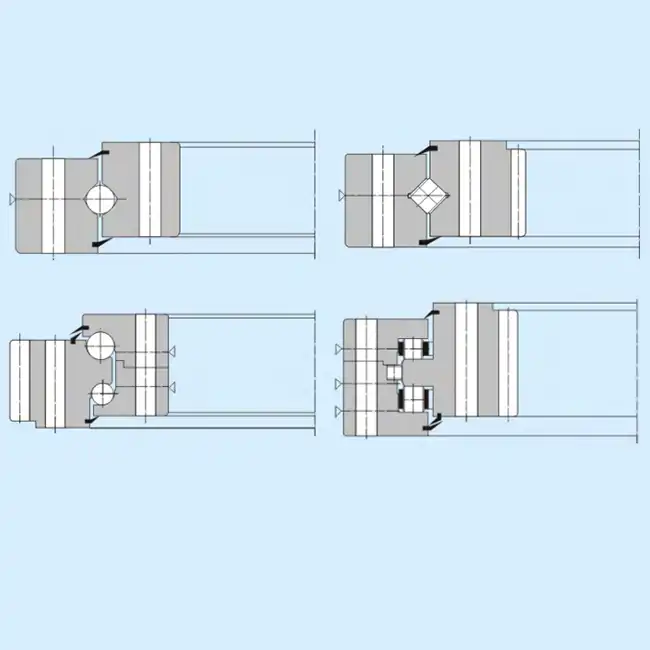
Understanding Jib Crane Bearings – Types, Functions, and Operation
Learning about the basic features and working principles of jib crane bearings is the first step to effectively optimizing a crane. These important parts act as the mechanical link between parts that are fixed and parts that are moving. They make movement smooth and handle complicated load distributions.
Core Functions and Load Management Capabilities
Jib crane bearings have many important jobs to do that have a direct effect on how well the crane works as a whole. These parts can take both axial and radial loads at the same time, which lets the crane hold big loads while still being able to turn freely. The design of the bearings has to be able to handle different types of loads, such as dynamic forces that are created when the crane is lifted and static loads that come from the structure of the crane itself.
Modern bearing systems use improved metal qualities that make them more resistant to wear and tear and extend their useful life. The way these bearings distribute load uses precisely designed contact areas that keep stress from building up and stop wear from happening too soon. Professional engineering teams know that good load management leads to less maintenance needs and higher working efficiency.
Bearing Type Classifications and Applications
When it comes to operating needs and environmental situations, different bearing configurations offer different benefits. The main types of bearings used in jib cranes are listed below:
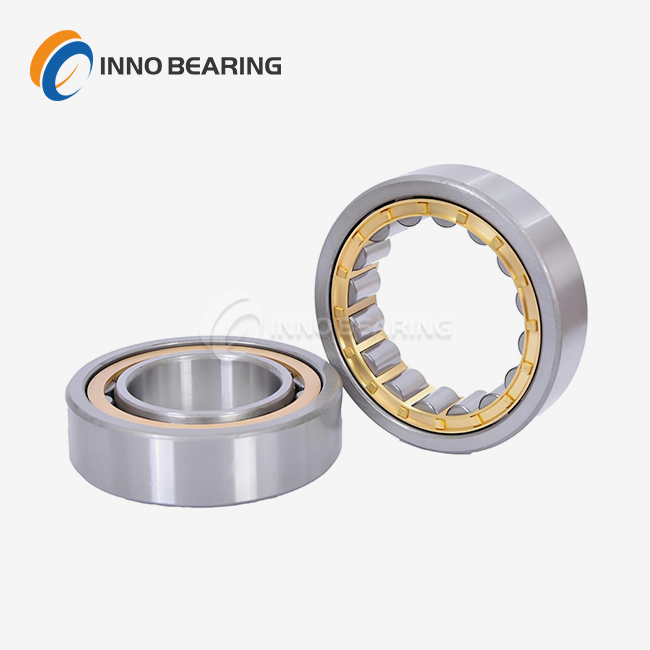
- Tapered roller bearings are great at handling both radial and thrust loads, which makes them perfect for heavy-duty uses where load capacity is important.
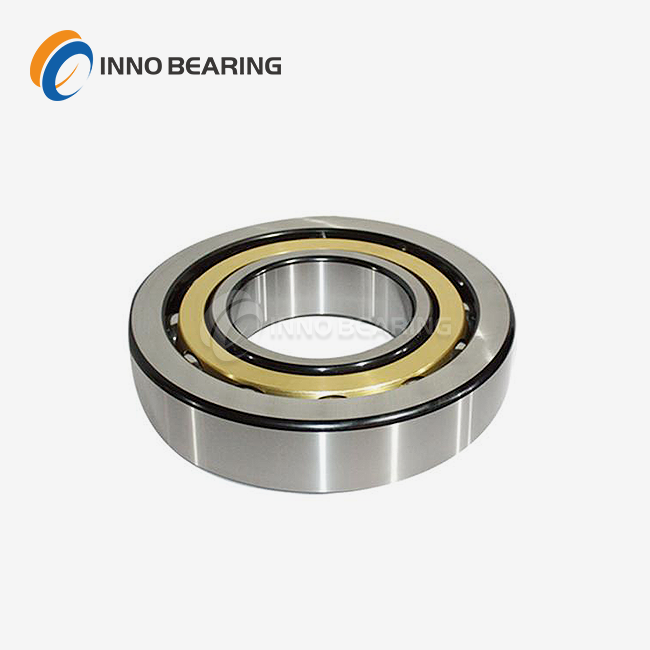
- Ball bearings offer high accurate rotation and low friction, making them ideal for uses that need smooth operation and light load requirements.
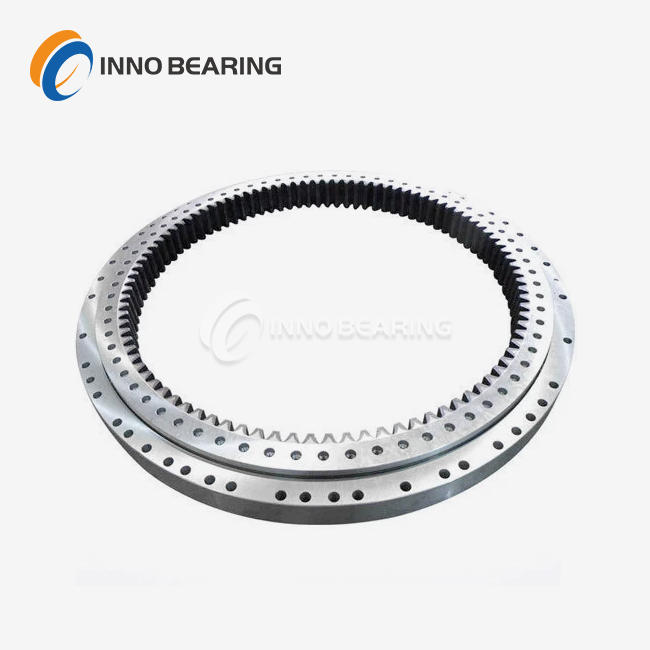
- Radial, axial, and moment load powers are all built into a single slewing bearing, which provides full support.
For the best performance, each type of bearing needs to be installed and maintained in a certain way. As part of the decision process, the load needs, rotational speed, environmental conditions, and ease of upkeep are all looked at. To make sure long-term dependability and cost-effectiveness, engineering specs must match operating needs.
Material Specifications and Design Considerations
The choice of material has a big effect on how well bearings work and how long they last in harsh industrial settings. Steel bearings are stronger and last longer than other types, so they can be used in heavy-load situations where there is a lot of mechanical stress. Bronze bearings are very good at resisting rust and lubricating themselves, which is especially helpful in tough environments like the sea.
Sealed bearing designs have protective parts that keep the oil in and keep the Jib crane bearings from getting dirty. This lowers the regularity of upkeep and increases the time between services. Although open bearing designs make it easier to check for damage and better at removing heat, they need to be maintained more often. Whether to use a sealed or an open design relies on the environment, how easy it is to maintain, and the needs of the business.
Diagnosing and Preventing Jib Crane Bearing Failures
Proactive strategies for bearing care and failure prevention cut down on working downtime by a large amount while raising safety standards. Engineering teams can fix possible problems before they become expensive repairs or safety risks by understanding how failures happen and putting in place thorough monitoring methods.
Early Warning Signs and Detection Methods
To find bearing degradation in its early stages, you need to keep an eye on it and know what the failure signs mean. Usually, the first sign of a bearing problem is abnormal noise patterns, which can sound like grinding, screaming, or strange operating sounds. Vibration analysis gives us numerical information about the state of a bearing. Changes in amplitude or frequency that are bigger than normal can mean there are problems.
Temperature tracking shows changes in temperature that could mean there isn't enough grease, contamination, or too much load. Infrared thermography is used by maintenance workers to find changes in temperature that might not be visible with other checking methods. Protocols for visual inspection find clear wear patterns, rust, or contamination that could weaken the integrity of the bearing.
Common Failure Mechanisms and Root Causes
When you know why bearings fail, you can make specific plans to stop them from happening that deal with particular operating issues. Not enough oil is one of the most common reasons things break, as it causes more friction, more heat, and faster wear. When dust, water, or foreign particles get on bearing surfaces, they lose their ability to lubricate properly.
Overloading conditions are higher than what the bearing was designed to handle, which leads to warping and failure before its time. Errors in installation, such as bad alignment, not enough preload, or dust during assembly, can greatly shorten the life of bearings. Extreme temperatures, corrosive atmospheres, or too much wetness in the air can make working conditions difficult and call for specific bearing Solutions.
Preventive Maintenance Protocols
Using thorough repair procedures can increase the life of bearings while keeping them reliable. Regular lubrication plans must match what the maker suggests and the conditions of use, taking into account things like the amount of load, the speed of spin, and the surroundings. Choosing the right lube is important to make sure it works with the bearing materials and working temperatures.
Cleaning methods get rid of dirt and dust so that bearing parts can be inspected closely. As part of the inspection process, measurements of dimensions, evaluations of surface state, and analyses of greasing are used to find out how much service life is left. By keeping records of maintenance tasks over time, you can use predictive maintenance methods and find the best maintenance intervals.
Comparison and Selection Guide for Optimal Jib Crane Bearings
Choosing the right bearing options means looking at a lot of technical and practical factors that affect how well they work, how much they cost, and how often they need to be maintained. The process of making a choice includes contrasting different types of bearings, their materials, and their shapes to find the best one for each situation.
Performance Characteristics and Load Capabilities
The different types of Jib crane bearings have different performance traits that make them perfect for different operating needs. When it comes to handling loads, Tapered Roller Bearings are the best. They can take both radial and thrust loads well. Because of how they're made, they can evenly distribute load across many touch points, which makes them perfect for heavy-duty uses where structural stability is very important.
Ball bearings have low friction and high spinning accuracy, making them perfect for uses that need smooth operation with mild load requirements. Their spherical contact shape spreads the load evenly while keeping the operating torque low. Slewing Bearings can handle radial, axial, and moment loads at the same time and have small forms that make them easy to use.
Material Selection and Environmental Considerations
The qualities of the material have a big effect on how well the bearing works in different working conditions. Steel bearings are stronger and last longer than other types of bearings. They can handle big loads and rough working conditions. Their metallurgical qualities make them last longer in tough situations where structural stability is very important.
Bronze bearings work well in places where corrosion is a problem and where the ability to lubricate themselves is useful. Their natural ability to lubricate lowers friction and makes them very resistant to rust. For specific uses, composite materials have unique qualities, like being resistant to chemicals or having better wear properties.
Sealed Versus Open Design Trade-offs
When deciding between sealed and open bearing designs, you have to weigh the need for safety against the need for easy upkeep and heat removal. Sealed bearings have protection features that keep the lubrication in and keep the bearings from getting dirty. This lowers the regularity of upkeep and increases the time between services. These designs work especially well in places that are dirty or wet and where there is a high risk of contamination.
Open bearing designs help heat escape and make it easier to check and fix problems. They work well in clean places where there isn't much chance of contamination and regular upkeep is possible. The choice about which one to choose is based on the operating needs, the surroundings, and the ability to maintain it.
Procurement Insights – Sourcing Quality Jib Crane Bearings Globally
Good buying strategies make sure that you can get high-quality bearing solutions that meet technical standards and are as cheap and quick as possible. As part of the buying process, suppliers are evaluated, quality standards are checked, and relationships are built that will help the business succeed in the long run.
Supplier Evaluation and Quality Assessment
To find trusted suppliers, you need to look at their manufacturing skills, quality systems, and expert support services in detail. Companies like SKF, Timken, NSK, FAG, Koyo, and Nachi have been around for a long time and have a good reputation for quality and bearing technology. Their presence around the world means that their products are always available and they offer technical help in all areas.
Standards for certification like ISO 9001 and qualifications specific to the business show a dedication to quality management and ongoing growth. Audits of suppliers show how products are made, how they are checked for quality, and what specialized skills are needed to make sure the products are reliable. Geographic factors include how close the product is to factories, how easy it is to ship, and how readily available expert help is in the area.
Procurement Best Practices and Cost Optimization
Effective buying strategies strike a balance between the need for quality and the need to save money, all while making sure that the supply chain is managed well. When you buy in bulk, you usually save money and make sure that the product is always available. Lead time planning takes into account shipping needs and production plans. This is especially important for custom or specialized Jib crane bearing solutions.
Having a relationship with an OEM gives you access to the original equipment specifications and expert help that make sure the products work together and are compatible. Custom bearing development meets specific operating needs that standard goods can't, giving businesses an edge through improved performance. When negotiating prices, it's important to think about the total cost of ownership, which includes things like service life, upkeep costs, and the value of expert support.
Engineering Best Practices to Optimize Jib Crane Bearing Performance
For bearings to work at their best, engineers need to use full-scope methods that cover installation, operation, and upkeep throughout the bearing's lifetime. The goal of these practices is to make things as reliable as possible while keeping costs and downtime to a minimum.
Installation and Alignment Procedures
How the bearings are installed has a big effect on how well they work and how long they last. Precision alignment makes sure that the load is spread out evenly and stops early wear that can be caused by pressures from misalignment. To keep the bearings' integrity during assembly, installation procedures include cleaning the surface, keeping it from getting contaminated, and using the right tools.
Adjusting the preload makes the bearing work better by getting rid of internal gaps and keeping the stress level low. Thermal expansion effects that change final bearing clearances are taken into account during installation by taking temperature into account. As part of quality control, measures and tests of how well the system works are used to make sure it was done correctly.
Advanced Monitoring and Maintenance Technologies
Modern technologies for tracking state allow for planned repair plans that improve the performance of bearings while lowering the number of unexpected breakdowns. Through frequency analysis and trend tracking, vibration monitoring systems keep an eye on the state of the bearings all the time. Temperature sensors pick up on changes in temperature that could mean problems before they get too bad.
Lubrication management systems make sure that the right amount of grease is used and keep an eye on how it is being used to see how the bearings are doing. Oil research tools find wear particles and other contaminants that show that a bearing is breaking down. These technologies let repair choices be made based on data, which improves service intervals and lowers running costs.
Performance Optimization Strategies
To get the best performance from a bearing, working factors must be constantly evaluated and made better. Strategies for managing loads spread forces widely across bearing parts and keep them from being overloaded, which shortens their useful life. Parameters of operation, like rotating speed and duty cycles, are tweaked to keep performance within the limits set by the designer.
Environmental security methods keep bearings clean and safe from damage that could affect their performance. Lubrication optimization means choosing the right lubricants and making sure they are applied at the right times. Monitoring performance keeps an eye on key signs that show where improvements and optimizations can be made.
Conclusion
To get the most out of jib crane bearings, you need to know a lot about the different types, how they fail, and how to maintain them. The right choices for selection, installation, and upkeep can greatly increase the service life of bearings while lowering their costs. Systematic methods to managing bearings that take into account both short-term operating needs and long-term reliability goals are helpful for engineering teams. When you combine advanced tracking technologies with predictive maintenance strategies, you can do proactive management that stops expensive breakdowns and keeps performance at its best.
FAQ
How often should jib crane bearings be lubricated for optimal performance?
How often you lubricate relies on how the machine is being used, how much load it is carrying, and the surroundings. Heavy-duty uses usually need to be oiled every 100 to 200 hours of use, while moderate-use cranes may go up to 300 to 500 hours between lube sessions. Dust, wetness, or high temperatures in the environment may mean that lubrication needs to be done more often. Visual inspection and study of lubricant state help make lubrication plans work best based on real-world working conditions.
What are the main indicators that a jib crane bearing needs replacement?
Noise, shaking, or heat buildup during action are all signs that a key needs to be replaced. Bearing decline can be seen in the form of corrosion, wear patterns, or oil contamination. Internal wear can be seen when there is more friction, less smooth movement, or play in the bearing system. Performance tracking data that shows trends toward failure levels lets you know ahead of time that something needs to be replaced.
Can custom-designed jib crane bearings improve crane efficiency and reliability?
Custom bearing designs are made to meet unique operational needs that may not be fully met by standard goods. Better material choice, better load distribution, and unique closing arrangements can all improve performance and make something last longer. Custom solutions are made to fit specific size limitations, weather conditions, or performance needs. Custom design usually pays off in the long run by making things more reliable and lowering the amount of upkeep that needs to be done.
Partner with INNO Bearing for Premium Jib Crane Bearing Solutions
InNO Bearing's main business is making high-performance jib crane bearings that can handle the tough needs of current industry settings. Because we've been working with bearings for almost 30 years, we can make special solutions up to 5000 mm in diameter that solve specific operating problems in the mining, heavy machinery, and power generation industries. As a reliable provider of jib crane bearings, we use our advanced knowledge of metals and our ability to make precise parts to make bearings that work better than expected. Get in touch with our expert team at sales@inno-bearing.com to talk about your specific needs and find out how our engineering excellence can help you run your crane more efficiently by providing you with reliable, long-lasting bearing solutions that are suited to your needs.
References
Smith, R.J. "Advanced Bearing Technologies for Heavy Industrial Equipment." Journal of Mechanical Engineering Design, 2023.
Thompson, K.L. "Failure Analysis and Prevention Strategies for Crane Bearing Systems." Industrial Maintenance and Reliability Conference Proceedings, 2022.
Anderson, M.P. "Material Science Applications in Large-Scale Bearing Manufacturing." International Bearing Technology Review, 2023.
Williams, D.R. "Predictive Maintenance Strategies for Critical Rotating Equipment." Plant Engineering and Maintenance Journal, 2022.
Chen, L.W. "Load Distribution Analysis in Heavy-Duty Slewing Bearing Applications." Tribology International Research, 2023.
Rodriguez, C.A. "Environmental Factors Affecting Bearing Performance in Marine and Offshore Applications." Offshore Engineering Quarterly, 2022.

Learn about our latest products and discounts through SMS or email