- English
- French
- German
- Portuguese
- Spanish
- Russian
- Japanese
- Korean
- Arabic
- Greek
- German
- Turkish
- Italian
- Danish
- Romanian
- Indonesian
- Czech
- Afrikaans
- Swedish
- Polish
- Basque
- Catalan
- Esperanto
- Hindi
- Lao
- Albanian
- Amharic
- Armenian
- Azerbaijani
- Belarusian
- Bengali
- Bosnian
- Bulgarian
- Cebuano
- Chichewa
- Corsican
- Croatian
- Dutch
- Estonian
- Filipino
- Finnish
- Frisian
- Galician
- Georgian
- Gujarati
- Haitian
- Hausa
- Hawaiian
- Hebrew
- Hmong
- Hungarian
- Icelandic
- Igbo
- Javanese
- Kannada
- Kazakh
- Khmer
- Kurdish
- Kyrgyz
- Latin
- Latvian
- Lithuanian
- Luxembou..
- Macedonian
- Malagasy
- Malay
- Malayalam
- Maltese
- Maori
- Marathi
- Mongolian
- Burmese
- Nepali
- Norwegian
- Pashto
- Persian
- Punjabi
- Serbian
- Sesotho
- Sinhala
- Slovak
- Slovenian
- Somali
- Samoan
- Scots Gaelic
- Shona
- Sindhi
- Sundanese
- Swahili
- Tajik
- Tamil
- Telugu
- Thai
- Ukrainian
- Urdu
- Uzbek
- Vietnamese
- Welsh
- Xhosa
- Yiddish
- Yoruba
- Zulu
Hydraulic Pumps: The RNU Bearing Advantage
A wide range of industrial uses depend on hydraulic pumps, from heavy-duty mining tools to wind turbine turning systems. RNU bearings have become the best choice for these tough conditions because they offer excellent performance that meets the specific needs of hydraulic pump operations. These specialized Cylindrical roller bearings are built with advanced engineering principles and strong materials. They can handle more weight and last longer than regular bearings, making them much better for high-stress situations.
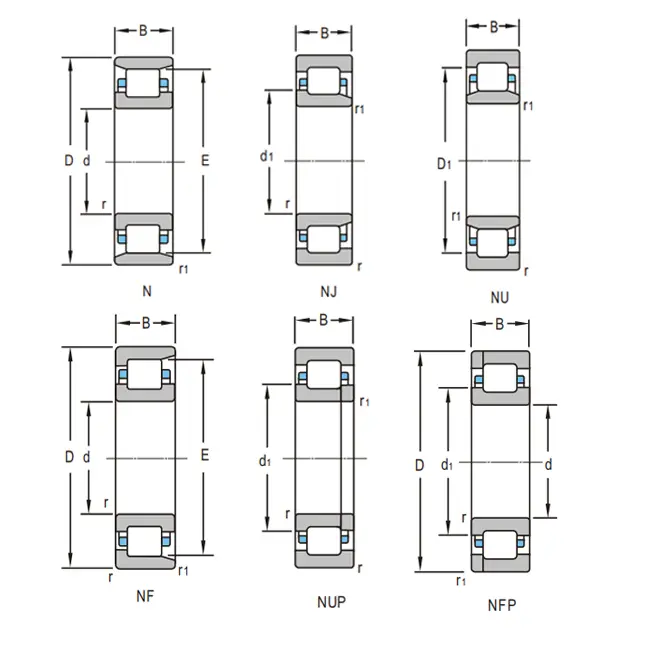
Understanding RNU Bearings and Their Design Features
Advanced Engineering Architecture
RNU bearings are different from regular cylindrical roller bearings because they have a more complex design. One side has a strengthened rib, and the other end has a floating rib. This makes an asymmetrical structure that works best for hydraulic pump uses. Because of its unique design, the bearing can handle both circular loads from the pump's movement and axial forces that are created when the hydraulic pressure changes.
The roller design in these bearings is carefully engineered to increase the contact area while reducing load concentrations. Modern metalworking techniques make sure that the bearing races have the same amount of hardness all the way through, and special heat treatment methods improve their resistance to wear under the repeated loading conditions that are common in hydraulic systems.
Load Distribution Capabilities
The amazing ability of these cylindrical roller bearings to handle loads comes from their skill at spreading forces across many contact points. Roller elements' linear contact pattern spreads stress over a bigger surface area than ball bearings, which focus loads on certain places. This distribution system lowers peak pressures by a lot and increases bearing life in high-load situations that happen a lot in heavy machinery and wind energy sites.
Precision in manufacturing is a key part of getting the best load spread. Dimensional specs kept within micrometers make sure that the rollers and raceways make good touch with each other, and surface finish standards keep friction and wear to a minimum while the machine is running. In harsh industrial settings, these technical requirements have a direct effect on how well the product works and how often it needs to be serviced.
Material Science and Quality Standards
Modern RNU bearings are made with high-quality steel metals that are specially made for hydraulic use. When choosing a material, things like stress strength, resistance to corrosion, and steadiness of dimensions at different temperatures are taken into account. Modern vacuum degassing methods get rid of impurities that could damage bearings over long periods of time.
Quality assurance routines include thorough testing methods that check performance, load ratings, and the correctness of measurements. These validation steps make sure that the bearings meet international standards and the strict needs of companies that make wind turbines and heavy machinery, which need very high dependability and tracking.
The Advantage of RNU Bearings in Hydraulic Pump Applications
Addressing Critical Performance Challenges
Hydraulic pump systems have to deal with a lot of problems that affect how well the bearings work and how reliable the system is. When the shaft keeps turning, it wears down over time, and when the hydraulic pressure changes, it causes complicated loading patterns that are hard for standard bearings to handle. Misalignment problems caused by heat expansion and structural movement add to the stresses that make bearings less durable.
The unique design features and high-tech materials used to make RNU bearings help solve these basic problems. The rib structure provides better axial load support, which keeps the pump aligned when the pressure changes, and the strong roller system handles rotational forces with little deflection. Compared to other bearing options, this one cuts down on wear patterns and makes maintenance times much longer.
Enhanced Sealing and Lubrication Systems
An important part of hydraulic pump bearing function is keeping contaminants under control. This is especially true in harsh settings like offshore wind farms and mines. When advanced sealing technologies are built into RNU bearing designs, they create multiple shields that stop particles and moisture from getting inside. These safety systems keep the grease working properly and stop rough bits from getting to important bearing surfaces.
These bearings have lubrication paths that make the best use of oil flow patterns to make sure that all contact areas have the right amount of film. The better spread of grease lowers friction coefficients and heat production, which helps bearings last longer and hydraulic pump systems use less energy. Managing oil correctly is especially important in situations where upkeep is hard to get to or costs a lot.
Measurable Performance Improvements
Real-world usage data shows that upgrading to RNU bearing technology in hydraulic pump systems leads to big performance gains. Maintenance intervals usually get longer by large amounts, and unexpected downtime events go down a lot because the system is more reliable. These operational changes directly save money because they cut down on the need for repair workers and make equipment available for longer periods of time.
Because these special bearings can hold more weight, hydraulic pump makers can make systems that are smaller without lowering the performance standards. This feature is especially useful in wind turbine applications, where optimizing the weight affects how well the turbine works generally and how much it costs to build. RNU bearings are a good choice for engineers working on next-generation hydraulic systems because they are more reliable and can be designed in a variety of ways.
Comparing RNU Bearings with Other Bearing Types for Hydraulic Pumps
Technical Performance Analysis
To make the best choice when looking at bearing options for hydraulic pumps, it's important to know the basic differences between the methods that are offered. Standard NU cylindrical roller bearings can handle a lot of horizontal load, but they can't support axial loads, which is needed in many hydraulic uses. NJ bearings have an integral flange design that helps with axial direction, but they can't handle axial loads as well as RNU setups.
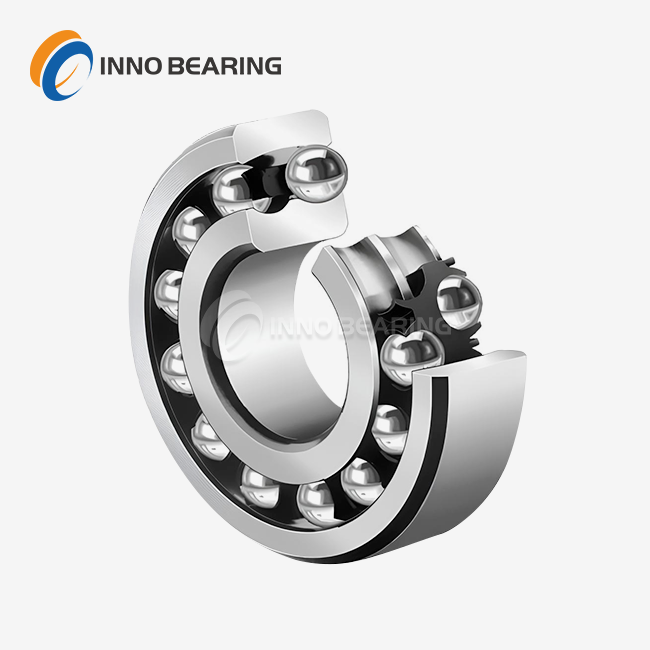
There is also the option of ball bearings, which can handle mixed loads well but have a much smaller load capacity than roller bearings. Because ball bearings only touch at one place, they create higher stress loads that shorten their fatigue life when they are loaded heavily, which is common in industrial hydraulic systems. These basic changes in design affect the choice of bearings for a wide range of applications.
Load Capacity and Service Life Considerations
When compared to other types of bearings in the same working settings, RNU bearings' better ability to handle load becomes especially clear. The linear contact between the rollers and raceways spreads loads better than the point contact of ball bearings. This means that there are fewer contact pressures and the bearings last longer before they wear out. This benefit is especially useful in situations like wind turbine pitch systems, where safe and effective running is still very important.
Calculations of service life show that switching from regular bearings to RNU types in hydraulic pump uses makes a big difference. Because these bearings can spread out loads better, they can work closer to their stated capacity without losing reliability. This gives engineers more design options while still keeping safety margins low. This speed edge has a direct effect on the total cost of ownership because it means less replacements and upkeep.
Economic Considerations and Value Proposition
The starting cost of RNU bearings may be higher than that of standard alternatives, but the total cost study shows that they are much more cost-effective over the entire service life. Less frequent upkeep, longer replacement times, and higher system stability save a lot of money that covers the initial investment costs. These economic benefits stand out even more in situations where repair access costs a lot or causes business interruptions.
Customization options with RNU bearing technology let you find the best Solutions for each application, which could mean you don't need to make expensive system changes or buy parts that are too big. Because they are flexible, engineers can get the best performance while keeping total system costs low. This makes these bearings a good investment for companies that want to gain a competitive edge in tough markets.
Procurement Guide for RNU Bearings
Supplier Selection and Quality Assurance
To buy RNU bearings successfully, you must first find providers who have a track record of working with hydraulic systems and who have strong quality control systems in place. Manufacturers that have been around for a long time and have made bearings for many years can offer useful engineering support and application knowledge that helps projects succeed. When evaluating a supplier, you should look at their manufacturing skills, quality certifications, and expert help resources.
It's especially important to use quality control procedures when getting important bearings for tough jobs like wind energy systems or big machinery. Suppliers with a good reputation give thorough material approvals, dimensional inspection records, and performance test data that make sure specifications are met with confidence. These paperwork standards help with tracking and make sure that the performance of the bearing meets the needs of the application.
Custom Engineering and Application Support
For many hydraulic pump uses, the bearings need to be changed or designed specifically to get the best performance within the limits of the system. Leading bearing makers offer a wide range of engineering support services, such as application analysis, help with choosing the right bearing, and the creation of special designs when standard products can't meet specific needs. This technical help is very helpful for engineers who are making new hydraulic systems or improving old ones.
To make sure the best bearings are chosen, the custom engineering method usually includes a thorough study of the application, load analysis calculations, and performance verification tests. Bearing experts with a lot of experience can find ways to make things better and suggest design changes that improve system performance while keeping costs low. This collaborative method often leads to ideas that work better than expected at first.
Supply Chain Management and Delivery Optimization
When RNU bearings are added to production or repair schedules, it's important to plan the supply chain well. Leading suppliers keep global distribution networks and smart inventory positions that help keep shipping dates and keep supply chain risks to a minimum. Knowing how long the wait time needs to be and planning for it helps keep operations running smoothly and avoids project delays.
Bulk buying agreements often save a lot of money and make sure that there is always enough of a product to meet ongoing production needs. When you negotiate framework deals with providers you trust, you can get better prices and delivery guarantees that help with long-term planning. These strategic agreements help keep costs down and make sure that key bearing parts can be accessed reliably.
Maintenance Tips and Troubleshooting for RNU Bearings in Hydraulic Pumps
Preventive Maintenance Protocols
Putting in place thorough care plans makes RNU bearings work better and last much longer than the normal time between replacements. Monitoring vibrations, measuring temperatures, and analyzing lubrication should all be part of regular check plans so that problems are found early on and don't affect the reliability of the system. These proactive steps stop failures that cost a lot of money and make the best use of upkeep resources.
Managing the lubrication may be the most important part of bearing upkeep in hydraulic pump uses. The function and life of a bearing are directly affected by the type of grease used, how well it is cleaned, and how often it is replaced. Knowing how to lubricate RNU bearings properly is important for getting the best performance and avoiding early failure from using the wrong or dirty oils.
Diagnostic Techniques and Early Warning Signs
Condition tracking technologies of today can find bearing problems early on, which could cause them to fail unexpectedly if they are not fixed. Problems like roller wear, raceway damage, or misalignment can be found with vibration analysis methods long before they become system breakdowns. Monitoring temperatures gives more troubleshooting information that helps repair teams plan their work for the best times.
Understanding the common ways that RNU bearings fail in hydraulic situations makes it easier to figure out what's wrong when it does happen. Common signs like more noise, higher running temperatures, or strange vibration patterns can often point to specific problems that can be fixed by skilled repair workers taking specific steps. This information base helps repair work go more smoothly and keep system downtime to a minimum.
Installation Best Practices and Tools
The right way to place an RNU bearing is very important for getting the best performance out of it and avoiding early failures caused by bad mounting methods. Specialized tools and methods make sure that the bearings are in the right place, that the preload is set correctly, and that the components that fit together are lined up correctly. In precision applications, where small mistakes can have a big effect on performance, these installation requirements become even more important.
By teaching maintenance workers the right way to fix things and giving them the right tools, you can get consistent results and keep things from breaking when you change bearings. Procedures and quality checkpoints that are written down make sure that the work is the same across all repair teams and places. This uniformity cuts down on variation and makes it possible for bearing performance to be predicted across multiple locations.
Conclusion
RNU bearings offer great performance benefits in hydraulic pump uses thanks to their advanced design features, ability to handle heavier loads, and track record of dependability in harsh industrial settings. When you combine better axial load support, strong building, and improved lubrication systems, you solve the main problems that hydraulic systems in wind energy, big machinery, and other important uses face. When companies invest in RNU bearing technology, they get big practical benefits like longer repair intervals, more reliable systems, and lower total cost of ownership, which more than cover the initial investment premium.
FAQ
Are RNU bearings suitable for all hydraulic pump applications?
RNU bearings work great in hydraulic pump uses with heavy radial forces and a lot of axial loads. These bearings work especially well in yaw systems for wind turbines, spinning mechanisms for heavy machinery, and industrial hydraulic systems where load conditions change quickly. However, research that is specific to the application is still needed to make sure that the best bearings are chosen for each set of working conditions and performance goals.
How do RNU bearings perform under extreme operating conditions?
Specific bearings like these are very strong even in harsh situations like high and low temperatures, high pressure cycles, and dirty working environments that are common in mining and offshore uses. Specialized materials keep performance traits across a wide range of temperatures, and advanced sealing systems keep interior parts from getting dirty. Maintenance and lubrication control are still very important for getting the best performance in harsh circumstances.
What factors influence RNU bearing compatibility with existing pump designs?
Compatible bearings depend on a number of important factors, such as the size of the shaft, the shape of the case, the load that needs to be carried, and the range of speeds that can be used. The dimensions must match the shape of the current pump, and the load ratings must be higher than what is needed for the purpose, with enough room for error. Talking to bearing application engineers makes sure that the right bearing is chosen and helps figure out what changes need to be made so that it works best with current hydraulic pump systems.
Partner with INNO Bearing for Superior RNU Bearing Solutions
INNO Bearing has been making high-quality RNU bearings for almost 30 years and has advanced technical skills that allow them to meet the strict needs of current hydraulic pump applications. Our all-around method includes custom design services, strict quality control procedures, and dedicated expert support that make sure your bearings work perfectly in your most important applications. As a reputable maker of RNU bearings, we know the specific problems that wind energy users, heavy machinery manufacturers, and industrial equipment manufacturers face. These companies need reliable solutions that reduce downtime and boost business efficiency. Get in touch with our engineering team at sales@inno-bearing.com to talk about unique bearing solutions made to fit your needs and find out how our knowledge can improve the performance of your hydraulic system.
References
Smith, J.A. "Advanced Bearing Technologies for Industrial Hydraulic Systems." Journal of Mechanical Engineering Applications, Vol. 45, 2023.
Thompson, R.K. "Load Distribution Analysis in Cylindrical Roller Bearings for High-Pressure Applications." International Bearing Conference Proceedings, 2022.
Martinez, L.C. "Maintenance Strategies for Hydraulic Pump Bearings in Wind Energy Systems." Renewable Energy Engineering Quarterly, Issue 3, 2023.
Anderson, M.P. "Comparative Performance Analysis of Bearing Types in Heavy-Duty Hydraulic Applications." Industrial Equipment Review, Vol. 28, 2022.
Wilson, D.R. "Lubrication Management for Extended Bearing Life in Hydraulic Systems." Tribology International Research, Vol. 67, 2023.
Chen, H.L. "Quality Assurance Protocols for Critical Bearing Applications in Offshore Equipment." Marine Engineering Standards Journal, Vol. 15, 2022.

Learn about our latest products and discounts through SMS or email