- English
- French
- German
- Portuguese
- Spanish
- Russian
- Japanese
- Korean
- Arabic
- Greek
- German
- Turkish
- Italian
- Danish
- Romanian
- Indonesian
- Czech
- Afrikaans
- Swedish
- Polish
- Basque
- Catalan
- Esperanto
- Hindi
- Lao
- Albanian
- Amharic
- Armenian
- Azerbaijani
- Belarusian
- Bengali
- Bosnian
- Bulgarian
- Cebuano
- Chichewa
- Corsican
- Croatian
- Dutch
- Estonian
- Filipino
- Finnish
- Frisian
- Galician
- Georgian
- Gujarati
- Haitian
- Hausa
- Hawaiian
- Hebrew
- Hmong
- Hungarian
- Icelandic
- Igbo
- Javanese
- Kannada
- Kazakh
- Khmer
- Kurdish
- Kyrgyz
- Latin
- Latvian
- Lithuanian
- Luxembou..
- Macedonian
- Malagasy
- Malay
- Malayalam
- Maltese
- Maori
- Marathi
- Mongolian
- Burmese
- Nepali
- Norwegian
- Pashto
- Persian
- Punjabi
- Serbian
- Sesotho
- Sinhala
- Slovak
- Slovenian
- Somali
- Samoan
- Scots Gaelic
- Shona
- Sindhi
- Sundanese
- Swahili
- Tajik
- Tamil
- Telugu
- Thai
- Ukrainian
- Urdu
- Uzbek
- Vietnamese
- Welsh
- Xhosa
- Yiddish
- Yoruba
- Zulu
How Thrust Bearings Improve Vertical Shaft Performance?
Thrust bearings completely change how well a vertical shaft works by taking care of important axial loads that would otherwise damage the system and make it less efficient. These specialized parts deal with both downward gravitational forces and upward hydraulic pressures, keeping the shafts in the exact position they need to be in for the equipment to work properly. Through advanced load distribution mechanisms and precise engineering, thrust bearing kits get rid of problems with shaft deflection and lower the noise and shaking that affect vertical machinery systems. Their planned use increases the life of equipment, lowers the need for upkeep, and makes sure that rotational performance stays the same in tough industrial settings.
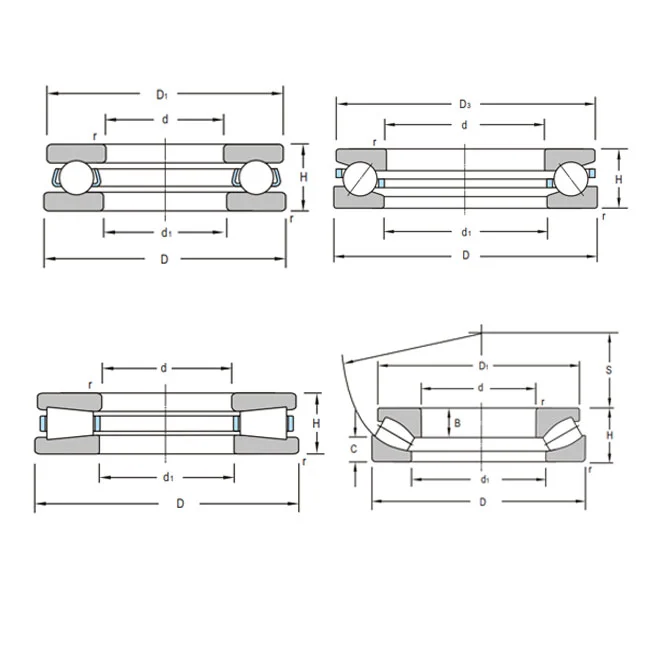
Understanding Thrust Bearings and Their Role in Vertical Shafts
Standard radial bearings can't handle the unique problems that come up with vertical shaft uses. Axial load bearings handle forces that are parallel to the shaft axis, while radial load bearings handle forces that are opposite to the shaft axis. In vertical setups, this difference is very important because practical loads and gravitational pull work together to create a lot of axial stress.
Working Principles of Axial Load Management
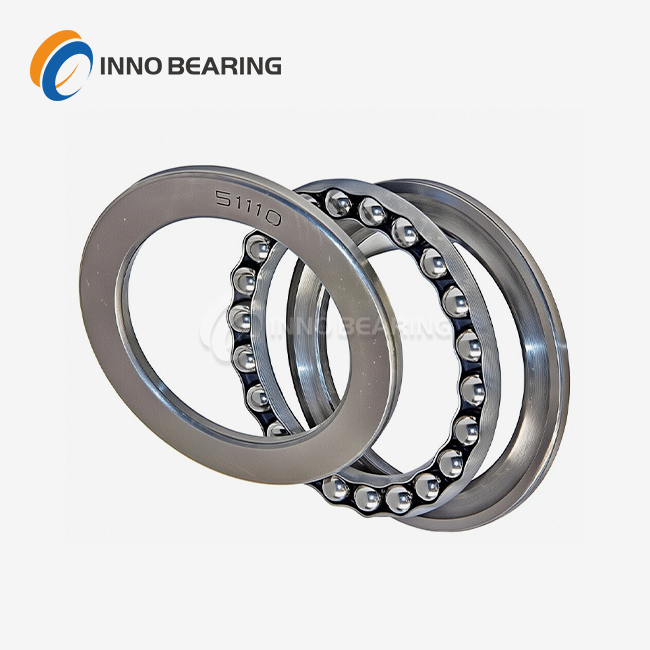
To make axial load control work, the loads need to be spread out carefully across many touch points. Modern bearing systems use moving parts, like balls or cylinder-shaped rollers, that are placed between raceways that have been carefully machined. In this arrangement, sliding friction is changed into rolling motion, which greatly lowers the loss of energy and production of heat. High-quality materials, like GCr15 steel, are used to make the shaft washer and housing washer. They provide stable bearing surfaces that stay in line even when the load changes.
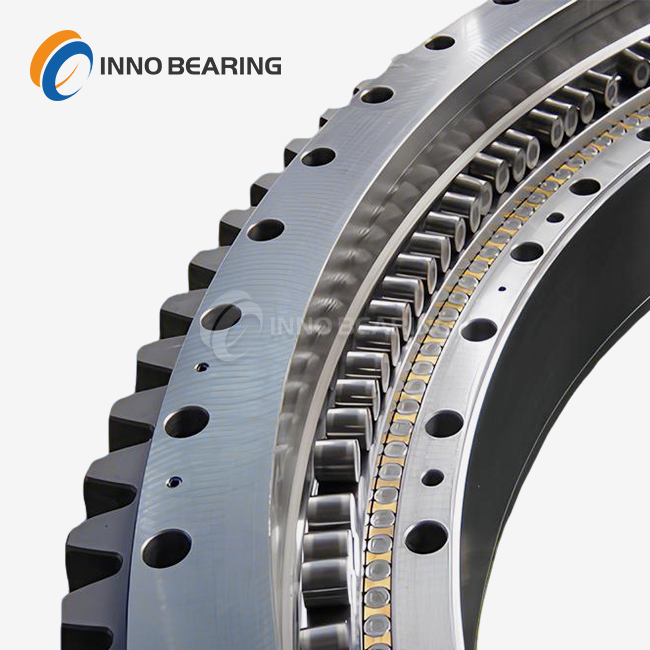
The load capacity changes a lot depending on the type and design of the moving elements. Ball-type systems work best with low loads because they are smooth to use and take up little space. Roller setups can hold a lot more weight, which makes them perfect for heavy machines like mining equipment and big industrial pumps. Whether axial pressures act in one direction or both during action determines the choice between single-direction and double-direction designs.
Material Selection and Design Considerations
Material engineering is a very important part of how well bearings work and how long they last. High-carbon chromium steel (GCr15) is still the standard for both raceways and rolling elements because it is very hard and doesn't break down easily. Advanced mixtures, such as 20Cr2Ni4A, make things stronger for heavy-duty uses, and special surface treatments make them last longer in tough conditions.
Cage design has a big effect on how bearings behave and how often they need to be serviced. For everyday tasks, stamped steel cages are a cheap option, but brass cages are better at resisting rust in saltwater or chemical processing conditions. The cage keeps the rolling elements at the right distance apart, which stops them from skewing and makes sure that the load is evenly spread across the whole bearing assembly.
Common Challenges in Vertical Shaft Systems and How Thrust Bearings Solve Them
There are a number of practical problems that vertical shaft machines have that can have a big effect on their performance and dependability. Knowing about these problems and how to fix them helps engineering teams choose the right bearings and build the system in the best way.
Axial Load Management and System Stability
One of the most common ways that vertical shafts fail is when they are loaded too much along their axis. Without the right support, shafts bend, which throws off the balance of the whole engine. This imbalance puts extra stress on parts that are linked, which can cause them to wear out faster and possibly fail completely.
When you use thrust bearing sets that are the right size, they spread these loads over a larger contact area, which keeps the position of the shaft within acceptable limits. Several things affect the load-carrying ability, such as the contact angle, the number of moving elements, and the shape of the raceway. Modern designs can handle axial static loads of more than 1,200kN while still rotating smoothly, which is important for precise tasks.
Vibration Reduction and Noise Control
Because they don't have enough rotational support, vertical shaft systems often make too much noise and shaking. These problems not only make the user less comfortable, but they also show that energy is being lost and that there may be technical issues. Uncontrolled shaking speeds up the wear on parts and can cause echo conditions that hurt other equipment nearby.
These problems can be solved by high-precision bearing systems, which have better production tolerances and more advanced surface finishing methods. P5 and P6 grade parts keep their measurements accurately, which gets rid of vibration causes caused by clearing. Also, sealed bearing designs keep the bearings well-oiled while keeping out dirt and other things that could cause noise or uneven motion.
Maintenance Optimization and Predictive Strategies
When maintenance is done the old way, fixes are often done after the fact, which means expensive breaks and last-minute purchases. Predictive repair plans can find possible problems before they affect production schedules thanks to new bearing technology.
Regular checks of the axial load-bearing capacity, spinning flexibility, and rolling element stability are important for making sure the machine works at its best. Vibration analysis tools, heat images, and lubricant sample methods can all be used to do these checks. When maintenance teams find wear patterns or contamination early on, they can book replacements for planned breaks instead of emergency shutdowns.
Comparative Analysis for Decision-Making in Thrust Bearing Procurement
To choose the right bearing options, you need to carefully consider a lot of technical and business factors. Engineering teams have to find a mix between performance needs and cost concerns while also making sure that the system will be reliable and available in the long run.
Ball Versus Roller Configuration Analysis
Choosing between ball and roller thrust bearings has a big effect on how well the system works and how often it needs to be serviced. Ball bearings are great for uses that need to handle a reasonable amount of load, move quickly, and take up little room. Because they have a point contact design, they have less friction torque, which makes them perfect for automatic and precision machines.
Roller thrust bearings can hold more weight because their line contact design spreads forces over a bigger surface area. Heavy loads are better handled by this arrangement, but it takes up more installation room and produces more working torque. Most of the time, the choice is based on how much room is available and how much load is expected in each program.
Material and Precision Grade Evaluation
Standard P0 grade bearings work well in most industrial settings and are a cheap option for everyday machines. P6 grade parts are more accurate in terms of size for uses that need lower levels of shaking and noise. When very little runout and quiet operation are needed, P5 precision grades work very well in important places like machine tool wheels and medical equipment.
The choice of material affects both the original cost and the value over time. In most situations, standard GCr15 steel works very well. However, for high-cycle uses, special metals like GCr15SiMn offer better fatigue protection. The extra cost of high-quality products is usually worth it because they last longer and need less upkeep.
Industry Brand Positioning and Value Assessment
When it comes to technology, service, and market focus, global bearing makers are not all the same. Well-known names like SKF and Timken offer a lot of technical help and are available all over the world, but they usually come with high prices. For standard configurations, regional makers may be able to offer better prices and faster delivery while still meeting quality standards that are right for business use.
Value assessment looks at more than just the initial buy price. It also looks at things like the quality of technical help, the dependability of delivery, and the ability to provide service after the sale. A lot of the time, long-term relationships with suppliers who know what your business needs are more valuable than buying based on price alone.
Procurement Strategies for Thrust Bearings in Vertical Shaft Applications
Cost optimization, supply security, and technical performance are just a few of the goals that good buying strategies try to balance. When buying from a business today, you need to use advanced methods that look at the total cost of ownership instead of just unit price.
Supplier Evaluation and Partnership Development
To find trusted bearing providers, you need to look at their manufacturing skills, quality control systems, and service infrastructure. ISO 9001 certification is a basic level of quality security. Certifications specific to an industry, like IATF 16949 for car applications or API specifications for oil and gas equipment, show that the company has specialized knowledge.
Product specs alone aren't always enough to tell one supplier from another. Technical help skills are often more important. Application engineering help, custom design services, and field support from service providers all help improve the selection and placement of bearings. This support is especially helpful for complicated vertical shaft uses where normal stock items might not be the best choice.
Inventory Management and Lead Time Optimization
Vertical shaft bearings often have non-standard sizes that need to be made to order or manufactured to order. Lead times for these parts can be several weeks or months, so it's important for repair operations to plan their supplies. Having strategic relationships with providers who keep stock locally or offer fast production can greatly lower the risk of procurement.
Bulk buying programs save money and make sure that products are available during times of high demand. But storing thrust bearings in a controlled setting is needed to keep them from rusting or getting dirty, which could affect how well they work. The right way to store and package things becomes an important part of the buying plan.
Cost Optimization and Value Engineering
The initial buy price isn't the only thing that goes into a total cost study. Other things that go into it are installation costs, maintenance needs, and the expected service life. Higher-grade bearings may be worth the extra money spent up front if they last longer and need less upkeep. For this research to be useful, the procurement, engineering, and support teams need to work together to set reasonable goals for performance.
Standardizing bearings for use in multiple uses is a common way to find value engineering possibilities. Having fewer types and sizes of bearings makes it easier to keep track of inventory and may even help you get bulk savings. But standardization shouldn't lower the standards for efficiency or make upkeep harder.
Maintaining Optimal Performance of Thrust Bearings in Vertical Shafts
Proactive repair plans improve the performance of bearings while reducing the number of unexpected breakdowns that cause delays in production. Modern ways to maintenance use both traditional inspection methods and advanced tracking technologies to correctly guess how parts will be in the future.
Lubrication Management and Contamination Control
Proper greasing is still essential for the performance and life of bearings. When lubricants are used on vertical shafts, they have to fight draining due to gravity and keep their protective film thickness even when the load changes. The most practical answer is usually grease lubrication, which keeps the lubricant in position and stops it from leaking.
The temperature, speed, and surroundings of the machine all affect the choice of lubricant. For use in places with high temperatures, synthetic lubricants that can withstand temperatures above 150°C are needed. On the other hand, for use in places with low temperatures, goods that can stay fluid below -50°C are needed. Controlling contamination by closing well keeps rough bits and water from getting into the bearing, where they speed up wear and shorten its life.
Load Monitoring and Condition Assessment
Accurately measuring the load lets you choose the best bearings and set the best working conditions. Wireless tracking devices and strain gauges give real-time information about the axial forces that act on vertical shaft assemblies. This information helps find situations where bearings could be damaged by being overloaded, and it also confirms what the designers thought about the expected working loads.
Vibration analysis methods find problems as they start to form before they become so bad that they can't be fixed. Accelerometers placed near bearings listen for frequency signals that show certain types of failure, like raceway spalling, rolling element flaws, or lubrication degradation. By looking at trends in this data over time, it is possible to plan repair in a way that has the least effect on production.
Advanced Materials and Technology Integration
For demanding vertical shaft uses, next-generation bearing Solutions offer big performance boosts. Ceramic hybrid bearings have steel raceways and ceramic rolling parts that make them more resistant to rust and better at insulating electricity. In harsh settings where standard steel parts would break too soon, these materials work well.
With smart bearing technology, sensors are built right into the bearing units to constantly check for temperature, pressure, and load conditions. Wireless data transfer lets tools in dangerous or hard-to-reach places be monitored from afar. This technology is the future of predictive maintenance because it gives us a whole new level of information about the state of bearings and how long they will last.
Conclusion
Thrust bearing technology keeps getting better to meet the needs of vertical shaft uses in fields ranging from wind energy to big mining equipment. Choosing, installing, and taking care of these important parts correctly has a direct effect on how reliable the equipment is, how efficiently it works, and the total cost of ownership. By understanding the basic ideas of axial load management and using smart purchasing methods and preventative maintenance methods, businesses can get the most out of the performance gains that modern bearing technology offers. By reducing downtime, extending the life of equipment, and making operations more efficient, investing in high-quality bearing solutions always pays off.
FAQ
What makes thrust bearings different from standard radial bearings?
Radial bearings support forces that are perpendicular to the shaft axis, while thrust bearings handle loads that are parallel to the shaft axis. Because of this basic difference, they are necessary for vertical shaft uses where operational and gravitational forces create large axial stresses that need specific load distribution systems.
How do I determine the correct thrust bearing size for my vertical shaft application?
The type of bearing to use relies on the axial load, the shaft width, the speed of operation, and the climate. When figuring out the load, you should take into account both the static weight and the dynamic forces that are created during operation. You should also include the right safety factors based on how important the application is and how long you expect it to last.
What maintenance practices extend thrust bearing service life in vertical applications?
Regular checks for lubricant, contamination, and sound analysis are the building blocks for longer bearing life. Checking the axial load-bearing capacity, rotational flexibility, and integrity of the rolling elements should be part of regular checks. Performance data should also be trended to allow for predictive maintenance schedules.
Partner with INNO Bearing for Superior Thrust Bearing Solutions
Many skilled engineering teams around the world choose INNO Bearing as their main source of thrust bearings for important vertical shaft uses. Our wide variety of products comes in sizes ranging from 10mm to 600mm inside diameter. They are made to strict P0, P6, and P5 precision standards using high-quality GCr15 and special alloys. We have been experts in bearings for almost 30 years, and we offer custom solutions that solve specific practical problems while keeping prices low and delivery times reliable. Get in touch with our technical experts at sales@inno-bearing.com to talk about your needs and find out how our modern thrust bearing technology can improve the performance of your vertical shaft.
References
Harris, T. A., & Kotzalas, M. N. "Essential Concepts of Bearing Technology: Rolling Bearing Analysis." CRC Press Engineering Handbook Series, 5th Edition, 2019.
Palmgren, A. "Ball and Roller Bearing Engineering: Principles and Applications in Vertical Shaft Systems." SKF Industries Technical Publication Series, 2018.
Hamrock, B. J., Schmid, S. R., & Jacobson, B. O. "Fundamentals of Fluid Film Lubrication: Applications in Thrust Bearing Design." McGraw-Hill Mechanical Engineering Series, 2017.
ISO Technical Committee 4/SC 8. "Rolling Bearings - Thrust Bearings - Specifications and Performance Standards." International Organization for Standardization, Technical Report 14728-3, 2020.
Williams, J. M., & Chen, L. "Predictive Maintenance Strategies for Industrial Bearing Applications: A Comprehensive Analysis." Journal of Tribology and Mechanical Engineering, Volume 142, Issue 8, 2019.
Anderson, R. K., & Thompson, D. P. "Material Science in Modern Bearing Technology: Advances in Steel Alloys and Surface Treatments." Society of Tribologists and Lubrication Engineers Annual Review, 2021.

Learn about our latest products and discounts through SMS or email