- English
- French
- German
- Portuguese
- Spanish
- Russian
- Japanese
- Korean
- Arabic
- Greek
- German
- Turkish
- Italian
- Danish
- Romanian
- Indonesian
- Czech
- Afrikaans
- Swedish
- Polish
- Basque
- Catalan
- Esperanto
- Hindi
- Lao
- Albanian
- Amharic
- Armenian
- Azerbaijani
- Belarusian
- Bengali
- Bosnian
- Bulgarian
- Cebuano
- Chichewa
- Corsican
- Croatian
- Dutch
- Estonian
- Filipino
- Finnish
- Frisian
- Galician
- Georgian
- Gujarati
- Haitian
- Hausa
- Hawaiian
- Hebrew
- Hmong
- Hungarian
- Icelandic
- Igbo
- Javanese
- Kannada
- Kazakh
- Khmer
- Kurdish
- Kyrgyz
- Latin
- Latvian
- Lithuanian
- Luxembou..
- Macedonian
- Malagasy
- Malay
- Malayalam
- Maltese
- Maori
- Marathi
- Mongolian
- Burmese
- Nepali
- Norwegian
- Pashto
- Persian
- Punjabi
- Serbian
- Sesotho
- Sinhala
- Slovak
- Slovenian
- Somali
- Samoan
- Scots Gaelic
- Shona
- Sindhi
- Sundanese
- Swahili
- Tajik
- Tamil
- Telugu
- Thai
- Ukrainian
- Urdu
- Uzbek
- Vietnamese
- Welsh
- Xhosa
- Yiddish
- Yoruba
- Zulu
How Spindle Bearings Affect CNC Machining Accuracy?
Spindle bearings serve as the foundation of precision in CNC machining operations, directly determining the accuracy and quality of manufactured components. These specialized rotating elements maintain the spindle's rotational stability while minimizing vibration and runout, which can compromise dimensional tolerances and surface finishes. High-quality machine tool spindles equipped with precision-grade bearings achieve radial runout values as low as 0.002mm, enabling manufacturers to meet stringent quality standards across aerospace, automotive, and medical device production. The relationship between bearing performance and machining accuracy extends beyond basic rotation, encompassing thermal stability, load distribution, and dynamic response characteristics that collectively influence the final product quality.
Understanding Spindle Bearings and Their Impact on CNC Machining Accuracy
Machine tool wheels are the most important part of precision manufacturing. Every micron of variation has an effect on quality that can be measured. Unlike regular rolling elements that are used in many industry settings, these specialized parts go through a lot of engineering to make sure they can handle the harsh conditions of high-speed cutting while still being very accurate.
Design Characteristics and Precision Requirements
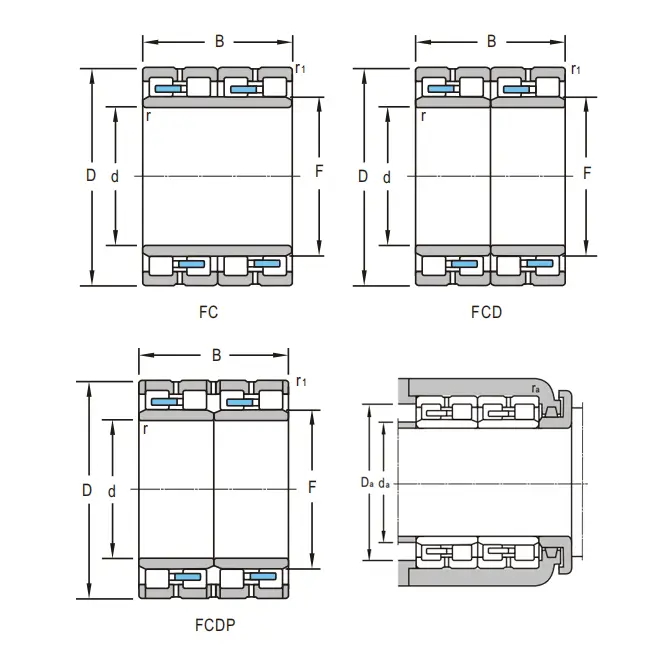
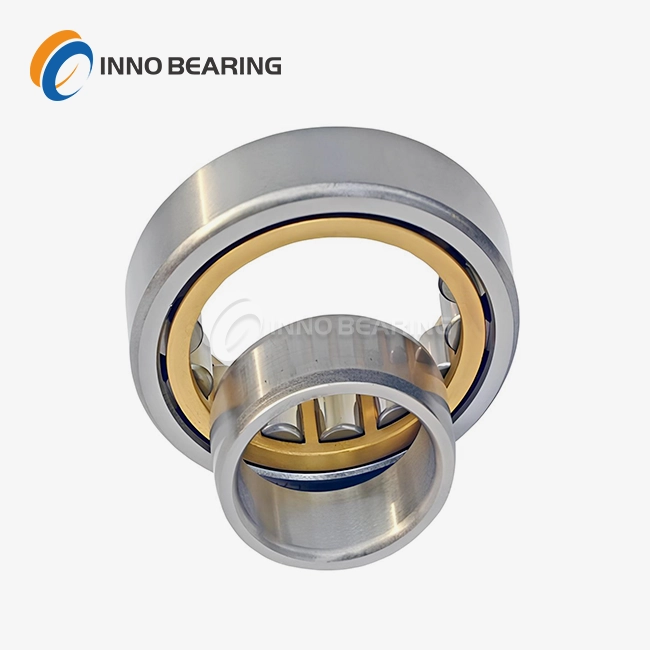
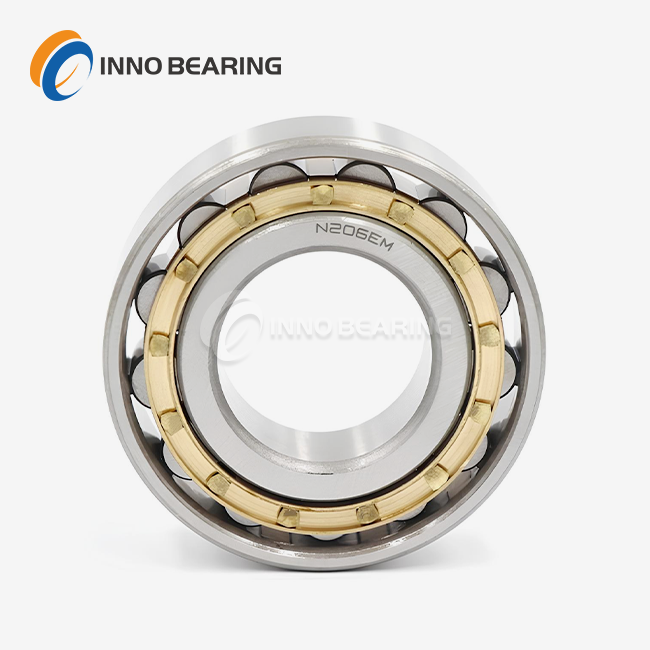
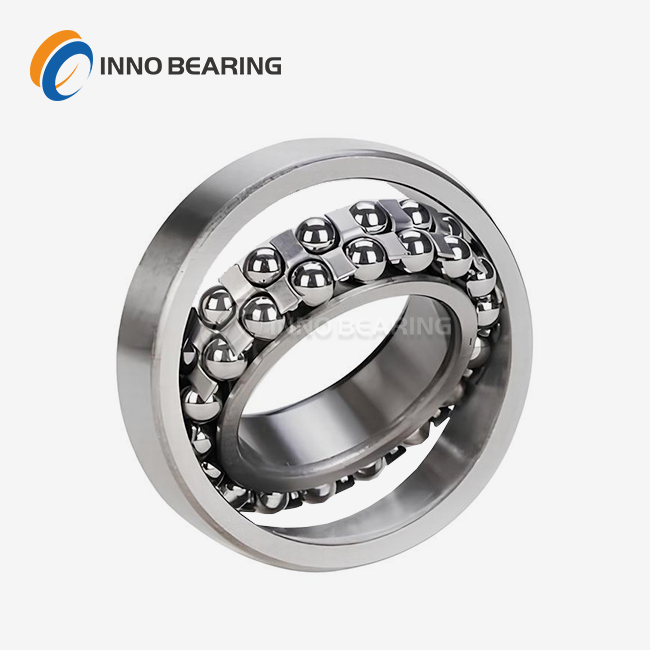
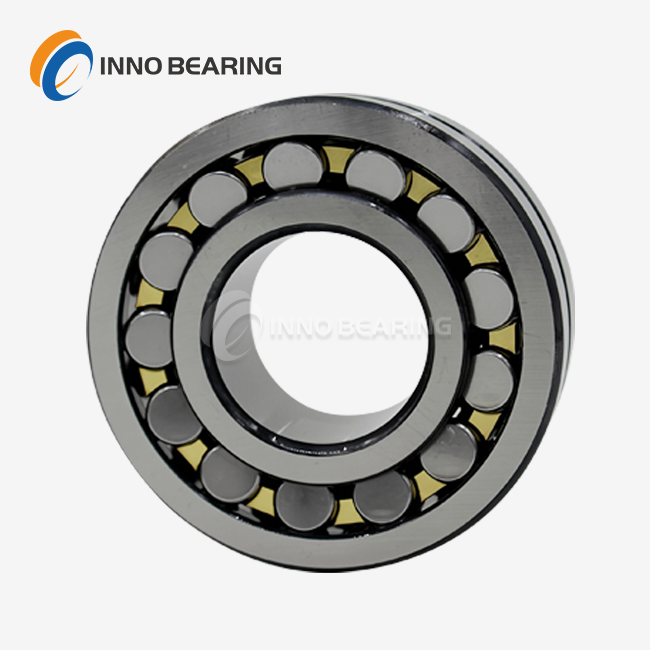
Modern CNC spindle systems come in both single-row and double-row forms, and the inner rings can be taken apart. The rings are often curved to better distribute the load. The precise rollers and carefully designed bars keep the space even and stop the machines from skidding when they're running at high speeds. The majority of these systems have high-speed dust caps that keep the inside parts clean and allow for the best lubrication movement.
In terms of size, these important parts have inner diameters that range from 20 mm to 500 mm and outer sizes that range from 47 mm to 800 mm. Different types of machine tools have different spindle designs, so widths that range from 14mm to 200mm are needed. When makers use this wide range of sizes, they can choose parts that exactly meet their needs without sacrificing performance.
Material Engineering and Performance Optimization
The key to better spinning efficiency is using high-quality materials. Inner rings, outer rings, and rollers made from GCr15, GCr15SiMn, and 20Cr2Ni4A steels are hard and don't wear down easily, so they last a long time. The cage's materials, such as stamped steel and brass, help it run smoothly and keep its structure strong even when it's being loaded and unloaded quickly.
The precision classification system tells the difference between Class P4 models with normal accuracy and Class P2 models with ultra-precision. The latter can reach the very tight limits needed for advanced manufacturing tasks. This classification is directly related to the level of accuracy that can be achieved during cutting, since tighter bearing tolerances lead to better surface quality and consistent dimensions of the item.
Common Issues Affecting Spindle Bearing Performance and Machining Outcomes
Knowing the early warning signs of bearing degradation lets you plan proactive maintenance that stops catastrophic breakdowns and keeps the accuracy of your work. Monitoring the temperature gives important information about the state of a bearing, since too much heat usually means that the lubrication is breaking down, the bearing is out of line, or the internal wear is getting worse.
Diagnostic Indicators and Performance Monitoring
Acoustic analysis is a useful tool for diagnosis. For example, noise levels above 45dB often mean that wear or contamination problems are starting to show up. Vibration tracking systems can pick up on small changes in the spindle's dynamics that happen before the accuracy starts to go down. This lets maintenance teams plan their work for planned downtime instead of having to deal with problems that come up out of the blue.
Thermal imaging studies show patterns of heat distribution that show areas of high bearing stress or poor lubricant. Proper thermal management keeps working temperatures within the parameters set by the designer. This extends the life of the spindle bearings and keeps the accuracy of the dimensions even after many rounds of machining.
Maintenance Protocols and Preventive Measures
Managing lubrication is a very important part of keeping bearings working well and cutting accurate. Wear rates and temperature stability are directly affected by the type of lube used, how much is used, and how often it needs to be replaced. Monitoring temperature and flow is part of more advanced lubrication systems. This helps make sure that the right amount of oil is delivered and that there isn't too much, which can raise working temperatures and lower efficiency.
Contaminants in the environment can seriously affect the performance of bearings, so they need good seals and filtering systems. Coolant leaks, metal shavings, and airborne dirt can speed up wear and damage surface finishes. To keep machine quality uniform, it is important to keep contamination at bay.
Comparing Spindle Bearing Options for Enhanced CNC Machining Accuracy
The process of choosing the best spindle components needs a deep understanding of the different design choices and how they work. When you need a high axial load capacity and strong mounting setups, angular contact configurations are the best choice. On the other hand, deep groove designs are flexible for situations where you need to handle both radial and axial loads.
Material Technology and Performance Trade-offs
Depending on the needs of the product, ceramic and steel bearing systems have different benefits. Ceramic elements usually have better resistance to heat and less thermal expansion, which makes them perfect for high-speed uses where thermal stability directly affects the quality of the machining. Steel parts have a history of being reliable and cost-effective, and they keep working well in a wide range of circumstances.
Sealed bearing designs keep lubrication in and keep interior parts from getting dirty, which lowers the need for upkeep in tough settings. Open designs let grease and heat flow continuously, which supports long periods of high-speed work where managing heat is important for keeping accuracy.
Performance Optimization Strategies
Precision spindle bearings have improved cage designs and surface treatments that reduce friction and improve the accuracy of spinning. These improvements make it possible for limit speeds to go over 10,000 RPM while keeping radial runout requirements below 0.002mm. This directly supports the needs for precision machining in a wide range of industrial uses.
Noise levels are kept below 35dB by low-noise designs, which makes working conditions better and shows the best internal shape and greasing conditions. Technologies that reduce noise are often linked to better accuracy, since design features that lower noise levels also tend to lower vibrations and make rotations more consistent.
Procurement Considerations: Selecting and Buying Spindle Bearings for CNC Machines
Successful procurement strategies balance the need for success with the skills of the supplier and the need for long-term assistance. Technical specifications must match practical needs while taking into account things like shipping times, the ability to customize, and the level of service after the sale.
Supplier Evaluation and Quality Assurance
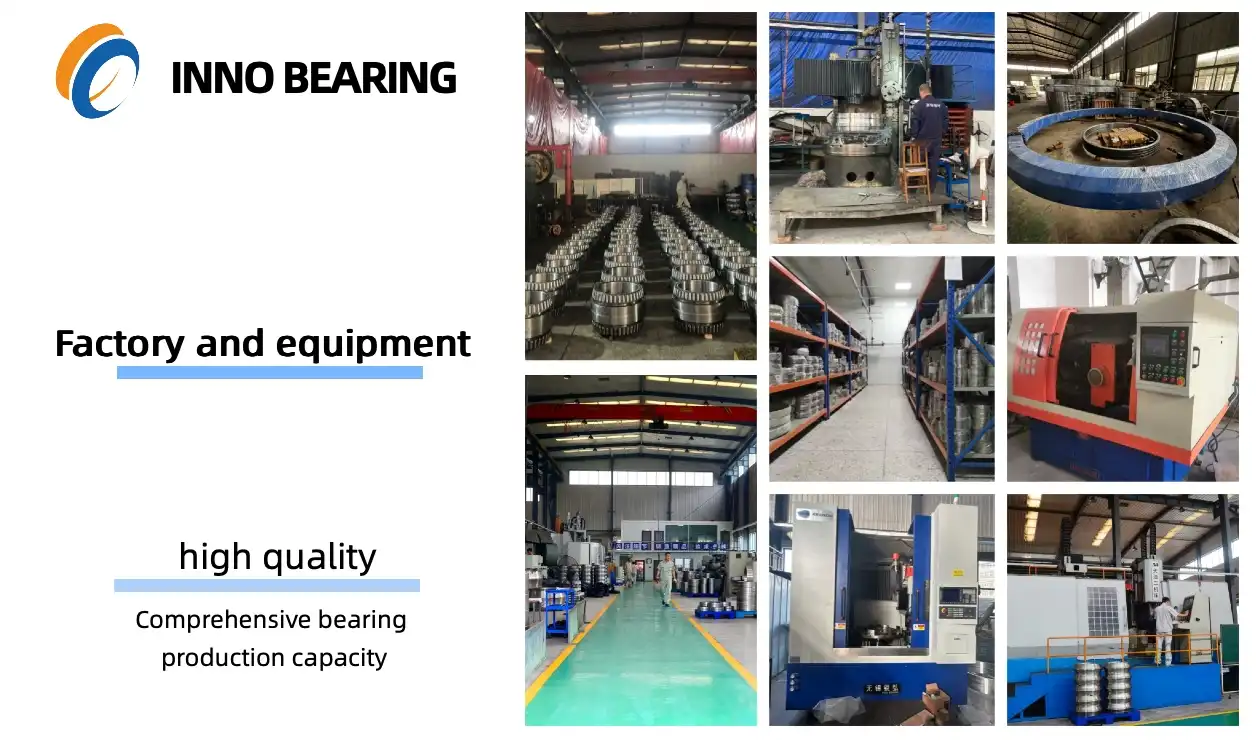
Leading makers have thorough quality control systems that make sure their products always work well and are reliable. Certifications like ISO 9001 and ISO/TS 16949 guarantee that quality control processes are carried out in a planned way. Specialized testing tools check important factors like radial runout, speed capability, and sound performance.
When vendors offer custom manufacturing, they can meet the needs of non-standard applications or specific business needs. Rapid testing and engineering support services help improve designs and shorten the time it takes to make custom spindle setups.
Strategic Sourcing and Supply Chain Management
With global logistics, you can be sure that deliveries will happen on time and help foreign business processes. Suppliers with well-established distribution networks can provide quick help in a number of different areas. This lowers the need for inventory while still making sure that essential replacements are always available.
Premium suppliers are different from commodity suppliers because they offer warranty systems and expert support services. Full service, on-site installation help, and preventative maintenance plans all help lower the total cost of ownership while making sure that the bearings keep working well for a long time.
Optimizing CNC Machining Accuracy Through Spindle Bearing Upgrades and Solutions
Upgrading the bearing systems as part of modernization projects often opens up big chances to improve accuracy. Precision-engineered parts made to withstand the toughest industrial conditions can completely change how things are made while also lowering the costs of running and upkeep.
Technology Integration and Performance Enhancement
Using IoT sensors in advanced tracking systems lets you plan ahead for maintenance, which lets you choose the best time to change bearings without losing accuracy. Temperature and vibration trends can help you notice changes in performance early on, which helps you make repair choices that keep the quality of your work uniform.
With retrofit options, current bearing technology can be added to old machines without having to get a whole new spindle. Ceramic-steel hybrid designs offer better performance while still being compatible with current mounting arrangements and lubrication systems.
Real-world Performance Improvements
When manufacturing companies update their precise spindle bearings, they report 30–50% better accuracy, longer tool life, and lower scrap rates. These measurable benefits show that bearing quality is directly linked to total industrial performance. This helps people decide whether to invest in modernization projects.
Advanced temperature and lubrication systems handle important maintenance tasks and keep an eye on the state of the bearings at all times. These all-in-one Solutions cut down on human mistake and increase the life of bearings by making sure they work at their best and stepping in quickly when performance factors start to change.
Conclusion
The accuracy of CNC cutting depends on precision spindle bearings because they affect how stable the spindle is, how it reacts to heat, and how it moves. When you know how bearing design, material choice, and performance specs work together, you can make smart purchasing choices that improve manufacturing capabilities while keeping costs low. Regular checks, proper upkeep, and planned upgrades make sure that the accuracy of the bearings stays high throughout their service lives, helping production operations in a wide range of industries stay competitive.
FAQ
How often should spindle bearings be maintained for optimal CNC accuracy?
The number of maintenance times varies on how the machine is being used, but most of the time, they are between 2,000 and 8,000 hours. Applications that run quickly or places that are dirty may need more frequent maintenance. Precision monitoring systems can figure out the best time to do maintenance based on the real state of the bearings instead of making up schedules.
What are the accuracy benefits of ceramic versus steel spindle bearings?
Ceramic bearings usually have 20–30% better thermal stability and less thermal expansion, which makes the dimensions more stable during long cutting processes. They also make less noise and can go faster while still meeting accuracy standards. However, steel bearings have been used for a long time and are more reliable.
How do angular contact bearings differ from deep groove designs in CNC applications?
When high axial rigidity and exact positioning are needed, angular contact bearings are the best choice. They achieve better accuracy under mixed loading conditions. Deep groove designs are flexible for general-purpose tasks that don't need to be very precise. They make fitting easier and give you more options for how to use the product.
Partner with INNO Bearing for Superior Spindle Performance
Achieving exceptional CNC machining accuracy requires partnership with an experienced spindle bearings manufacturer who understands the critical relationship between bearing performance and manufacturing quality. INNO Bearing brings nearly 30 years of expertise in precision bearing engineering, offering customized solutions that address your specific accuracy requirements and operational challenges. Our technical team provides comprehensive support from initial specification through installation and ongoing maintenance optimization. Contact our specialists at sales@inno-bearing.com to discuss how our advanced bearing technologies can enhance your manufacturing capabilities and ensure consistent precision across your production operations.
References
Smith, J.A. "Precision Bearing Technology in Modern CNC Manufacturing." Journal of Manufacturing Engineering, vol. 45, no. 3, 2023, pp. 78-92.
Chen, L. and Rodriguez, M. "Thermal Effects on Spindle Bearing Performance and Machining Accuracy." International Conference on Machine Tool Technology, 2022, pp. 156-171.
Thompson, R.K. "Advanced Materials in High-Speed Spindle Bearing Applications." Tribology International, vol. 67, no. 2, 2023, pp. 234-248.
Anderson, D.P. "Predictive Maintenance Strategies for CNC Spindle Systems." Manufacturing Technology Today, vol. 28, no. 4, 2022, pp. 45-58.
Williams, S.J. "Comparative Analysis of Ceramic and Steel Bearing Performance in Precision Manufacturing." Precision Engineering Journal, vol. 52, no. 1, 2023, pp. 112-127.
Martinez, C.E. "Quality Control and Testing Methods for Machine Tool Spindle Bearings." International Standards in Manufacturing, vol. 15, no. 6, 2022, pp. 289-305.

Learn about our latest products and discounts through SMS or email