- English
- French
- German
- Portuguese
- Spanish
- Russian
- Japanese
- Korean
- Arabic
- Greek
- German
- Turkish
- Italian
- Danish
- Romanian
- Indonesian
- Czech
- Afrikaans
- Swedish
- Polish
- Basque
- Catalan
- Esperanto
- Hindi
- Lao
- Albanian
- Amharic
- Armenian
- Azerbaijani
- Belarusian
- Bengali
- Bosnian
- Bulgarian
- Cebuano
- Chichewa
- Corsican
- Croatian
- Dutch
- Estonian
- Filipino
- Finnish
- Frisian
- Galician
- Georgian
- Gujarati
- Haitian
- Hausa
- Hawaiian
- Hebrew
- Hmong
- Hungarian
- Icelandic
- Igbo
- Javanese
- Kannada
- Kazakh
- Khmer
- Kurdish
- Kyrgyz
- Latin
- Latvian
- Lithuanian
- Luxembou..
- Macedonian
- Malagasy
- Malay
- Malayalam
- Maltese
- Maori
- Marathi
- Mongolian
- Burmese
- Nepali
- Norwegian
- Pashto
- Persian
- Punjabi
- Serbian
- Sesotho
- Sinhala
- Slovak
- Slovenian
- Somali
- Samoan
- Scots Gaelic
- Shona
- Sindhi
- Sundanese
- Swahili
- Tajik
- Tamil
- Telugu
- Thai
- Ukrainian
- Urdu
- Uzbek
- Vietnamese
- Welsh
- Xhosa
- Yiddish
- Yoruba
- Zulu
Thrust Bearing Types and Their Industrial Applications
Understanding the different types of Thrust bearings and how they are used in industry is still very important for engineers who are making buying decisions in a wide range of areas. These special parts support axial loads and allow smooth circular motion. They are the basis of many industrial processes, from wind mills to heavy machinery. Thrust bearings handle forces that are parallel to the shaft axis, while radial bearings handle forces that are perpendicular. This makes thrust bearings essential for uses that need stable axial support. There are four main types: ball bearings, roller bearings, fluid film systems, and magnetic variants. Each is designed to work with a certain amount of weight, speed needs, and weather conditions. This detailed guide is for B2B buyers, engineers, OEMs, and dealers who need to know the differences between technologies and how to use them to get the best performance and lowest costs over the life of the equipment.
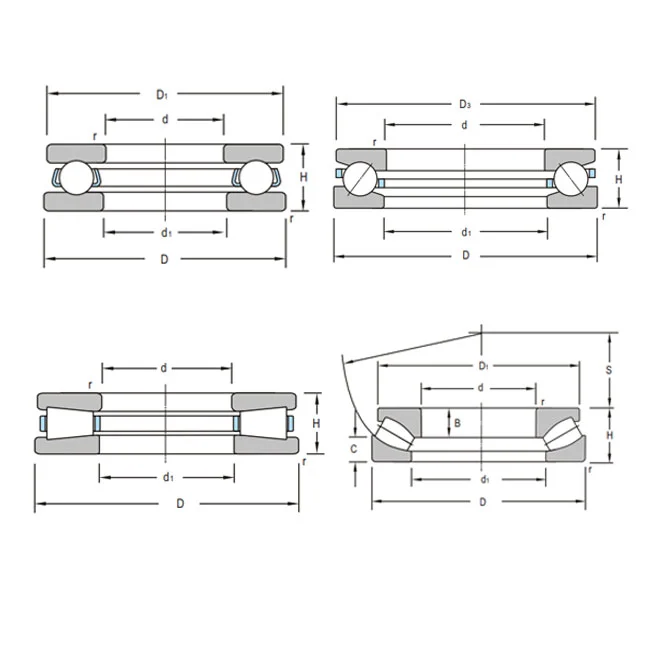
Understanding Thrust Bearings: Types and Design Principles
Thrust bearings are special kinds of mechanical parts that are made to handle horizontal loads and make it easy for industrial machinery to rotate. These bearings are fundamentally different from radial bearings because they can handle forces that are parallel to the shaft axis instead of forces that are perpendicular to it. Because of how they are made, they are necessary parts in engines, transmissions, and big machinery where axial support is important for operation.
Ball Thrust Bearing Systems
To evenly spread axial loads, ball thrust bearings use circular rolling elements that are placed between the shaft and housing washers. A shaft washer, a housing washer, steel balls, and a cage system that keeps the balls spaced correctly make up the basic structure. These bearings work great in places with modest loads and high rotational speeds, like in car gears and small industrial motors. While the point contact between the balls and the raceways reduces friction, it also limits the load capacity compared to rolling options.
Roller Thrust Bearing Applications
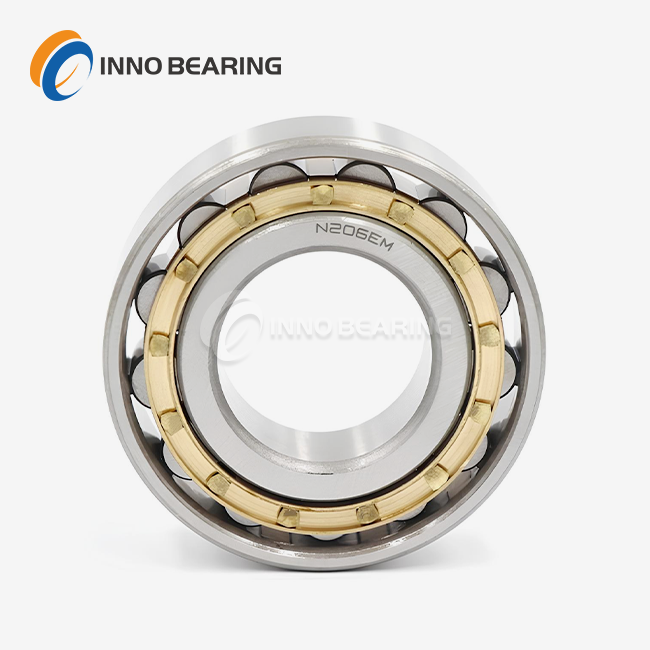
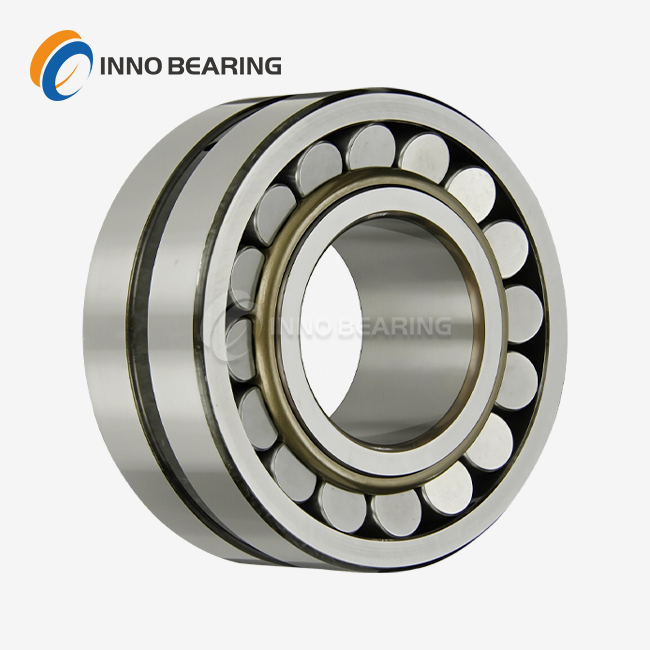
Roller thrust bearings don't use balls, but circular or tapered rollers instead. This makes line contact, which greatly improves the load-bearing capacity. This change in form is especially useful for heavy-duty uses like mining equipment, building equipment, and metallurgical processes. The bigger contact area between the rollers and raceways makes it easier to spread out loads. This lets these bearings handle big axial forces while still working reliably in tough situations.
Specialized Thrust Bearing Technologies
Advanced thrust bearing technologies include fluid film and magnetic systems made for specific tasks that need to be very precise or work in special ways. Fluid film bearings use compressed fluid to make a layer between the moving parts. This keeps the metals from touching each other and lets the bearings work at very high speeds. Magnetic thrust bearings use electromagnetic forces to keep rotating parts in place without touching them. This gives aircraft and medical equipment uses a high level of precision.
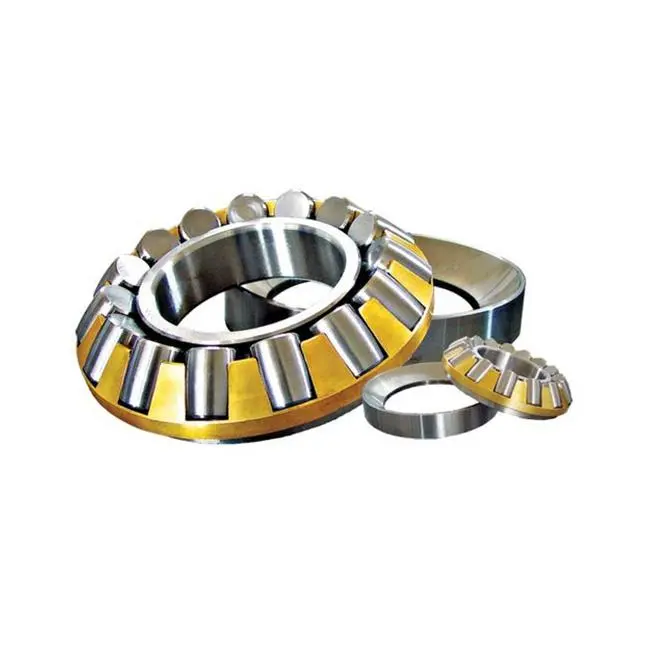
Industrial Applications of Different Thrust Bearing Types
Choosing the right thrust bearing technology relies a lot on the needs of the industry, the factors of operation, and the environment. Each type of bearing has its own benefits that make it better for certain types of gear and performance needs.
Wind Energy and Renewable Power Systems
For wind turbines, thrust bearings that can handle huge axial loads and work consistently in harsh weather conditions are needed. Modern wind turbines' main shaft systems create large rotational forces when they're working, especially when the wind changes direction and conditions. Roller thrust bearings are necessary in these situations because they can handle more weight and don't wear out easily. For the best energy exchange efficiency, these bearings must be able to handle loads that change direction over and over again while still staying in the right place.
INNO Bearing makes large-diameter thrust bearings that are specially designed for use in wind energy uses. Our metal goods have better mechanical qualities and unique seal designs that keep out moisture and other harmful things that often happen in offshore sites.
Heavy Machinery and Construction Equipment
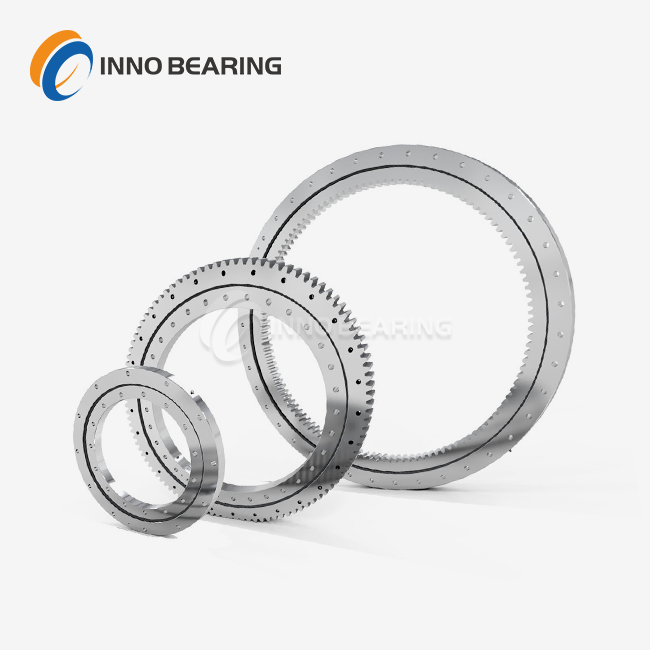
Strong thrust bearing systems are used in a lot of construction and mining tools to handle the huge axial loads that are created when digging, lifting, and moving materials. Massive thrust bearings are used in the slewing systems of crawler cranes, tunnel boring machines, and big excavators to make rotation smooth and support heavy structure loads.
Construction sites are tough places to work, so bearings need to be able to handle shock loads, dirt, and repair plans that aren't always the same. Roller thrust bearings with stronger bars and better lubrication systems are ideal for these tough jobs because they are long-lasting.
Marine and Offshore Engineering
Port equipment and offshore sites have special thrust bearing needs because they are always exposed to saltwater, humidity, and conditions that rust. Specialized thrust bearings with improved corrosion resistance and effective sealing systems are needed for ship loaders, offshore cranes, and drilling rig parts.
For these uses, custom-engineered options that can handle a lot of weight and stand up to harsh environments are often needed. To keep things working reliably in saltwater settings, they need special surface treatments, high-quality seal materials, and alloys that don't rust.
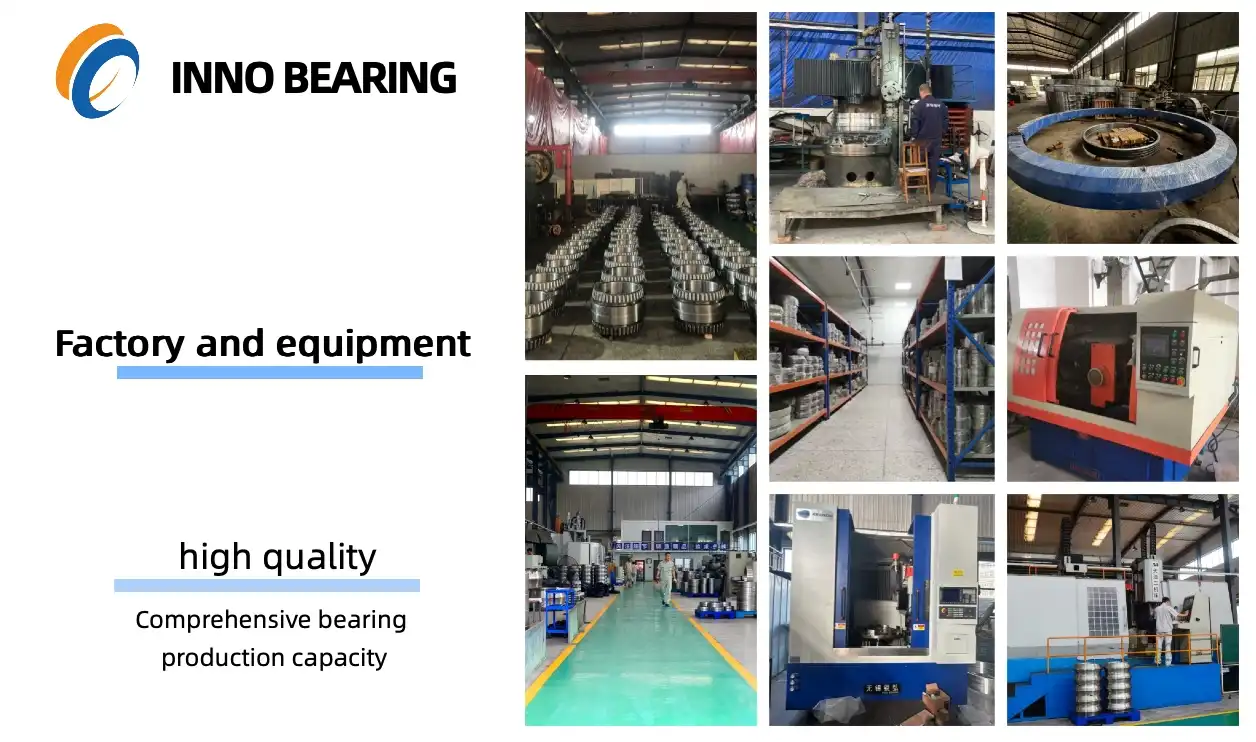
How to Choose the Right Thrust Bearing for Your Industrial Needs?
To find the best thrust bearing options, you need to carefully consider a number of technical and practical factors that have a direct effect on how well the equipment works and how often it needs to be serviced. In order to make a choice, you have to look at the load characteristics, working conditions, and long-term reliability standards.
Load Analysis and Capacity Requirements
To choose the right bearing, you need to know how much axial force there is and how it moves. When it comes to how they affect bearing life and performance, static loads are very different from moving loads. When it comes to bearings, machines that experience cyclical or impact loading need different specs than machines that produce steady rotational forces.
When you figure out the load, you have to take into account the equipment's best working conditions, safety factors, and possible overload situations that could happen while it's running. To make sure the bearing works well for a long time, its estimated load capacity should be higher than the highest load that is expected to be put on it, with enough room for error.
Operating Speed and Temperature Considerations
The speed of rotation has a direct effect on the choice of bearing because it changes how much oil is needed, how much heat is produced, and how rotational forces affect the rolling elements. Ball thrust bearings work better in high-speed situations because they have less friction, while roller bearings work better in heavy-load, low-speed situations.
Temperature ranges change the features of materials, the viscosity of lubrication, and the way they expand and contract when heated. These changes affect the gaps between bearings and how well they work. Extremely hot or cold working conditions need special materials and lubrication methods to keep bearings working at their best.
Environmental and Maintenance Factors
Levels of contamination, exposure to moisture, and chemical conditions all have a big effect on the life and function of bearings. Applications that are dirty, wet, or chemically aggressive need better closing systems and materials that don't rust so they don't fail too soon.
Accessibility issues and time limits for maintenance push the choice of bearings toward designs that require less service or can handle longer maintenance intervals. While sealed bearing designs require less upkeep, they may not be able to handle as much weight as open designs with external greasing systems.
Maintenance, Troubleshooting, and Longevity of Thrust Bearings
To get the most out of thrust bearings, you need to use complete care plans that cover things like lubrication, alignment, and checking the bearing's state. Proper upkeep practices greatly increase the life of bearings while lowering the costs of replacing and unplanned downtime.
Installation and Alignment Best Practices
The best performance of the bearing is guaranteed by following the right fitting steps. Failure to do so early on due to misalignment or contamination during assembly is also avoided. To make sure the bearings are properly supported and aligned, the sides of the shaft and case must meet certain tolerances and surface finish requirements.
In thrust bearing usage, accurate alignment is very important because imbalance causes uneven load distribution, which speeds up wear and shortens the life of the bearing. Accuracy is needed for effective operation, and precise measuring tools and alignment steps help get there.
Lubrication Management Systems
Choosing the right lube, applying it correctly, and keeping an eye on it are all parts of good lubrication management that keep bearings running at their best for as long as they are used. It is important that the lube has the right film thickness and doesn't break down when it's used.
When to lubricate depends on how the machine is used, the size of the bearings, and the type of oil used. Automated greasing systems can make things more consistent, cut down on upkeep work, and make sure that the right amount of oil is used at the right time.
Condition Monitoring and Fault Detection
Advanced condition tracking methods let problems with bearings be found early, before they cause a severe failure. Vibration analysis, temperature tracking, and lubricant analysis can tell you a lot about the state of a bearing and how long it will last.
Regular tracking data helps make repair plans that are based on the real state of the bearings instead of just picking random times. This method finds the best time for repair while also avoiding sudden breakdowns that could damage other parts of the equipment.
Procurement Guide: Buying Thrust Bearings for Industrial Applications
Getting thrust bearings that work well takes knowing what the supplier can do, how to make sure the quality is good, and how to make sure the shipping times work with the project's plan and performance goals. As part of the buying process, technical requirements, supplier skills, and the total cost of ownership must all be taken into account.
Supplier Evaluation and Quality Assurance
Manufacturers of reliable thrust bearings show continuous quality through well-established quality control systems, material certifications, and the ability to test performance. INNO Bearing keeps its ISO 9001 approval and uses strict quality control measures all the way through the manufacturing process.
When evaluating a supplier, you should look at their manufacturing skills, quality control methods, and expert support services. For unique uses that need non-standard bearing arrangements, being able to offer custom engineering Solutions and fast development can be very helpful.
Technical Specifications and Customization
Standard bearing specs might not meet the needs of a specific application. Because of this, the ability to customize is an important factor to consider when choosing a provider. To meet the needs of a particular application, INNO Bearing provides a wide range of customization choices, such as different seal configurations, materials, and size changes.
Technical documents and technical support help make sure that the right bearings are chosen and used. Complete product specs, installation instructions, and application engineering help are all things that can help a bearing be installed and run reliably.
Delivery and Logistics Considerations
Reliability in the supply chain is important for keeping to production plans and lowering the costs of keeping goods on hand. INNO Bearing keeps a large stock of standard bearing sizes and can offer fast delivery choices for those who need them right away.
Global operations make it easy to get bearings to project sites all over the world, and the packing and shipping methods are made to keep them safe while they're in transit. When you combine your shipping choices, you can save money on big orders while still meeting delivery deadlines.
Conclusion
To choose and buy thrust bearings successfully, you need to know the basic differences between the different types and match their abilities to the needs of the application. Ball thrust bearings work best in high-speed, moderate-load situations, while roller bearings are better for heavy-duty tasks. When choosing the right tools, it's important to think about how it will be used, how much it will cost, and what kind of upkeep it will need. Partnering with experienced makers who can provide technical know-how, quality assurance, and reliable delivery is a good way to streamline the buying process. Because INNO Bearing has been making thrust bearings for 30 years, they have the technical know-how and production skills to support a wide range of industrial uses in many fields.
FAQ
What distinguishes thrust bearings from radial bearings in industrial applications?
Radial bearings deal with forces that are perpendicular to the shaft axis, while thrust bearings deal with loads that are parallel to the shaft axis. Because of this basic difference, thrust bearings are needed for things like wind turbine main shafts, crane slewing rings, and big machinery that needs axial support to work right.
How do I determine the appropriate thrust bearing size for my equipment?
To choose the right bearing size, you need to look at the axial load, the shaft's measurements, and the mounting room you have. Figure out the highest loads that can be predicted, making sure to include safety factors, and then look at bearing load rate tables to find the right sizes. INNO Bearing offers technical support to help check size calculations and suggest the best ways to set up bearings.
What maintenance intervals work best for industrial thrust bearings?
Maintenance times depend on how the machine is used, the size of the bearings, and the type of oil used. Heavy-duty equipment usually needs to be inspected every three to six months, while lighter-duty equipment may go up to once a year. health tracking methods help find the best time for repair based on the real health of the bearings instead of making plans out of thin air.
Partner with INNO Bearing for Superior Thrust Bearing Solutions
Industrial procurement teams looking for reliable thrust bearing sources will find INNO Bearing's wide range of manufacturing skills and technical know-how very useful for improving the performance of their equipment. We've been specializing in big and non-standard bearings for almost 30 years, which lets us provide unique solutions that meet the strict needs of industries. Get in touch with our engineering team at sales@inno-bearing.com to talk about your unique thrust bearing needs and get expert advice that fits your business. INNO Bearing is dedicated to quality, fast shipping, and full technical support. This means that your projects will get the best bearing options available, backed by years of proven manufacturing excellence.
References
These are Tedric A. Harris and Michael N. Kotzalas. "Essential Concepts of Bearing Technology: Rolling Bearing Analysis." 2020, CRC Press.
Shah, Michael M., and E. Hey, Richard Booser. New York: John Wiley & Sons, 2017. "Applied Tribology: Bearing Design and Lubrication."
They are Bernard J. Hamrock, Steven R. Schmid, and Bo O. Jacobson. 2019. Marcel Dekker. "Fundamentals of Fluid Film Lubrication."
ISO 104:2015. From the International Organization for Standardization: "Rolling Bearings - Thrust Bearings - Geometrical Product Specifications and Tolerance Values."
These are Warda, Boualem, and Dominique Bonneau. Published by Springer International Publishing in 2018, "Hydrodynamic Thrust Bearings: Design and Performance Analysis."
Association of American Bearing Manufacturers. The ABMA Standards Committee published a report in 2021 called "Load Ratings and Fatigue Life for Ball and Roller Bearings."
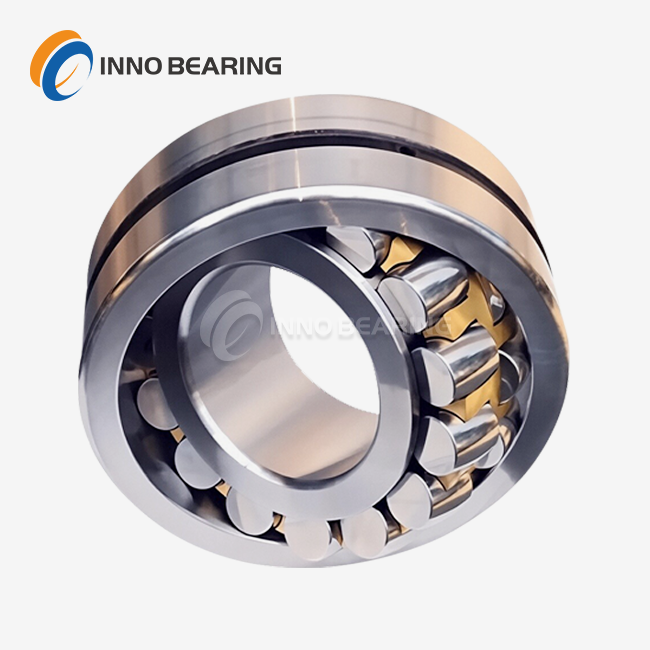

Learn about our latest products and discounts through SMS or email