- English
- French
- German
- Portuguese
- Spanish
- Russian
- Japanese
- Korean
- Arabic
- Greek
- German
- Turkish
- Italian
- Danish
- Romanian
- Indonesian
- Czech
- Afrikaans
- Swedish
- Polish
- Basque
- Catalan
- Esperanto
- Hindi
- Lao
- Albanian
- Amharic
- Armenian
- Azerbaijani
- Belarusian
- Bengali
- Bosnian
- Bulgarian
- Cebuano
- Chichewa
- Corsican
- Croatian
- Dutch
- Estonian
- Filipino
- Finnish
- Frisian
- Galician
- Georgian
- Gujarati
- Haitian
- Hausa
- Hawaiian
- Hebrew
- Hmong
- Hungarian
- Icelandic
- Igbo
- Javanese
- Kannada
- Kazakh
- Khmer
- Kurdish
- Kyrgyz
- Latin
- Latvian
- Lithuanian
- Luxembou..
- Macedonian
- Malagasy
- Malay
- Malayalam
- Maltese
- Maori
- Marathi
- Mongolian
- Burmese
- Nepali
- Norwegian
- Pashto
- Persian
- Punjabi
- Serbian
- Sesotho
- Sinhala
- Slovak
- Slovenian
- Somali
- Samoan
- Scots Gaelic
- Shona
- Sindhi
- Sundanese
- Swahili
- Tajik
- Tamil
- Telugu
- Thai
- Ukrainian
- Urdu
- Uzbek
- Vietnamese
- Welsh
- Xhosa
- Yiddish
- Yoruba
- Zulu
How to Choose a Spherical Roller Bearing for Shock Loads?
To choose the right spherical roller bearing for shock load uses, you need to carefully look at the load capacity, material requirements, and operating conditions. Because they have two rows of rollers, these self-aligning bearings work well in places with a lot of shocks because they can spread dynamic forces evenly across the track. To get the best performance and longest life, make sure the bearing's dynamic load number matches the highest shock forces in the application. Other things to think about are the cage material, sealing needs, and operating temperature ranges.
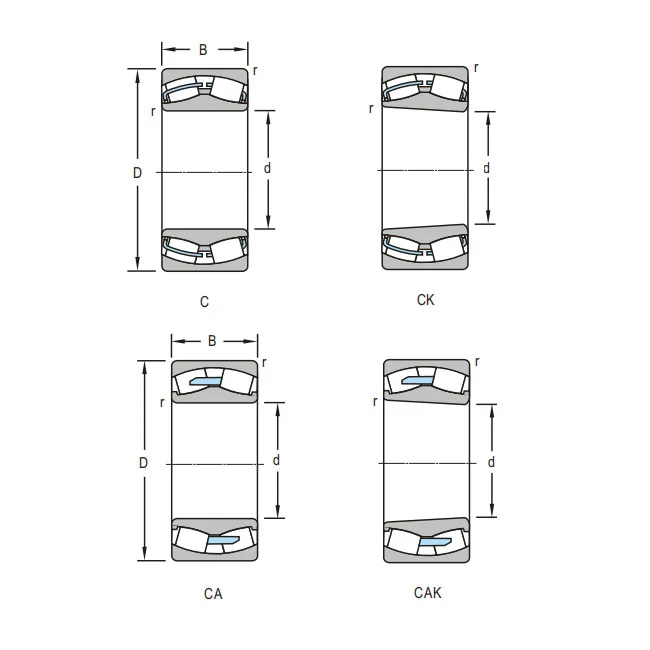
Understanding Spherical Roller Bearings and Their Importance for Shock Load Applications
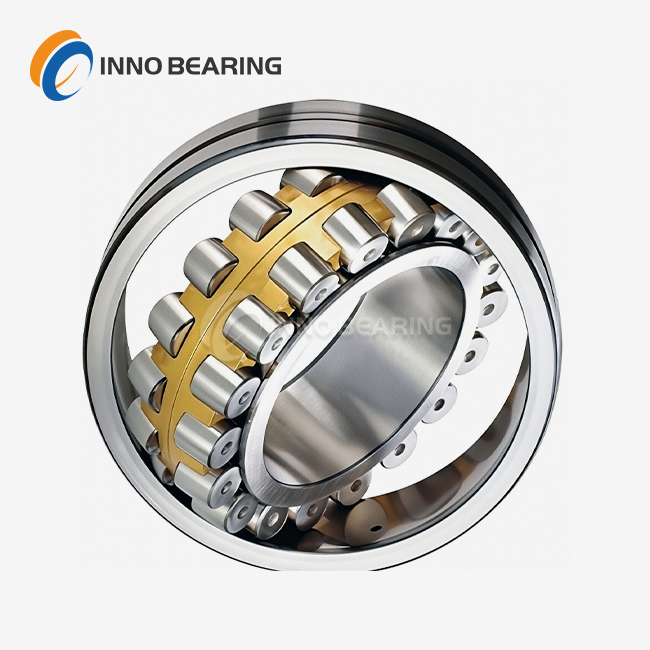
Spherical roller bearings are a major step forward in bearing technology. They are designed to handle a wide range of load situations while still being reliable. The unique double-row spherical roller structure of these bearings has an inner ring with a spherical raceway and an outer ring with double ribs. This lets them handle both radial loads and mild axial loads at the same time.
Self-Aligning Capabilities in Shock Environments
When there is a shock load, quick hits can bend the shaft or throw the housing out of line. This is where the self-aligning feature comes in handy. Spherical roller bearings can accommodate angle misalignments of up to two to three degrees without affecting performance, unlike rigid bearing designs. In places like mine crushers, where irregular material feed causes shock patterns that are hard to predict and would quickly damage normal bearings, this flexibility is very important.
Load Distribution Mechanisms
The shock forces are spread out over a bigger contact area with a double-row roller configuration than with a single-row design. Each roller stays in good touch with the spherical raceway, which keeps rapid impact loads from focusing on one spot. This design concept is what makes spherical roller bearings work better than other types of bearings in situations where they are subjected to repeated shock loads, like in rotating screens used for processing aggregates or hammer mills used to make cement.
Structural Advantages for Impact Resistance
These days, spherical roller bearings have improved cage designs made of pressed steel or brass. Each has its own benefits for shock uses. Steel cages are very strong and good at letting heat escape, which makes them perfect for places with a lot of heat, like steel mills. Brass cages are better at damping vibrations, which lowers noise transfer and extends the life of bearings in machines that are subject to a lot of shock.
Key Criteria for Selecting Spherical Roller Bearings for Shock Loads
By knowing the technical details that affect shock load performance directly, you can make smart choices about which bearings to buy. The process of choosing must take into account both the steady and dynamic load needs as well as the expected regularity and severity of shocks.
Dynamic and Static Load Rating Analysis
Dynamic load ratings show how long a bearing can handle loads that are spinning, while static load ratings show how much weight it can hold when it is not moving. The C0 static load grade is especially important for shock uses because sudden impacts often put more stress on the system than standard working loads. To keep enough safety reserves, engineers should choose bearings with static load values that are at least three to five times higher than the expected peak shock loads.
It's not always a straight line between basic dynamic load rate and shock protection. Heavy-duty bearings often use 42CrMo alloy steel instead of normal GCr15 bearing steel. This gives them better wear resistance when they are loaded and unloaded many times. For systems that experience more than 1000 shock events per hour, this material update is a must.
Design Configuration Impact on Performance
Because they can distribute loads more evenly, double-row spherical roller bearings naturally offer better shock protection than single-row types. The roller profile also changes how well it absorbs shocks. Logarithmic profiles are better at distributing stress than standard crowned profiles. When buying teams understand these small design details, they can choose bearings that are right for their shock load patterns.
Material Selection for Shock Applications
In addition to basic steel types, you can choose materials that have been heat treated or coated on the outside. Bearings that are meant to handle strong shocks often go through extra hardening steps that make the core tougher while keeping the surface hard. Some makers make ceramic-enhanced rollers that are 40% more resistant to wear in situations where they are hit a lot.
The choice of cage material is also very important because shock loads create dynamic forces that can break the cage if they are not stated correctly. Solid brass cages are better at absorbing shock than pressed steel cages, but they may need to be oiled more often because they don't carry heat as well.
Comparing Spherical Roller Bearings with Alternative Bearing Types for Shock Loads
Before making a decision, engineering teams often look at a number of different bearing technologies. This is especially important for mission-critical uses where a failed bearing could cost a lot in lost time and money. When choosing spherical roller bearings for shock load uses, it's important to know how they stack up against other options.
Performance Against Cylindrical Roller Bearings
When there is only radial load, Cylindrical roller bearings work great, but they don't have the misalignment correction that makes spherical versions better for shock loads. When machinery is hit by shock loads, the bending of the shaft can cause edge stress in cylindrical bearings, which can cause them to fail early. Even if the position of the shaft changes because of contact forces, spherical roller bearings keep the load spread out correctly.
Advantages Over Ball Bearing Alternatives
While ball bearings have less friction and can go faster, they can't handle as much weight as roller bearings when they are used in shock situations. Because ball bearings have point contact, they create stress concentrations that can cause them to fail after a while of repeated shock loads. Roller bearings spread loads across line contacts, which makes them much better at absorbing pressure and giving them a longer life in heavy-duty situations.
Comparison with Tapered Roller Configurations
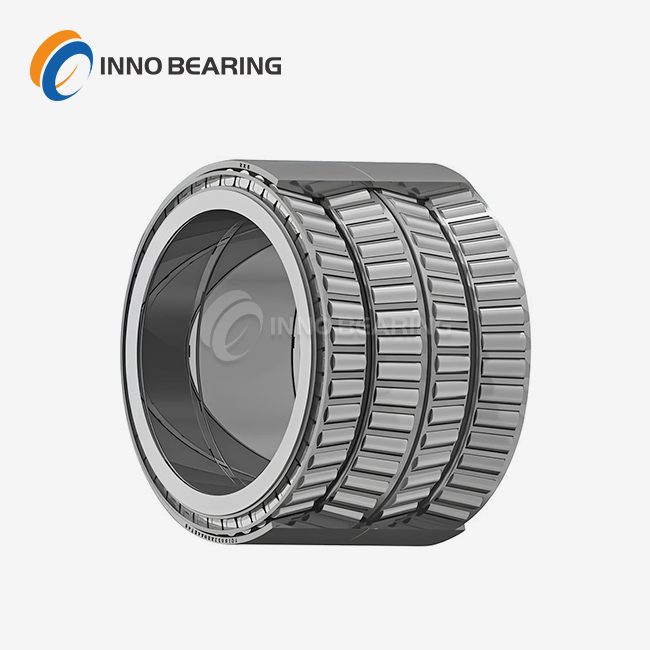
Tapered Roller Bearings can hold a lot of total radial and axial load, but they need to be mounted and adjusted carefully, which can be messed up by shock loads. Because they need to be mounted rigidly, tapered bearings can't be used in places where shocks often cause them to become misaligned. These changes in orientation don't affect spherical roller bearings, so they don't need to be adjusted all the time.
When maintenance needs to be thought about in settings with a lot of shocks, the selection factors change in a big way. For proper installation and adjustment, tapered bearings usually need to be done by skilled technicians. On the other hand, regular methods can be used to install spherical roller bearings without any special training.
Practical Considerations When Procuring Spherical Roller Bearings for Shock Loads
A good buying process includes more than just technical specs. It also includes evaluating suppliers, making sure quality, and figuring out how much something will cost over its whole life. There are a lot of makers in the bearing market, and their quality levels and areas of expertise vary. Choosing a supplier is therefore an important part of making a choice.
Supplier Selection and Quality Verification
Well-known bearing makers like SKF, NSK, Timken, FAG, NTN, and KOYO keep strict quality control systems in place and offer full expert support for shock load uses. However, Solutions made by specialized manufacturers are often better for certain businesses or harsh working situations. INNO Bearing has been making big and non-standard bearings for almost 30 years. They are a great example of how specialized knowledge can lead to custom solutions for specific shock load problems.
Quality standards give concrete measures of how well and consistently something is made. Basic quality management systems are covered by ISO 9001 certification, while more specialized certifications, such as API 610 for pumps or AGMA standards for gearboxes, show that the company has a better understanding of its niche. Advanced manufacturers often go above and beyond these basic requirements. For example, they use Six Sigma quality methods to lower the number of defects to less than 3.4 parts per million.
Cost Analysis and Value Engineering
The people in charge of buying things have to weigh the original bearing costs against all the costs that come up over the product's lifetime, such as repairs, downtime, and replacements. Premium bearings that are better at handling shocks usually cost 20–40% more than regular ones, but they last two to three times longer in tough situations. When you think about how much work costs and production is lost when bearings fail without warning, this economic advantage stands out even more.
Companies that have a lot of tools that need the same bearings can save a lot of money by buying them in bulk. Many manufacturers offer discounts for buying in bulk beginning at 25 to 50 pieces. You can save even more if you sign an annual contract that guarantees minimum purchase amounts. Custom bearing options might have higher minimum order numbers, but they might offer performance benefits that make the cost worth it.
Maintenance Protocol Development
Specialized maintenance methods are needed for shock load uses that are different from normal bearing maintenance methods. It is very important to keep an eye on vibrations because shock loads can cause slow damage that regular temperature tracking might miss. Condition tracking systems today can find bearing wear weeks before they fail, which lets repair be planned ahead of time and stops catastrophic failures.
When there is shock loading, the need for lubrication increases, and expensive greases with extra high pressure additives are often needed. To make sure the film thickness is right during shock events, the lubrication interval might need to be cut by half compared to regular working conditions. Automatic lube systems that keep adding grease all the time are better for some uses than maintenance that is done at set times.
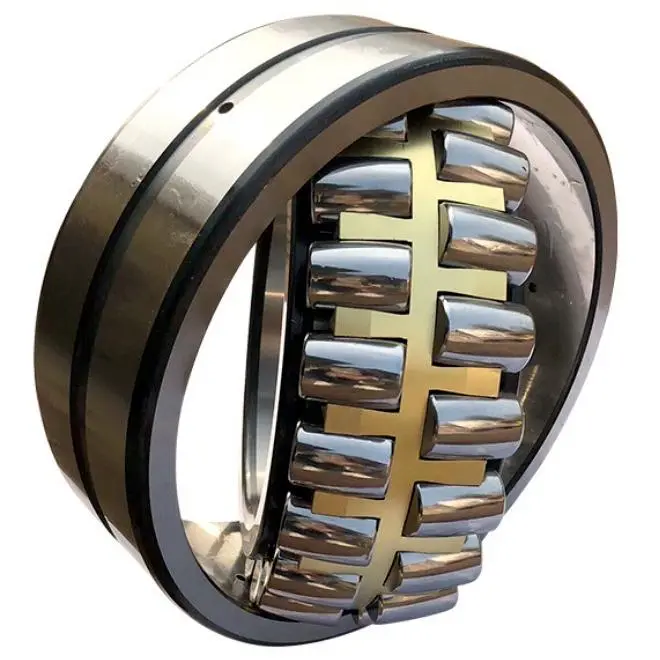
Case Studies and Application Examples of Spherical Roller Bearings in Shock Load Environments
Real-world uses are a great way to learn about how spherical roller bearings work in real-world settings. These examples show how choosing the right bearings and keeping them in good shape can lead to measured changes in how things work.
Mining Industry Success Story
In the main crusher application of a copper mine, bearings kept breaking down because big chunks of ore caused severe shock loads every few seconds. The original cylindrical roller bearings only lasted three to four months before they had to be replaced. This meant that a lot of money had to be spent on repairs and production had to be stopped. When they switched to heavy-duty spherical roller bearings with 42CrMo steel rings and stronger brass cages, the bearings lasted 14 to 16 months longer while the same amount of work was still being done.
The main things that made the bearing better were its ability to fix errors caused by uneven ore loading and its better ability to absorb shock. The mining company said that maintenance costs for bearings went down by 70% and that unexpected downtime caused by bearing failures was removed. In situations with a lot of shocks, this case shows how choosing the right bearings can change the operational costs.
Port Equipment Application
A container port updated their ship-to-shore cranes by adding new spherical roller bearings that are made to handle the shock loads that come up when moving containers. The old bearing solution had to be replaced every 18 months because it broke down from repeated shock loads when containers hit spreading guides while they were being lifted.
The new bearing design had better sealing to keep out salt spray rust and a special heat treatment to make it more resistant to wear and tear. The bearings had barely any wear after three years of use, and they are expected to last longer than five years. The port cut the cost of maintaining the cranes by 60% and made them more reliable during busy shipping times.
Steel Mill Continuous Caster
A steel factory put special spherical roller bearings in their continuous casting machine, which had to work in very harsh conditions because of the thermal shock from the touch of molten steel. The bearings had to be able to handle both the mechanical shocks from the casting process and the changes in temperature from room temperature to 200°C.
Bearings with ceramic-enhanced rollers and high-temperature synthetic oils that kept their viscosity in harsh conditions were used as an answer. The change to the bearing got rid of thermal distortion problems that were causing alignment issues all the time. This increased the bearing's life from 8 months to over 24 months and made the regularity of the casting quality better.
These real-life examples show how spherical roller bearing technology can be used to solve different types of shock load problems in various businesses. Some of the most important things for success are correctly calculating the load, choosing the right materials, and planning care in a way that takes into account the needs of each application.
Conclusion
To choose the best spherical roller bearings for shock load uses, you need to look at a lot of technical details, operating conditions, and the supplier's abilities. The self-aligning features and double-row roller structure make this bearing technology better at absorbing shocks than others. However, the choice of material and the design of the cage have a big effect on how well it works when it's being loaded with impacts. A successful application relies on a correct load analysis, choosing the right supplier, and following upkeep procedures that are made for environments with a lot of shocks. When you buy expensive bearing solutions, they usually save you a lot of money over the course of their lifetime because they last longer and need less upkeep.
FAQ
What load capacity should I specify for shock applications?
Pick bearings that can handle static loads that are three to five times higher than the highest shock loads that you expect. This safety factor takes into account changes in how the loads are distributed and possible alignment problems that can happen during impacts. To make sure there is enough fatigue resistance under cyclic shock situations, dynamic load rates should also be at least 50% higher than regular working loads.
How do I determine maintenance intervals for shock environments?
For shock uses, shorten the normal maintenance intervals by 30 to 50 percent and use vibration tracking to find early signs of wear and tear. The amount of lube should go up in proportion to the number of shocks, and in high-impact situations, it might be necessary to lubricate once a week instead of once a month. Monitoring temperature alone is not enough for shock uses because damage to bearings can happen even when temperatures don't rise very much.
Can spherical roller bearings handle combined radial and axial shock loads?
Because they have a contact angle design and can self-align, spherical roller bearings can handle mixed loading situations well. But axial shock loads that are higher than 10% of the radial capacity might need extra Thrust bearings or special bearing arrangements. If the axial shock components go beyond the usual operating range, you should contact your bearing provider for specific advice.
What verification methods ensure bearing authenticity from suppliers?
Check that the bearings are real by checking the serial numbers on the manufacturer's websites, looking at the quality of the packing, and using precise measuring tools to check the tolerances for size. Suppliers you can trust will give you material certifications and Certificates of approval with batch numbers that can be tracked. Be wary of prices that are significantly lower than the market average; these could be signs of fake goods made with lower-quality materials and techniques.
Get Expert Spherical Roller Bearing Solutions from INNO Bearing
INNO Bearing offers unique shock-resistant bearing solutions that are backed by 30 years of technical experience and a track record of success in harsh industrial settings. Our expert team does full application analysis, helps you choose the right materials, and provides ongoing support to make sure your machinery is as reliable as possible. Get in touch with sales@inno-bearing.com to talk about your unique shock load needs and get full suggestions for high-quality spherical roller bearing supplier options. We are experts at large-diameter bearings up to φ5000mm, and we can supply both standard and unique orders quickly (15 days).
References
Harris, T.A. and Kotzalas, M.N. "Advanced Concepts of Bearing Technology: Rolling Bearing Analysis, Fifth Edition." CRC Press, 2018.
Warda, B. and Chudzik, A. "Fatigue Life Prediction of Spherical Roller Bearings Under Variable Loading Conditions." International Journal of Mechanical Sciences, 2017.
ISO 281:2017 "Rolling Bearings - Dynamic Load Ratings and Rating Life Calculation Methods." International Organization for Standardization, Geneva.
Sadeghi, F. et al. "A Review of Rolling Contact Fatigue in Wind Turbine Bearings." Journal of Tribology, ASME, 2019.
Palmgren, A. "Ball and Roller Bearing Engineering: Third Edition." SKF Industries Inc., Philadelphia, 2018.
Lynagh, N. et al. "Bearing Induced Vibration in Precision High Speed Routing Spindles." International Journal of Machine Tools and Manufacture, 2020.

Learn about our latest products and discounts through SMS or email