- English
- French
- German
- Portuguese
- Spanish
- Russian
- Japanese
- Korean
- Arabic
- Greek
- German
- Turkish
- Italian
- Danish
- Romanian
- Indonesian
- Czech
- Afrikaans
- Swedish
- Polish
- Basque
- Catalan
- Esperanto
- Hindi
- Lao
- Albanian
- Amharic
- Armenian
- Azerbaijani
- Belarusian
- Bengali
- Bosnian
- Bulgarian
- Cebuano
- Chichewa
- Corsican
- Croatian
- Dutch
- Estonian
- Filipino
- Finnish
- Frisian
- Galician
- Georgian
- Gujarati
- Haitian
- Hausa
- Hawaiian
- Hebrew
- Hmong
- Hungarian
- Icelandic
- Igbo
- Javanese
- Kannada
- Kazakh
- Khmer
- Kurdish
- Kyrgyz
- Latin
- Latvian
- Lithuanian
- Luxembou..
- Macedonian
- Malagasy
- Malay
- Malayalam
- Maltese
- Maori
- Marathi
- Mongolian
- Burmese
- Nepali
- Norwegian
- Pashto
- Persian
- Punjabi
- Serbian
- Sesotho
- Sinhala
- Slovak
- Slovenian
- Somali
- Samoan
- Scots Gaelic
- Shona
- Sindhi
- Sundanese
- Swahili
- Tajik
- Tamil
- Telugu
- Thai
- Ukrainian
- Urdu
- Uzbek
- Vietnamese
- Welsh
- Xhosa
- Yiddish
- Yoruba
- Zulu
Spherical Roller Bearing Applications in Heavy Machinery
A very important part of heavy machinery is spherical roller bearing technology, which automatically aligns itself to handle both radial and axial loads and corrects for misaligned shafts. In harsh industrial settings where accuracy, durability, and dependability can't be sacrificed, these bearings work better than others. Knowing how they are used in different heavy machinery industries helps procurement professionals, engineers, and original equipment manufacturers make smart choices that improve equipment performance and working efficiency in tough circumstances.
Understanding Spherical Roller Bearings in Heavy Machinery
When working with heavy machinery, you need bearing options that can stand up to harsh conditions and keep doing their job. Because they have a special double-row spherical roller structure that naturally makes up for fitting errors and shaft deflections, self-aligning roller bearings work great in these conditions.
Design Features and Capabilities
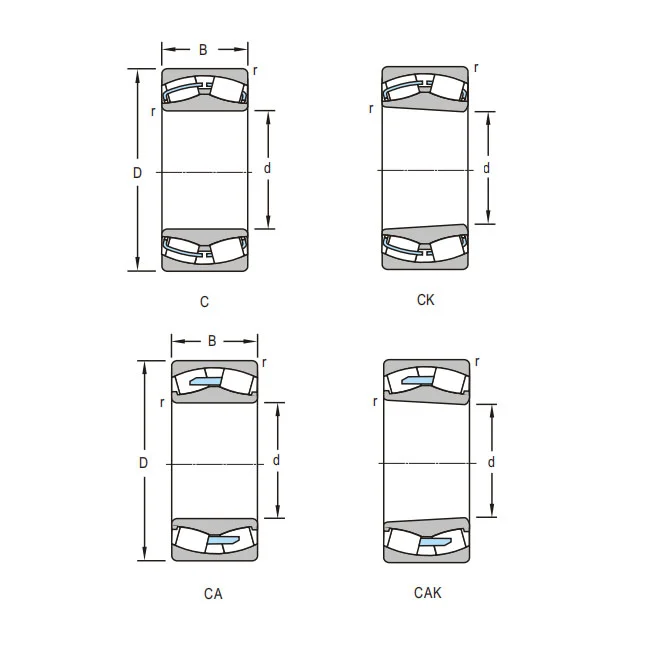
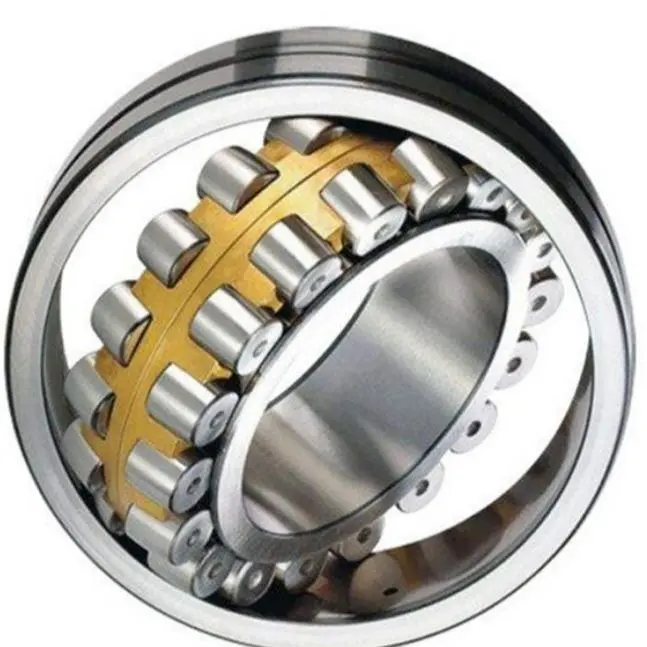
Spherical roller bearings have a unique design with an inner ring that has a spherical raceway and an outer ring that has two ribs. This makes for a strong structure that can handle both radial and small axial loads at the same time. The cages made of pressed steel or brass hold the double-row rollers in place and do a great job of spreading the load across the bearing surface. This design lets the bearing handle misalignment of up to 1.5 degrees, which makes it very useful in situations where keeping the shaft perfectly aligned is hard or impossible.
For normal uses, modern spherical roller bearings use high-quality GCr15 bearing steel. For heavy-load versions, 42CrMo steel is used to make them last longer. The size range includes inner diameters from 20mm to 1000mm, outer diameters up to 2000mm, and widths up to 300mm, so it can meet the needs of a wide range of big machines.
Self-Alignment Technology
These bearings are different from regular roller bearings because they can self-align. This is especially useful in big machines where structural deflection and heat expansion make alignment difficult. This technology is very important for wind turbines because tower sway and base settlement can cause big forces to throw things out of line. In the same way, mining equipment benefits because the constant shaking and shock loads that happen during breaking and grinding would quickly destroy bearing types that don't self-align.
Load Capacity and Environmental Resistance
Extreme radial loads of more than 2000kN are common in heavy machinery uses. Bearings also have to deal with tough weather conditions like temperature changes, contamination, and chemical contact. These problems can be solved with special heat treatment methods and different covering designs for spherical roller bearings. Precision levels P0 and P6 make sure that measurements are correct, which is important for heavy machinery to work properly. Optional curved holes (1:12 ratio) make fitting on shaft systems easier.
Performance and Maintenance of Spherical Roller Bearings
To get the most out of heavy machinery bearings, you need to know how operational factors and maintenance methods relate to each other. Temperature control is very important because these bearings work consistently in temperatures from -20°C to +150°C as long as they are kept in good shape.
Critical Performance Factors
Matching load capacities is the first step in improving bearing performance. Radial load-bearing ability needs to match the needs of the gear, taking into account both static and moving loads. When thermal expansion, structure deflection, or base shifting are factors, self-aligning performance is very important. Verification of the accuracy of the dimensions makes sure that big machinery parts fit and work properly.
Vibration analysis, temperature tracking, and lubrication condition rating are the main parts of regular inspection routines. These methods find possible problems before they get worse and cost a lot to fix. The right way to put something stops it from wearing out too quickly, and using the right lubricant for the job greatly increases its service life.
Failure Mode Prevention
Fatigue spalling, wear, and damage caused by contamination are common ways that big machinery breaks down. Knowing how these things fail lets you plan proactive repair that stops unexpected downtime. Monitoring tools that keep an eye on bearing temperature, sound patterns, and oil state can spot problems before they get too bad.
The sealed bearing types are better at keeping out dirt and dust in dirty places like mines, while the open bearing types are better at letting heat escape in hot places like steel mills. Because it's so flexible, repair teams can choose the best configurations for each job.
Comparing Spherical Roller Bearings with Other Bearing Types
When choosing bearings for big machinery, you have to look at a few different choices. Each has its own benefits that depend on the needs of the application. Knowing these differences helps procurement teams make smart choices that improve the performance and lifetime costs of machines.
Spherical vs. Cylindrical Roller Bearings
Cylindrical roller bearings work well in situations where a high circular load capacity is needed with low axial loads. However, they can't handle misalignment like spherical designs can. Heavy machinery often has trouble staying in place because of structure deflection, heat expansion, and base settling. This is why spherical bearings' ability to self-align is so useful. The trade-off is that they can't hold as much rotational load as spherical bearings of the same size.
Spherical vs. Tapered Roller Bearings
Tapered Roller Bearings can handle both radial and axial loads well, but they need to be perfectly aligned and have their preload set correctly. Spherical roller bearings make installation and upkeep easier because they instantly correct for misalignment, which means that less skill is needed for proper installation. This benefit is especially useful when installing tools in the field, which is popular in mining and construction.
Spherical vs. Ball Bearings
Roller bearings can hold more weight than ball bearings, but ball bearings can go faster and have less friction. Spherical roller bearings are the best option for equipment like crushers, mills, and big gears because they can handle more weight than any other type of bearing.
Sealed vs. Open Configurations
Choosing between sealed and open bearing designs changes how well they fight contamination and how often they need to be serviced. Sealed bearings keep dust and water out, which extends their useful life in tough conditions. Open bearings are better at getting rid of heat and can be oiled again, so they can be used in high-temperature situations or where regular repair is easy to get to.
Selecting the Right Spherical Roller Bearing for Your Heavy Machinery
To choose the right bearing, you need to carefully look at the working factors, the environmental conditions, and the performance standards. This methodical technique guarantees the best performance of the bearings and increases the trustworthiness of the equipment.
Load Analysis and Sizing
The choice of bearings is based on an accurate study of the load. When choosing the right bearing size and shape, you need to think about radial loads, axial loads, and dynamic factors. Shock loads and vibrations that are too high for regular operation are common in heavy machinery, so safety issues must be taken into account when choosing bearings. Different precise needs can be met by the P0 and P6 precision grades. For important uses, the P6 grade offers tighter tolerances.
When figuring out the load, you have to take into account both static and dynamic factors, such as starting torque, emergency stops, and changes in how the machine is used. The double-row roller design evenly spreads weight, and the right size makes sure there are enough safety margins for stable operation.
Environmental Considerations
The operating setting has a big effect on the choice of bearings and how well they work. Extreme temperatures, levels of pollution, and chemical contact all affect the choice of material and the need for sealing. Mining uses bearings that can handle gritty contamination, and steel mill uses spherical roller bearings that can handle heat and stay stable at high temperatures. Marine settings that are acidic mean that port equipment needs special treatments to keep it safe.
Material and Treatment Options
GCr15 bearing steel is a standard grade that works well in most big machinery uses because it is hard, doesn't wear down easily, and is inexpensive. 42CrMo steel is good for heavy-load uses because it is stronger and lasts longer under high loading situations. Different cage materials, like pressed steel and metal, have different strengths, resistance to heat, and costs.
Surface treatments and coats make bearings last longer in harsh conditions. Coatings that don't rust protect against chemical attacks, and special oils make things work better in dirty or high temperatures.
Future Trends and Innovations in Spherical Roller Bearings for Heavy Machinery
The bearing business is always changing to meet the needs of heavy machinery uses that need to be more reliable, efficient, and long-lasting. These advances are made possible by new materials, ways of making things, and monitoring tools.
Smart Bearing Technology Integration
When the Internet of Things (IoT) is added to bearing monitoring, it changes from doing regular checks to checking on the state all the time. Smart sensors built into bearing assemblies keep an eye on temperature, vibration, and load conditions in real time. This lets repair plans plan ahead and stop problems before they happen. This technology is especially useful for sites that are far away, like wind turbines or mining equipment, that are hard to get to for regular upkeep, which costs a lot of money.
Machine learning systems look at sensor data to find trends that show problems are starting to happen. This lets repair teams plan their work for planned downtime instead of having to deal with emergencies. This method lowers the cost of upkeep while increasing the availability of tools.
Advanced Materials and Manufacturing
The main goal of research into improved bearing steels is to make them last longer and be less likely to get contaminated while still being cost-effective. The vacuum degassing and electroslag remelting methods make steels that are cleaner and have fewer impurities. This makes bearings last longer in tough situations. Ion implantation and other surface engineering methods make things less likely to break down and increase their resistance to friction.
Additive manufacturing technologies make it possible to make complicated cage shapes that improve the flow of lubricant, cut weight, and keep strength. These new ideas are especially helpful for big bearings that are used in wind farms and mining equipment. Less weight makes them easier to move and set up.
Sustainability and Environmental Responsibility
Environmental concerns are having a bigger impact on the design and production of spherical roller bearings. Sustainability goals for businesses are met by using recyclable materials, reducing packaging, and making manufacturing methods that use less energy. Bio-based oils and surface treatments that are safe for the environment help protect it while still meeting performance standards.
Companies that make bearings put money into recycling programs that take old bearings and turn them into useful materials. This cuts down on trash and protects natural resources. These projects support the ideas of a cycle economy while also lowering the costs of waste for people who use them.
Conclusion
Bearings with spherical rollers are still very important for big machinery that needs to work reliably in tough circumstances. Because they can self-align, carry a lot of weight, and last a long time, they are perfect for wind turbines, mining equipment, steel mills, and port machinery. The best performance and dependability of tools are guaranteed by careful selection that takes into account load needs, environmental conditions, and maintenance capabilities. As technology improves, smart tracking tools and new materials will make bearings work better and help heavy industry uses meet sustainability goals.
FAQ
What load capacity can spherical roller bearings handle in heavy machinery?
Modern spherical roller bearings can handle rotational loads of up to 2000kN, which means they can be used in the toughest heavy machinery situations. The real load capacity is based on the size of the bearing, the material used, and how it is used. Dynamic load ratings look at things like speed, lubrication, and the surroundings to figure out how long something will last under certain situations of use.
How much misalignment can these bearings accommodate?
Spherical roller bearings can usually handle shaft imbalance of up to 1.5 degrees, but this depends on the size of the bearing and the load it is carrying. This ability to self-align is very important in heavy machinery where structure deflection, thermal expansion, and base shifting make alignment problems that would quickly kill regular bearings.
What maintenance practices extend bearing life in harsh environments?
Effective maintenance plans start with regular checks for lubrication, sound analysis, and temperature tracking. If you choose the right lube for the job, keep contaminants out with good sealing, and re-lubricate your bearings at the suggested times, you can greatly increase their life. Condition tracking tools that keep an eye on performance trends make it possible to plan repair ahead of time.
Partner with INNO Bearing for Premium Spherical Roller Bearing Solutions
INNO Bearing offers the best spherical roller bearing options for big machinery by combining 30 years of manufacturing experience with cutting edge engineering skills. Our expert team knows how to deal with the unique problems that come up in wind energy, mining, and port equipment operations. They can make personalized bearings up to φ5000mm and guarantee delivery within 15 days. Get in touch with our technical experts at sales@inno-bearing.com to talk about your needs and find out why top manufacturers choose INNO Bearing as their main provider for mission-critical spherical roller bearings.
References
Harris, T.A. & Kotzalas, M.N. "Advanced Concepts of Bearing Technology: Rolling Bearing Analysis." CRC Press, 2019.
Palmgren, A. "Ball and Roller Bearing Engineering." SKF Industries Inc., 2018.
Eschmann, P., Hasbargen, L. & Weigand, K. "Die Wälzlagerpraxis: Handbuch für die Berechnung und Gestaltung von Lagerungen." Mainz Verlag, 2020.
Bhushan, B. "Principles and Applications of Tribology." John Wiley & Sons, 2021.
ISO 281:2017. "Rolling Bearings - Dynamic Load Ratings and Rating Life." International Organization for Standardization, 2017.
Hamrock, B.J., Schmid, S.R. & Jacobson, B.O. "Fundamentals of Fluid Film Lubrication." Marcel Dekker Inc., 2019.

Learn about our latest products and discounts through SMS or email