A good buying strategy for spindle bearings includes checking the credibility of the seller, making sure the product is real, coordinating delivery, and setting up ongoing support. All of these things work together to make sure that supply chains are effective and help businesses reach their goals while reducing risk.
English
- English
- French
- German
- Portuguese
- Spanish
- Russian
- Japanese
- Korean
- Arabic
- Greek
- German
- Turkish
- Italian
- Danish
- Romanian
- Indonesian
- Czech
- Afrikaans
- Swedish
- Polish
- Basque
- Catalan
- Esperanto
- Hindi
- Lao
- Albanian
- Amharic
- Armenian
- Azerbaijani
- Belarusian
- Bengali
- Bosnian
- Bulgarian
- Cebuano
- Chichewa
- Corsican
- Croatian
- Dutch
- Estonian
- Filipino
- Finnish
- Frisian
- Galician
- Georgian
- Gujarati
- Haitian
- Hausa
- Hawaiian
- Hebrew
- Hmong
- Hungarian
- Icelandic
- Igbo
- Javanese
- Kannada
- Kazakh
- Khmer
- Kurdish
- Kyrgyz
- Latin
- Latvian
- Lithuanian
- Luxembou..
- Macedonian
- Malagasy
- Malay
- Malayalam
- Maltese
- Maori
- Marathi
- Mongolian
- Burmese
- Nepali
- Norwegian
- Pashto
- Persian
- Punjabi
- Serbian
- Sesotho
- Sinhala
- Slovak
- Slovenian
- Somali
- Samoan
- Scots Gaelic
- Shona
- Sindhi
- Sundanese
- Swahili
- Tajik
- Tamil
- Telugu
- Thai
- Ukrainian
- Urdu
- Uzbek
- Vietnamese
- Welsh
- Xhosa
- Yiddish
- Yoruba
- Zulu
Spindle Bearings Explained: Types and Performance Factors
Spindle bearings represent the cornerstone of precision machinery performance, serving as critical components that determine operational efficiency, accuracy, and longevity in industrial equipment. These specialized rotating elements enable smooth motion transmission while managing complex load combinations in demanding applications. Understanding their functionality, types, and performance characteristics becomes essential for procurement professionals, engineering directors, and quality assurance teams seeking optimal Solutions. The selection process directly impacts equipment reliability, maintenance costs, and production efficiency across industries ranging from wind energy to heavy machinery manufacturing.
Understanding Spindle Bearings: Definition and Working Principles
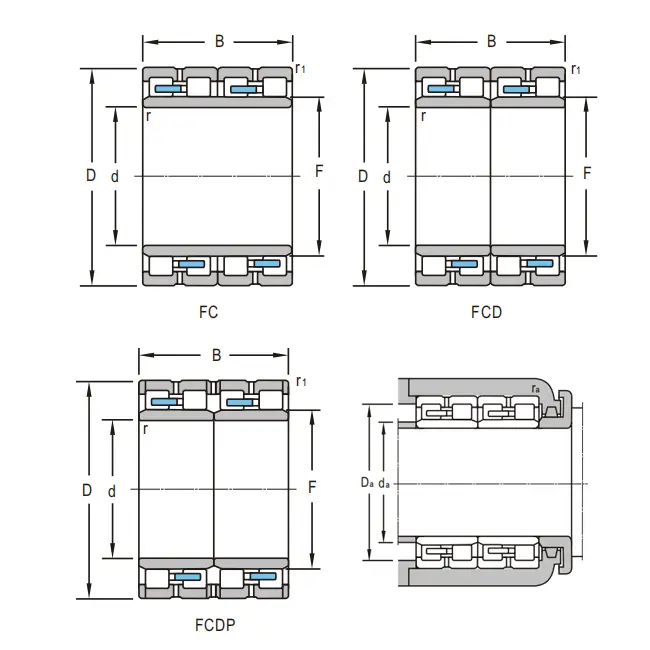
Spindle bearings are precision-engineered parts that hold up spinning shafts and keep their perfect accuracy under a wide range of operating situations. These mechanical parts make circular motion smooth by controlling both radial forces that act perpendicular to the shaft and axial loads that act parallel to the rotating axis.
Core Mechanical Functions and Load Management
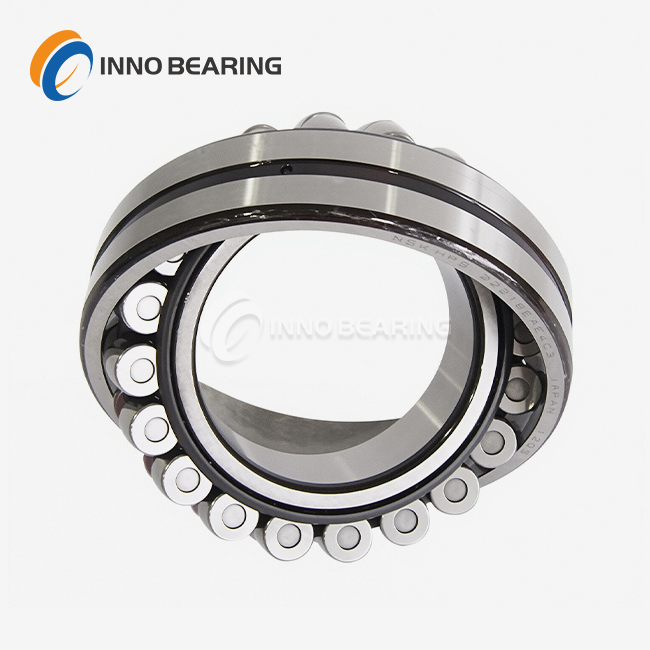
The fundamental working principle involves distributing loads through precisely manufactured rolling elements positioned between inner and outer rings. Modern spindle bearing designs incorporate advanced materials such as GCr15 alloy steel for rings and rollers, ensuring hardness levels between 60-64 HRC for optimal wear resistance. The cage assembly, constructed from stamped steel or brass materials, maintains proper spacing between rolling elements while enabling high-speed operation.
Load distribution patterns vary significantly based on bearing configuration and application requirements. Radial loads up to 450kN can be accommodated through optimized contact angles and race geometry, while axial capacity reaches 220kN in specialized designs. This dual-load capability proves essential in applications such as wind turbine main shafts and heavy machinery rotation systems.
Material Engineering and Precision Standards
Advanced metallurgical treatments improve the performance of bearings by using controlled heat treatment methods to make the hardness distribution more even. GCr15, GCr15SiMn, and 20Cr2Ni4A materials should be chosen based on the needs of the application. Each metal has its own benefits when it comes to fatigue strength and the temperature ranges it can be used in.
Precision scores describe how accurate measurements are and how well they work when rotating. Class P4 bearings can keep radial runout within 0.002mm tolerances, which makes them good for normal CNC applications. Ultra-precision P2 grade parts, on the other hand, can meet even stricter requirements for defense and aircraft applications that need to be very accurate.
Types of Spindle Bearings and Their Applications
There are different types of spindle bearing designs that meet the needs of different industries. By understanding these differences, you can make the best choice based on the type of work, the speed needs, and the surroundings.
Angular Contact Ball Bearings for High-Speed Applications
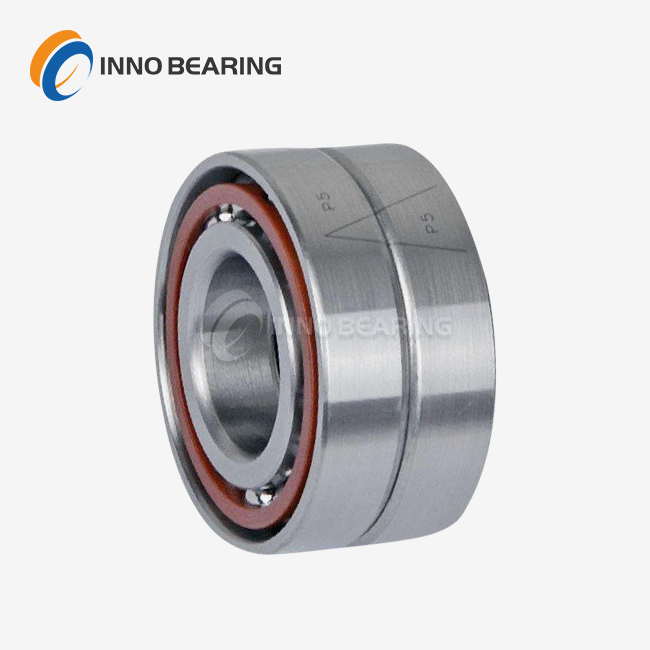
Angular contact ball spindle bearings are the most common type used in high-speed situations because they can handle both horizontal and axial loads and still rotate accurately. The contact angle design, which is usually between 15° and 40°, decides how the load is distributed and how fast the machine can go.
Double-row designs can hold more weight and are more stiff, which makes them good for machining center wheels and grinding jobs where deflection needs to be kept to a minimum. When installed correctly, single-row setups can hit speeds of over 10,000 rpm, which is a higher speed potential.
Separatable inner ring designs make upkeep and installation easier. This is especially helpful for big industrial equipment where replacing bearings needs little downtime. Tapered choices allow for shaft heat expansion while keeping the preload properties needed for precise uses.
Ceramic and Hybrid Bearing Technologies
Ceramic bearing elements work better in certain situations where they need to be able to handle very high speeds or hard conditions. Silicon nitride rolling elements are 40% less dense than steel, which lowers centrifugal forces at high rotating speeds and makes them very resistant to damage from electrical current.
Hybrid setups use both ceramic rolling elements and steel rings to get the best performance while also keeping costs low. These designs work great in places where there is electrical interference or where cleaning needs to be done more often. In places where the temperature changes, the thermal expansion properties of clay materials work well with steel rings.
A cost-benefit study shows that hybrid bearings are worth the initial investment because they last longer and need less upkeep. Industries like wind energy can benefit from ceramic technology in pitch control systems because it helps with electrical separation and resistance to rust.
Tapered Roller Bearings for Heavy-Load Applications
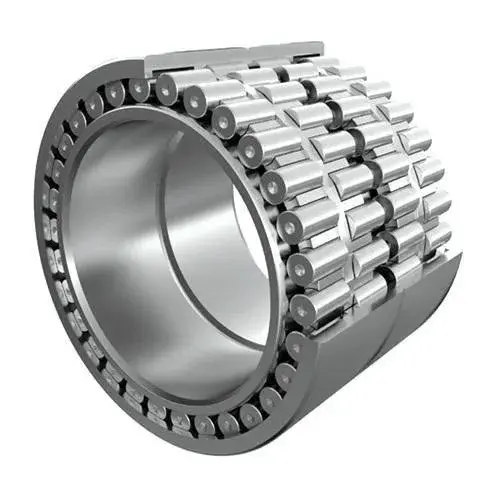
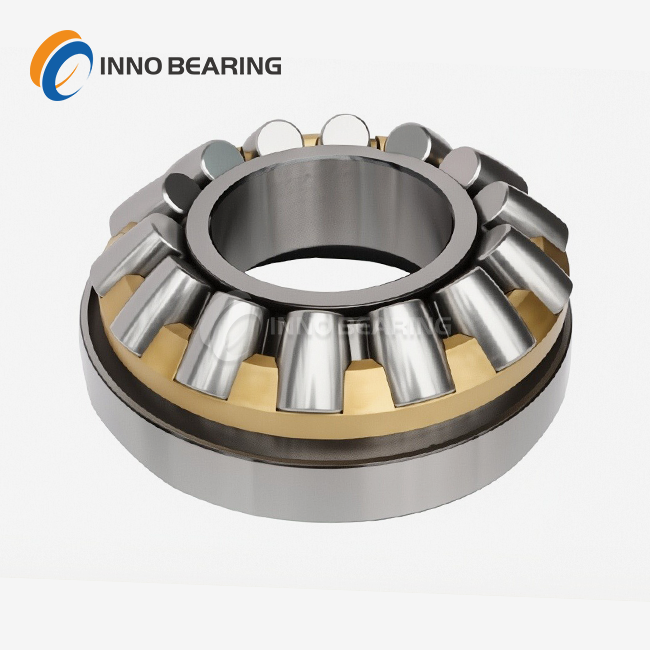
Tapered Roller Bearings can handle large horizontal and axial loads at the same time, which makes them perfect for use in mining equipment, metalworking equipment, and port infrastructure. The curved shape spreads the weight along a line instead of a point, which greatly increases the load capacity.
With inner sizes ranging from 20 to 500 mm and outer diameters up to 800 mm, the dimensional ranges can meet a wide range of application needs. With widths ranging from 14 to 200 mm, it is possible to find the best solution for any area or load spread needs.
Performance Factors and Maintenance Tips for Spindle Bearings
To get the best performance, you need to know the important things that affect how long a bearing lasts, how efficiently it works, and how reliable it is. Monitoring these factors allows for proactive repair plans that cut down on unexpected downtime and get the most out of the equipment.
Critical Performance Indicators and Monitoring
Radial runout readings give you quick information about the state of the spindle bearings and the quality of the installation. Specifications that need runout to be less than 0.002mm require precise fastening methods and regular checks using accurate measuring tools. Deviation from these limits could mean that there are problems with the balance or that the bearings are wearing out.
Noise levels during operation are useful for diagnosing problems, and when bearings are working properly, they keep noise levels below 45dB during regular operation. Increasing noise often comes before obvious signs of wear, so it's possible to take action before a major failure happens.
Temperature tracking shows how well the grease is working and how the load is being distributed. Bearing temperatures should stay stable within the limits of their design. Sudden rises in temperature could mean that the bearings aren't properly oiled or are under too much load, which needs quick attention.
Lubrication Strategies and Maintenance Protocols
Proper lubrication greatly increases the life of bearings while keeping their performance levels during repair intervals. For high-speed uses, you need special oils that can keep the film strong at working temperatures and stop it from separating due to rotational force.
The amount of time between relubrications depends on the working conditions. Heavy-load areas need more frequent attention than uses involving fine machinery. Condition-based monitoring using oil analysis gives accurate information for making repair plans that are based on real wear patterns instead of random time intervals.
How the bearings are stored affects their efficiency even before they are installed. Climate-controlled spaces keep wetness from getting into lubricants, and the right way to package them keeps them intact. Rotation during long periods of storage stops fake brinelling damage that can hurt performance in the future.
Predictive Maintenance and Failure Prevention
Vibration analysis and thermal imaging are two advanced tracking systems that find problems before they affect production plans. IoT-enabled monitors send data continuously, which lets you look at trends and model failures before they happen.
Some common reasons for failure are not enough lube, contamination, imbalance, and overloading. Each failure pattern leaves behind unique signs that can be found using the right tracking methods. When you understand these patterns, you can target treatments that get to the root reasons instead of just treating the symptoms.
How to Choose the Right Spindle Bearings for Your Business Needs?
To choose the right spindle bearings options, you have to weigh technical needs against business concerns while also looking at the supplier's skills and the availability of long-term assistance. This way of making decisions affects how well spindle bearings operations run, how much care costs, and how reliable production is.
OEM versus Aftermarket Procurement Strategies
Original equipment maker (OEM) specifications set the minimum standards for performance, but aftermarket options may have better features or be cheaper. To evaluate these choices, you need to know the important performance factors and the accepted levels of variation.
When looking at non-OEM sources, quality security becomes very important. Certifications like ISO 9001 and ISO/TS 16949 show that quality management systems are well-established. Material certifications check that metals have the right traits for solid performance.
Delivery times have a big effect on buying choices, especially when it comes to important tools where the costs of downtime are higher than the costs of bearing it. Suppliers who can ship common setups within 48 hours give businesses flexibility that they can't get through regular methods.
Supplier Evaluation and Technical Support
Leading global brands like SKF, NSK, FAG, Timken, NTN, KOYO, and Nachi, as well as specific sources like INNO Bearing, each have their own benefits when used in certain situations. Technical knowledge, manufacturing skills, quality systems, and assistance after the sale should all be part of the evaluation factors.
The terms of the warranty show that the maker is confident in the quality of the product and protect the buyer financially in case it breaks down too soon. A full warranty should cover things like material defects, problems with the way the product was made, and performance promises under certain working conditions.
For specialized uses that need custom solutions or help with installation, technical support becomes very important. Suppliers who give technical advice, on-site help, and training are more valuable than just supplying parts.
Cost-Performance Optimization Strategies
Compared to comparing the original buy price, lifecycle cost analysis gives more accurate procurement advice. Longer service life, less upkeep, and better reliability often make higher initial investments worth it because they lower the total cost of ownership.
Buying in bulk can lower unit costs and make sure that supplies are always available. But the benefits of a bulk price must be weighed against the costs of keeping inventory and the risk of items becoming obsolete.
Custom bearing solutions might improve performance for certain uses while lowering total system costs by making the system more efficient or making upkeep easier. To evaluate these chances, we need to work together closely with manufacturing teams and bearing experts.
Buying and Support: Where & How to Procure High-Quality Spindle Bearings
Supplier Credibility and Product Authentication
To check a supplier's trustworthiness, you need to look into their producing skills, quality certifications, and customer references. Companies that have been around for a while keep a lot of paperwork that shows they follow business norms and government rules.
When buying from dealers or online sites, it's important to make sure the products are real. Real goods have the right labels, paperwork, and systems for tracking that make it possible to check where they came from and make sure they meet quality standards.
Fake bearing parts come with a lot of risks, such as breaking down early, posing safety risks, and voiding warranties. Using verification steps and buying through official methods can help protect you from these risks and make sure you can get help from the maker.
Delivery and Installation Services
Lead times vary a lot depending on how complicated the product is and how well the supplier can handle it. Standard setups can usually be shipped within 48 hours, but unique solutions need between 15 and 20 days to be made and checked for quality. Knowing these dates helps with planning production and keeping track of supplies.
For optimal design performance, installation services make sure that the bearings are mounted correctly and that the pressure is set correctly. The tools and knowledge that professional installation teams need for precise building processes are unique.
With global operations, marketing can be done quickly and cheaply, with as few delays and costs as possible. Suppliers who offer DDP (Delivered Duty Paid) and DAP (Delivered at Place) terms make buying things from other countries easier and more predictable.
After-Sales Support and Service Agreements
Full after-sales support includes expert advice, help with fixing problems, and access to new parts. These services are helpful when setting up new technology, making sure it works at its best, and planning for upkeep.
Service agreements can help you plan your repair costs and give you priority access to expert support and replacement parts. Structured service plans usually include regular checks, keeping an eye on the state, and suggestions for preventative maintenance.
Maintenance workers can get the most out of bearings by learning the right way to handle, install, and maintain them through training programs. Training employees often pays off in a big way by making parts last longer and making the system more reliable.
Conclusion
Choosing and managing spindle bearings has a big effect on how well industrial equipment works, how much it costs to maintain, and how reliable it is in a wide range of situations. Knowing about the different kinds of bearings, how they work, and how to buy them lets you make smart choices that lower your total cost of ownership and improve business excellence. Because current bearing technologies are so complicated, you need to work with suppliers who have a lot of knowledge and can offer technical advice, quality control, and a wide range of support services. Using the right selection criteria, repair procedures, and provider partnerships can give you a long-term competitive edge by making your equipment more reliable and lowering your running costs.
FAQ
What spindle bearing types work best for high-speed CNC machining applications?
Most of the time, P4 precision grade Angular contact ball bearings work best for high-speed CNC uses. These bearings can handle speeds of more than 10,000 rpm and keep the radial runout below 0.002mm. For heavy cutting tasks, double-row setups offer better rigidity, while single-row layouts offer the most speed for finishing tasks.
How often should spindle bearings be relubricated?
When to re-grease depends on how the machine is being used, but on average, it should be done every 500 to 2000 hours. For high-speed uses, maintenance may need to be done more often, but for sealed bearing designs, the time between visits can be greatly increased. Monitoring the state of bearings through vibration analysis and temperature readings gives realistic advice on how to best lubricate them based on their real condition.
Can ceramic bearings handle heavy radial loads effectively?
Ceramic bearings are great for some tasks, but they might not be the best choice for rotational loads that are very heavy. Hybrid designs that use both ceramic rolling elements and steel rings can hold more weight than all-ceramic builds while still being faster and more resistant to rust. When figuring out a load capacity, it's important to look at both steady and dynamic needs, as well as the range of operating speeds.
Contact INNO Bearing for Expert Spindle Bearing Solutions
Precision-engineered spindle bearings from INNO Bearing can help your machinery work better. INNO Bearing is a trusted producer with more than 30 years of experience in heavy-duty industrial uses. Our technical specialists provide customized solutions ranging from standard CNC components to specialized designs for extreme environments. Contact our engineering team at sales@inno-bearing.com for competitive pricing, rapid delivery, and comprehensive technical support that ensures optimal bearing selection for your specific requirements.
References
Harris, Tedric A. "Rolling Bearing Analysis: Essential Concepts of Bearing Technology." Fifth Edition. CRC Press, 2006.
Hamrock, Bernard J. "Ball and Roller Bearing Engineering." McGraw-Hill Professional, 1983.
ISO 492:2014. "Rolling bearings - Radial bearings - Geometrical product specifications (GPS) and tolerance values." International Organization for Standardization.
Eschmann, Paul. "Ball and Roller Bearings: Theory, Design and Application." Third Edition. John Wiley & Sons, 1985.
ANSI/ABMA Standard 20-2017. "Radial Bearings of Ball, Cylindrical Roller and Spherical Roller Types - Metric Design." American Bearing Manufacturers Association.
Palmgren, Arvid. "Ball and Roller Bearing Engineering: Translated from the Swedish by Gunnar Palmgren and Bengt Ruley." SKF Industries Inc., 1959.

Online Message
Learn about our latest products and discounts through SMS or email