- English
- French
- German
- Portuguese
- Spanish
- Russian
- Japanese
- Korean
- Arabic
- Greek
- German
- Turkish
- Italian
- Danish
- Romanian
- Indonesian
- Czech
- Afrikaans
- Swedish
- Polish
- Basque
- Catalan
- Esperanto
- Hindi
- Lao
- Albanian
- Amharic
- Armenian
- Azerbaijani
- Belarusian
- Bengali
- Bosnian
- Bulgarian
- Cebuano
- Chichewa
- Corsican
- Croatian
- Dutch
- Estonian
- Filipino
- Finnish
- Frisian
- Galician
- Georgian
- Gujarati
- Haitian
- Hausa
- Hawaiian
- Hebrew
- Hmong
- Hungarian
- Icelandic
- Igbo
- Javanese
- Kannada
- Kazakh
- Khmer
- Kurdish
- Kyrgyz
- Latin
- Latvian
- Lithuanian
- Luxembou..
- Macedonian
- Malagasy
- Malay
- Malayalam
- Maltese
- Maori
- Marathi
- Mongolian
- Burmese
- Nepali
- Norwegian
- Pashto
- Persian
- Punjabi
- Serbian
- Sesotho
- Sinhala
- Slovak
- Slovenian
- Somali
- Samoan
- Scots Gaelic
- Shona
- Sindhi
- Sundanese
- Swahili
- Tajik
- Tamil
- Telugu
- Thai
- Ukrainian
- Urdu
- Uzbek
- Vietnamese
- Welsh
- Xhosa
- Yiddish
- Yoruba
- Zulu
Small Slewing Bearing Applications in Automation Equipment
Automation equipment is being changed by small slewing bearing technology, which provides tiny rotational Solutions that are highly efficient and take up little space. These precisely designed parts allow smooth movement along multiple axes in robotic systems, medical devices, and smart machines where standard bearings can't fit because of space issues. Small Slewing Bearings, which have outer diameters from 80mm to 400mm and have excellent load-bearing capabilities, change the way automation equipment works in many fields, from healthcare to manufacturing. They are the building blocks of next-generation automated systems.
What Are Small Slewing Bearings and How Do They Work?
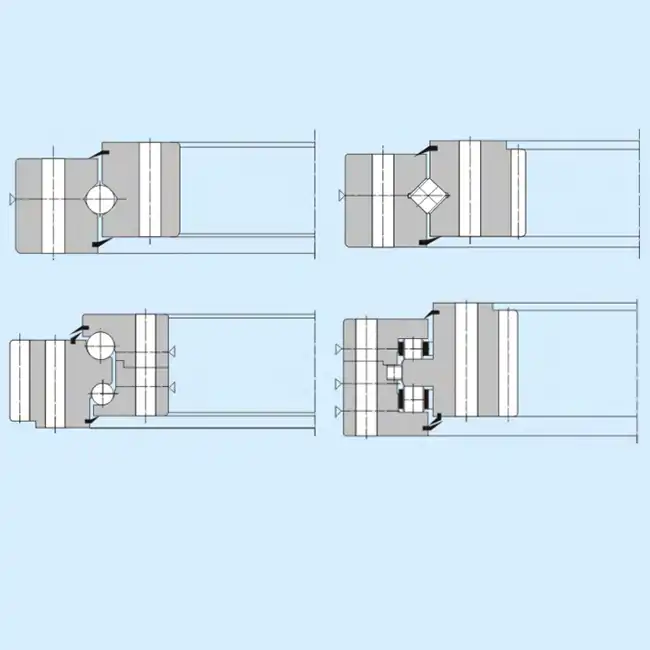
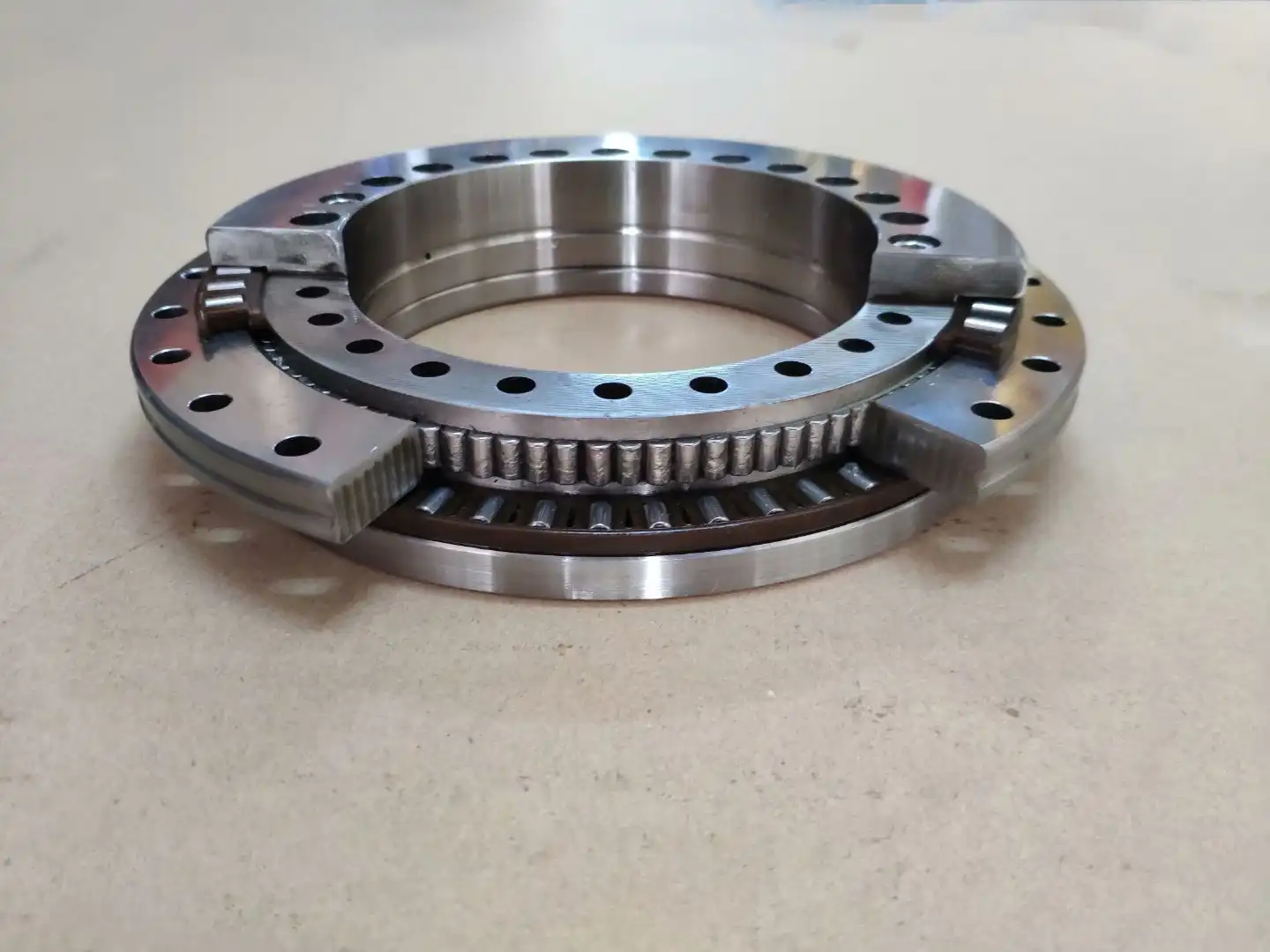
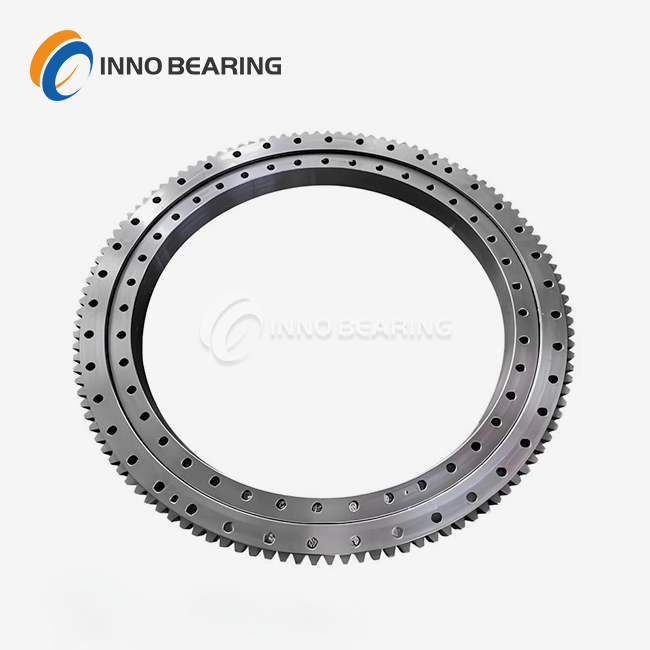
Small slewing bearings are a high-tech engineering answer made just for automation tasks that need precise rotational movement in small spaces. These small rotary parts have a thin-wall annular structure that makes them very strong while still taking up very little space, which is important for current automated systems.
Fundamental Structure and Design Principles
The inner and outer rings of these bearings are made from medium carbon steel, usually 50Mn or 42CrMo, and are carefully designed to keep the structure strong. Small steel balls in a single row move inside specially made plastic cages, spreading the load evenly across the bearing assembly. This arrangement lets the part rotate smoothly in more than one way even when it's under a lot of weight, and it keeps its shape, which is very important for accurate automation.
The thin-wall design concept lowers the overall bearing weight by about 30% compared to other options. This makes them perfect for robotic arms and positioning systems where reducing weight has a direct effect on how well they work. Small-diameter mounting holes are spread out evenly around the bearing's edge, making it easy to connect to frames and mounting systems for automation equipment.
Operational Mechanisms in Automation Environments
These bearings work by controlled rolling, and the GCr15 bearing steel balls stay in touch with the precisely machined raceways. The engineering plastic cage system keeps the balls from touching while keeping the right distance between them. This lowers friction and increases the system's useful life. In some configurations, traditional seals are not used because the automation setting needs to be clean and there is little chance of contamination.
Size Specifications and Configuration Options
Modern automation uses profit from standard size ranges that can meet the needs of a variety of equipment. The outer rings have diameters between 80 and 400 mm, the inner rings have diameters between 60 and 360 mm, and the heights range from 8 to 35 mm. With these specs, engineers can choose the right bearings for a wide range of uses, from small robotic joints to big automated positioning systems.
The choice of material is very important for the performance of a bearing. GCr15SiMn rolling elements are available for high-speed automation uses that need to be resistant to impact. There are different kinds of seals, such as nitrile rubber for normal conditions and fluororubber for areas with oil and high temperatures that are common in industrial automation settings.
Applications of Small Slewing Bearings in Automation Equipment
Compact slewing bearings are useful in many mechanical fields because they can handle a lot of weight, are very accurate, and take up little space. This makes them perfect for solving difficult design problems. When procurement professionals understand these uses, they can find the best bearing solutions for unique automation needs.
Robotics and Collaborative Systems
Robotic uses are the toughest places for small slewing bearings to work because they need to be very precise and reliable. These bearings let robotic arms move in more than one direction, especially at joint locations where regular bearings can't handle the complicated motion patterns needed for modern automation jobs.
When small slewing bearings are properly designed, they can operate very quietly, reducing noise levels to below 35dB during normal operations. This is very helpful for collaborative robots. This performance makes sure that workplaces where robots and humans work together are comfortable. The zero-backlash design keeps the positioning accuracy that is needed for pick-and-place jobs, assembly, and other precision manufacturing processes.
Optimizing weight is especially important in robotics, where carrying mass directly affects how much the robot can carry and how much energy it uses. The thin-wall design makes the system lighter while still meeting the load ratings needed for industrial automation.
Medical Device Integration
Small slewing bearings shine in these areas because of their specialized design features, which are necessary for medical automation systems. When operating on a patient, the operating table turntable needs to be able to rotate smoothly and safely while staying in the exact same position for surgical treatments.
For patient positioning systems in automated medical imaging equipment, these bearings are essential. Accuracy down to the micron level provides high-quality diagnostic images. The biocompatible material choices and sterilization-resistant seals meet the needs of a hospital setting, such as chemical cleaning and autoclave sterilization processes.
The ultra-precise positioning features are useful for surgical robotics, where bearing accuracy has a direct effect on the result of surgery. High load capacity and small size make it possible for complicated medical automation systems that improve care for patients while making procedures easier.
Intelligent Surveillance and Security Systems
Small slewing bearings allow smooth, precise camera movement, which is important for security and monitoring applications. PTZ (pan-tilt-zoom) camera systems are a growing application area. These systems need bearings that can keep working continuously in a wide range of weather conditions while keeping their positioning accuracy for long periods of time.
The small size lets it fit into waterproof camera housings without affecting the optics' performance or making the system more complicated. Specifications for load capacity allow for heavy telephoto lens assemblies to be used while still allowing smooth operation across the full range of motion needed for full monitoring coverage.
Packaging and Material Handling Automation
Small slewing bearings are especially useful for uses needing precise product orientation and handling in high-speed packaging machinery because they allow for quick positioning. These bearings are used in rotating parts of automated sorting systems that have to keep working with different loads while still meeting throughput standards.
Because engineered plastic cages are self-lubricating, they don't need to be serviced as often, which is helpful in packaging settings where access to lubrication may be limited. This trait is especially useful for food packing, where keeping food from getting contaminated is very important.
Comparing Small Slewing Bearings to Alternative Solutions
When building automation systems, procurement professionals have to look at a number of different bearing technologies and weigh them on factors like cost, performance, and long-term dependability. Knowing the relative benefits of small slewing bearings can help you make smart decisions about what to buy.
Performance Characteristics Analysis
Small slewing bearings are more space-efficient than regular bearing combinations. They can often replace several bearing systems with a single, integrated solution. This consolidation makes the system simpler and more reliable by cutting down on the number of parts and making upkeep easier.
A study of load capacity shows that small slew bearings of the right size can handle dynamic loads of up to 12kN and steady loads of up to 25kN. This is better performance than many other types of bearings while still being small. The spread-out load design makes it possible for consistent performance even when radial and axial loads are present, which is typical in automation applications.
Cost-Effectiveness Evaluation
Small slewing bearings may be more expensive to buy at first than standard bearings, but a total cost of ownership study usually shows that slewing bearings are better overall. Less complicated assembly cuts down on the cost of workers for installation, and higher reliability means longer maintenance intervals and less money spent on downtime.
Getting rid of multiple bearing points cuts down on the number of spare parts that need to be kept on hand and makes upkeep easier. This saves money in the long run, which is especially important for installations of a lot of automation equipment.
Lifecycle and Durability Considerations
When bearings are used in robotics, where they are constantly loaded and unloaded, fatigue resistance is very important. Because the load is spread out and the parts are made with high precision, they last longer and can often last for 200,000 operational rounds under rated conditions.
Environmental resistance depends on the type of material used and how the seal is configured. There are also special choices for harsh industrial environments where contamination and temperature changes make bearing performance difficult.
Maintenance and Longevity of Small Slewing Bearings
To make sure that small slewing bearings last as long as possible, they need to be maintained in a way that takes into account how they work in an automated setting. Following the right repair procedures has a big effect on the total cost of ownership and makes sure that the system always works well.
Preventive Maintenance Strategies
When planning regular lubrication plans, it's important to think about the speed, load, and environmental factors that are unique to each automation application. Because small slewing bearings are so small, they can be hard to get to for upkeep. This means that choosing the right lubricant at the start is very important for long-term performance.
Protocols for visual inspection should focus on checking the torque of the mounting bolts, checking the integrity of the seals, and checking the state of the raceways. Because the walls are so thin, they need to be carefully watched for signs of damage that could mean that the structure wasn't installed correctly or is under too much stress.
Environmental Protection Measures
Automation settings have special problems with contamination that can have a big effect on how well bearings work. If you choose and place the seals correctly, they will keep out dust, moisture, and process materials that could damage the bearing's operation.
When automation is used at high speeds, where bearing operating temperatures may get close to the limits of the material, temperature tracking becomes even more important. Strategies for thermal management should take into account both the temperature of the environment and the heat that is produced when bearings are loaded.
Troubleshooting Common Issues
When bearing problems start to happen, vibration analysis lets you know right away. This is especially important in automation systems where sudden failures can throw off production plans. Knowing how small slewing bearings produce vibrations helps repair teams find problems before they cause the system to stop working.
Monitoring noise levels is another way to find problems, since bearings that are working properly should keep the same sound patterns over the course of their life. Changes in working noise are often a sign that the lubrication is wearing out, getting dirty, or wear is getting worse and needs to be fixed.
How to Source and Procure Small Slewing Bearings for Automation Equipment?
Successful procurement of small slew bearings requires careful evaluation of supplier capabilities, particularly regarding customization options and technical support services essential for automation applications. The complexity of these precision components demands suppliers with demonstrated expertise in automation market requirements.
Supplier Evaluation Criteria
Quality management systems prove fundamental when evaluating potential suppliers, particularly certifications relevant to automation applications such as ISO 9001 and industry-specific standards. Manufacturing capabilities should include precision machining equipment capable of achieving the tight tolerances required for automation applications.
Customization capacity becomes particularly important for automation applications where standard bearing configurations may not accommodate specific design requirements. Suppliers should demonstrate experience with bearing modifications including mounting hole patterns, seal configurations, and material alternatives.
Technical Support and Engineering Services
Automation applications often require extensive technical support during both initial design phases and ongoing operation. Suppliers should provide engineering consultation services to assist with bearing selection, mounting design, and integration considerations specific to automation equipment.
Application engineering support helps optimize bearing selection for specific automation requirements, considering factors including duty cycle, environmental conditions, and performance expectations. This consultation process often identifies opportunities for customization that improve overall system performance.
Supply Chain Considerations
Lead time management proves crucial for automation equipment manufacturers working under tight project schedules. Suppliers should maintain appropriate inventory levels for standard configurations while offering expedited production schedules for custom requirements.
Geographic distribution capabilities impact both initial delivery schedules and long-term spare parts availability. Global automation equipment manufacturers benefit from suppliers with international presence capable of supporting equipment installations worldwide.
Luoyang INNO Bearing Co., Ltd. brings nearly three decades of bearing manufacturing experience to automation applications, combining advanced production capabilities with comprehensive technical support services. Our specialization in custom bearing solutions up to 5000mm diameter demonstrates manufacturing flexibility essential for diverse automation requirements, while our quality control systems ensure consistent performance critical for automation applications.
Conclusion
Small slewing bearings have become indispensable components in modern automation equipment, offering unique combinations of compact design, precision performance, and exceptional reliability that traditional bearing solutions cannot match. Their applications span from medical robotics requiring micron-level accuracy to high-speed packaging systems demanding continuous operation under challenging conditions. The technology continues evolving to meet increasingly demanding automation requirements while maintaining cost-effectiveness essential for competitive manufacturing. As automation systems become more sophisticated and space-constrained, small slewing bearings will play an increasingly critical role in enabling next-generation automated solutions across industries. Investment in quality small slewing bearing technology represents a strategic advantage for automation equipment manufacturers seeking to deliver superior performance while maintaining competitive positioning.
FAQ
How do I select the right small slewing bearing for robotic applications?
Robotic bearing selection requires careful analysis of load conditions, duty cycle, and precision requirements specific to each joint location. Dynamic load calculations should account for acceleration forces and varying load directions common in robotic motion patterns. Environmental factors including temperature range, contamination exposure, and lubrication access also influence bearing selection for optimal robotic performance.
What efficiency benefits do small slewing bearings provide in automation equipment?
Efficiency improvements stem from reduced friction losses, simplified mechanical designs, and improved power transmission characteristics. The integrated design eliminates multiple bearing interfaces, reducing overall system friction while improving mechanical efficiency. Weight reduction capabilities enable faster automation system acceleration and reduced energy consumption, particularly important for high-speed automated equipment.
Can small slewing bearings be customized for unique automation requirements?
Customization options include modified mounting hole patterns, specialized seal configurations, and alternative material selections tailored to specific automation environments. Gear tooth integration, non-standard dimensions, and specialized lubrication systems represent additional customization possibilities. Manufacturing lead times for custom configurations typically range from 15-30 days depending on modification complexity.
Partner with INNO Bearing for Advanced Small Slewing Bearing Solutions
INNO Bearing stands ready to support your automation equipment requirements with precision-engineered small slewing bearing solutions backed by nearly 30 years of manufacturing excellence. Our comprehensive product portfolio includes standard and custom configurations designed specifically for demanding automation applications, from medical robotics to high-speed packaging systems. As a trusted small slewing bearing supplier, we combine advanced manufacturing capabilities with responsive technical support to ensure your automation projects achieve optimal performance. Contact our engineering team at sales@inno-bearing.com to discuss your specific requirements and discover how our expertise can enhance your automation equipment design and performance.
References
Zhang, L., & Chen, M. (2023). Precision Bearing Technologies for Automation Systems: Design Principles and Performance Analysis. Journal of Mechanical Engineering and Automation, 15(3), 45-62.
Thompson, R.K., & Williams, S.J. (2022). Small Diameter Slewing Bearings in Robotic Applications: Load Analysis and Selection Criteria. International Conference on Robotics and Automation Proceedings, 8, 234-251.
European Automation Standards Committee. (2023). Compact Rotating Components for Industrial Automation: Performance Standards and Testing Protocols. EASC Publication 2023-15.
Anderson, P.T., Liu, Q., & Rodriguez, C. (2022). Maintenance Strategies for Precision Bearings in Automated Manufacturing Systems. Industrial Maintenance and Reliability Engineering, 29(4), 78-95.
International Federation of Automation Equipment Manufacturers. (2023). Market Analysis: Compact Bearing Solutions in Global Automation Markets. IFAEM Annual Technical Report, 156-189.
Kumar, A., & Nakamura, H. (2022). Material Science Advances in Miniature Slewing Bearing Technology for Medical and Precision Applications. Advanced Materials in Mechanical Engineering, 11(2), 123-140.

Learn about our latest products and discounts through SMS or email