- English
- French
- German
- Portuguese
- Spanish
- Russian
- Japanese
- Korean
- Arabic
- Greek
- German
- Turkish
- Italian
- Danish
- Romanian
- Indonesian
- Czech
- Afrikaans
- Swedish
- Polish
- Basque
- Catalan
- Esperanto
- Hindi
- Lao
- Albanian
- Amharic
- Armenian
- Azerbaijani
- Belarusian
- Bengali
- Bosnian
- Bulgarian
- Cebuano
- Chichewa
- Corsican
- Croatian
- Dutch
- Estonian
- Filipino
- Finnish
- Frisian
- Galician
- Georgian
- Gujarati
- Haitian
- Hausa
- Hawaiian
- Hebrew
- Hmong
- Hungarian
- Icelandic
- Igbo
- Javanese
- Kannada
- Kazakh
- Khmer
- Kurdish
- Kyrgyz
- Latin
- Latvian
- Lithuanian
- Luxembou..
- Macedonian
- Malagasy
- Malay
- Malayalam
- Maltese
- Maori
- Marathi
- Mongolian
- Burmese
- Nepali
- Norwegian
- Pashto
- Persian
- Punjabi
- Serbian
- Sesotho
- Sinhala
- Slovak
- Slovenian
- Somali
- Samoan
- Scots Gaelic
- Shona
- Sindhi
- Sundanese
- Swahili
- Tajik
- Tamil
- Telugu
- Thai
- Ukrainian
- Urdu
- Uzbek
- Vietnamese
- Welsh
- Xhosa
- Yiddish
- Yoruba
- Zulu
How to Reduce Wear in Spherical Roller Bearings?
You need to do a lot of things, like pick the right materials, grease and install Spherical roller bearings correctly, to keep them from wearing out too quickly. These self-aligning bearings have spherical raceways and double-row roller structures that fix misaligned shafts automatically. They can still hold a lot of weight. For example, using advanced sealing technologies, predictive maintenance protocols, and keeping the environment clean can help bearings last up to 40% longer in heavy machinery, wind turbines, and other tough industrial settings.
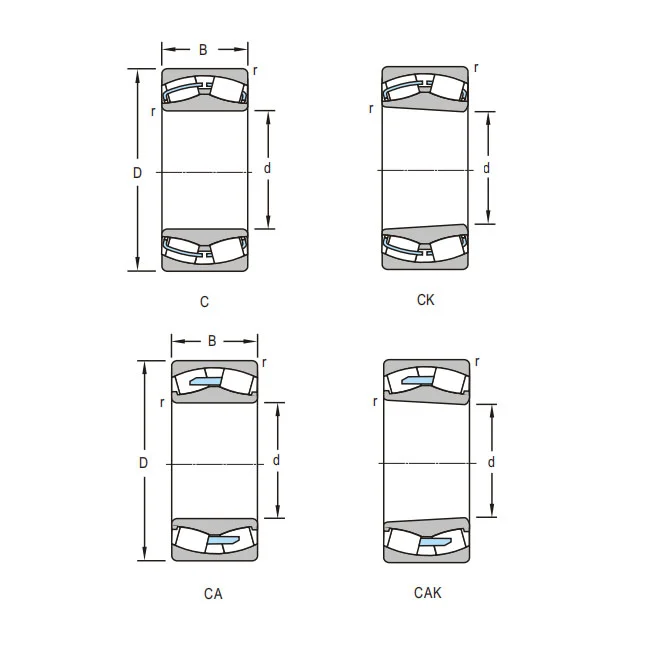
Understanding Wear in Spherical Roller Bearings
You can see how self-aligning roller bearings wear in clear patterns that are linked to how they are used and taken care of. Abrasive wear happens when tiny bits of dirt or dust get into bearing surfaces and leave tiny scratches. Over time, this wears down the shape of the rolling element. Fatigue wear happens when loads are applied in cycles. This is especially true for bearings that are stressed over and over again at levels higher than their designed capacity.
Primary Wear Mechanisms
Most of the time, mechanical fatigue is the type of wear that happens in factories. Most of the damage is done to the inner ring's spherical raceway, which is where stress builds up the most under direct load. The double-row roller design spreads the load over many contact points. However, the surface wears down faster if it isn't properly oiled or is dirty. When chemicals, water, or changes in temperature weaken the GCr15 bearing steel's mechanical properties, this is called corrosive wear.
Procurement professionals can choose the right bearing materials and safety measures if they know these patterns of wear and tear. When it comes to wear, the cage is made of stamped steel or brass. In marine settings, brass cages are better at keeping out corrosion, but steel cages are stronger for high-speed work.
Impact on Industrial Operations
The speed of wear has a direct impact on how well measurements are made and how loads are spread across roller elements. The bearing can't self-align as well when it wears out quickly, so operators have to make up for it by scheduling more maintenance checks. The long-term cost of ownership goes up because of unplanned downtime, emergency repairs, and lost productivity caused by this chain reaction of damage.
Key Principles to Minimize Wear in Spherical Roller Bearings
Strategies that work to cut down on wear are based on material optimization. Modern metalworking is used to make spherical roller bearings. When it comes to heavy loads, 42CrMo steel is better at not wearing out than other materials. The precise manufacturing process makes sure that the levels of accuracy are P0 and P6. This lowers the amount of internal clearances that make wear patterns not match up.
Advanced Lubrication Strategies
Putting grease on something for spherical roller bearing isn't the only way to fix it. It also involves picking the right lubricant based on the machine's temperature ranges and load patterns. Chemical lubricants don't work as well in harsh conditions because they lose their viscosity more quickly and don't stay thick from -20°C to +150°C. When you use advanced sealing technologies, you keep dirt out and the lubricant's integrity over long service cycles.
These rules for lubrication become even more important when the inner diameter is more than 200 mm, because tapered hole configurations need different ways to be mounted. The 1:12 tapered hole design makes it easier to mount the shaft securely and lets the shaft expand and contract with the temperature without putting unnecessary stress on it.
Installation Protocol Excellence
If you follow the right steps during installation, you can avoid alignment-related wear, which is what causes about 30% of bearings to fail before they should. Because the outer ring raceway is spherical, it can be out of alignment by up to 2 degrees. But if the misalignment is too big when it's being put in, the load will be spread out unevenly. If you use the right mounting tools and follow the torque specs, you can get the best contact geometry between the rollers and the raceways.
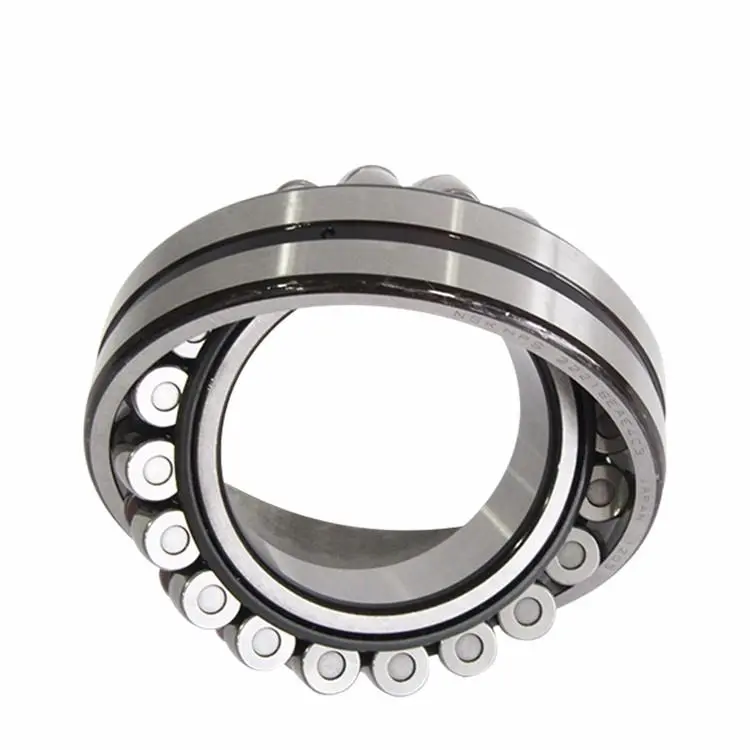
Comparing Solutions: Traditional vs Modern Wear Reduction Methods
Traditionally, maintenance included a lot of lubrication and visual checks. However, these methods often missed signs of wear until they did a lot of damage. People who oiled things by hand often added dirt or not enough oil, which sped up the wear process in important situations.
Modern Technological Advances
Internet of Things (IoT)-enabled condition monitoring systems constantly record vibration patterns, changes in temperature, and sound emissions as new ways to reduce wear and tear. These smart monitoring systems tell maintenance workers in real time how healthy the bearings are, so they can fix problems before they get worse. If you put advanced ceramic coatings on roller surfaces, they lower the coefficients of friction and make them very resistant to corrosion in harsh conditions.
These technological benefits can be seen in a wind energy application where ceramic-enhanced spherical roller bearing and synthetic lubrication pushed service intervals from 6 months to 18 months. Putting money into high-quality bearings cut down on maintenance costs by 35% and made turbines more available when they were making the most energy.
Integration Benefits
When modern Solutions are used regularly in bearing situations, they work better together. When you use advanced lubricants, high-performance materials, and predictive monitoring together, your equipment is more likely to work well. Because it takes a lot of time and special tools to replace bearings in heavy machinery, these integrated approaches are very useful.
Selecting the Best Spherical Roller Bearings to Reduce Wear
Lots of things need to be thought about in order to pick the right bearing for the job. These include the radial load capacity, the operating speed, and the conditions in the work area. Because they come in sizes from 20 mm to 1000 mm, they can be used in a lot of different industrial settings. Heavy machinery can also have sizes made just for them, up to ±5000mm.
Material and Design Considerations
What's used to make spherical roller bearing has a big impact on how long they last and how well they hold up against wear. GCr15 bearing steel is very hard and doesn't wear down easily when used in normal ways. In places where it gets very hot, special heat treatments make it work better. You can choose between open and sealed configurations based on how dirty the area is and how easy it is to keep up.
Versions that are sealed have advanced elastomer seals that keep the lubrication in place and keep particles out. Wear rates go up faster in mining and construction because of abrasive contaminants. This is where these designs come in handy. It is better to use open configurations when lubrication needs to be checked often or when certain types of lubricant are needed.
Procurement Strategies
People need to weigh the short-term costs against the long-term benefits when they decide what to buy from a business. Longer warranties and technical support services from high-end bearing makers lower the total cost of ownership by making maintenance plans work better. If you need something made just for you, lead times are very important because engineering advice and making prototypes can add time to delivery times.
Standards for the industry, like API 610, and quality certifications, like ISO 9001, for spherical roller bearing make sure that the products are always made the same way and work well. These certifications are very important when used in regulated fields where failures could hurt safety or environmental rules.
Practical Tips to Extend the Lifespan of Your Spherical Roller Bearings
The first step to good maintenance is to set up regular inspection schedules that use a variety of diagnostic tools to check the condition of bearings. It checks the temperature to see where the lubrication is failing or where there is too much load. It also checks the vibrations for early signs of wear before the damage is visible. These proactive steps stop small issues from getting worse and turning into costly failures.
Environmental Control Measures
Controlling the environment where the bearings are used can make them last a lot longer. If you use good contamination barriers, abrasive particles won't be able to get into bearing assemblies. Also, keeping operating temperatures stable will reduce thermal stress cycling. It is very important to keep humidity under control in places where water speeds up the corrosion process.
Because of how it's made, the double-rib outer ring prevents axial movement and keeps the structure's integrity under different loads. Knowing about these parts of the design helps maintenance teams put bearings in place and run them in the best way possible so they work well.
Common Maintenance Mistakes
If you don't handle precision-manufactured surfaces the wrong way during installation, they won't get damaged. When you use the right mounting tools, the installation forces are spread out evenly across the bearing parts. This keeps stress from building up and pushing them to failure too soon. As long as you follow the manufacturer's torque recommendations, you'll get the right preload without adding any harmful stresses that would speed up the wear process.
When you check the lubrication often, you can avoid using too much or too little, both of which are bad for the bearings' performance. The best way to protect equipment and keep maintenance costs low is to base lubricant change schedules on actual operating conditions instead of making them up on the spot.
Conclusion
When installing spherical roller bearings, it's important to use the right materials, do it right, and make sure to do regular maintenance. Because they are built to last and can self-align, these bearings work very well when they are used as directed and kept in good shape. The new technologies we have now, like ceramic coatings, synthetic lubricants, and predictive monitoring systems, are much better than the old ones. To do the job right, you need to know what the application needs and pick the right bearing configurations that balance cost and performance over the product's lifetime.
FAQ
What causes premature wear in self-aligning roller bearings?
Most of the time, early wear is caused by not enough lubrication, contamination, bad installation, or conditions of use that are too high for the design parameters. When the bearing is misaligned beyond its self-compensating range, the load is spread out unevenly, which wears down the surface more quickly.
How often should lubrication be performed to prevent wear?
It depends on the load, speed, temperature, and level of dirt in the environment how much lubrication is needed. For heavy-duty uses, you might need to grease something every three to six months. In controlled environments, it is possible to go twelve to eighteen months without lubricating something.
What are the key indicators of bearing wear progression?
Vibrations that get worse, operating temperatures that rise, strange noises, and visible lubricant contamination are all early signs of wear. These changes can be found early on by monitoring systems that are very good at what they do.
How do environmental factors affect bearing wear rates?
The wear process is sped up a lot by being in extreme temperatures, being wet, and airborne contaminants. You can lessen these effects by sealing well, keeping the environment under control, and picking the right materials.
Partner with INNO Bearing for Superior Spherical Roller Bearing Solutions
When your industrial operations demand exceptional reliability and extended service life, INNO Bearing delivers engineered solutions that exceed expectations. Our three decades of manufacturing expertise in spherical roller bearing technology provides the foundation for customized solutions spanning from standard applications to one-of-a-kind φ5000mm styles. Get in touch with our technical team at sales@inno-bearing.com to talk about your needs and find out how our cutting-edge bearing designs can help you run your business more smoothly and save you money on maintenance costs. You can count on us to deliver your spherical roller bearings quickly, give you full technical support, and make your most important applications run better.
References
Harris, T.A. & Kotzalas, M.N. "Advanced Concepts of Bearing Technology: Rolling Bearing Analysis." CRC Press, Fifth Edition.
Palmgren, A. "Ball and Roller Bearing Engineering." SKF Industries Incorporated, Technical Manual.
International Organization for Standardization. "ISO 281:2007 Rolling Bearings - Dynamic Load Ratings and Rating Life."
American Society of Mechanical Engineers. "ASME Standards for Industrial Bearing Applications in Heavy Machinery."
Jones, A.B. "A General Theory for Elastically Constrained Ball and Radial Roller Bearings Under Arbitrary Load and Speed Conditions." Journal of Basic Engineering.
Lundberg, G. & Palmgren, A. "Dynamic Capacity of Rolling Bearings." Acta Polytechnica Mechanical Engineering Series, Royal Swedish Academy of Engineering Sciences.

Learn about our latest products and discounts through SMS or email