- English
- French
- German
- Portuguese
- Spanish
- Russian
- Japanese
- Korean
- Arabic
- Greek
- German
- Turkish
- Italian
- Danish
- Romanian
- Indonesian
- Czech
- Afrikaans
- Swedish
- Polish
- Basque
- Catalan
- Esperanto
- Hindi
- Lao
- Albanian
- Amharic
- Armenian
- Azerbaijani
- Belarusian
- Bengali
- Bosnian
- Bulgarian
- Cebuano
- Chichewa
- Corsican
- Croatian
- Dutch
- Estonian
- Filipino
- Finnish
- Frisian
- Galician
- Georgian
- Gujarati
- Haitian
- Hausa
- Hawaiian
- Hebrew
- Hmong
- Hungarian
- Icelandic
- Igbo
- Javanese
- Kannada
- Kazakh
- Khmer
- Kurdish
- Kyrgyz
- Latin
- Latvian
- Lithuanian
- Luxembou..
- Macedonian
- Malagasy
- Malay
- Malayalam
- Maltese
- Maori
- Marathi
- Mongolian
- Burmese
- Nepali
- Norwegian
- Pashto
- Persian
- Punjabi
- Serbian
- Sesotho
- Sinhala
- Slovak
- Slovenian
- Somali
- Samoan
- Scots Gaelic
- Shona
- Sindhi
- Sundanese
- Swahili
- Tajik
- Tamil
- Telugu
- Thai
- Ukrainian
- Urdu
- Uzbek
- Vietnamese
- Welsh
- Xhosa
- Yiddish
- Yoruba
- Zulu
Spindle Bearing Selection Guide for Machine Tool Builders
Selecting the right spindle bearings for machine tool applications requires comprehensive understanding of precision requirements, operating conditions, and performance specifications. These critical components directly impact machining accuracy, surface finish quality, and overall equipment reliability. Modern machine tool builders face increasing demands for higher speeds, improved precision, and extended operational life, making proper bearing selection essential for competitive manufacturing operations and long-term profitability.
Understanding Spindle Bearings: Types and Functions
Specialized bearing systems keep machine tool spindles turning accurately even when they are carrying a lot of different loads. These precise parts have to work in tough conditions where even tiny changes can hurt the quality of the product and slow down the manufacturing process.
Angular Contact Ball Bearings for High-Speed Applications
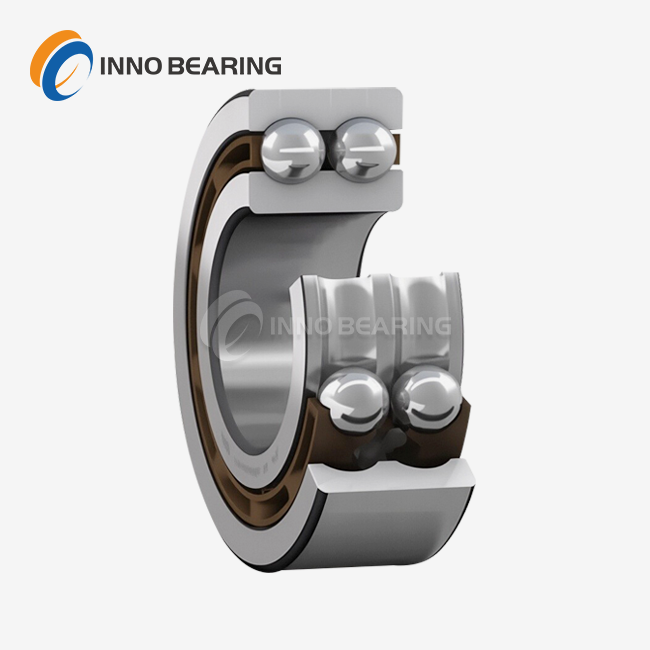
Angular contact ball bearings are the most common type of spindle bearing for machine tools, especially high-speed machining centers and precision lathes. The best contact angles for these bearings are usually 15° or 25°, which lets them handle both radial and axial loads at the same time. The contact angle determines how much weight the bearing can hold and how fast it can move.
Precision-ground raceways and high-grade steel balls are used in the design to keep the dimensions stable when the temperature rises. Modern angular contact bearings can handle very high speeds; some designs can reach DN values higher than 1 million (bearing bore diameter in millimeters ÷ rotational speed in RPM).
Ceramic Hybrid Technology for Enhanced Performance
Ceramic hybrid bearings have a lot of benefits in tough situations because they use both steel rings and silicon nitride ceramic balls. When compared to steel balls, the ceramic balls lower centrifugal forces by about 40%. This lets the machine spin faster while producing less heat. This technology is especially useful for machining centers that go faster than 15,000 RPM.
Ceramic balls are lighter and don't need as much lubrication because they have a lower density. Ceramic elements also keep electrical discharge machining (EDM) damage from happening in modern CNC systems because they are electrically insulating.
Cylindrical Roller Bearings for Heavy-Duty Operations
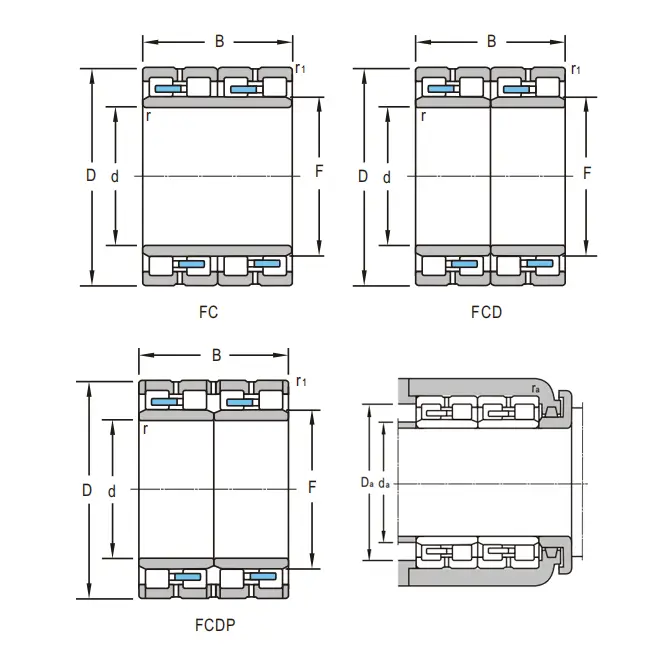
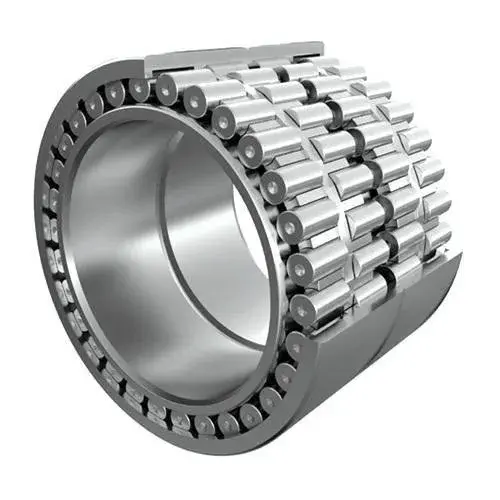
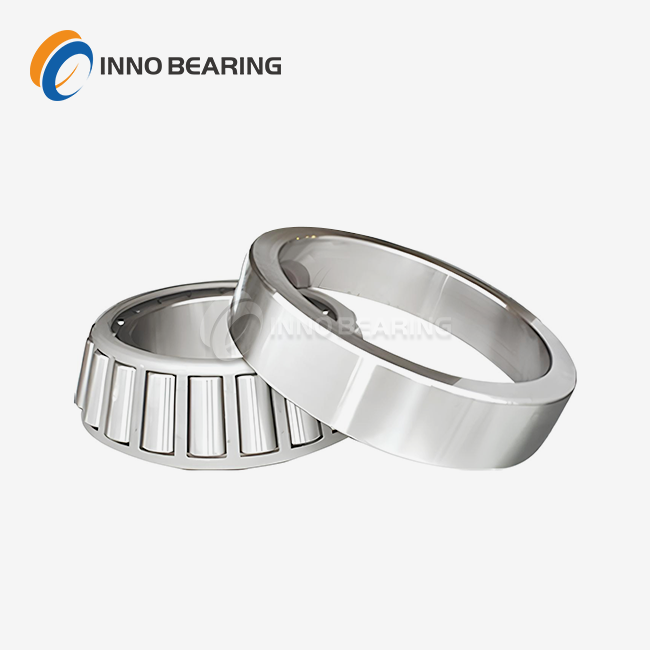
Cylindrical roller bearings are often used in heavy-duty machine tools like heavy-duty lathes and large boring mills because they can handle more radial load. These bearings work great in situations where cutting forces create large radial loads but small axial forces.
Compared to ball bearings, the roller design in spindle bearings spreads loads over a larger contact area. This makes it possible to handle higher loads and make the structure more rigid. Modern cylindrical roller bearings use advanced cage designs that keep the rollers in place while reducing friction and heat production.
Key Selection Criteria for Spindle Bearings in Machine Tools
To choose the right bearing, you need to carefully look at the operating conditions and the needs of the application. Builders of machine tools have to look at a lot of different factors to make sure that the tools work well and reliably for as long as they are used.
Speed and Load Specifications
Operating speed is an important selection factor that has a direct effect on the design of the bearing and the materials that are used. For high-speed uses, bearings need to have the right internal geometry, the latest lubrication systems, and materials that can handle centrifugal forces. According to well-known engineering rules, the relationship between speed and load carrying capacity is that higher speeds usually need lower load ratings.
When doing a load analysis, you have to look at both static and moving conditions. These include cutting forces, the weight of the workpiece, and inertial loads that happen when the machine speeds up and slows down. Peak loads during interrupted cutting operations can be much higher than steady-state conditions. This means that the right safety factors must be taken into account when choosing bearings.
Precision Requirements and Tolerance Classes
For machine tool uses, precision classes for bearings range from P5 (ABEC-5) for general machining to P2 (ABEC-9) for very precise work. Higher precision classes make it easier to turn parts accurately, lower vibration, and improve the quality of the surface finish.
The choice of precision class has a direct effect on the cost of the bearing. For example, P2 bearings usually cost three to four times more than P5 bearings of the same type. But the investment usually pays off because the quality of the parts gets better, there is less waste, and the company is better positioned in markets for precision manufacturing.
Environmental Considerations
Some of the problems that come up in machine tool environments are coolant exposure, metal chip contamination, and changes in temperature. When bearings are sealed, they keep out dirt and other things that could damage them, but the friction between the seals may limit how fast they can go. Open bearings can handle higher speeds better, but they need external sealing systems and ways to keep contaminants out.
Temperature issues become very important in situations where there is a lot of speed or heat production. Bearing materials and lubrication systems need to be able to work with a wide range of temperatures while still staying stable in terms of size and performance.
Comparative Analysis of Spindle Bearing Options
By knowing how different spindle bearings technologies work and how much they cost, you can make smart choices about which ones to use. Each type of bearing has its own pros and cons that must be taken into account when choosing one for a given application.
Steel Versus Ceramic Bearing Technologies
For rings and rolling elements, traditional steel spindle bearings use high-carbon chromium steel, which is usually AISI 52100. This tried-and-true material is great for most machine tool uses because it is resistant to fatigue, stable in size, and cheap. Steel bearings work well in applications with moderate speeds and are reliable in a lot of different conditions.
Although they are more expensive, ceramic hybrid bearings offer big performance gains in tough situations. Ceramic balls can go 30–50% faster while making 30–50% less heat because they are lighter. Silicon nitride's better resistance to wear makes bearings last longer in dirty environments. This lowers the frequency of maintenance and replacement, which makes up for the higher initial costs.
Sealed Versus Open Bearing Configurations
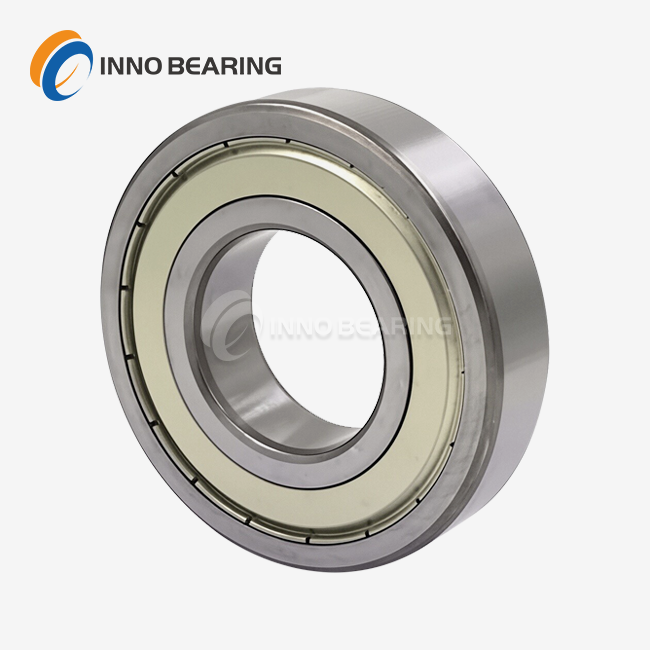
Designs for sealed bearings have built-in sealing elements that keep the lubrication in and keep the internal parts safe from dirt and other contaminants. These configurations work well in situations where sealing from the outside is hard or where contamination levels stay high. But seal friction limits the fastest speed that can be reached and may shorten the life of bearings in high-speed situations.
Open bearing designs need sealing systems on the outside, but they can move faster and remove heat better. These designs work great for high-performance uses where systems that stop contamination can keep the working environment clean. The lack of internal sealing friction lets the engine go as fast as it can while also making it easier for lubrication systems to get rid of heat.
Leading Manufacturer Comparisons
When it comes to product range, technical support, and availability in different regions, global bearing manufacturers have clear advantages. European companies like SKF and FAG put a lot of emphasis on precision and new ideas. They are often the first to market with ultra-precision applications and new materials. Japanese companies like NSK, NTN, and Nachi focus on making sure their products are consistent and cost-effective while still meeting high quality standards.
In North America, American companies like Timken offer strong technical support and quick delivery. Total cost of ownership and operational reliability are affected by the different features, warranty terms, and service options offered by each manufacturer.
Maintenance, Troubleshooting, and Lifecycle Optimization
Systematic maintenance and proactive monitoring systems are needed to get the most out of spindle bearings performance and service life. By following the right maintenance steps, you can increase the life of bearings by 200 to 300 percent and lower the costs of unplanned downtime.
Lubrication Management Systems
The most important thing for bearing performance and longevity is good lubrication management. Grease lubrication works well for moderate-speed tasks and is very resistant to contamination. Oil lubrication is necessary for high-speed tasks that need to get rid of heat and have precise control over the lubrication.
Modern lubrication systems have automated delivery and monitoring systems that make sure the right amount and quality of lubricant is used. Oil-air lubrication systems deliver the right amount of lubricant while reducing heat and churning losses in high-speed situations.
Condition Monitoring and Predictive Maintenance
Predictive maintenance strategies that stop unexpected failures and get the most out of maintenance intervals are made possible by advanced condition monitoring systems. Vibration analysis finds problems with bearings early on, and temperature monitoring finds problems with lubrication and too much load.
Modern monitoring systems use a lot of different kinds of sensors, like accelerometers, temperature sensors, and acoustic emission detectors. These systems tell you in real time how good a bearing is and how much life it still has, which helps you plan maintenance better and keep track of your inventory better.
Common Failure Modes and Prevention Strategies
Understanding the most common ways that bearings fail lets you take preventative steps and make them more reliable. If you use bearings correctly, they will wear out over time due to fatigue, but if you don't seal and filter them properly, contamination can cause them to fail early.
A big part of premature bearing failures is caused by problems during installation. To meet the design life expectations, it is important to use the right mounting methods, make sure the parts are aligned correctly, and adjust the preload correctly. Training programs for maintenance staff can cut down on failures caused by installations while also making the system more reliable overall.
Procurement and Supplier Guidance for Machine Tool Builders
Strategic procurement practices for spindle bearings make sure that there is a steady supply of bearings while lowering the total cost of ownership. Having good relationships with suppliers helps with things like technical support, managing inventory, and quick service, all of which make operations run more smoothly.
Supplier Evaluation and Selection
A full evaluation of a supplier looks at their technical skills, quality systems, delivery performance, and stability over the long term. Authorized distributors offer support from the manufacturer, warranty assistance, and technical knowledge that is useful throughout the lifecycle of the product.
The skills of regional suppliers affect how quickly goods are delivered, how much stock is available, and how quickly service is provided. Local distributors can help with emergencies more quickly and for less money, while global suppliers have more products and more technical support.
Inventory Management and Lead Time Optimization
Strategic inventory management balances carrying costs against stockout risks and production delays. Critical spindle bearings may warrant safety stock policies to ensure rapid replacement capability, while standard bearings can utilize just-in-time delivery strategies.
Changes in lead times affect how much inventory is needed and how operations are planned. Setting up framework agreements with several suppliers gives you peace of mind about your supply while allowing you to get competitive prices through volume commitments and preferred pricing arrangements.
Quality Assurance and Documentation Requirements
Full quality documentation makes sure that problems can be tracked back to their source and supports warranty claims when they happen. Material certifications, dimensional inspection reports, and performance test data give you peace of mind about the quality of the bearing and that it meets all the requirements.
Quality agreements should spell out what needs to be inspected, how to document things correctly, and how to take corrective action. Regular audits of suppliers make sure that quality standards are being met and look for ways to improve things that are good for both parties.
Conclusion
To choose the best spindle bearings, you need to look at the speed needs, load conditions, precision requirements, and environmental factors that are unique to each machine tool application. Choosing between steel and ceramic technologies, sealed or open configurations, and different precision classes has a big effect on both the cost of the initial investment and the cost of running the machine in the long term. For implementation to go well, it needs to be set up correctly, maintained regularly, and have strong supplier relationships that guarantee reliable performance for the whole lifecycle of the equipment. When machine tool builders put money into careful bearing selection and strong maintenance plans, their manufacturing operations are more productive, the quality of their products is better, and the total cost of ownership goes down.
FAQ
What precision class should I specify for high-speed machining centers?
For general use, high-speed machining centers need P4 (ABEC-7) precision class bearings. P2 (ABEC-9) bearings are only used for ultra-precision tasks that need a very smooth surface finish. The higher precision classes offer more accurate rotation and less vibration transfer to the workpieces.
How do ceramic hybrid bearings compare to steel bearings in terms of cost and performance?
Ceramic hybrid bearings are about three to four times more expensive than steel equivalents, but they can handle 30 to 50 percent higher speeds, produce less heat, and last longer in dirty environments. In high-speed situations, the investment usually pays off because it increases productivity and lowers the need for maintenance.
What lubrication method works best for machine tool spindle bearings?
For moderate speeds up to 10,000 RPM, grease lubrication works fine, but oil lubrication is needed for faster speeds. When it comes to high-speed applications, oil-air lubrication systems work best because they deliver exact amounts of lubricant while reducing churning losses and heat production.
How can I prevent premature bearing failure in machine tool applications?
Most early failures can be avoided by following the right installation steps, making sure the parts are aligned correctly, adjusting the preload correctly, and keeping contaminants under control. Monitoring the condition on a regular basis through vibration analysis and temperature readings allows for predictive maintenance that greatly increases the life of bearings.
What documentation should I require from bearing suppliers?
Full quality documentation makes sure that problems can be tracked back to their source and supports warranty claims when they happen. Material certifications, dimensional inspection reports, and performance test data give you peace of mind about the quality of the bearing and that it meets all the requirements.
Partner with INNO Bearing for Premium Spindle Bearing Solutions
INNO Bearing makes the best spindle bearings in the business. These bearings are designed to be precise, reliable, and last a long time in tough machine tool environments. Our wide range of products includes inner diameters from 20mm to 500mm and precision classes up to P2 standards. This means that we can provide the best Solutions for high-speed CNC centers, grinding machines, and precision lathes. We have been making things for almost 30 years and have advanced quality control systems that can meet ≤0.002mm radial runout requirements. This means we can give your operations the technical excellence they need. Get in touch with our engineering team at sales@inno-bearing.com to talk about your needs and find out why top machine tool builders trust INNO Bearing to make spindle bearings that work in the most demanding situations.
References
Harris, Tedric A. and Michael N. Kotzalas. "Essential Concepts of Bearing Technology: Rolling Bearing Analysis, Fifth Edition." CRC Press, 2006.
Weck, Manfred and Christian Brecher. "Machine Tools 4: Automation of Machine Tools and Manufacturing Systems." Springer Science & Business Media, 2010.
ISO 492:2014. "Rolling bearings - Radial bearings - Geometrical product specifications (GPS) and tolerance values." International Organization for Standardization.
ANSI/ABMA Standard 20-1996. "Radial Bearings of Ball, Cylindrical Roller and Spherical Roller Types - Metric Design." American Bearing Manufacturers Association.
Lynagh, N., H. Rahnejat, M. Ebrahimi, and R. Aini. "Bearing induced vibration in precision high speed routing spindles." International Journal of Machine Tools and Manufacture 40, no. 4 (2000): 561-577.
Abele, Eberhard, Yusuf Altintas, and Christian Brecher. "Machine tool spindle units." CIRP Annals - Manufacturing Technology 59, no. 2 (2010): 781-802.

Learn about our latest products and discounts through SMS or email