- English
- French
- German
- Portuguese
- Spanish
- Russian
- Japanese
- Korean
- Arabic
- Greek
- German
- Turkish
- Italian
- Danish
- Romanian
- Indonesian
- Czech
- Afrikaans
- Swedish
- Polish
- Basque
- Catalan
- Esperanto
- Hindi
- Lao
- Albanian
- Amharic
- Armenian
- Azerbaijani
- Belarusian
- Bengali
- Bosnian
- Bulgarian
- Cebuano
- Chichewa
- Corsican
- Croatian
- Dutch
- Estonian
- Filipino
- Finnish
- Frisian
- Galician
- Georgian
- Gujarati
- Haitian
- Hausa
- Hawaiian
- Hebrew
- Hmong
- Hungarian
- Icelandic
- Igbo
- Javanese
- Kannada
- Kazakh
- Khmer
- Kurdish
- Kyrgyz
- Latin
- Latvian
- Lithuanian
- Luxembou..
- Macedonian
- Malagasy
- Malay
- Malayalam
- Maltese
- Maori
- Marathi
- Mongolian
- Burmese
- Nepali
- Norwegian
- Pashto
- Persian
- Punjabi
- Serbian
- Sesotho
- Sinhala
- Slovak
- Slovenian
- Somali
- Samoan
- Scots Gaelic
- Shona
- Sindhi
- Sundanese
- Swahili
- Tajik
- Tamil
- Telugu
- Thai
- Ukrainian
- Urdu
- Uzbek
- Vietnamese
- Welsh
- Xhosa
- Yiddish
- Yoruba
- Zulu
Jib Crane Bearing Maintenance Best Practices
One of the most important things that determines working efficiency and safety in industrial lifting uses is the proper maintenance of jib crane bearings. If you are in charge of wind farms, big machinery operations, or mining sites, knowing how to maintain these important parts will have a direct effect on your bottom line. A jib crane bearing that is well taken care of can work effectively for years. On the other hand, units that aren't taken care of cause expensive downtime and safety risks that no facility manager wants to deal with.
Understanding Jib Crane Bearings and Their Maintenance Essentials
Jib crane bearings are what make rotational movement possible in crane systems. They make it possible to move loads smoothly in a wide range of industry settings. These carefully designed parts have to be able to handle huge loads while still being accurate and dependable in tough conditions. Because these systems are so complicated, both procurement workers and support teams need to have a deep understanding of them.
Types and Construction of Industrial Crane Bearings
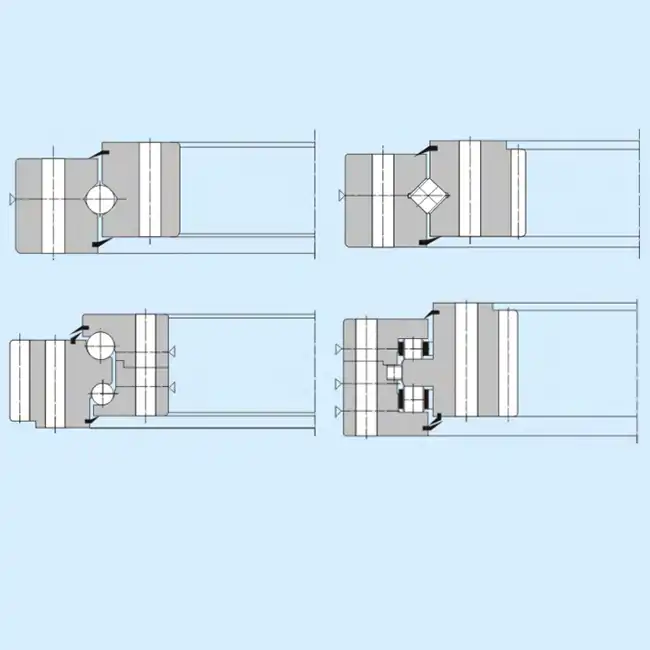
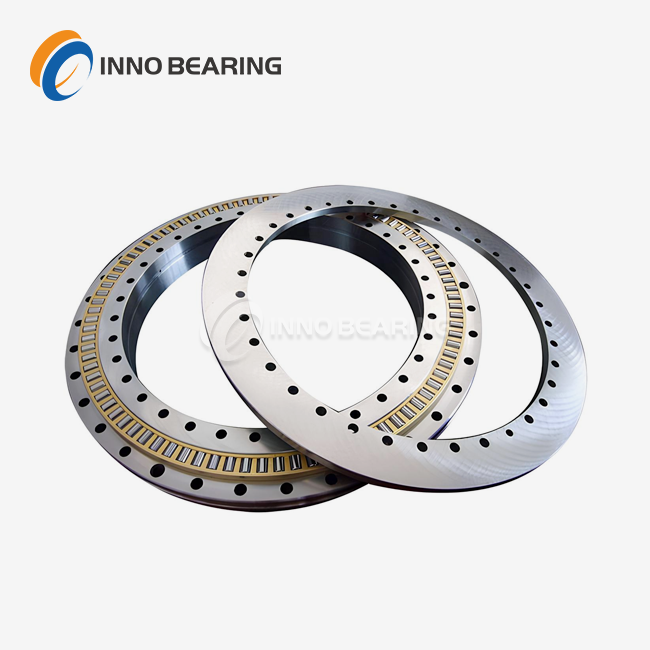
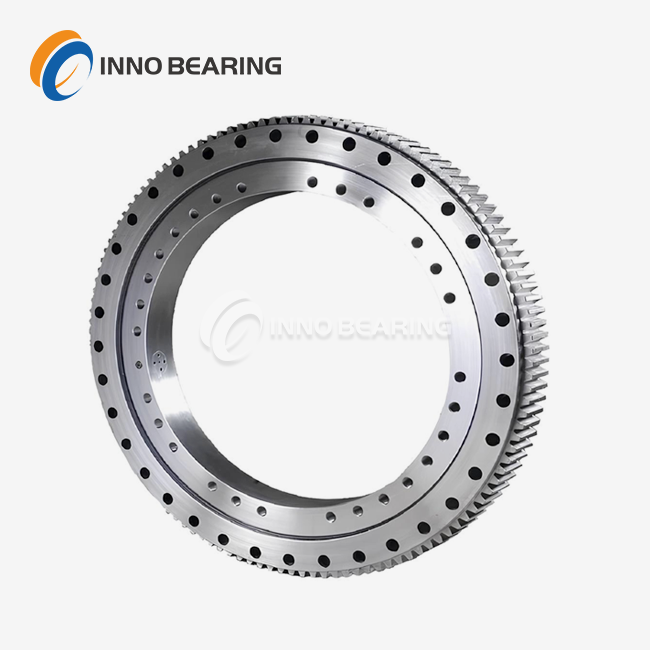
Modern crane bearing systems come in a number of different shapes and sizes, based on the needs of the application. For jib cranes, slewing ring bearings are the most popular choice. They have built-in raceways that can handle radial, axial, and moment loads all at the same time. Usually, these units are made of high-quality steel metals that have been heated in special ways to make them as hard and resistant to wear as possible.
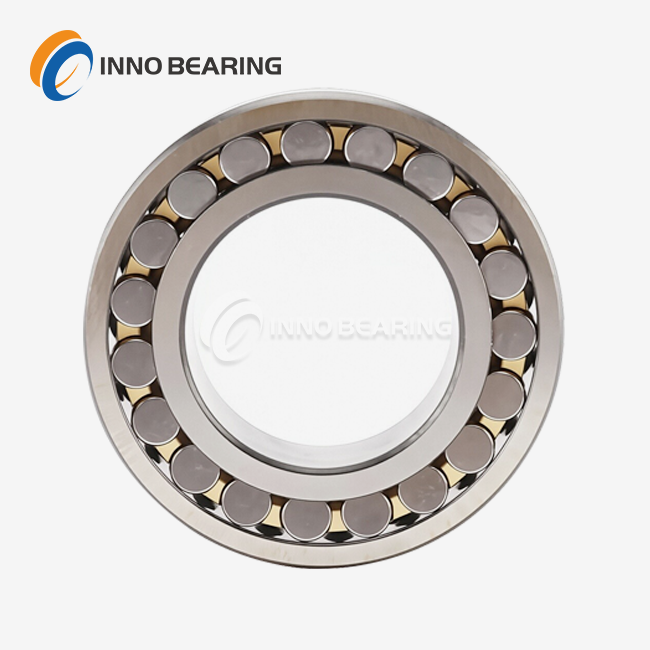
Standard ball and roller bearings are also very important in systems that support other systems and processes. Choosing between sealed and open bearing setups has a big effect on how much upkeep is needed and how much it costs to run. Sealed bearings are better at keeping out dirt and debris, but they may not be able to get rid of heat as well as open designs. Open designs are better at cooling, but they need to be serviced more often.
Environmental Factors Affecting Bearing Performance
Operating factors have a big effect on how bearings wear and how often they need to be serviced. Changes in temperature, exposure to wetness, and amounts of contamination all affect how quickly something breaks down. Constant shaking and exposure to the weather are problems that only come up in wind energy uses. Mining operations, on the other hand, have to deal with rough particles and heavy shock loads.
Knowing about these natural stresses helps repair teams come up with specific ways to protect things. To get the most out of a bearing's service life and keep surprising breakdowns to a minimum, the right seals must be chosen, the right amount of oil must be used, and the right inspection procedures must be followed.
Identifying and Addressing Common Issues with Jib Crane Bearings
By spotting early warning signs, you can avoid catastrophic Jib crane bearing failures that can stop business for weeks. Professionals in maintenance need to come up with organized ways to check the health of bearings and take appropriate steps before problems get worse.
Primary Failure Modes and Root Causes
About 80% of early bearing problems in industrial settings are caused by a lack of lubrication. Metal-on-metal contact quickly destroys bearing surfaces when there isn't enough grease, the grease is dirty, or the wrong lube is used. Monitoring the temperature shows oil problems before they become obvious.
The stability of bearings is also seriously threatened by contamination. Exposure to dust, water, and chemicals can get through closing systems and speed up the wear process. Salt rust is an extra problem for factories near the coast, and mine operations have to deal with abrasive particles getting in.
If there are problems with balance during installation or operation, the load is spread out unevenly across the bearing parts. This situation creates too much stress, which causes fatigue failure before it's supposed to happen. These expensive problems can be avoided by making sure the line is correct during fitting and checking on a regular basis.
Proactive Maintenance Strategies
Regular inspections and condition-based tracking are both important parts of maintenance plans that work well. Thermal imaging finds lubrication problems and burning situations, while vibration research finds problems before they get too bad. With these diagnostic tools, maintenance teams can plan changes for planned breaks instead of having to fix problems as they happen.
Controlling contamination greatly increases the service life of bearings. Using filtered lubrication systems, using the right sealing systems, and keeping the work area clean during repair tasks are all ways to keep dangerous particles and wetness out of bearings.
Step-by-Step Guide to Jib Crane Bearing Maintenance and Installation
Professional installation and upkeep methods make sure that the bearing works at its best for the entire service life. Common construction mistakes that hurt safety and dependability can be avoided by following the manufacturer's instructions and best practices in the industry.
Pre-Installation Verification and Planning
A close study of the bearing's details makes sure that it meets the needs of the application. Static and dynamic forces, such as wind loads, working stresses, and safety factors, must be taken into account in load estimates. Dimensional checking stops problems during fitting that could damage costly parts.
How bearings are stored and handled keeps them clean and safe from damage before they are installed. Clean, climate-controlled spaces keep surfaces from rusting and absorbing water, which can hurt performance. Deformation can be avoided during handling operations by using the right pulling methods and special tools.
Installation Best Practices
Correct positioning during installation stops wear before it's due and makes sure the system works smoothly. Precision measuring tools make sure that the mounting area is flat and centered within the limits set by the maker. With hydraulic fitting tools, you can control the installation forces so that you don't damage the Jib crane bearings.
The first choice of lubricant is based on the working temperature range, the load, and the surroundings. In most situations, high-quality lithium complex greases work very well. However, in harsh conditions, you may need a different kind of lubrication. Using the right amount of fill stops over-lubrication, which can lead to overheating and damage to the seal.
Ongoing Maintenance Protocols
When to do regular inspections depends on how hard the job is and what the weather is like. For example, critical applications may need to be checked every month, while normal processes usually only need to be checked every three months. Consistent documentation keeps track of trends in bearing state and helps with choices about preventative maintenance.
Lubrication plans match the need to keep things clean with the need to avoid creating too much heat. Automatic lubrication systems give grease consistently and cut down on the amount of work that needs to be done for upkeep. Monitoring the temperature while cleaning is being done finds problems before they get too bad.
Comparing Jib Crane Bearings: How to Choose the Best for Your Application
To choose the right bearing options, you need to carefully look at their performance, dependability, and total cost of ownership. Different makers take different methods to design problems, which means that optimization can be done based on the needs of the product.
Performance Characteristics and Load Ratings
All operating forces, such as radial loads, thrust loads, and toppling moments, must be taken into account in load capacity requirements. Dynamic load ratings tell you how long something is expected to last under different load situations, while static load ratings tell you the most weight that can be put on something when it's not moving. By understanding these factors, you can make accurate predictions about the service life and plan for repair.
The level of accuracy needed for different tasks varies a lot. Controlling the pitch of blades in wind energy systems needs to be very accurate, but limits may be less strict in general industry settings. The cost and function of a bearing are directly affected by its accuracy class.
Manufacturer Comparisons and Selection Criteria
Quality approval standards give concrete measures of how well and consistently something is made. Along with industry-specific approvals, ISO recognition shows a dedication to quality control and ongoing growth. These approvals are especially important for mission-critical systems that could fail badly.
The total cost of ownership is affected by the provision of service support, which includes help with upkeep and technical advice. Companies that give thorough training, help with fixing problems, and field service are worth more than just the money you paid for their products.
Best Practices for Procuring and Maintaining Jib Crane Bearings in Bulk
When you use strategic procurement methods, you can cut costs while still making sure that important maintenance tasks have reliable supply lines. Bulk buying plans can save you a lot of money, but you have to be very careful when planning how to balance the cost of inventory with the needs of your business.
Supplier Evaluation and Partnership Development
Supplier dependability includes how well they deliver, how consistent their quality is, and how well they can help with technology issues. By forming relationships with Jib crane bearing experts, you can get access to technical knowledge and Solutions that are made just for your needs. When dealing with difficult maintenance issues or coming up with unique ideas, these partnerships are very helpful.
Shipping prices and emergency supplies are affected by how close two places are to each other. Local wholesalers can respond faster to pressing needs, but they might not have as much in stock. International sellers offer a wider range of products at low prices, but normal orders take longer to arrive.
Inventory Management and Cost Optimization
Coordinating maintenance schedules with purchase activities cuts down on the cost of keeping inventory and makes sure that parts are always available. Predictive maintenance systems allow planned repair of bearings, which makes it easier to buy in bulk. Coordinating the needs of various facilities leads to economies of scale for certain types of bearings.
Warranty coverage and return policies protect you from broken goods and mistakes in the specifications. Knowing the terms of the guarantee and how to file a claim helps avoid arguments and makes sure that problems are fixed properly when they happen. For important uses that are worth the extra cost, some providers offer extended warranty plans.
Conclusion
For jib crane bearing repair to work well, you need to know a lot about practical needs, how to set up systematic monitoring systems, and how to buy things in a smart way. The tips in this guide show you how to get the most out of your bearings while keeping repair costs low. Success rests on using tried-and-true methods consistently and making improvements all the time based on practical experience. When properly kept, modern bearing technologies offer very high reliability, supporting operational excellence in a wide range of industrial uses.
FAQ
How often should jib crane bearings be inspected?
How often you inspect relies on how the program is used and how important it is. In normal workplace settings, inspections are needed every three months, but in harsh service situations, they may need to be done every month. Continuous tracking technologies that give real-time state assessments are often helpful for important applications that support safety systems or high-value operations.
What are the warning signs that indicate bearing replacement is needed?
Several signs show that a bearing is about to fail and need quick care. Noise patterns that aren't normal, like grinding or screaming, could mean that the parts aren't properly oiled or that the surface is damaged. When there is too much shaking, it means that there is internal wear or imbalance. Often, catastrophic failures happen before temperatures rise above usual working ranges. If you look closely, you might see grease stains, broken seals, or wear patterns that show you need to replace the part.
Should bearing maintenance be performed in-house or by specialists?
Whether to use internal maintenance or specialized services relies on how complicated the problem is, how much knowledge is available, and how much it costs. Most of the time, trained maintenance staff with the right tools can do simple checks and routine greasing. Expertise is usually needed for complicated setups, precise alignments, and major fixes to make sure the right steps are taken and the best results are achieved.
Partner with INNO Bearing for Superior Jib Crane Bearing Solutions
INNO Bearing offers the best bearing options in the business, backed by almost 30 years of manufacturing quality and technical know-how. Because we only sell big, non-standard bearings with diameters up to φ5000mm, we are the best company to buy jib crane bearings from for tough industrial uses. Our full expert help and quick delivery make sure that your projects stay on track, whether you need custom solutions for wind energy systems, heavy machinery, or mining operations. Get in touch with our knowledgeable staff at sales@inno-bearing.com to talk about your unique needs and find out how our precision-engineered bearings can improve your working performance while lowering your maintenance costs.
References
American Society of Mechanical Engineers. "Guidelines for Industrial Bearing Installation and Maintenance Practices." ASME Standards Publication, 2023.
International Organization for Standardization. "Rolling Bearings - Dynamic Load Ratings and Rating Life." ISO 281:2023 Technical Specification.
National Institute for Occupational Safety and Health. "Criteria for Industrial Crane Safety and Maintenance Protocols." NIOSH Publication Series, 2022.
Society of Manufacturing Engineers. "Bearing Technology Handbook for Heavy Industrial Applications." SME Technical Reference Guide, 2023.
Wind Power Engineering Association. "Best Practices for Wind Turbine Bearing Maintenance and Procurement." WPEA Industry Guidelines, 2023.
Crane Manufacturers Association of America. "Technical Standards for Crane Bearing Systems and Maintenance Requirements." CMAA Specification No. 70, 2022.

Learn about our latest products and discounts through SMS or email