- English
- French
- German
- Portuguese
- Spanish
- Russian
- Japanese
- Korean
- Arabic
- Greek
- German
- Turkish
- Italian
- Danish
- Romanian
- Indonesian
- Czech
- Afrikaans
- Swedish
- Polish
- Basque
- Catalan
- Esperanto
- Hindi
- Lao
- Albanian
- Amharic
- Armenian
- Azerbaijani
- Belarusian
- Bengali
- Bosnian
- Bulgarian
- Cebuano
- Chichewa
- Corsican
- Croatian
- Dutch
- Estonian
- Filipino
- Finnish
- Frisian
- Galician
- Georgian
- Gujarati
- Haitian
- Hausa
- Hawaiian
- Hebrew
- Hmong
- Hungarian
- Icelandic
- Igbo
- Javanese
- Kannada
- Kazakh
- Khmer
- Kurdish
- Kyrgyz
- Latin
- Latvian
- Lithuanian
- Luxembou..
- Macedonian
- Malagasy
- Malay
- Malayalam
- Maltese
- Maori
- Marathi
- Mongolian
- Burmese
- Nepali
- Norwegian
- Pashto
- Persian
- Punjabi
- Serbian
- Sesotho
- Sinhala
- Slovak
- Slovenian
- Somali
- Samoan
- Scots Gaelic
- Shona
- Sindhi
- Sundanese
- Swahili
- Tajik
- Tamil
- Telugu
- Thai
- Ukrainian
- Urdu
- Uzbek
- Vietnamese
- Welsh
- Xhosa
- Yiddish
- Yoruba
- Zulu
Industrial Applications Where Thrust Bearings Excel
A lot of different types of industrial machinery depend on specialized parts that can handle certain loads and keep the machine running smoothly. Thrust bearings are important mechanical parts that are designed to handle axial loads, which are forces acting parallel to the axis of rotation, and make it easy for machine parts to move around in a circle. Specialized bearings like these work great in places where regular radial bearings can't handle the different directional forces that happen during operation, like in wind turbines, heavy construction equipment, mining, and precise aerospace systems.
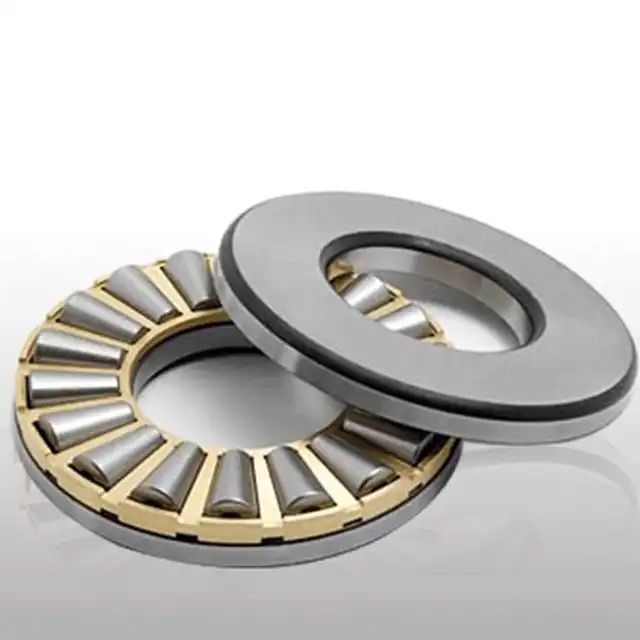
Understanding Thrust Bearings and Their Industrial Relevance
The basic ideas behind thrust bearings are to spread out the load and reduce friction. They are made to handle axial forces that would otherwise make machinery less effective. In contrast to radial bearings, which handle forces that are not parallel to the shaft, these parts stop the shaft from drifting and can handle high axial stress in gearboxes, pumps, and vertical shaft applications.
Fundamental Working Principles
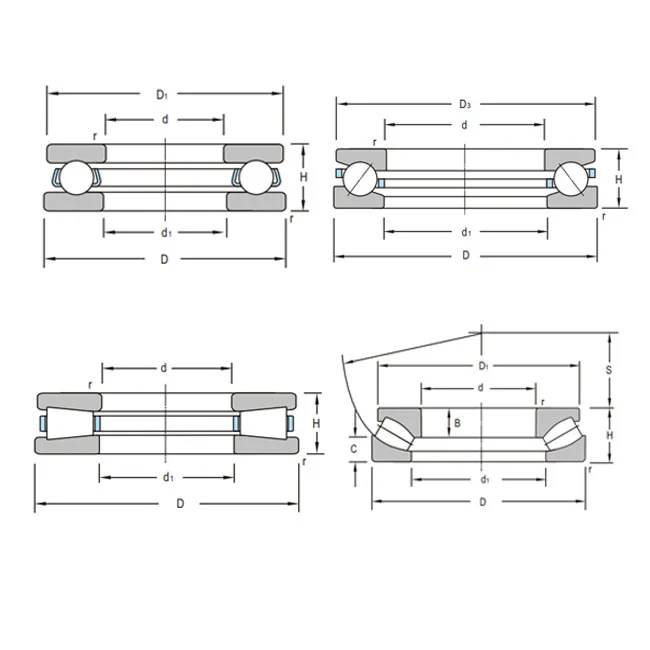
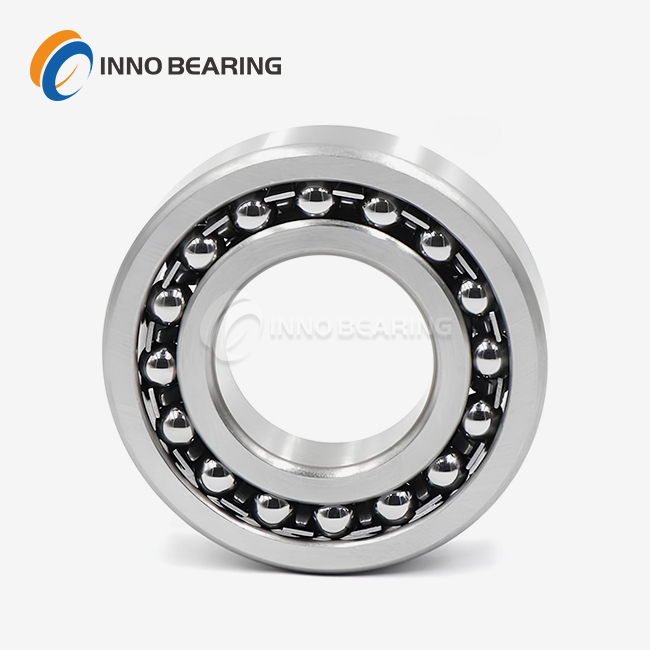
When axial load bearings are used, they work well because they can spread forces across carefully designed contact surfaces. For heavy-duty uses, roller thrust bearings use cylindrical or tapered rolling elements, while ball thrust bearings use spherical rolling elements that allow for smooth rotation under moderate axial loads. The cage structure keeps the right distance between the rolling elements, which evens out the load and keeps metal from touching metal, which could cause it to wear out faster than it should.
Types and Design Variations
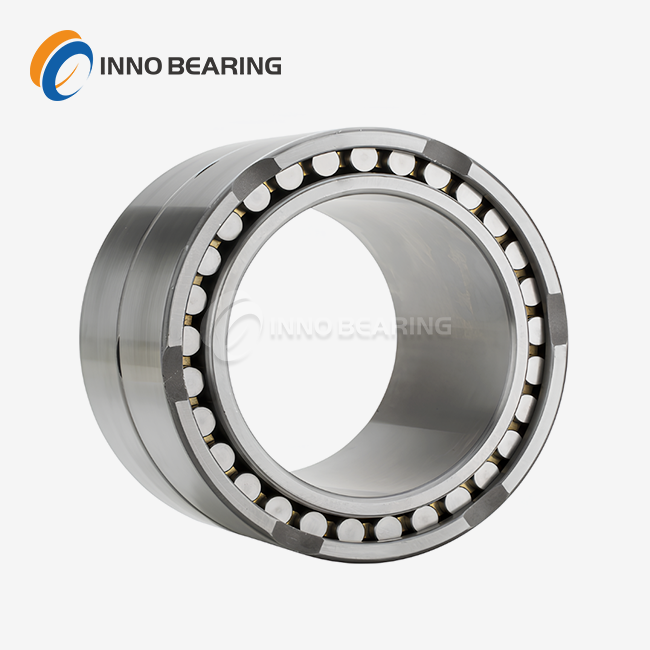
The manufacturing requirements for these parts are very different depending on what they are used for. Because they have less friction, ball-type configurations work best in high-speed, moderate-load situations. Roller versions can handle much heavier loads but still work well at slower rotational speeds. Tapered roller designs can handle both axial and radial loads at the same time, which makes them very useful in machinery assemblies that are very complicated.
Material Selection and Performance Impact
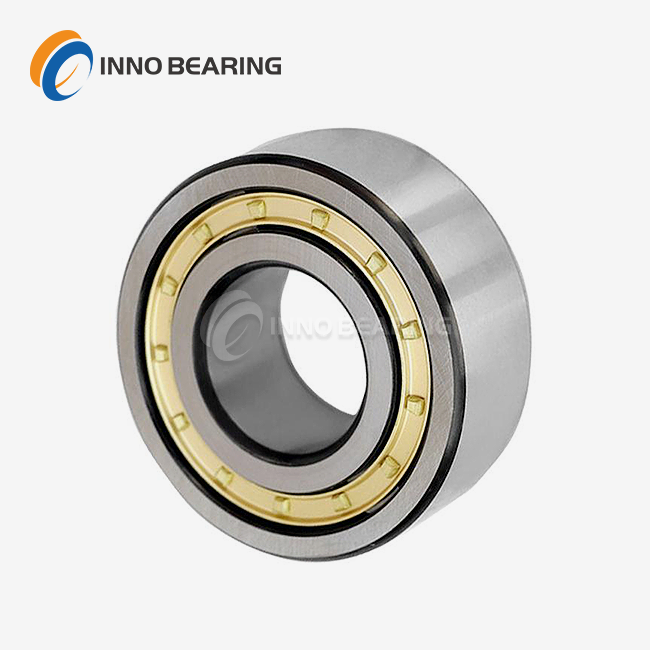
Advanced metallurgy is a key part of how well bearings work and how long they last. Standard uses high-carbon chromium steel (GCr15) because it is very hard and doesn't wear down easily. But for tough conditions, special alloys like 20Cr2Ni4A make the steel last longer. For low-cost options, cages can be made of stamped steel. Brass cages, on the other hand, are better at resisting corrosion in marine environments.
Core Industrial Applications Where Thrust Bearings Excel?
Axial load management systems using thrust bearing are essential in many industries because they can be used in a variety of ways. Each application has its own problems with load capacity, environmental conditions, and ease of maintenance, all of which affect the choice of bearing and the design requirements.
Wind Energy and Renewable Power Systems
One of the most difficult uses for large-scale bearing technology is in modern wind turbines. When the wind blows and the blade pitch is changed, it puts a lot of force on the main shaft assembly. For these systems to work best at capturing energy, the thrust bearings must be able to handle constant changes in load while staying in the right place. Offshore installations are more difficult because they need special coatings and sealing systems that can stand up to saltwater corrosion for 20 years.
Yaw systems responsible for turbine orientation rely on massive Slewing Bearings that incorporate thrust bearing principles to manage the axial components of wind loading. These assemblies typically feature inner diameters ranging from 500 mm to several meters, and in utility-scale installations, they can hold more than 1,000 kN of weight.
Heavy Machinery and Construction Equipment
Construction equipment works in harsh conditions where bearing failure can cause costly downtime and safety risks. Heavy-duty thrust bearings with a large diameter hold up the upper frame and allow the excavator to turn 360 degrees. For these uses, strong sealing systems are needed to keep out dirt, debris, and hydraulic fluids that are common on construction sites.
Lifting heavy things and making sure they are placed precisely are two problems that only cranes can solve. Tower crane slewing rings have complex thrust bearing assemblies that have to deal with both the static weight of the things being lifted and the dynamic forces that are created when the loads move. The bearing design has to be able to handle misalignment caused by structural deflection while keeping the crane running smoothly throughout its working range.
Mining and Metallurgical Operations
Some of the harshest conditions that industrial equipment has to work in are found in mines. Huge thrust bearings hold up rotating drum assemblies that weigh hundreds of tons in ball mills and SAG mills used in ore processing plants. These bearings have to be able to handle the constant impact loads that come from ore being tumbling while working in places that are contaminated with mineral dust and chemicals used in the process.
Bearings are exposed to very high temperatures of more than 300°C at the discharge end of rotary kilns used to make cement and steel. Specialized high-temperature lubricants and bearing materials make sure that the machine works reliably even when the temperature changes and the process materials are exposed to chemicals.
Marine and Offshore Engineering
Marine propulsion systems use thrust bearings to move engine power to propeller shafts while also dealing with the axial forces that come from turning the propeller. These bearings must be able to withstand corrosion from saltwater and keep their precise alignment, which is necessary for vibration-free operation. More and more modern ship designs use pod propulsion systems, which have thrust bearing assemblies inside sealed underwater housings.
Because they are out in harsh weather and drilling operations are very important, offshore drilling platforms have their own problems. Large thrust bearings are used in rotary table assemblies to keep the table in place while handling the weight of the drill string and the torque from the drill.
Selecting the Right Thrust Bearing for Your Industrial Needs
When choosing the right bearings, it's important to think about how they will be used, how much weight they will be carrying, and any environmental factors that might affect their performance over time. Knowing the differences between the different types and configurations of bearings lets you make smart choices that improve the reliability and operating costs of machinery.
Load Capacity and Size Considerations
For thrust bearing applications, axial load capacity is the most important factor in choosing a bearing. Dynamic load ratings take into account how the speed of rotation affects the load capacity. Static load ratings show the most force that a bearing can handle without permanently deforming. Engineers have to think about both steady-state loads and peak loads that could happen during startup, shutdown, or emergency situations.
When choosing a bearing size, you have to weigh the load capacity needs against the space and rotational speed limits. Larger bearings can usually hold more weight, but the fastest speeds that can happen on the outer raceway may limit their use. In order for precision applications to work at their best, they often need specific clearance relationships.
Material and Lubrication Options
For most industrial uses, steel bearing parts are strong enough to hold a lot of weight and last a long time. Ceramic rolling elements are better for high-speed uses because they are less dense and resist corrosion better, but they are a lot more expensive. Hybrid designs that use both steel raceways and ceramic rolling elements are a middle ground between performance and cost.
Lubrication system selection significantly impacts bearing life and maintenance requirements. Grease lubrication is easy to use and doesn't let dirt get into places that are hard to get to. For high-speed or high-temperature tasks, oil lubrication is the best way to keep things cool and get rid of contaminants. Automatic lubrication systems deliver the right amount of lubricant at the right time while keeping an eye on consumption rates that can show changes in bearing condition.
Environmental Protection and Sealing
Designing a sealing system for thrust bearing means finding a balance between keeping out contaminants, reducing friction losses, and making the system easy to maintain. Contact seals are very good at protecting things, but they add more friction, which could slow things down. Non-contact labyrinth seals reduce friction and provide adequate protection when used with positive internal pressure from the circulation of lubricant.
For uses in places where corrosion is a problem, special bearing treatments like surface coatings or materials that don't rust may be needed. Stainless steel bearings are better at resisting corrosion than through-hardened steel bearings, but they can't hold as much weight.
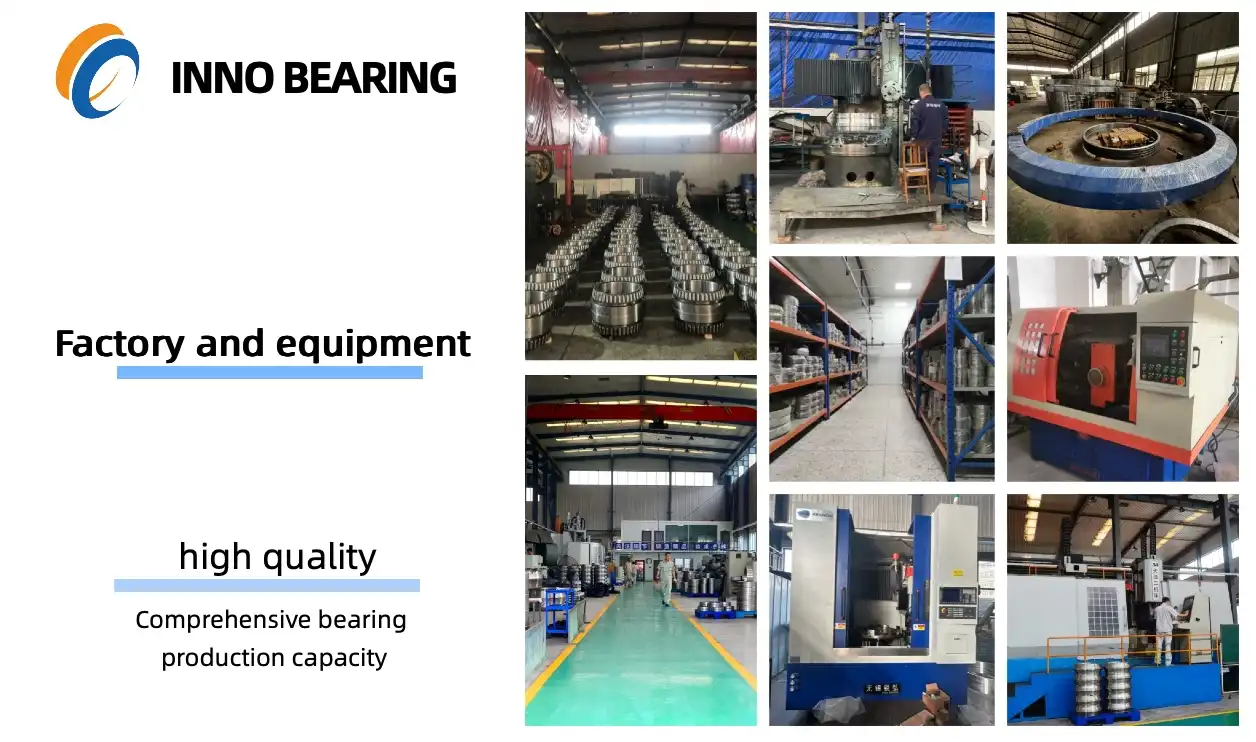
Procurement Insights: How to Buy High-Quality Thrust Bearings?
Making the buying process for industrial axial load bearings easier means balancing technical requirements with supplier capabilities and cost. Knowing how the market works and how to evaluate suppliers lets you make smart buying decisions that maximize long-term value.
Specification Development and Supplier Evaluation
In order for bearing specifications to be complete, they need to include all the important operating parameters, such as the load capacity, speed limits, environmental conditions, and expected service life. When specifications aren't complete, bearings are often chosen that meet the most basic needs but don't improve performance or save money. When custom bearing designs or special materials are needed, suppliers' technical support skills become very important.
Quality certification programs, like ISO 9001, and industry-specific standards make sure that the manufacturing process is controlled and that the products are always the same. Supplier audit programs go beyond the basic certification requirements to check quality systems and manufacturing capabilities.
Cost Optimization Strategies
The initial purchase price, installation costs, maintenance needs, and expected service life are all part of the total cost of ownership analysis. Even though they cost more up front, premium bearings with longer service intervals may end up saving you money in the long run. Standardization programs cut down on the need for inventory while letting people buy in bulk, which is good for business.
By forming partnerships with qualified suppliers, you can get access to technical know-how and inventory management services that lower the overall cost of procurement. Long-term contracts let suppliers buy specialized tools and stock up on things that are good for both parties.
Conclusion
Thrust bearings are important mechanical parts that make a wide range of industrial applications work reliably, from heavy mining equipment to renewable energy systems. For the best performance, you need to know a lot about the load requirements, environmental conditions, and maintenance capabilities of these specialized bearings before you choose and use them. As time goes on, better materials and manufacturing methods make axial load bearing systems more useful. This lets engineers make machines that wouldn't have been possible before because of bearing limitations. For implementation to go well, the specifications must be written correctly, the right suppliers must be chosen, and maintenance procedures must be followed that take into account how important these parts are to the reliability of industrial machinery.
FAQ
What factors determine thrust bearing selection for specific applications?
The main selection factor is load capacity, which takes into account both static and dynamic loading conditions during the entire operating cycle. Environmental factors like temperature range, contamination exposure, and ease of maintenance affect the design and choice of materials for bearings. Limits on speed and needs for precision may determine the type of bearing and the requirements for the lubrication system.
How do sealed and open thrust bearings differ in maintenance requirements?
Open bearings need external sealing systems and regular maintenance for lubrication, but they are better at getting rid of heat and dirt. Although sealed bearings protect against contamination and require less maintenance, they may not be able to be re-oiled as easily and may operate at higher temperatures because of friction between the seals.
Can thrust bearings handle combined axial and radial loads simultaneously?
Standard thrust bearings mostly deal with axial loads, but some designs can handle some radial loads as well. When there needs to be a lot of combined load, angular contact bearings or paired bearing arrangements that spread the load out evenly between the bearing sets are usually used. A good load analysis makes sure that the choice of bearings matches the real-world conditions of operation.
Partner with INNO Bearing for Superior Thrust Bearing Solutions
For industrial operations that need reliable axial load management, working with experienced bearing specialists who know how to deal with problems that are unique to each application is essential. INNO Bearing has been making products for almost 30 years and also has advanced engineering skills that allow them to make custom thrust bearing Solutions for the toughest industrial environments. Our wide range of products includes both standard configurations and large-scale custom designs that go beyond Ά5000mm. We also offer rapid prototyping and validation services to make sure that the products work perfectly before they are mass-produced.
Contact our engineering team at sales@inno-bearing.com to talk about your specific axial load needs and find out how our thrust bearing manufacturer services can make your equipment more reliable while lowering the total cost of ownership.
References
Harris, T.A. and Kotzalas, M.N. "Rolling Bearing Analysis: Essential Concepts of Bearing Technology." CRC Press, 2007.
Hamrock, B.J., Schmid, S.R., and Jacobson, B.O. "Fundamentals of Fluid Film Lubrication." McGraw-Hill Education, 2004.
Eschmann, P., Hasbargen, L., and Weigand, K. "Ball and Roller Bearings: Theory, Design and Application." John Wiley & Sons, 1985.
ISO 76:2006. "Rolling Bearings - Static Load Ratings." International Organization for Standardization, 2006.
Tallian, T.E. "Failure Atlas for Hertz Contact Machine Elements." ASME Press, 1999.
SKF Group. "Rolling Bearings Catalogue: Principles of Bearing Selection and Application." SKF Publication, 2018.
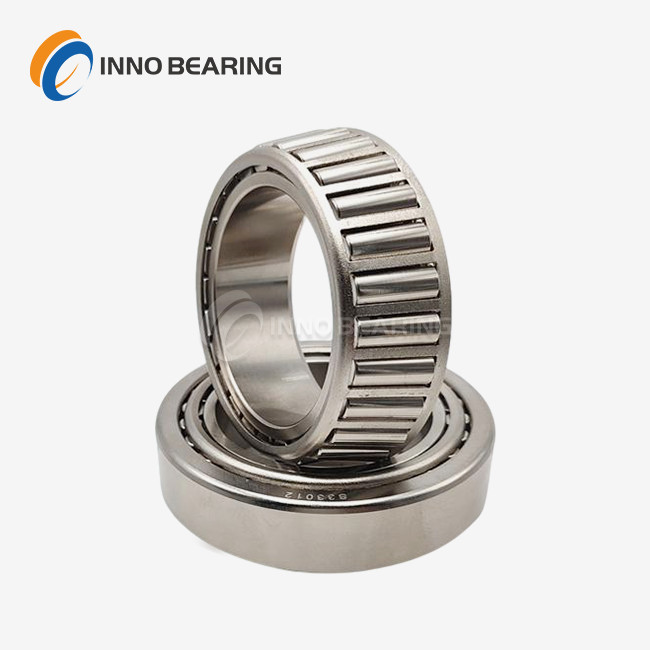

Learn about our latest products and discounts through SMS or email