- English
- French
- German
- Portuguese
- Spanish
- Russian
- Japanese
- Korean
- Arabic
- Greek
- German
- Turkish
- Italian
- Danish
- Romanian
- Indonesian
- Czech
- Afrikaans
- Swedish
- Polish
- Basque
- Catalan
- Esperanto
- Hindi
- Lao
- Albanian
- Amharic
- Armenian
- Azerbaijani
- Belarusian
- Bengali
- Bosnian
- Bulgarian
- Cebuano
- Chichewa
- Corsican
- Croatian
- Dutch
- Estonian
- Filipino
- Finnish
- Frisian
- Galician
- Georgian
- Gujarati
- Haitian
- Hausa
- Hawaiian
- Hebrew
- Hmong
- Hungarian
- Icelandic
- Igbo
- Javanese
- Kannada
- Kazakh
- Khmer
- Kurdish
- Kyrgyz
- Latin
- Latvian
- Lithuanian
- Luxembou..
- Macedonian
- Malagasy
- Malay
- Malayalam
- Maltese
- Maori
- Marathi
- Mongolian
- Burmese
- Nepali
- Norwegian
- Pashto
- Persian
- Punjabi
- Serbian
- Sesotho
- Sinhala
- Slovak
- Slovenian
- Somali
- Samoan
- Scots Gaelic
- Shona
- Sindhi
- Sundanese
- Swahili
- Tajik
- Tamil
- Telugu
- Thai
- Ukrainian
- Urdu
- Uzbek
- Vietnamese
- Welsh
- Xhosa
- Yiddish
- Yoruba
- Zulu
Precision Spindle Bearings for Grinding Machines
Precision spindle bearings are the most important part of a grinding machine because they directly affect the quality of the surface finish, the accuracy of the measurements, and the machine's ability to keep running reliably in industrial manufacturing settings. These special parts allow for high-speed rotation while still being very rigid under different load conditions. This is why they are necessary for getting consistent grinding results. Modern grinding operations need bearings that can handle speeds of more than 10,000 RPM and keep radial runout tolerances below 0.002mm. This makes sure that productivity is at its highest and costly production interruptions are kept to a minimum across all manufacturing sectors.
Understanding Precision Spindle Bearings and Their Functions
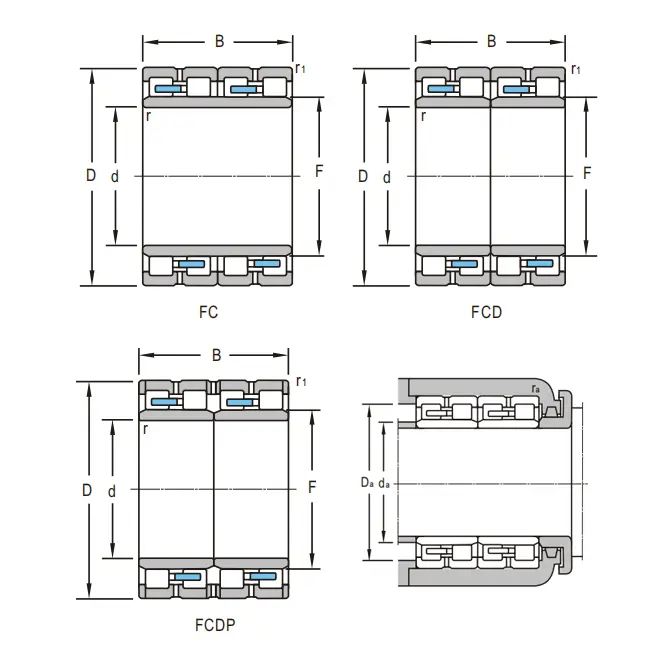
Standard ball bearings and precision spindle bearings are very different because precision spindle bearings are engineered to work with high speeds and high accuracy. These parts keep the spindle shaft in the right place and deal with complex combinations of axial and radial forces that have a direct effect on the quality of the grinding and the overall performance of the machine.
Core Design Architecture
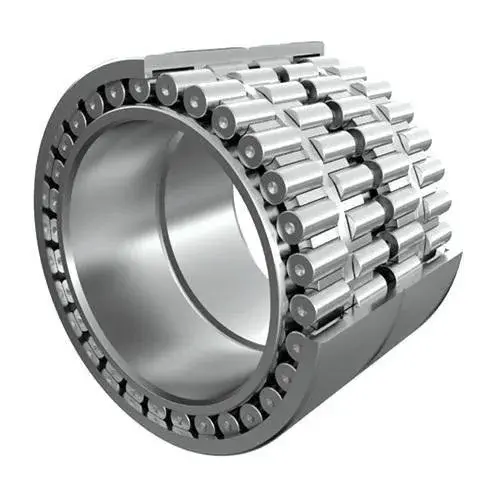
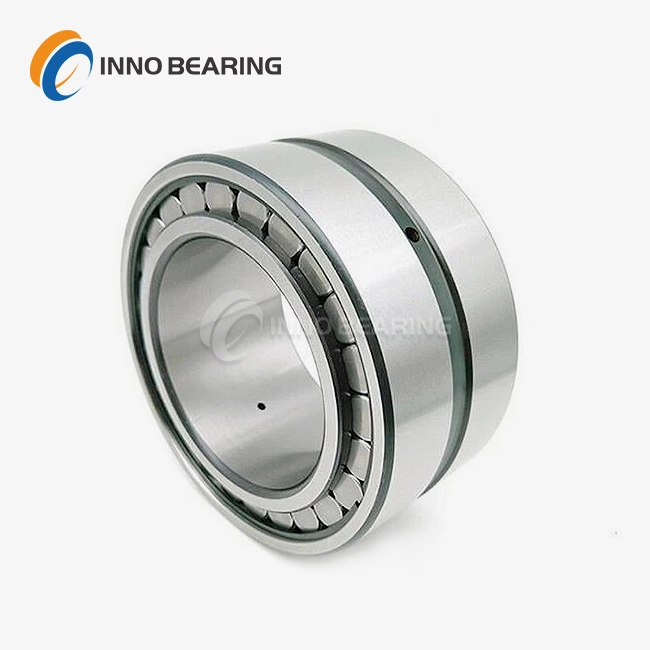
The structure of these bearings is made up of a number of important configurations that work together to meet tough operational needs. Because they are more rigid and better at spreading out load, double-row configurations are good for heavy-duty grinding tasks where stability is very important. Single-row designs are better for high-speed uses where reducing friction and heat production is very important. Separate inner ring designs with optional taper configurations allow for precise installation and adjustment, which lets operators find the best preload conditions for their specific grinding needs.
Material Selection and Performance Characteristics
When it comes to grinding, reliable bearing performance starts with high-quality materials. Inner rings, outer rings, and rollers made of GCr15, GCr15SiMn, or 20Cr2Ni4A steel last a very long time and don't wear out easily when they're used all the time. Cages made of stamped steel or brass make sure that the rollers are spaced correctly and that the oil is spread evenly. This helps the machine last longer and need less maintenance. These mixes of materials allow them to be used in temperatures ranging from -60°C to +150°C while still keeping their shape, which is very important for precision grinding.
Early Failure Detection and Prevention
Recognizing the signs of early failure allows for proactive maintenance plans that keep production from being interrupted at unnecessary costs. Noise levels that are out of the ordinary (above 45dB), more vibrations, or high operating temperatures are often signs of problems that need to be fixed right away. Temperature monitoring systems and vibration analysis equipment give useful information for predictive maintenance programs. For example, they let maintenance teams replace bearings during planned downtime so that they don't have to deal with sudden failures during key production times.
Selecting the Best Precision Spindle Bearings for Grinding Machines
Systematic evaluation processes make sure that the spindle bearings chosen by procurement teams are exactly what the grinding machine needs and can work in. Understanding the needs of a specific application helps people make decisions about the best bearing Solutions that will work reliably for a long time.
Critical Selection Parameters
Specifications for load capacity must match the needs of the grinding machine, taking into account both radial and axial force combinations that happen during normal use. It is recommended that the rotational speed capabilities be higher than the maximum spindle speeds, with enough room for error to ensure stable performance in a range of cutting conditions. Precision class requirements have a direct effect on how accurately the grinding is done. For example, P4 class bearings offer standard precision, while P2 class bearings provide ultra-precision performance for demanding applications that need a high quality surface finish.
Configuration Options and Application Matching
Choosing between ceramic and steel bearing elements has a big effect on how well they work and how much they cost to run. Ceramic elements are better at withstanding heat and expanding less when heated, which makes them perfect for high-speed grinding tasks where keeping the temperature stable is hard. For normal grinding tasks that don't need to be done at very high speeds, steel elements have been shown to be reliable and cost-effective. Knowing the exact grinding needs lets you make an informed choice between these materials.
Supplier Evaluation and Quality Assurance
When looking at possible suppliers, you need to look at all of their manufacturing skills, quality certifications, and technical support services. Manufacturers who are ISO-certified show that they are dedicated to quality standards and consistent production processes, which are important for making sure that bearings work well. Value factors like warranty coverage, technical documentation, and global service networks affect the long-term success of operations and the availability of support.
Maintenance and Lubrication Practices to Maximize Bearing Lifespan
Effective maintenance protocols greatly increase the service life of bearings while lowering the costs of production caused by unplanned downtime. Using organized methods for lubrication and inspection makes maintenance schedules that are in line with the needs of production planning.
Lubrication System Design and Implementation
Choosing the right lubricant and applying it correctly are the most important parts of making grinding bearings last longer. Using mineral base oil and lithium thickener to make grease gives bearing surfaces great adhesion and works well in temperatures ranging from -30°C to +110°C. Automated lubrication systems make sure that the right amount of lubricant is always delivered and get rid of the human error factors that cause bearings to fail too soon. Oil-mist lubrication systems are helpful in high-speed situations where removing heat is important for keeping the dimensions stable.
Inspection Protocols and Monitoring Systems
By including vibration analysis, temperature monitoring, and noise measurement in regular inspection schedules for spindle bearings, bearing problems can be caught early. Laser measurement systems check the accuracy of measurements and find wear patterns before they affect the quality of grinding. Spindle bearings with built-in monitoring sensors let maintenance teams check on the bearings' condition in real time, so they can see how they're performing over time and plan preventative maintenance based on the actual bearing condition, not just random intervals.
Contamination Prevention and Environmental Protection
One of the main reasons why bearings fail too soon in grinding environments is contamination. Abrasive particles and coolant contamination can't get into bearing assemblies because of high-speed dust caps and advanced sealing systems. Checking and replacing seals on a regular basis keeps up the protective barriers that are needed for long-term bearing performance. When replacing bearings, the risk of contamination is kept to a minimum by using clean installation methods and good storage techniques.
Innovations and Future Trends in Precision Spindle Bearing Technology
As technology keeps getting better, bearing performance, monitoring tools, and operational efficiency all get better in industrial grinding applications. When procurement managers know about new technologies, they can make smart choices about what equipment to buy and when to upgrade it.
Advanced Material Technologies
When ceramic elements are combined with steel races in hybrid bearing designs, they offer better performance for demanding grinding applications. Silicon nitride ceramic balls have lower centrifugal forces, which lets them spin faster while keeping their shape even when heated and cooled many times. Compared to regular steel designs, these materials can handle 30–50% higher speeds. This means that high-speed grinding operations can be more productive.
Smart Sensor Integration and Predictive Analytics
Adding sensor technologies to traditional bearings turns them into smart parts that can track performance in real time and plan maintenance ahead of time. Vibration sensors that are connected to the internet of things (IoT) keep track of operational parameters and let maintenance teams know about problems before they happen. Machine learning algorithms look at past performance data to figure out the best maintenance intervals and get better at predicting how long something will still work.
Manufacturing Process Innovations
Modern ways of making spindle bearings, like vacuum degassing and precise heat treatment methods, make bearings more consistent and reliable. Computer-controlled machining makes sure that measurements are accurate to within a few microns, which improves the accuracy of grinding and lowers machine vibration. These improvements in manufacturing directly lead to better grinding quality and longer bearing service life in tough working conditions.
Buying Guide: How to Purchase Precision Spindle Bearings for Grinding Machines?
To successfully buy bearings, you need to carefully consider the needs of the application, the capabilities of the supplier, and the issue of long-term support. Gaining knowledge about the specific needs of a grinding machine helps choose the best bearings that will work reliably for long periods of time.
Application Analysis and Requirement Definition
A full analysis of an application starts with a close look at the specifics of the grinding machine, such as the spindle speed, load conditions, and precision needs. Temperature ranges, levels of contamination, and the design of the cooling system are some of the environmental factors that affect the choice of bearing and the requirements for its specifications. Choosing the right bearing type and building a good relationship with your supplier are affected by factors like production volume and maintenance schedule preferences.
Technical Specification Verification
To make sure they fit right and work well in grinding applications, spindle bearings must meet certain size and performance standards. The inner diameter ranges from 20mm to 500mm to fit different spindle sizes, and the outer diameter ranges from 47mm to 800mm to allow for a variety of machine configurations. Specifications for widths between 14 and 200 mm allow spindle assemblies to be properly positioned and load distributed.
Procurement Strategy and Supplier Partnership
Building long-term relationships with suppliers can help with technical support, ensuring reliable delivery, and lowering costs over a long period of time. Suppliers who offer services like rapid prototyping, customization, and engineering support go above and beyond standard bearing supply. Global distribution networks and local technical support make sure that service is always available and quick, no matter how long the bearings are used.
Conclusion
Precision spindle bearings are an important investment for improving the performance and dependability of a grinding machine. When choosing the right bearing solutions, you need to carefully think about the needs of the application, the specifications of the material, and the capabilities of the supplier. As long as they are properly chosen, installed, and maintained, these parts will last a very long time and help improve grinding quality and productivity in a wide range of manufacturing surroundings.
FAQ
What determines the optimal replacement interval for precision spindle bearings?
Replacement intervals depend on operational intensity, environmental conditions, and specific application requirements. Typical service life ranges from 12-36 months under normal grinding conditions, though proper maintenance and monitoring can extend operational life significantly. Implementing condition-based monitoring systems provides more accurate replacement timing based on the actual condition of the bearings instead of random schedules.
How do ceramic bearings compare to steel bearings in grinding applications?
Ceramic bearings offer superior performance in high-speed grinding applications due to lower friction coefficients, reduced thermal expansion, and enhanced heat resistance. These characteristics enable higher spindle speeds and improved dimensional stability. However, steel bearings provide cost advantages and proven reliability for standard grinding tasks that don't need extreme performance.
What sealing options provide optimal protection in grinding environments?
Combinations of high-speed dust caps and contact seal combinations are a great way to keep coolant and abrasive particles that are common in grinding operations from getting into the machine. Labyrinth seals add extra protection and keep friction losses to a minimum when the speed of rotation is high. When choosing the right sealing systems, you have to find the right balance between protection levels, operational needs, and ease of maintenance.
Partner with INNO Bearing for Superior Spindle Bearing Solutions
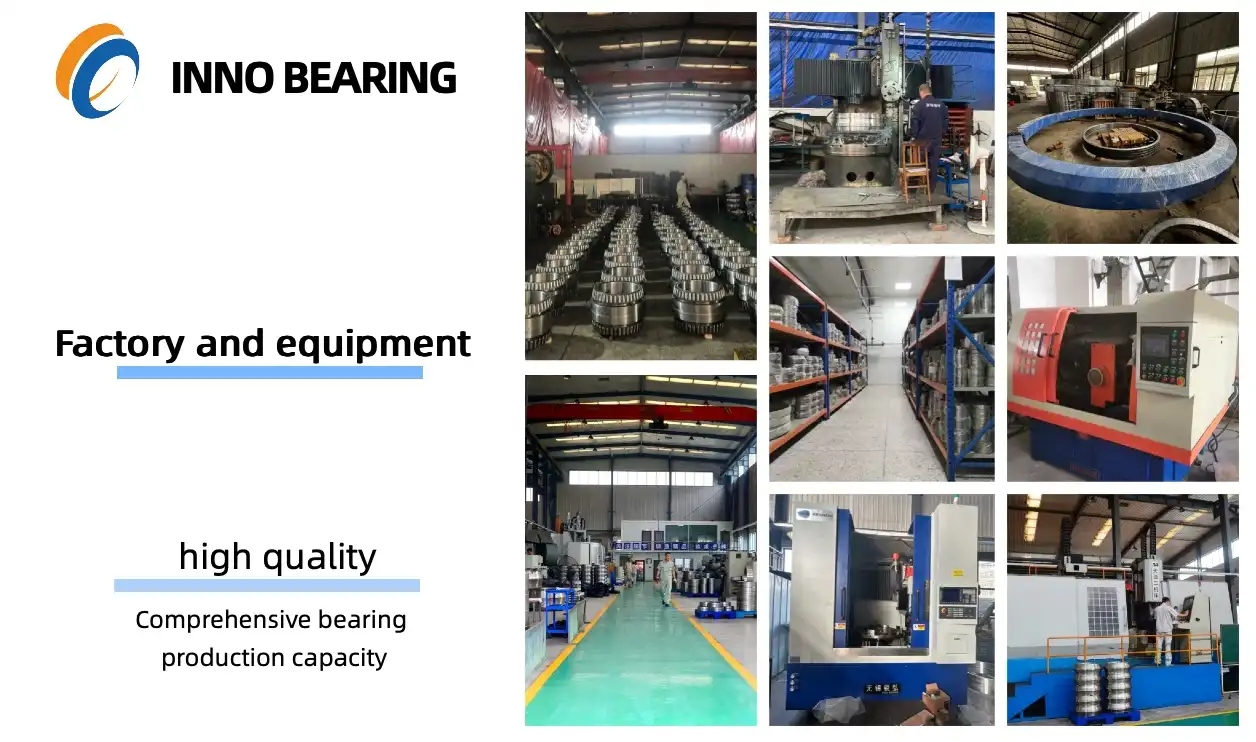
INNO Bearing has been making precision bearings for almost 30 years and has a track record of engineering excellence. Their spindle bearings for grinding machines are better than the industry standard. Our state-of-the-art factories make bearings with dimensions ranging from φ20mm to φ5000mm. These bearings have P4 and P2 precision classes, which guarantee they will work perfectly and reliably. With strict quality control measures that keep radial runout tolerances at ≤0.002mm and noise levels at ≤45dB, our bearings give grinding operations the accuracy and dependability they need. Get in touch with our technical team at sales@inno-bearing.com to talk about your needs and find out why top manufacturers around the world choose INNO Bearing as their main supplier of spindle bearings.
References
ISO 199:2014 Rolling bearings - Thrust bearings - Geometrical product specifications and tolerance values
ANSI/ABMA Standard 7-2016 Shaft and Housing Fits for Metric Radial Ball and Roller Bearings
SKF General Catalogue 17000 EN - Rolling bearings and seals in electric motors and generators
NSK Technical Report: High-Speed Spindle Bearings for Machine Tool Applications
Timken Engineering Manual: Bearing Selection and Application for Industrial Machinery
FAG Publication WL 82 102/2 EA: Spindle bearings for machine tools - Design and application guidelines

Learn about our latest products and discounts through SMS or email