- English
- French
- German
- Portuguese
- Spanish
- Russian
- Japanese
- Korean
- Arabic
- Greek
- German
- Turkish
- Italian
- Danish
- Romanian
- Indonesian
- Czech
- Afrikaans
- Swedish
- Polish
- Basque
- Catalan
- Esperanto
- Hindi
- Lao
- Albanian
- Amharic
- Armenian
- Azerbaijani
- Belarusian
- Bengali
- Bosnian
- Bulgarian
- Cebuano
- Chichewa
- Corsican
- Croatian
- Dutch
- Estonian
- Filipino
- Finnish
- Frisian
- Galician
- Georgian
- Gujarati
- Haitian
- Hausa
- Hawaiian
- Hebrew
- Hmong
- Hungarian
- Icelandic
- Igbo
- Javanese
- Kannada
- Kazakh
- Khmer
- Kurdish
- Kyrgyz
- Latin
- Latvian
- Lithuanian
- Luxembou..
- Macedonian
- Malagasy
- Malay
- Malayalam
- Maltese
- Maori
- Marathi
- Mongolian
- Burmese
- Nepali
- Norwegian
- Pashto
- Persian
- Punjabi
- Serbian
- Sesotho
- Sinhala
- Slovak
- Slovenian
- Somali
- Samoan
- Scots Gaelic
- Shona
- Sindhi
- Sundanese
- Swahili
- Tajik
- Tamil
- Telugu
- Thai
- Ukrainian
- Urdu
- Uzbek
- Vietnamese
- Welsh
- Xhosa
- Yiddish
- Yoruba
- Zulu
Roller Bearing Slewing Ring vs Ball Type: Which Is Better?
When choosing between roller bearing slewing rings and ball bearing types, the answer depends on your specific application requirements. Roller bearing slewing rings excel in heavy-load applications due to their superior load-bearing capacity and impact resistance, making them ideal for harsh industrial environments. They handle radial loads up to 10,000kN and axial loads up to 15,000kN, significantly outperforming ball bearings in demanding conditions. Ball bearings, while offering smoother operation at higher speeds, are better suited for lighter-load applications requiring precise rotational accuracy. The choice ultimately hinges on load requirements, operating environment, and precision needs.
Introduction to Slewing Rings and Their Importance in Industrial Applications
Heavy machinery's rotational movement is held together by slewing rings, which allow smooth rotation between parts that are fixed and parts that are moving while holding huge loads. These important parts are made up of inner and outer rings with moving elements that help keep the spinning under control even in harsh conditions.
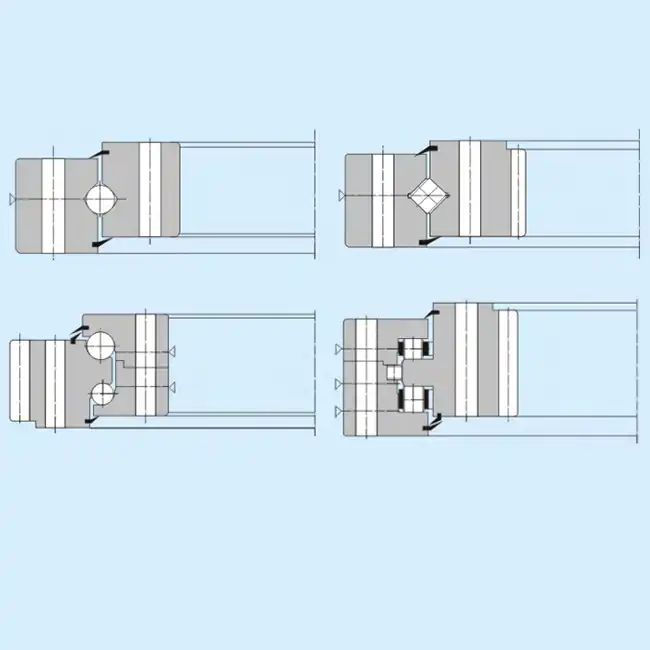
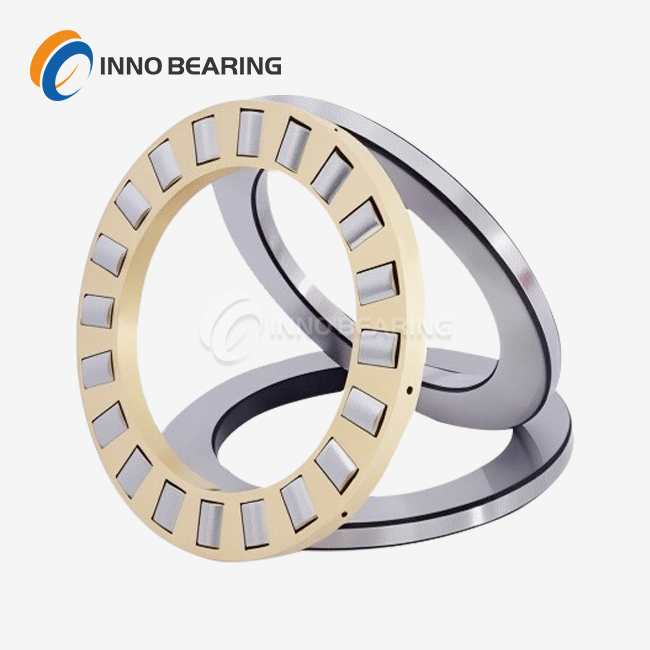
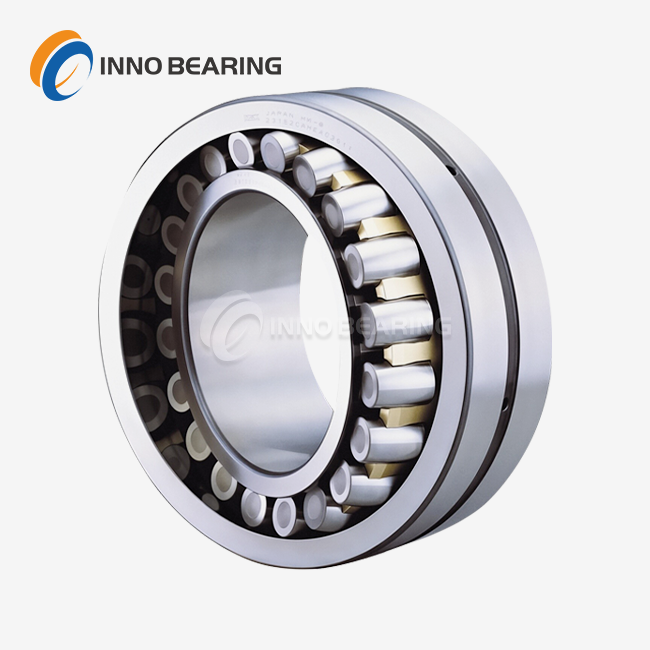
The main difference between roller bearing and ball bearing slewing rings is how their rolling parts and load sharing systems work. Roller bearing systems use tapered or circular rollers that make more touch areas with the raceways. This makes the load distribution better and the capacity higher. Ball bearing systems use cylindrical balls that make point contact. This makes the system run more smoothly but can't hold as much weight.
Critical Role in Industrial Operations
In modern industrial settings, slewing rings need to be able to handle huge loads while still working accurately. For wind turbine turning systems to work at their best, they need bearings that can handle changing loads and keep the blades in the right place. When working in harsh sea settings, port cranes need slewing rings that can hold more than 40 tons of containers.
Choosing the right slewing ring technology has a direct effect on how reliable the equipment is, how well it works, and how much it costs to maintain. When it comes to important uses, choosing the wrong bearings can cause them to fail early, cause costly downtime, and pose safety risks. When engineering teams know the main differences between roller and ball bearing systems, they can make decisions that improve the performance and life of equipment.
Structural and Functional Differences Between Roller Bearing and Ball Bearing Slewing Rings
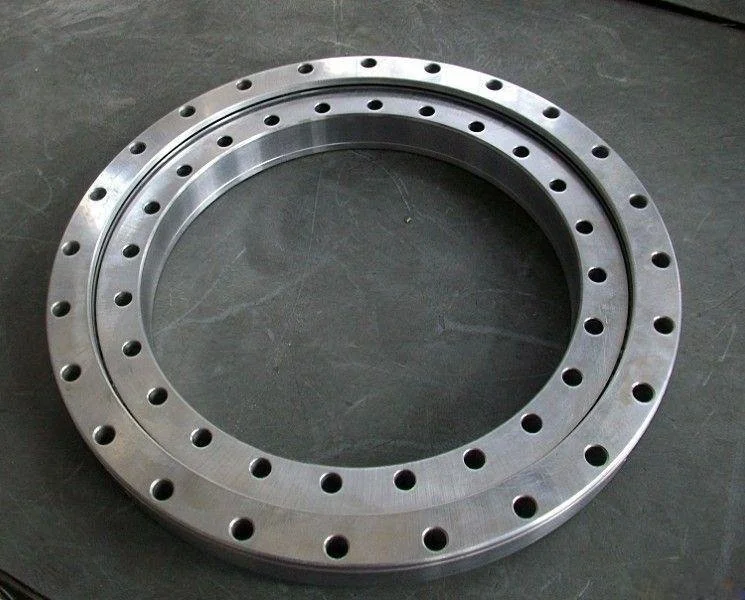
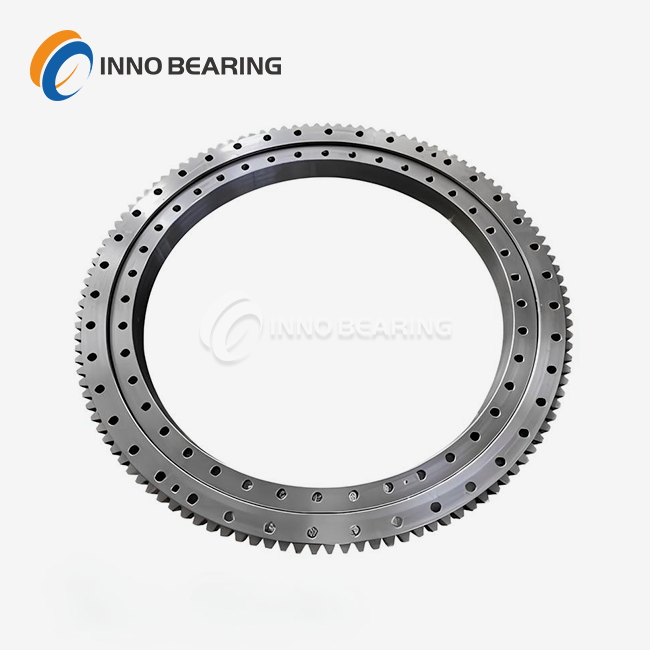
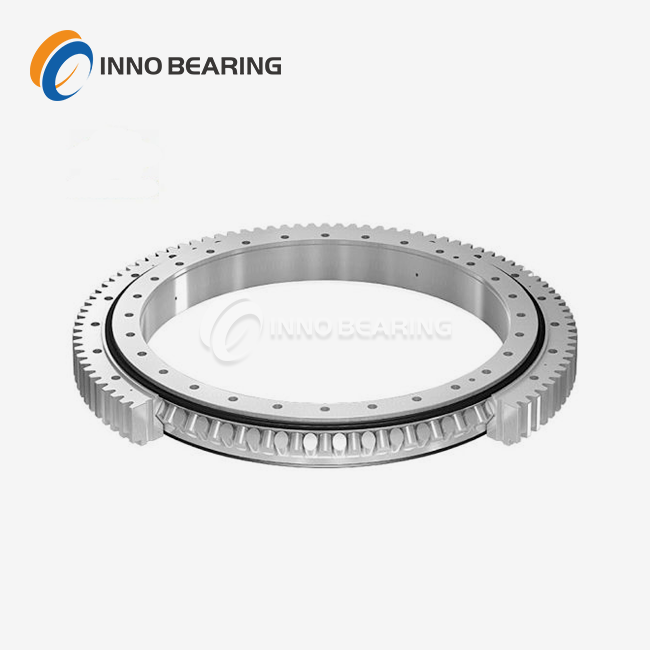
Roller bearing slewing rings are built with thick-walled circular forms and two raceways that can accommodate single-row, multi-row, cylindrical, or tapered rollers. This arrangement makes many load paths and spreads forces over bigger contact areas, which makes it very good at holding weight.
Roller Bearing Architecture
The inner and outer rings of roller bearing slewing rings are made of high-quality 50Mn or 42CrMo steel, which makes them very strong. GCr15 or GCr15SiMn steel is used in the rolling parts to make them more resistant to pressure. Heavy-duty seals keep the rollers from getting dirty, and steel cages keep the rollers spaced exactly. Designs for mounting holes that don't loosen ensure a safe fitting in tough situations.
With outer ring sizes from 500mm to 3,000mm and heights from 25mm to 100mm, the thick-wall design keeps the structure strong even under heavy loads. This strong design lets it work with circular loads of more than 10,000kN and axial loads of up to 15,000kN.
Ball Bearing Configuration
Ball bearing slewing rings have round moving parts that make touch with the raceways at a point. This design has less friction and runs more smoothly, but it can't hold as much weight as roller systems. Because of the high contact stress at the ball-raceway junctions, they can't be used in heavy-load situations.
Ball bearings work great in situations where high spinning speeds and exact positioning are needed. Because they have less friction, they can be used at speeds where roller bearings might get too hot or wear out too quickly. The spherical shape can handle small misalignments and gives reliable results in precise uses.
Material Science Impact
A lot of what makes bearings work depends on advanced metals. The heat processes of carburizing and nitriding make the surface harder than 60 HRC while keeping the body tough. Specialized seal materials, like nitrile rubber and fluororubber, can handle temperatures from -40°C to +150°C and don't react with chemicals.
Performance Comparison: Pros and Cons of Roller Bearing vs Ball Bearing Slewing Rings
Figuring out how each type of bearing works lets you make the best choice for any given situation. In heavy-duty settings, roller bearing slewing rings work better than ball bearings, while ball bearings work better in precise settings.
Roller Bearing Advantages
Because they have a line contact shape and bigger rolling parts, roller bearing systems can carry a lot of weight. Because there is more contact area, loads are spread out better, which lowers stress levels and makes bearings last longer when they are under heavy loads. Roller systems are great for shock-loading applications that are popular in mining and building equipment because they are more resistant to impact than ball bearings.
Temperature tolerance lets things work in harsh conditions, like cold conditions or high-temperature industrial processes. The strong construction can handle changes in temperature and size that could weaken lighter bearing designs. Because roller systems last longer in harsh working situations, maintenance intervals are longer.
Ball Bearing Benefits
With ball bearing slewing rings, you can turn things more precisely and quickly. The point contact shape reduces friction, which lets the system work smoothly at higher spinning speeds without making too much heat. Precision grades have tighter tolerances, which means that ball bearings can be used in situations where precise placement is needed.
Less starting power means less load on the drive system and less energy use. The smooth operation features reduce sound transfer, which is good for sensitive equipment or uses that need to be quiet.
Performance Trade-offs
Roller bearings give up some smooth movement in exchange for their load capacity, which could mean more friction at starting. Ball bearings give up some of their load capacity to make operations smooth, which means they can't be used in heavy-duty situations. Roller bearings are often cheaper than other types of bearings for high-load uses because they last longer and need to be replaced less often.
Different types of bearings need different amounts of maintenance. For example, roller bearings need to have their oil spread out evenly across many contact points, while ball bearings need to be perfectly aligned to avoid wearing out too quickly.
How to Choose the Best Slewing Ring for Your B2B Procurement Needs?
When purchasing slewing ring technology, people in charge must look at a number of factors. The main thing that determines whether roller or ball bearing systems can meet application needs is the load requirements.
Load Analysis and Specifications
A full load study looks at both steady and moving forces, like radial, axial, and moment loads. Because they are stronger and have more than one load line, roller bearing slewing rings are better at handling mixed loading situations. Roller bearings are usually the best choice for applications with loads greater than 5,000kN.
The environment has a big effect on the choice of bearings. When it comes to sealing and material protection, roller bearing systems are better in corrosive environments, high temperatures, and being exposed to contamination. In marine settings, materials that don't rust are needed, and roller bearing designs offer unique seal configurations.
Application-Specific Considerations
In wind energy uses, resistance to wear and a long service life under changing loads are very important. With little upkeep, roller bearing slewing rings can be used for 20 years or more without breaking down. Because of their better load spread, they can handle changing wind loads well.
Equipment used in mining and metallurgy needs to be able to withstand impacts and keep contaminants out. Roller bearing systems can handle the shock loads that come from moving ore, and heavy-duty seals keep gritty particles out. The strong structure can handle the rough conditions that are popular in extractive industries.
For port and marine uses, structures need to be able to withstand rust and be reliable. Roller bearing slewing ring can work in salt spray settings while keeping performance standards thanks to special seal materials and protective coatings.
Procurement Strategy Optimization
When evaluating a supplier, you should look at their manufacturing skills, quality certifications, and expert help. Vertically integrated producers that have been around for a while offer better quality control and shorter wait times. For custom applications that need engineering teamwork, technical help skills become very important.
Managing lead times means finding a balance between the supply of standard products and the needs for modification. Standard roller bearing slewing rings are sent out within 48 hours, but unique versions take 25 days to arrive. Planning buying cycles around these dates helps make sure that the project stays on plan.
Maintenance Best Practices to Maximize Slewing Ring Performance and Lifespan
If you follow the right upkeep steps, your slewing ring will last much longer and won't break down, which can be very expensive. To keep working at their best, roller bearing slewing rings need special care with how the oil is spread out and how well the seals are kept in place.
Lubrication Management
Because they have so many touch points and different ways of distributing load, roller bearing systems need to be oiled on a frequent basis. The type of grease you choose should depend on the temperature and load conditions of the machine. Lithium-based greases work well in most situations, while synthetic greases can handle very high temperatures.
When to lubricate depends on how the machine is being used, but it's usually every 500 to 2,000 hours. Heavy-load uses need to be oiled more often to keep metals from touching when they are under a lot of stress. Automatic lube systems make upkeep more consistent and cut down on the amount of work that needs to be done by hand.
Inspection Protocols
Key performance measures, such as vibration levels, temperature monitoring, and seal state, are the main focus of routine checks. Roller assembly clearance readings show how wear is progressing and help figure out when repair is needed. Verification of the anti-overturning moment ability makes sure that the structure stays strong under practical loads.
Monitoring the performance of the seal stops pollution from getting in, which can quickly hurt the performance of the bearing. Visual checks show any damage or wear on the seal that needs to be fixed right away. Dust-proof performance testing proves that the seal works well in dirty places.
Preventive Maintenance Strategies
Predictive repair tools make regular inspections better. Vibration analysis finds problems before they become too big to fix. Temperature tracking finds problems with lubrication or situations where there is too much load. Adding IoT sensors lets you keep an eye on things all the time and set up automatic alert systems.
When to change a component strikes a mix between saving money and making sure the system works well. When heavy loads are applied, roller bearing slewing rings usually last 15-20% longer than ball bearing options. This makes the higher original cost worth it because they don't need to be replaced as often.
Conclusion
Roller bearing slewing rings are the best choice for heavy-duty industrial uses that need to hold more weight and last longer. Because they are strong, don't break easily, and last a long time in difficult conditions, they are essential for wind energy, mining, metalworking, and port equipment. Roller bearing systems work best in harsh conditions, which is where most industrial slewing rings are used. Ball bearings are better for uses that need precision and speed. Roller bearing technology is an investment that pays off because it lowers upkeep costs, extends the life of machines, and makes them more reliable in important situations where downtime costs a lot of money.
FAQ
What are the main differences between roller and ball bearing slewing rings?
Roller bearing slewing rings have rolling parts that are either circular or tapered rollers. These rollers make straight contact and can hold more weight. Ball bearings use spherical balls that touch each other at points. They make action easier but can't hold as much weight. Roller systems can handle linear loads of up to 15,000kN and radial loads of up to 10,000kN. Ball bearings, on the other hand, are better for light loads that need to be precise.
Which type is better for wind turbine applications?
Roller bearing slewing rings are better for wind turbines because they can handle dynamic loads and don't wear out as quickly. Roller systems are the standard for yaw and pitch control because they need to last 20 years or more and can handle different wind loads.
How do I determine the right size slewing ring for my equipment?
The load needs, mounting room, and operating requirements all play a role in choosing the right size. Roller bearing slewing rings come in sizes ranging from 500 mm to 3,000 mm in diameter, and can be made to order up to 5,000 mm in diameter. A professional engineering analysis of your particular application will make sure that the right size and speed are used.
Partner with INNO Bearing for Superior Roller Bearing Slewing Ring Solutions
In order to produce roller bearing slewing rings that are better than the norm, INNO Bearing blends 30 years of production experience with cutting-edge technology. Our vertically integrated production makes sure that quality control is full from the casting process to the final assembly. This gives our bearings 15% more fatigue strength than standard bearings. We can make custom parts up to φ5000mm and send standard goods within 48 hours, so you can be sure that your important applications will work. Get in touch with our engineering team at sales@inno-bearing.com to talk about your roller bearing slewing ring needs and find out why top makers trust INNO Bearing for tough industrial uses.
References
American Gear Manufacturers Association. "Design and Application of Large Diameter Slewing Bearings in Industrial Equipment." AGMA Technical Publication, 2023.
International Organization for Standardization. "Rolling Bearings - Boundary Dimensions and Tolerances for Slewing Bearings." ISO Standard 12172-1, 2022.
Wind Power Engineering & Development. "Advanced Bearing Technologies for Next-Generation Wind Turbines: Comparative Analysis of Roller vs Ball Bearing Systems." Industrial Press, 2023.
Society of Manufacturing Engineers. "Heavy-Duty Bearing Selection Criteria for Mining and Metallurgical Applications." SME Technical Report, 2022.
American Society of Mechanical Engineers. "Load Distribution Analysis in Large Diameter Slewing Ring Bearings: Roller vs Ball Element Performance." ASME Journal of Tribology, 2023.
International Association of Ports and Harbors. "Bearing Technology Advancements in Port Crane Design: Reliability and Maintenance Considerations." IAPH Technical Guidelines, 2022.

Learn about our latest products and discounts through SMS or email