- English
- French
- German
- Portuguese
- Spanish
- Russian
- Japanese
- Korean
- Arabic
- Greek
- German
- Turkish
- Italian
- Danish
- Romanian
- Indonesian
- Czech
- Afrikaans
- Swedish
- Polish
- Basque
- Catalan
- Esperanto
- Hindi
- Lao
- Albanian
- Amharic
- Armenian
- Azerbaijani
- Belarusian
- Bengali
- Bosnian
- Bulgarian
- Cebuano
- Chichewa
- Corsican
- Croatian
- Dutch
- Estonian
- Filipino
- Finnish
- Frisian
- Galician
- Georgian
- Gujarati
- Haitian
- Hausa
- Hawaiian
- Hebrew
- Hmong
- Hungarian
- Icelandic
- Igbo
- Javanese
- Kannada
- Kazakh
- Khmer
- Kurdish
- Kyrgyz
- Latin
- Latvian
- Lithuanian
- Luxembou..
- Macedonian
- Malagasy
- Malay
- Malayalam
- Maltese
- Maori
- Marathi
- Mongolian
- Burmese
- Nepali
- Norwegian
- Pashto
- Persian
- Punjabi
- Serbian
- Sesotho
- Sinhala
- Slovak
- Slovenian
- Somali
- Samoan
- Scots Gaelic
- Shona
- Sindhi
- Sundanese
- Swahili
- Tajik
- Tamil
- Telugu
- Thai
- Ukrainian
- Urdu
- Uzbek
- Vietnamese
- Welsh
- Xhosa
- Yiddish
- Yoruba
- Zulu
Jib Crane Bearings: Ensuring Port Safety
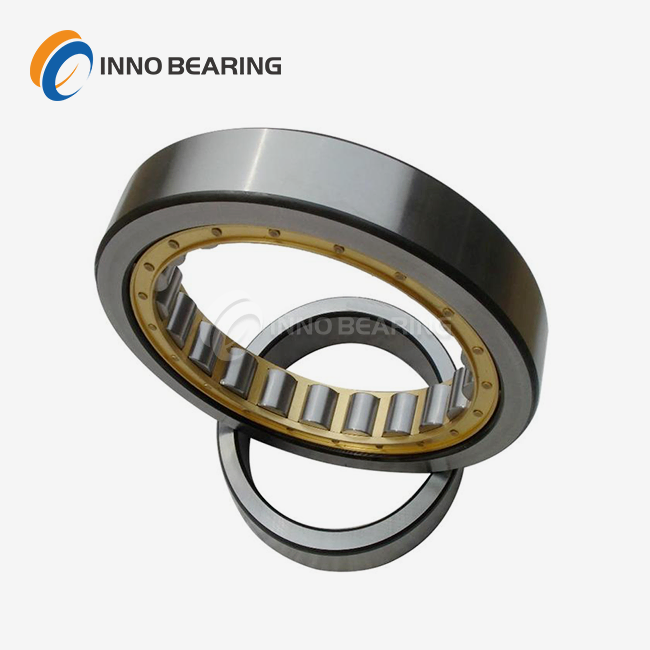
Jib crane bearing systems are essential to the smooth running of modern ports and to the efficient and safe handling of goods in all types of marine environments. These important parts allow for smooth rotational movement while holding huge loads, which has a direct effect on both safety and production. How well crane bearing systems work decides whether ports can keep running all the time or have to pay for expensive breaks. As the amount of shipping around the world keeps growing, port owners and equipment makers need to know how important it is to choose the right bearings and keep them in good shape. Quality jib crane bearing Solutions protect both the investments in tools and the safety of the people who work in harsh marine settings.

Understanding Jib Crane Bearings and Their Impact on Port Operations
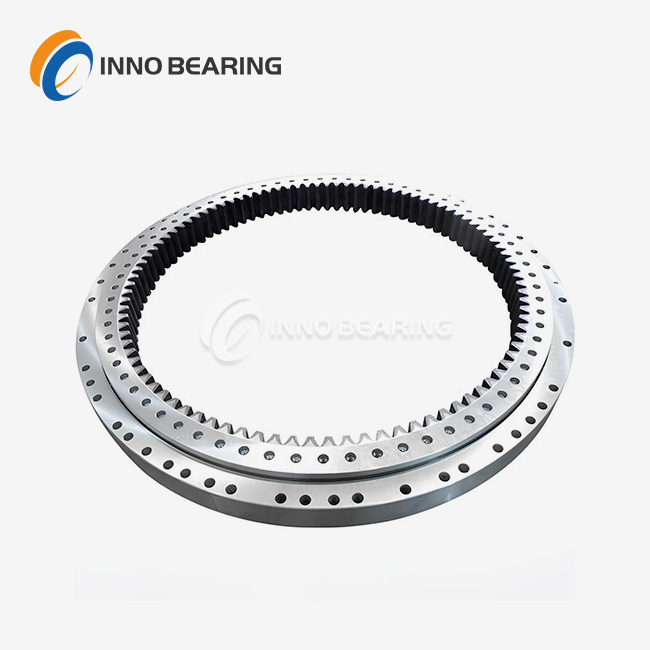
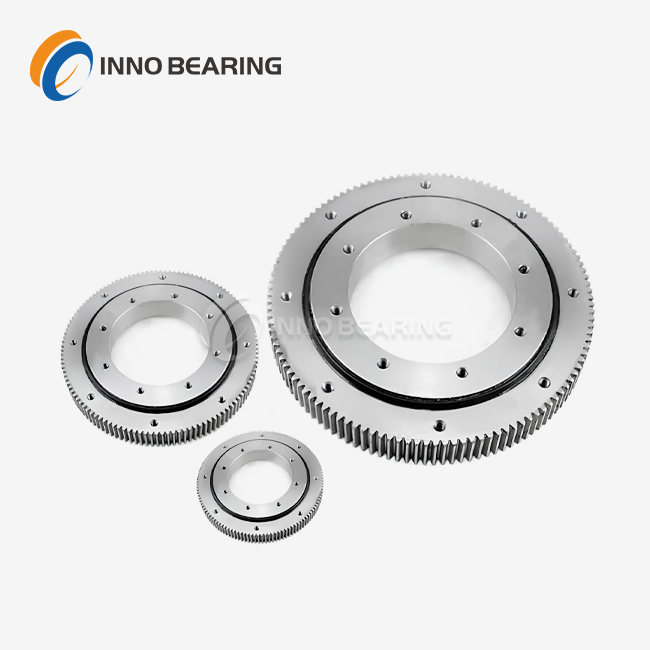
Jib crane bearings are special spinning parts that hold up the horizontal arm of port cranes and allow for precise load positioning. These strong parts have inner and outer rings, rolling elements, and protective seals that all work together to handle axial and radial loads. The bearing assembly links the spinning jib to the fixed mast of the crane. This lets the crane rotate smoothly in all directions, even when working in harsh conditions.
To survive the harsh sea climate, modern crane bearings are made with high-tech materials and technical solutions. The moving elements, which are usually steel balls or rollers, spread the load evenly across the bearing races to keep them from wearing out too quickly. Complex closing systems keep inside parts safe from saltwater getting in and contaminating them, which can happen in port settings.
The choice of material has a big effect on how well bearings work in naval settings. High-grade steel metals are very strong and last a long time, and special surface treatments make them less likely to rust. Ceramic rolling elements are better at resisting damage from electrical current and keeping their shape when temperatures change, which makes them useful in some situations.
When engineers choose crane bearings, they have to think about load levels, rotational speeds, and weather factors. The design of the bearings has to take into account both the static weight of the goods being lifted and the moving forces that are created when the crane is in use. Engineers use advanced computer models to find the best bearing geometry and material features for each port application.
Port settings have their own problems that need strong bearing solutions. Exposure to saltwater speeds up the rusting process, and changes in temperature cause rounds of thermal expansion and contraction. Without the right safety measures, dust, debris, and moisture can hurt the performance of bearings.
Knowing about these environmental factors helps people who work in procurement make smart choices about bearing standards and repair needs. Quality bearings are made with features that are specifically made to work in sea environments. This makes sure that they work reliably for the whole time they are used.
Common Problems and Maintenance Tips for Jib Crane Bearings
Seeing early signs of Jib crane bearing wear and tear stops catastrophic breakdowns and keeps port safety standards high. Noise levels that aren't normal, vibrations that get worse, and temperature rises during operation are all common signs of wear. A visual check can show harm to the surface, corrosion patterns, and a loss of lubrication, all of which are signs that upkeep is needed.
One of the main reasons why port crane bearings fail early is that they are overloaded. When you operate above the design load limits, stress builds up and speeds up wear, shortening the life of the part. When safety steps aren't enough, environmental factors like saltwater corrosion and pollution can also cause bearings to wear out.
If you don't fix something correctly, the bearings might not be lined up correctly, which can cause uneven load distribution and faster wear patterns. By teaching repair workers the right way to fix things, these problems can be avoided and the bearings will work at their best for the whole time they are in use.
Putting in place thorough repair plans increases the life of bearings and lowers the chance of unexpected breakdowns. Maintenance teams can check on the state of bearings on a regular basis and find possible problems before they become major ones. To get full performance data, these checks should include looking at the item visually, analyzing vibrations, and keeping an eye on temperatures.
Managing lubrication is a key part of making bearings last a long time. Choosing the right lube can protect against rust and keep moving parts from rubbing against each other and wearing out. Marine-grade lubricants that are more resistant to water and corrosion offer better security in port settings.
Condition tracking technologies allow predictive maintenance methods that find the best time to change bearings. Sensors can constantly check for changes in temperature, pressure, and sound sources to find problems before they get too bad. This method, which is based on data, helps maintenance teams plan fixes for planned downtime instead of having to deal with breakdowns that happen out of the blue.
Over the course of two years, a major European port cut unplanned downtime by 40% by putting in place thorough bearing repair routines for all of their cranes. The program included checks every month, better lubrication schedules, and condition tracking tools that gave real-time information on the health of the bearings.
The success of the repair program showed how important proactive care is for keeping port activities running smoothly. Less delay meant more goods moving through and happier customers, while lower emergency repair costs meant the business could make more money. These data show how important strategic bearing care is for managing ports today.
Choosing the Right Jib Crane Bearing for Your Port Operations
To choose the right crane bearings, you need to carefully look at the needs of the job and the factors of the area. It is important for load rates to take into account both static and dynamic forces that happen during regular operations, along with enough safety limits for load changes that happen out of the blue. When engineers set bearing specs, they have to think about the highest lift capacity, the length of the jib, and the operating radius.
The required rotational speed affects how the bearing is designed and how much oil it needs. For high-speed uses, bearings need to have advanced lubricating systems and internal geometries that are optimized to keep the Jib crane bearings cool and running smoothly. Heavy-load, low-speed uses put maximum load capacity and strong building ahead of speed.
Temperature ranges, humidity levels, and exposure to harmful substances are some of the environmental factors that affect the choice of material and the closing requirements. In marine settings, bearings need to be better at protecting against rust and have sealed designs that keep dirt out.
For marine uses, bearings need to be very resistant to rust so they can handle being in sea and high humidity. Specialized coats and stainless steel parts protect against corrosive attack while keeping the mechanical qualities. Modern sealing systems keep wetness and other contaminants from getting to important bearing surfaces.
When there is cyclic loading and constant activity, fatigue resistance is very important. Quality bearings use heat treatment methods and choices of materials that make their wear life the longest possible in tough working situations. If you choose the right bearings, your equipment will work reliably for as long as it's supposed to.
When there are big changes in temperature, temperature steadiness affects how well bearings work. Changes in size caused by changes in temperature can affect the gaps between bearings and the smoothness of operation. By carefully choosing the materials they are made of and being very precise during production, quality bearings keep working well at a wide range of temperatures.
Bearing makers around the world make naval crane bearings with a range of strengths and specialties. Well-known names offer a lot of technical help, a track record of dependability, and thorough quality control programs. These companies put a lot of money into research and development to make bearing technology better and make them work better in tough situations.
Quality concerns go beyond how well something works at first, and also include how reliable it is over time and how much upkeep it needs. Premium bearings usually pay for themselves over time by lasting longer, needing less upkeep, and being more reliable in use. When looking at bearing choices, these things should be taken into account when figuring out the total cost of ownership.
When choosing bearings for important uses, technical help and availability are important factors. Manufacturers with strong service networks can respond quickly to emergencies and offer ongoing expert support. This help feature is especially important for ports that are open 24 hours a day, seven days a week, because downtime costs a lot of money.
Procurement and Sourcing Strategies for Jib Crane Bearings
To find your way around the global bearing market, you need to know what each maker can do and what they specialize in. Different leading bearing businesses have skills in terms of the types of products they offer, the level of technical knowledge they have, and the areas they cover. Teams in charge of buying things have to judge sellers based on their quality standards, delivery options, and expert help resources.
Custom-engineered bearings are the best way to solve problems in specific situations, but they have longer wait times and higher minimum order amounts. Standard bearings can be delivered faster and cost less, but they may mean making design changes. How these factors are balanced depends on the needs of the program and the limitations of the system.
When buying bearings for safety-critical uses, quality control is very important. Certification, industrial guidelines, and quality control methods make sure that bearings are reliable and always do their job. Reliable providers provide detailed documentation and testing data to confirm the specs and capabilities of the bearings.
Planning for lead times has an effect on project plans and the consistency of operations. The process of making a Jib crane bearing involves precise grinding and heat treatment, which needs enough time to be done right. Knowing what the normal wait times are helps procurement teams plan orders and make sure they have enough goods on hand.
Strategies for buying in bulk can lower unit costs while keeping supplies steady for ongoing repair needs. But to keep bearings from rusting or getting dirty, they need to be stored in a controlled setting. The most efficient way to buy things is to balance the prices of goods with the needs of operations.
Technical help, guarantee coverage, and the availability of replacement parts are all parts of after-sales support. Strong service skills from suppliers are very helpful throughout the lifecycles of bearings, helping to keep equipment running smoothly and fix practical problems.
Enhancing Port Safety and Crane Efficiency Through Bearing Optimization
To get the best performance out of crane bearings, you need to use a methodical approach that takes both scientific and practical factors into account. The right choice of bearings makes sure that the load capacity is right while reducing friction and power use. Modern bearing designs include elements that make upkeep easier and increase the life of the bearing.
Load distribution optimization stops stress builds up that can cause bearings to fail before they should. The right way to build and operate a crane keeps loads within the limits of the crane's bearings and keeps it running efficiently. Teaching workers the right way to handle a crane can help it last longer and keep people safe.
Getting rid of friction makes the crane work better and protects the bearings from damage. When they are in use, high-quality bearings with improved lubricants and adjusted internal geometry lose as little energy as possible. This increase in efficiency cuts down on running costs and makes the business more environmentally friendly.
Modern condition tracking systems give health information in real time, which lets repair plans be planned ahead of time. Vibration analysis finds problems before they get too bad, which lets maintenance teams plan fixes for when the machine is supposed to be down. Temperature tracking finds problems with greasing and overloads that could hurt bearings.
Acoustic emission tracking finds cracks starting and spreading in bearing parts, giving early warning of possible failures. This technology makes it possible to precisely time when bearings need to be replaced to improve both safety and cost. When crane control systems are integrated, automatic alerts can be sent when bearing conditions need attention.
The ability to analyze data helps repair teams find patterns and improve the performance of bearings over time. Patterns can be found in historical data that help with better repair plans and choosing bearings. This analytical method keeps making operations efficiency and the way bearings are managed better.
To figure out how well a bearing is working, you need to use standard measurements that keep track of both stability and efficiency. The mean time between fails shows how long a bearing will last and how well it can be maintained. Metrics that measure how much downtime is avoided show how useful preventative bearing management methods are.
Monitoring energy use shows how efficient bearings are and finds ways to make them work better. When bearings are well taken care of, they need less power to run, which lowers the total cost of running a crane. Keeping an eye on these measures helps show that spending money on good bearings and thorough repair programs is worth it.
Getting fewer safety incidents is the best way to tell if a bearing program is working. When bearings are reliable, equipment doesn't break down, which could put people in danger or damage goods. Keeping thorough safety records shows how important it is to use good bearing solutions and do regular repair.
Conclusion
Jib crane bearing dependability is the cornerstone of effective and secure port activities all over the world. Choosing the right bearings and following thorough repair plans will keep the crane running smoothly and safely, protecting both the equipment and the people who work on it. Procurement pros can find the best bearing solutions for marine uses by learning about the technical needs and environmental issues that come up. Advanced monitoring tools and proactive repair methods extend the life of bearings while reducing downtime. As global maritime trade continues to grow, it becomes more and more important to invest in high-quality bearing solutions and skilled repair programs to keep port operations competitive and meet long-term safety standards.
FAQ
How often should jib crane bearings be inspected when they are used in water?
Visual checks once a month and thorough assessments every three months are the best ways to keep an eye on most port crane uses. Marine settings need more frequent care because of the saltwater and rough working conditions. By sending constant health data between planned checks, condition tracking systems can make the time between them longer.
What's the difference between sealed and open bearings when used in ports?
Sealed bearings have walls that keep dirt and water out, which makes them perfect for marine settings where they will be exposed to saltwater and debris. It's easy to grease unsealed bearings, but they need more frequent upkeep and protection. Because of the harsh climate, most port crane uses profit from sealed designs.
Which bearing materials don't rust the most when used in the sea environment?
For naval crane uses, stainless steel parts are very resistant to corrosion. Specialized coatings and surface processes make security even better against damage from saltwater. Ceramic rolling elements are more resistant to rust than other materials, but they cost more. This means they are only good for very important uses that need to be very reliable.
Work with INNO Bearing to Get the Best Jib Crane Bearings
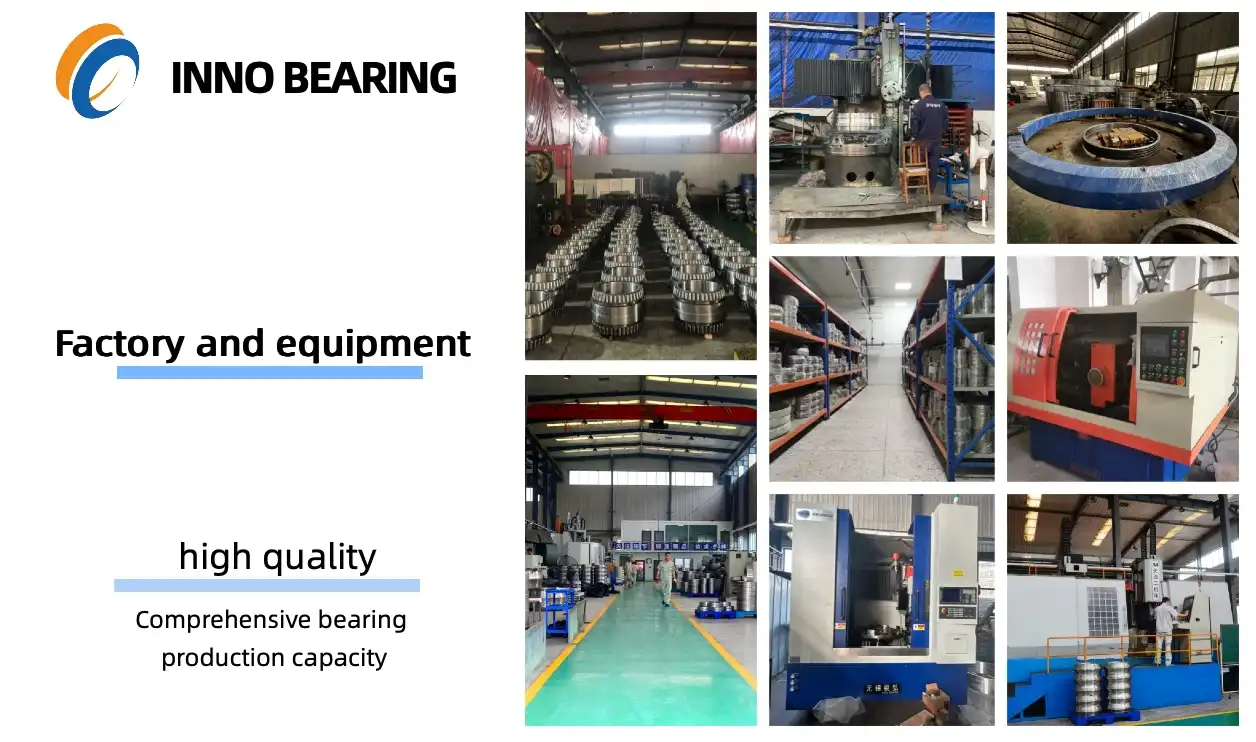
With almost 30 years of experience, INNO Bearing knows how to make high-performance bearings for tough naval uses. Our engineering team creates one-of-a-kind options up to φ5000mm in diameter, making sure that they work perfectly with your port crane needs. As a reliable maker of jib crane bearings, we offer full expert help throughout the whole project lifecycle. Advanced testing tools and strict quality control procedures make sure that bearings will work reliably in harsh naval settings. Email our experts at sales@inno-bearing.com to talk about your unique needs and get full technical specs for your next project.
References
Maritime Crane Engineering Standards and Safety Protocols, International Association of Ports and Harbors, 2023.
Heavy-Duty Bearing Applications in Marine Equipment: Design and Maintenance Guidelines, American Society of Mechanical Engineers, 2022.
Port Equipment Reliability and Maintenance Best Practices, World Port Development Conference Proceedings, 2023.
Advanced Materials in Marine Bearing Applications: Performance and Durability Analysis, Journal of Marine Engineering Technology, 2022.
Condition Monitoring Systems for Port Crane Equipment: Implementation and Results, International Port Technology Symposium, 2023.
Load Analysis and Bearing Selection for Large-Scale Port Cranes, Society of Naval Architects and Marine Engineers Technical Papers, 2022.

Learn about our latest products and discounts through SMS or email