- English
- French
- German
- Portuguese
- Spanish
- Russian
- Japanese
- Korean
- Arabic
- Greek
- German
- Turkish
- Italian
- Danish
- Romanian
- Indonesian
- Czech
- Afrikaans
- Swedish
- Polish
- Basque
- Catalan
- Esperanto
- Hindi
- Lao
- Albanian
- Amharic
- Armenian
- Azerbaijani
- Belarusian
- Bengali
- Bosnian
- Bulgarian
- Cebuano
- Chichewa
- Corsican
- Croatian
- Dutch
- Estonian
- Filipino
- Finnish
- Frisian
- Galician
- Georgian
- Gujarati
- Haitian
- Hausa
- Hawaiian
- Hebrew
- Hmong
- Hungarian
- Icelandic
- Igbo
- Javanese
- Kannada
- Kazakh
- Khmer
- Kurdish
- Kyrgyz
- Latin
- Latvian
- Lithuanian
- Luxembou..
- Macedonian
- Malagasy
- Malay
- Malayalam
- Maltese
- Maori
- Marathi
- Mongolian
- Burmese
- Nepali
- Norwegian
- Pashto
- Persian
- Punjabi
- Serbian
- Sesotho
- Sinhala
- Slovak
- Slovenian
- Somali
- Samoan
- Scots Gaelic
- Shona
- Sindhi
- Sundanese
- Swahili
- Tajik
- Tamil
- Telugu
- Thai
- Ukrainian
- Urdu
- Uzbek
- Vietnamese
- Welsh
- Xhosa
- Yiddish
- Yoruba
- Zulu
Common Failure Modes of Spherical Roller Bearings
When Spherical roller bearings fail, they can completely wreck industrial processes, causing expensive downtime and damage to the equipment. With their double-row spherical roller structure, these self-aligning roller bearings can handle rotational loads and make up for installation errors. Engineers and procurement managers can make more effective failure prevention plans, though, if they know about common failure modes like wear and tear, lubrication breakdown, contamination, misalignment, rust, and electrical erosion. With the right analysis and upkeep, bearings can last a lot longer, making sure they work reliably in tough environments like wind turbines and mining equipment.
Understanding Spherical Roller Bearing Failure Modes
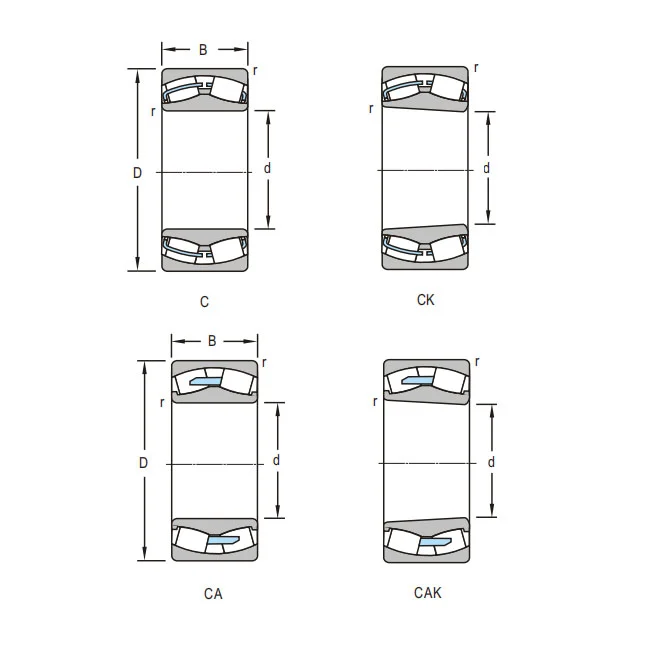
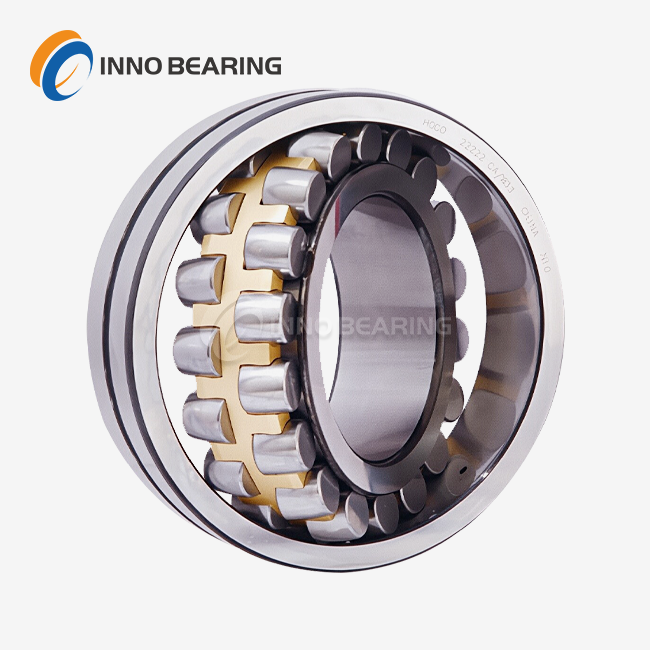
Spherical roller bearings are important parts of heavy-duty machinery in many industries. They are valuable for their high load capacity and ability to self-align, which means they can work with shaft displacement of up to two to three degrees. These bearings have a special design. The inner ring has a circular raceway, and the outer ring has two ribs that hold double-row rollers in cages made of stamped steel or brass. Because they can handle both radial and axial loads and fix installation flaws, they are essential in many areas, from electric motors and reducers to building machinery and port equipment.
Primary Failure Categories
An understanding of the basic failure modes helps engineers predict problems and come up with good repair plans. The most common types of failure affect the performance and life of bearings in different ways, and each needs its own way of diagnosing problems and keeping them from happening.
Fatigue failures are the most common problem. They usually show up as surface flaking or cracks spreading below the surface because of repeated stress cycles. Most of the time, these problems happen when bearings are used past their estimated fatigue life or when they are loaded more than they were meant to handle. When wind turbine main shaft bearings are put under changing loads and external stresses, they often break down because of wear.
Lubrication-Related Failures
Another important type of failure is lubrication breakdown, which can happen when proper repair plans aren't followed. More contact, higher temperatures, and faster wear happen when there isn't enough lubricant. When lubricants are contaminated, they release sharp particles that damage bearing surfaces. Also, choosing the wrong oil for the job can cause the bearings to break down too soon.
Environmental and Operational Factors
When outside particles get through bearing seals and bring in dirt, water, or acidic substances that hurt rolling elements and raceways, this is called a contamination failure. In mining and metalworking, settings with rough particles and harsh chemicals pose a special danger to the integrity of bearings. In these tough situations, sealed versions with better security become necessary.
Misalignment and installation mistakes cause uneven load distribution, which causes wear patterns to appear faster and the service life to be shorter. Electrical erosion, which happens more and more in modern machines with variable frequency drives, damages spherical roller bearing surfaces in a way that looks like craters. This is because electrical current flows through the bearing.
Root Causes Behind Common Failure Modes
Bearing problems aren't usually caused by a single factor. Instead, they're caused by complex relationships between mechanical, lubrication-related, and environmental factors. When you know these underlying causes, you can take focused preventative steps that make sure your equipment will last in harsh industrial settings.
Mechanical Factors
Overloading is still the main technical reason why bearings fail. This happens when loads are applied that are higher than what was intended or when changing load conditions create stress concentrations that were not expected. Bearings are often put through shock hits and vibrations that wear down internal parts over time when they are used in heavy machinery, especially in mining and building. These situations can make tiny cracks appear in steel that is used for bearings. These cracks can spread over time and finally cause the steel to fail completely.
Misalignment problems are often caused by bad fitting methods or the effects of thermal growth on big machines. When the alignment of the shaft goes beyond what the bearing can self-align, uneven load distribution leads to stress buildup in certain areas. The resulting wear patterns usually show up as vertical lines on the raceway surface, which means that something needs to be fixed right away.
Lubrication System Deficiencies
Failures caused by lubrication include a number of important issues that repair teams need to take care of right away. If you don't use enough lubrication, metals will touch each other and cause too much heat and wear. This is called border lubrication. On the other hand, too much oil can lead to spinning losses and higher temperatures, especially in high-speed situations.
Choosing the wrong lubricants for certain working situations is a common mistake that can have very bad results. For use in high-temperature situations, synthetic lubricants with better thermal stability are needed. For heavy-load situations, lubricants with better extreme-pressure additives are needed. Lubricants that are contaminated with abrasive bits and water speed up the wear and tear on bearings, so it is important to follow the right storage and handling methods.
Environmental Challenges
Environmental factors, especially in tough industrial areas, can shorten the life of bearings. When moisture gets into bearing surfaces, it causes corrosion and oil to break down. Extreme temperatures change the features of materials and the viscosity of lubricants. Chemicals used in process industries can make materials not work well together, so they need special coats or other support materials.
Even though they happen less often with reliable sources, manufacturing flaws can lead to stress concentrations or differences in size that affect the performance of spherical roller bearings. Quality control methods, such as checking the hardness of the material and making sure it was ground precisely, help find problems before they are installed.
Diagnosing Failure Modes: Case Studies and Practical Examples
Accurately identifying a failure allows for quick repairs and less costly downtime, so maintenance teams that are in charge of important tools need to be able to diagnose problems. Modern diagnostic methods use both traditional inspection methods and modern tracking tools to give a full picture of the bearing's health and available service life.
Case Study: Fatigue Failure in Wind Turbine Applications
A client in the wind energy industry had premature main shaft bearing problems within two years of installation, which was a long time shorter than the expected 20-year service life. A close look at the inner track showed clear spalling patterns that pointed to wear and tear caused by tiredness. An investigation showed that the wrong bearings were chosen for the load profile, as axial loads from the rotor speed exceeded the design limits.
Vibration analysis data showed higher frequencies that were related to problems inside the race, and thermographic imaging showed that the temperature rose locally around the damaged areas. The oil study showed that there were a lot of metal particles, which proved that the wear was getting worse over time. Upgrading to heavy-duty bearings made of 42CrMo steel and with higher load ratings was the answer. Better tracking systems were also put in place to find similar problems early.
Lubrication-Related Breakdown Analysis
The rolling mill at a steel plant broke down after only 18 months of use, which was much shorter than the expected service time. A diagnostic test showed that the oil was breaking down because of high temperatures (above 150°C). The first mineral-based grease wasn't good enough for long-term use at high temperatures, which caused the lube film to thin out and metal contact to rise.
Advanced Diagnostic Techniques
Modern methods of diagnosis use a number of different tools to give full health exams. With these advanced techniques, maintenance teams can use data to create strategies that protect production consistency, extend the life of bearings, and increase their usefulness.
Vibration analysis is still an important part of diagnosing bearing problems because it can find problems months before they show any signs. When accelerometers are placed close to bearing housings, they pick up specific frequency patterns that show what kind of fault it is. It is possible to figure out the rates of inner race defects by looking at the geometry of the bearing and its working speed. On the other hand, the signature patterns of outer race and rolling element defects are different.
Monitoring the state of the oil gives you useful information about how bearings wear out and how healthy the grease is. Spectroscopic research finds metallic wear particles, and particle counts measures the amount of contamination. By looking at these factors' trends over time, you can see patterns of gradual wear and tear and plan repair in advance. Thermographic imaging finds changes in temperature that could mean problems are starting. This is especially helpful for finding greasing problems and alignment problems.
Effective Prevention and Maintenance Strategies
Using proactive maintenance plans can cut down on spherical roller bearing failures by a large amount while also improving running costs and machine dependability. These all-around methods cover everything from how to install the bearings to managing their greasing and keeping an eye on their state to get the most out of their service life in tough industrial settings.
Installation and Alignment Best Practices
For bearings to work reliably, they need to be installed correctly, which means paying close attention to mounting methods and alignment limits. A clean work area keeps things from getting dirty during installation, and using the right heating methods makes sure that interference fits have even thermal expansion. With hydraulic fastening tools, you can control how much force is applied, which keeps the bearing surfaces or internal structure from getting damaged.
Preparing the shaft and case requires careful attention to detail when it comes to size and finish. The sides of the shaft must provide enough support without putting too much stress on any one area, and the housing fits must be carefully machined to meet certain standards. Using laser measurement tools for alignment makes sure that the centerlines of the shafts stay within acceptable limits. This stops loads that are caused by errors from wearing them out too quickly.
Lubrication Management Systems
Lubrication management that works well includes choosing the right oils for the job, using them correctly, and keeping an eye on them. The following important factors must be taken into account to ensure the best bearing performance in a wide range of situations:
- Choose the right lubricant: For high-temperature uses, you need synthetic base oils that are more stable at high temperatures, and for big loads, you need extreme-pressure additives that work better. Lithium-based greases that are very resistant to water work well with sealed bearings, especially in naval settings.
- Application Methods: Automatic lubrication methods give the right amount of oil every time, so mistakes are less likely to happen. Centralized systems make it possible to grease multiple bearing points at the same time, which makes servicing more efficient for complicated machines.
- Controlling Contamination: Storing lubricant properly in covered cases keeps particles and water from getting into the lubricant. Filtration systems get rid of impurities in systems that circulate oil, which makes the grease and bearings last longer.
These cleaning methods greatly lower the rate of wear and increase the time between maintenance visits. This saves a lot of money because it cuts down on downtime and replacement costs.
Condition Monitoring Technologies
Advanced tracking systems allow predictive maintenance methods that find the best time to change bearings while also avoiding breakdowns that were not expected. IoT-enabled sensors let centralized tracking systems keep an eye on things all the time by sending real-time data on activity, temperature, and sound emissions.
Smart bearing technologies put monitors right into the bearing systems, which gives us a new way to see what's going on inside. These systems keep a very close eye on the spread of load, changes in temperature, and patterns of shaking, which lets problems be found early on. Wireless transmission gets rid of the need for complicated wiring and provides constant data streams for analysis.
Enhancing Reliability: Advances and Product Solutions
As technology keeps getting better, bearing design and materials keep getting better, too. This makes them work better in situations that are getting harder to handle. These new ideas deal with common ways things go wrong while also adding new features that make things last longer and need less upkeep.
Material and Design Innovations
The performance of modern spherical roller bearing materials is greatly enhanced by their improved metallurgy and surface processes. Ceramic rolling elements are great for uses that need to pass electrical current or are in tough chemical conditions because they don't rust and don't conduct electricity. Newer bearing steels that are less likely to wear down can handle heavier loads and keep their shape at high and low temperatures.
Low-friction surfaces lower the amount of internal friction and wear. This is especially helpful in situations where there isn't much lubricant. These special processes for the surface can cut down on friction by up to 40% while also making it more resistant to rust. New developments in heat treatment make hardness ranges more regular and improve residual stress patterns, which extend fatigue life.
Seal and Cage Developments
Enhanced closing systems protect against pollution better while keeping their low friction properties. Multi-lip seals made of special rubber materials can stand up to harsh chemicals and high temperatures. Non-contacting labyrinth seals have very little friction loss and are very good at keeping solid contaminants out.
The main goals of improving the cage design are to make it stronger and make it easier for lubricants to run through it. Glass-fiber reinforced polymer cages are lighter and more resistant to chemicals than other materials. Better lubricant spread and less churning losses in high-speed uses are helped by optimized cage shape.
Procurement Considerations for Reliability
While choosing the right suppliers and goods, you need to think about more than just the original cost. Total cost of ownership and operating reliability are affected by lead times, the ability to customize, and help after the sale in a big way. Product reliability is higher when the maker has been around for a while, has a lot of testing facilities, and has quality standards.
When choosing bearings for important uses, technical help becomes very important. If a supplier offers finite element analysis, custom design services, and application engineering support, it can help you choose the best bearings for your needs. Quality documentation, such as material certifications and test records, helps quality control programs keep track of things and make sure they are correct.
Conclusion
To understand and stop common failure modes in spherical roller bearings, you need to look at the design choices, fitting methods, and maintenance routines all together. Adding new materials, better sealing systems, and advanced tracking technologies keeps making bearings more reliable while lowering their running costs. For prevention strategies to work, they need to combine the right bearing specifications with proactive maintenance plans that use data from condition tracking to figure out the best time to replace the bearings. Buying good bearings from reputable companies and keeping them in good shape will pay off in the long run by reducing downtime and increasing the life of the equipment.
FAQ
What are the early warning signs of spherical roller bearing failure?
Noise patterns that aren't normal, high working temperatures, and higher amounts of vibration are early signs. When internal damage starts to show, acoustic emissions often change from smooth operation to grinding or rumbling sounds. Temperature tracking shows hot spots that could mean there are problems with greasing or more friction from wear. Vibration analysis finds patterns of frequencies that are unique to a fault type months before any visible signs show up.
How often should spherical roller bearings be inspected in industrial applications?
How often you should inspect something depends on how it's being used and how important it is. Heavy-duty uses in mining or metalworking need eye checks every month and full evaluations every three months. Standard industrial uses usually benefit from inspections every three months and full reviews once a year. Condition-based maintenance, which chooses the best time for inspections based on how healthy the bearings really are instead of just following a plan, is made possible by continuous tracking systems.
Can sealed bearings completely prevent contamination-related failures?
Although protected bearings do a great job of keeping out contaminants, they can't completely eliminate all the chances of them getting in. How well a seal works relies on the type of contamination, the working conditions, and the form of the seal. Most industrial toxins can't get through closing systems that are properly built and use the right elastomer materials. But in extreme situations, extra safety may be needed through changes to the building or environmental controls around the installations that hold weight.
Partner with INNO Bearing for Reliable Spherical Roller Bearing Solutions
INNO Bearing has been making things for almost 30 years and can help you solve problems with bearing failure and make your tools more reliable. Our wide selection of self-aligning roller bearings, made from GCr15 bearing steel and with exact P0/P6 levels, can handle the toughest industrial tasks. We are experts at making unique Solutions up to Ά5000mm in diameter, and we help a wide range of businesses, from heavy mining to wind energy. To get the most out of your bearing investment, our expert team helps you with failure analysis, application planning, and preventive maintenance. Get in touch with our spherical roller bearing manufacturer team at sales@inno-bearing.com to talk about your unique needs and find out how our tried-and-true solutions can improve the efficiency of your operations.
References
Harris, T.A. and Kotzalas, M.N. "Essential Concepts of Bearing Technology: Rolling Bearing Analysis." CRC Press Engineering Handbook, 2019.
ISO 281:2017. "Rolling Bearings - Dynamic Load Ratings and Rating Life." International Organization for Standardization Technical Committee Report.
Tallian, T.E. "Failure Atlas for Hertz Contact Machine Elements." American Society of Mechanical Engineers Tribology Standards, 2018.
Wälzlager-Schadensfälle. "Bearing Failure Analysis and Prevention Methods in Industrial Applications." SKF Group Technical Publication, 2020.
Neal, M.J. "Tribology Handbook: Rolling Element Bearing Failure Modes and Diagnostic Techniques." Butterworth-Heinemann Industrial Engineering Series, 2021.
Eschmann, P. and Hasbargen, L. "Ball and Roller Bearing Technology: Failure Analysis and Prevention Strategies." John Wiley & Sons Mechanical Engineering Reference, 2019.

Learn about our latest products and discounts through SMS or email