- English
- French
- German
- Portuguese
- Spanish
- Russian
- Japanese
- Korean
- Arabic
- Greek
- German
- Turkish
- Italian
- Danish
- Romanian
- Indonesian
- Czech
- Afrikaans
- Swedish
- Polish
- Basque
- Catalan
- Esperanto
- Hindi
- Lao
- Albanian
- Amharic
- Armenian
- Azerbaijani
- Belarusian
- Bengali
- Bosnian
- Bulgarian
- Cebuano
- Chichewa
- Corsican
- Croatian
- Dutch
- Estonian
- Filipino
- Finnish
- Frisian
- Galician
- Georgian
- Gujarati
- Haitian
- Hausa
- Hawaiian
- Hebrew
- Hmong
- Hungarian
- Icelandic
- Igbo
- Javanese
- Kannada
- Kazakh
- Khmer
- Kurdish
- Kyrgyz
- Latin
- Latvian
- Lithuanian
- Luxembou..
- Macedonian
- Malagasy
- Malay
- Malayalam
- Maltese
- Maori
- Marathi
- Mongolian
- Burmese
- Nepali
- Norwegian
- Pashto
- Persian
- Punjabi
- Serbian
- Sesotho
- Sinhala
- Slovak
- Slovenian
- Somali
- Samoan
- Scots Gaelic
- Shona
- Sindhi
- Sundanese
- Swahili
- Tajik
- Tamil
- Telugu
- Thai
- Ukrainian
- Urdu
- Uzbek
- Vietnamese
- Welsh
- Xhosa
- Yiddish
- Yoruba
- Zulu
How to Choose the Right Roller Bearing Slewing Ring?
Selecting the appropriate roller bearing slewing ring requires careful evaluation of load requirements, environmental conditions, material specifications, and supplier reliability. These robust components utilize cylindrical or tapered rollers as rolling elements, delivering superior load-bearing capacity compared to ball bearings while maintaining smooth rotational movement under extreme operational demands. The choice depends on specific application parameters including axial and radial loads, operating temperatures, corrosion resistance needs, and dimensional constraints within your machinery design.
Understanding Roller Bearing Slewing Rings
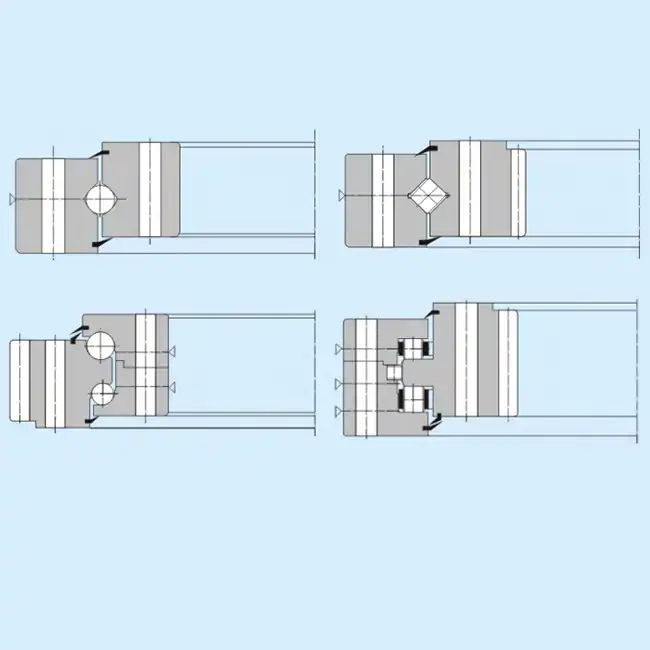
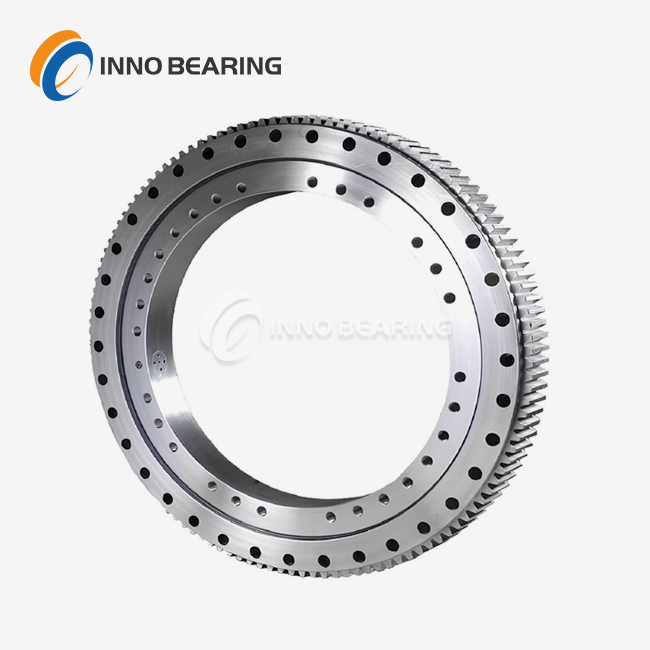
Heavy-duty rotational gear is held together by roller bearing slewing rings, which have a high load-bearing capacity and offer smooth operation. These complex mechanical parts can handle axial, radial, and moment loads at the same time, and they also allow for constant spinning movement in harsh industrial settings.
Core Design and Working Principles
The basic design uses a circular structure with thick walls that has inner and outer rings with two raceways each. Built-in cylinder rollers with one or more rows effectively spread loads across all touch areas. Steel cages keep the rollers spaced correctly and stop them from skewing. The heavy-duty seals keep the inside parts clean, and the fixing holes are designed so that they won't come free even when the unit is vibrating.
These parts work with rolling friction instead of sliding friction, which greatly lowers the amount of energy they use and the rate at which they wear out. Because they have a bigger contact area, the roller elements can handle more weight than ball bearings. This makes them perfect for situations where weight and space limitations require the highest load capacity per unit size.
Material Composition and Structural Advantages
Premium roller bearing slewing rings are made from high-quality materials that are best for the job. The inner and outer rings are usually made of 50Mn or 42CrMo steel, which is very good at resisting wear and keeping its shape. GCr15 or GCr15SiMn steel is used for rolling parts. GCr15SiMn steel is better at resisting pressure in shock-loading situations.
Seal materials come in nitrile rubber for everyday use and fluororubber for places with a lot of oil or high temperatures. This choice of material allows it to work in temperatures ranging from -40℃ to +150℃, meeting the needs of a wide range of industries, from arctic mines to steel mill equipment.
Size Range and Application Versatility
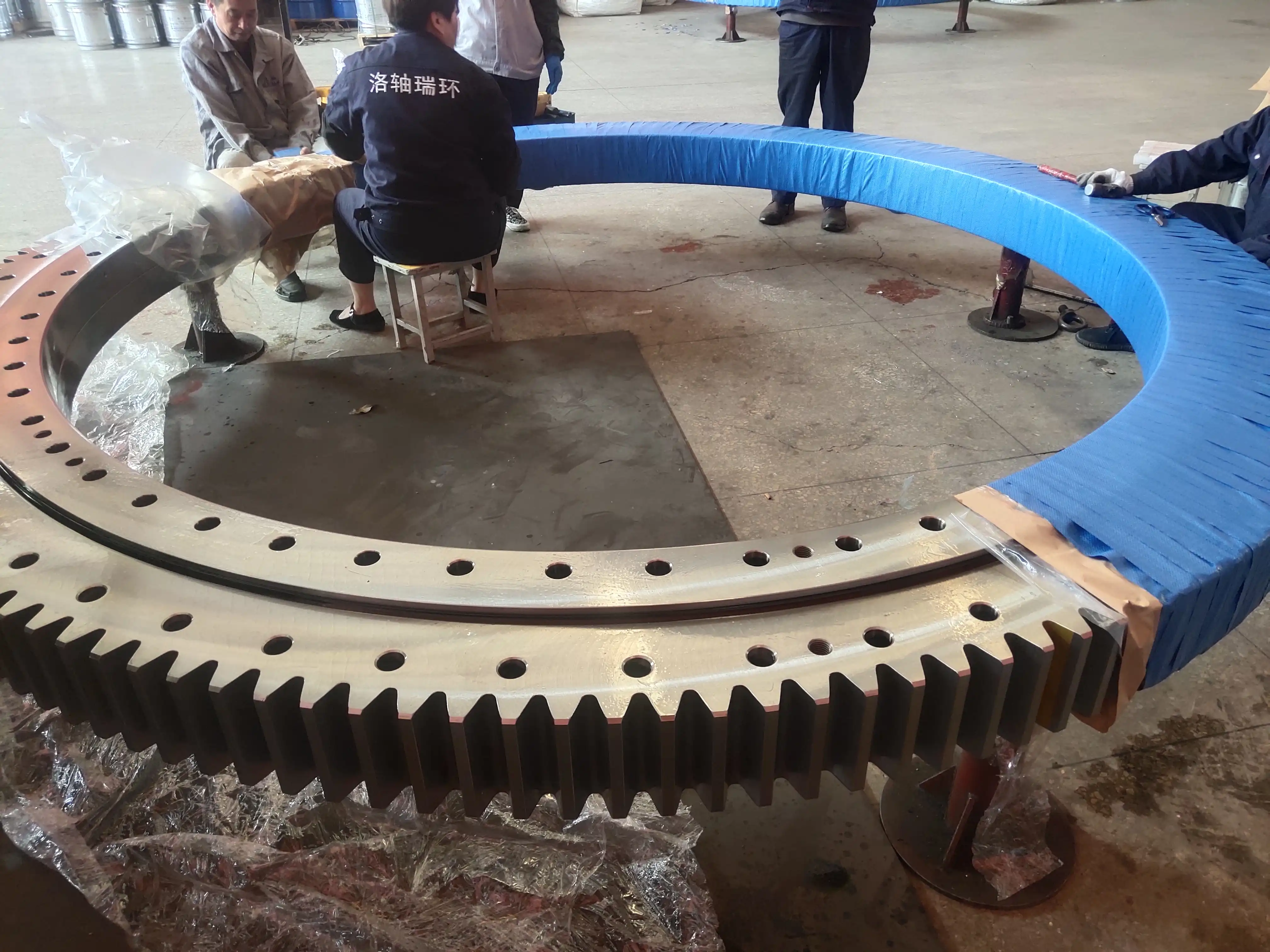
Standard sizes run from 500 mm to 3000 mm in diameter on the outside, 450 mm to 2850 mm in diameter on the inside, and 25 mm to 100 mm in height. Custom Solutions can work with bigger sizes (up to 5000 mm in diameter), which means they can support huge pieces of machinery in mines, port operations, and wind power generation.
Key Criteria for Choosing the Right Roller Bearing Slewing Ring
For choosing to go well, many technical and practical factors must be carefully considered and weighed. By knowing these factors, procurement teams can fit the bearing's capabilities to the needs of the application while also getting the best performance and service life.
Load Capacity Requirements
Load study is the first step in choosing the right bearings. Axial loads come from forces that are going up or down, radial loads from forces that are going across or down, and moment loads from loading that isn't centered. Modern roller bearing slewing rings can handle axial loads of up to 15,000kN and radial loads of up to 10,000kN. However, the exact needs depend on the application.
Dynamic load ratings show how much weight something can hold when it is spinning, while static load ratings show how much weight something can hold when it is still or moving slowly. Depending on how important the application is and how much the load changes, safety factors are usually between 1.5 and 3.0. Because wind loads are hard to predict, wind turbine turning systems need higher safety margins. On the other hand, controlled industrial equipment needs lower safety margins to work.
Environmental Considerations and Operating Conditions
The operating setting has a big effect on the choice of bearings and the performance standards. Extreme temperatures change the qualities of materials and make lubrication less effective. For uses that go beyond normal temperature ranges, you need to use a special heat treatment or improve the materials.
Exposure to contamination requires the right choice of seals and security methods. Multi-labyrinth seals and protective coats are needed in mining environments with rough dust, while marine environments need materials that don't rust and seals that work better. When chemicals are used in metalworking processes, they may need special sealants or surface treatments.
The speed of operation changes the design requirements and greasing needs of the bearings. For high-speed uses, roller systems that are balanced and cage designs that are optimized are needed. For low-speed, high-torque uses, load sharing and anti-fretting measures are most important.
Precision and Accuracy Requirements
The accuracy and efficiency of a bearing are based on its precision grade. ISO P5–P6 grades work well in most industrial settings because they are stable and have standard machining limits. P4 precision is used in radar tracking systems and precision manufacturing tools, among other things, that need to be very accurate.
Specifications for clearance affect how well a bearing works under different loads. The right choice of clearance takes into account temperature expansion, deformation caused by load, and assembly errors, all while keeping the best contact patterns and load distribution.
Comparing Roller Bearing Slewing Rings with Alternatives
By learning about the different bearing technologies that are available, you can make smart choices about which one to use based on your unique needs and goals.
Roller vs Ball Bearing Performance
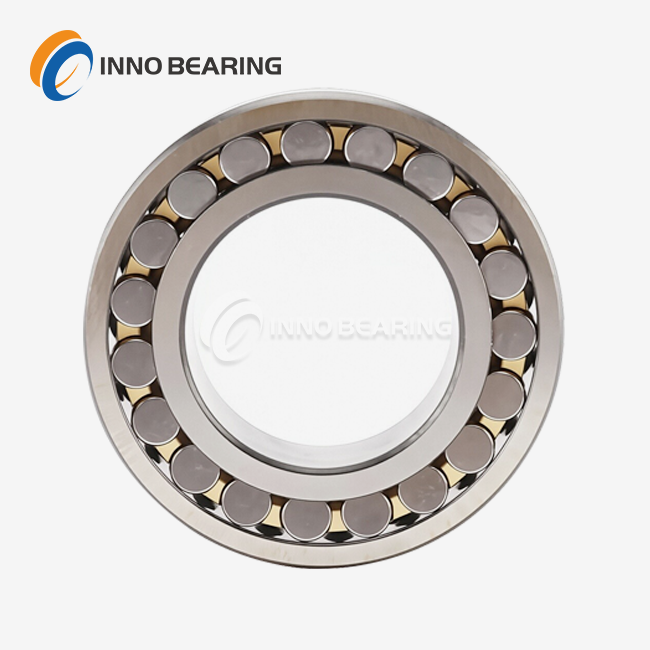
Roller bearing slewing rings work great in heavy-duty situations because the contact area between the moving elements and raceways is bigger. This design benefit makes it possible for 30–50% more load capacity than ball bearing units of the same size. Line contact between rollers and balls better spreads loads than point contact between balls and rollers. This lowers stress clusters and increases service life under heavy loads.
When used at high speeds, ball bearings are better than other types of bearings because they can handle loads with large moment components better. Their lower friction makes them good for uses that care more about energy economy than maximum load capacity. Ball bearings can also handle misalignment better than roller bearings, which makes them good for situations where mistakes could happen during installation or where the structure might bend.
Cross Roller and Tapered Roller Alternatives
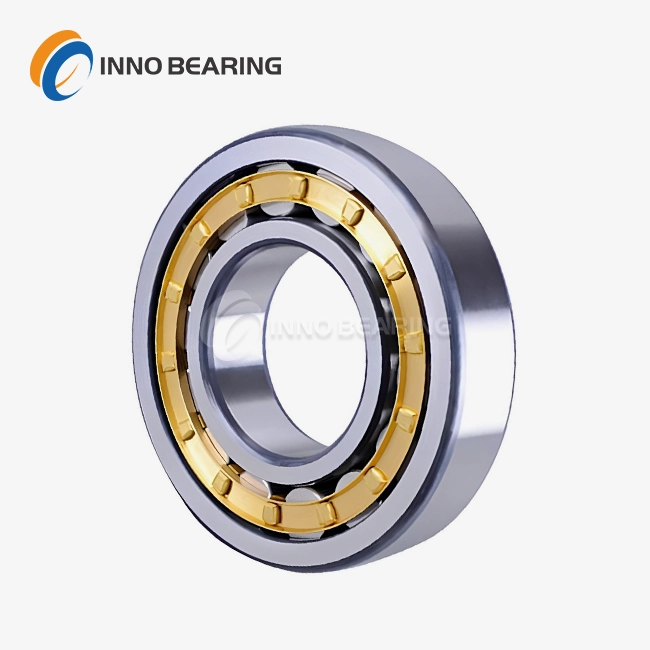
Through their perpendicular roller design, cross roller bearings offer high stiffness and precision, making them perfect for uses that need very little deflection under load. But because they are more complicated, they cost more to make and come in fewer sizes than single-row roller designs.
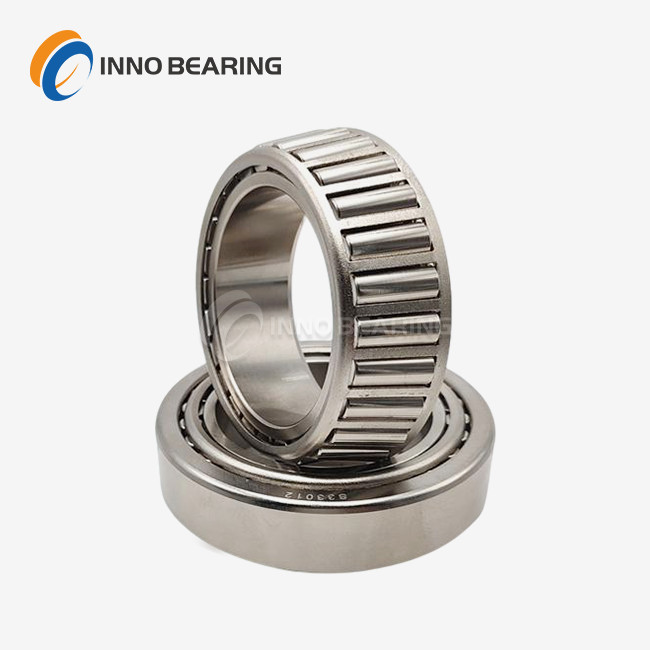
Because the contact shape is at an angle, tapered roller designs can handle both axial and radial loads well. This design works well for situations where axial pressure is the main force, but it needs careful preload adjustment and is usually harder to maintain than cylindrical roller setups.
Cost-Effectiveness and Lifecycle Value
The costs of buying something are only a small part of the total costs of owning. Although roller bearing slewing rings are more expensive than ball bearing alternatives, they are a better deal because they last longer and need less upkeep in heavy-duty situations.
A lifecycle cost study should look at how much energy is used, how often things need to be fixed or replaced, and how much it costs to have them shut down. Roller bearings usually last 20 to 35 percent longer in the right situations. This makes up for their higher original cost by lowering the number of times they need to be replaced and the amount of work that needs to be done on them.
Procurement Tips: Where and How to Buy Roller Bearing Slewing Rings
Strategic buying makes sure that you can get good items while keeping costs and delivery times under control. Making the best buying choices requires knowing what suppliers can do and how the market works.
Supplier Evaluation and Selection
Reliable makers for roller bearing slewing rings have a lot of knowledge, the latest tools for making things, and strict quality control systems. Established providers keep a wide range of products in stock, offer technical support, and have global service networks that are necessary for mission-critical roller bearing slewing ring uses.
When evaluating a company's manufacturing capabilities, it should look at its heat treatment facilities, precise machining tools, and quality control systems. When compared to suppliers who only do assembly, those who also do shaping usually offer better material qualities and better cost control. Vibration analysis, noise measurement, and wear testing are some of the testing methods that show a commitment to product quality and dependability.
Standard vs Custom Solutions
Standard store items are ready to ship right away and have been shown to work well in typical situations. These options work well for uses that need regular sizes and normal working conditions. When inventory is available, repair and substitute needs can be met quickly.
When there are special materials, unique size needs, or harsh working conditions, custom engineering is needed. For wind turbine uses, custom designs are often needed to make the best use of weight distribution and fit specific nacelle setups. For tough environments, mining equipment may need special coats or ways to seal itself.
Procurement Best Practices and Lead Time Management
Strategies for buying in bulk can lower unit costs and make sure that there are enough supplies for ongoing production needs. Making promises to buy in bulk can often get you better prices and earlier ordering for production. But the costs of keeping goods and the risk of items becoming obsolete must be weighed against the saves in buying things.
When planning the lead time, you should think about where to get the materials, how hard the manufacturing will be, and how the quality will need to be checked. Standard items can be shipped within 48 hours if they are in stock, but unique designs need three to five weeks for planning and production. Large handmade bearings with a diameter of more than 3000 mm may take 6 to 8 weeks to make because they need to be forged and heated in a certain way.
Maintenance and Installation Best Practices to Maximize Lifespan
Installing and maintaining roller bearing slewing ring bearings correctly has a direct effect on how well they work and how long they last. Understanding these needs helps you get the best return on your investment and keep unexpected downtime to a minimum.
Installation Procedures and Common Errors
To do a proper fitting, you must first carefully check the surfaces that fit together and the mounting tools. To make sure the load is spread out evenly, surface finish standards usually list the highest levels of roughness and the smallest amounts of flatness. Specifications for mounting bolts include the amount of power needed and how to prepare the threads so that they don't come loose when the machine is vibrating.
Some common installation mistakes are not properly preparing the surface, using the wrong pin strength, and not handling the installation properly. To avoid damage while placing, heavy slewing rings need to be lifted with the right tools and methods. Verifying the alignment makes sure that the gears fit correctly and that the load is spread evenly across the bearing assembly.
Lubrication and Monitoring Strategies
The type of lubrication used relies on the environment, the speed that needs to be maintained, and the working conditions. Synthetic lubricants with the right viscosity characteristics across the working temperature range are needed for high-temperature uses. In dirty places, lithium complex greases work well because they are very good at resisting water and dirt.
Relubrication times depend on how the machine is used and the type of oil used. Continuous use in clean areas can increase the time between checks to 2,000 to 3,000 hours, but situations with a lot of dust or high temperatures need to be checked more often. Autonomous greasing systems make sure there is always enough grease and cut down on the amount of upkeep work that needs to be done.
Predictive maintenance plans can be made by keeping an eye on the condition of something by measuring temperature, shaking, and sound emissions. These technologies find problems before they become major, so maintenance can be planned for downtime instead of fixes being done in an emergency.
Troubleshooting and Expert Support
Finding problems early on keeps small problems from getting worse and turning into big fails. Noise patterns that aren't normal often mean that there are problems with lubricant or contamination. Temperature rises could mean that there isn't enough grease or that the system is under too much load. When vibrations change, it can mean that mounting problems or wear are getting worse.
Professional help is useful when problems are too big for the company's staff to handle or when guarantee issues need to be thought through. Manufacturer tech support can give advice based on the application and help with failure analysis. Field service lets you fix problems and provide emergency help for important applications on-site.
Conclusion
To get consistent performance in tough situations, choosing the best roller bearing slewing ring means combining a lot of technical and business factors. Technical standards are based on load needs, environmental conditions, and precise needs. Procurement choices are based on source capabilities and lifecycle costs. When engineering teams understand these connections, they can choose the right goods that give the most value through long service life and stable operation. Proper fitting and upkeep practices improve efficiency even more and protect the value of the investment over the life of the bearing.
FAQ
What load capacity should I specify for my application?
To choose a load capacity, you have to figure out the real forces and add in the safety factors that are right for your purpose. For dynamic applications, safety factors should be 1.5 to 2 times the calculated loads. For steady applications, they should be 1.5 to 2 times the calculated loads. When figuring out what you need, you should think about peak loads, shock loads, and how the loads are distributed.
How do roller bearings compare to ball bearings for heavy machinery?
Because they have line touch instead of point contact, roller bearings can hold 30 to 50 percent more weight. They work great in low- to medium-speed situations with a lot of load, but they make a little more friction. Ball bearings work well in high-speed situations and can handle errors better.
What factors influence custom bearing lead times?
Lead times depend on how complicated the order is, what materials are needed, and how much can be made. Usually, it takes three to five weeks for standard materials and patterns. Sometimes it takes 6 to 8 weeks longer because of special materials, sizes bigger than 3000mm, or complicated design.
How can I ensure proper bearing selection for harsh environments?
An environmental review should look at temperature ranges, the chance of pollution, and the chance of corrosion. Give details about the right seal materials, protection coats, and lubrication systems. When choosing designs, think about practical factors like vibration, shock loading, and how easy it is to do upkeep.
Partner with INNO Bearing for Superior Roller Bearing Slewing Ring Solutions
INNO Bearing offers roller bearing slewing ring solutions that go above and beyond what the industry requires. They do this by combining 30 years of manufacturing experience with cutting edge engineering skills. Our combined production center controls the whole process of forging, heat treating, and precise machining. This makes sure that the quality is always the same and that deliveries are always on time. From the initial design phase through installation and maintenance help, engineering support teams give advice that is specific to the application. Contact our experts at sales@inno-bearing.com to talk about your needs and find out how our roller bearing slewing ring maker services can improve the performance of your equipment while lowering the total cost of ownership.
References
Harris, T.A. & Kotzalas, M.N. "Essential Concepts of Bearing Technology: Rolling Bearing Analysis, Fifth Edition." CRC Press, 2007.
Schaeffler Technologies AG & Co. "Rolling Bearings: Catalogue HR 1, 10th Edition." Schaeffler Group Industrial, 2019.
American Gear Manufacturers Association. "AGMA 6123-A06: Design Manual for Enclosed Epicyclic Gear Drives." AGMA Publications, 2006.
International Organization for Standardization. "ISO 12046-1:2012 Rolling bearings - Single row Slewing Bearings." ISO Publications, 2012.
SKF Group. "Super-precision Bearings: Catalogue 7000/1 EN." SKF Publications, 2018.
Warda, B. & Chudzik, A. "Fatigue Life Prediction of Rolling Element Bearings: Engineering Approach." Materials Research Proceedings, Vol. 5, 2018.

Learn about our latest products and discounts through SMS or email