- English
- French
- German
- Portuguese
- Spanish
- Russian
- Japanese
- Korean
- Arabic
- Greek
- German
- Turkish
- Italian
- Danish
- Romanian
- Indonesian
- Czech
- Afrikaans
- Swedish
- Polish
- Basque
- Catalan
- Esperanto
- Hindi
- Lao
- Albanian
- Amharic
- Armenian
- Azerbaijani
- Belarusian
- Bengali
- Bosnian
- Bulgarian
- Cebuano
- Chichewa
- Corsican
- Croatian
- Dutch
- Estonian
- Filipino
- Finnish
- Frisian
- Galician
- Georgian
- Gujarati
- Haitian
- Hausa
- Hawaiian
- Hebrew
- Hmong
- Hungarian
- Icelandic
- Igbo
- Javanese
- Kannada
- Kazakh
- Khmer
- Kurdish
- Kyrgyz
- Latin
- Latvian
- Lithuanian
- Luxembou..
- Macedonian
- Malagasy
- Malay
- Malayalam
- Maltese
- Maori
- Marathi
- Mongolian
- Burmese
- Nepali
- Norwegian
- Pashto
- Persian
- Punjabi
- Serbian
- Sesotho
- Sinhala
- Slovak
- Slovenian
- Somali
- Samoan
- Scots Gaelic
- Shona
- Sindhi
- Sundanese
- Swahili
- Tajik
- Tamil
- Telugu
- Thai
- Ukrainian
- Urdu
- Uzbek
- Vietnamese
- Welsh
- Xhosa
- Yiddish
- Yoruba
- Zulu
Maintenance Tips for Long-Life Spherical Roller Bearings
Self-aligning roller bearings with double-row structures are important parts of big industrial machines because they can handle large radial loads and fix misaligned shafts. Maintaining spherical roller bearing systems properly has a direct effect on how well equipment works, how much it costs to run, and how efficiently it produces goods. These bearings have special features like circular raceways on the inner ring and double ribs on the outer ring that make it easier to distribute loads evenly. Knowing the basics of maintenance helps engineering teams avoid mistakes that cost a lot of money and greatly extend the service life of bearings in tough situations.
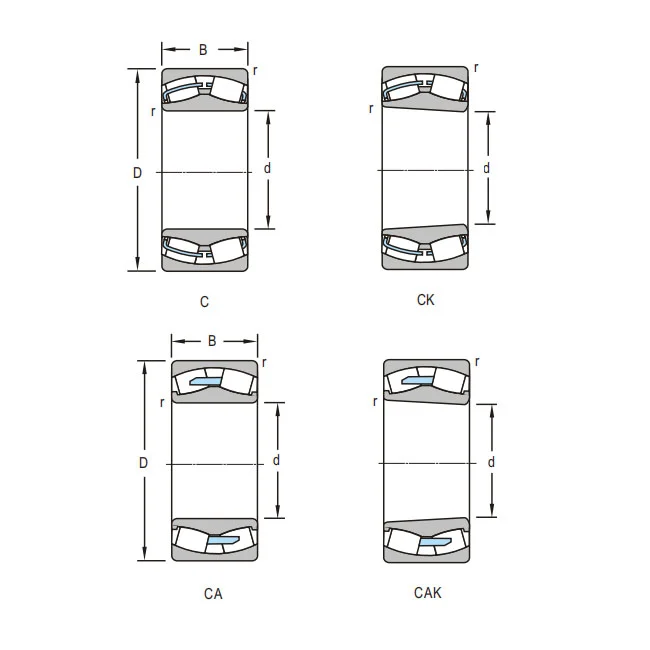
Understanding the Importance of Spherical Roller Bearing Maintenance
In many different types of industries, self-aligning roller bearings are very important mechanical parts that are made to work in harsh situations. These bearings work great in systems where shaft deflection and housing hole misalignment happen naturally during operation. This is why they are essential in wind turbines, mining equipment, and big machinery.
The special double-row spherical roller structure of these bearings lets them work with misaligned angles while keeping the load evenly distributed across the rolling elements. There are spherical raceways inside the inner rings that work with barrel-shaped wheels to make a self-centering device that can fix installation errors of up to a few degrees. In large-scale industrial settings, where perfect alignment is still hard to achieve and keep up for long periods of time, this design benefit becomes even more important.
Common Failure Modes and Root Causes
Failures of equipment are usually caused by poor upkeep rather than problems with the bearings themselves. Most earlier bearing failures happen because of contamination, which accounts for about 40% of all bearing-related breakdowns in commercial settings. Because the sealing systems aren't good enough, dirt, water, and chemical toxins get into the bearing housings and damage important surfaces through abrasive wear and rust.
Failures that are caused by lubrication are another important type of bearing trouble. When there isn't enough oil, the moving elements and raceways touch each other, which causes too much heat and faster wear patterns. On the other hand, too much oil causes churning, which raises working temperatures and makes bearings less effective. Understanding the right way to lubricate things helps repair teams get the most out of bearings and make them last longer.
Installation mistakes are a big reason why bearings fail, especially in large-diameter situations. When mounting methods are wrong, shafts aren't properly prepared, and preload settings are off, stress builds up and threatens the stability of the bearing. When there are heavy radial loads and changing working conditions, these problems get worse.
Economic Impact of Proactive Maintenance
Systematic repair plans give a clear return on investment by lowering the costs of downtime and making equipment last longer. Studies of the industry show that proactive methods to bearing repair lower the total cost of ownership by twenty to thirty percent compared to reactive approaches. These saves come from not having to make emergency fixes, keeping production losses to a minimum, and making the best use of replacement plans.
Due to the remote sites and difficulty of accessing turbine installations, wind energy companies gain most from preventative maintenance. Maintenance tasks that are planned ahead of time are much cheaper than emergency repairs that need specialized tools and longer periods of downtime. Mining operations have similar benefits because the availability of tools has a direct effect on the amount of work that can be done and the revenue of the operation.
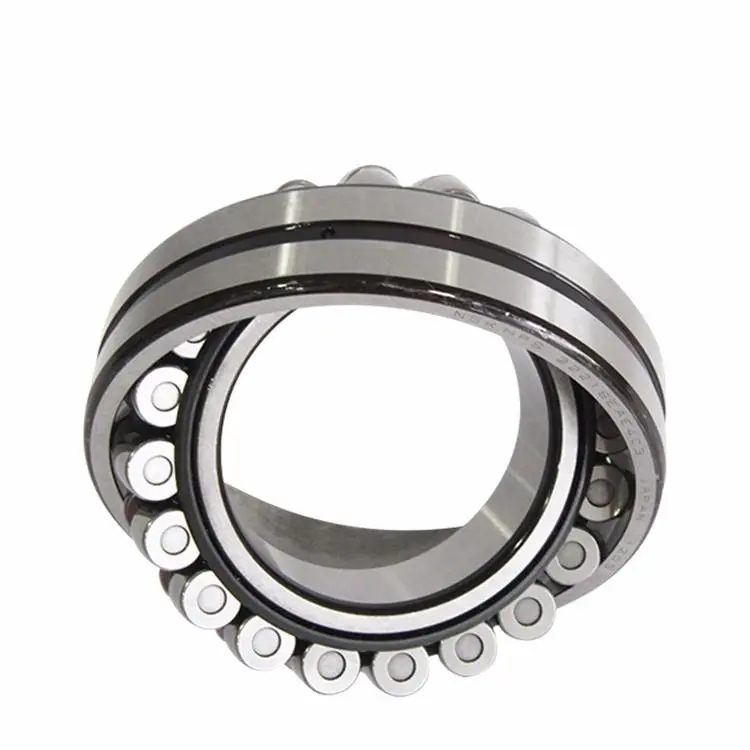
Systematic Approach to Maintaining Spherical Roller Bearings
Creating structured repair procedures makes sure that Spherical roller bearings always work well and lets you spot problems before they happen. Regular inspections, condition tracking technologies, and data-driven decision-making processes that make the best use of resources and reduce unexpected breakdowns are all parts of good maintenance strategies.
Comprehensive Condition Assessment Methods
Visual checking methods give useful information about the health of a bearing by carefully looking at its outside parts and how it's working. During regular checks, maintenance workers look at the state of the housing, the integrity of the seals, and the performance of the lubrication system. Infrared thermography is used to keep an eye on temperatures and find strange patterns of heat that show problems are starting to form before they become catastrophic.
Vibration analysis is a strong testing tool that can find early signs of bearing problems. Accelerometers that are attached to the housings of bearings record frequency patterns that show specific fault conditions, such as damaged rollers, damaged raceways, and cage instability. Trending features in advanced vibration analysis tools let you keep track of changes in bearing state over long periods of time.
Oil research tools give you a lot of information about how well bearings are oiled and how they wear. A lab test on used oils shows how many metal particles are present, how much pollution there is, and how fast the additives are being used up. With these data points, maintenance teams can find the best cleaning times and spot problems before they get bad enough to stop operations.
Root Cause Analysis Framework
Systematic failure analysis helps businesses figure out why things go wrong instead of just fixing the signs. Load condition analysis checks to see if bearings work within their designed limits or if they get overloaded, which speeds up the wear process. The environmental factor review looks at how temperature changes, where contamination comes from, and how much wetness is present, all of which can affect how well bearings work.
The installation quality evaluation looks at how the parts are mounted, how the shaft is prepared, and how the alignment is checked. A lot of bearing problems are caused by mistakes made during fitting that cause stress to build up or cause the bearings to be out of alignment. Keeping records of the installation steps and teaching staff helps keep problems from happening again and again with different pieces of equipment.
Lubrication system research looks at how grease or oil is delivered, how well it filters, and how to keep leakage from happening. Bearing problems are often caused by lubrication systems that don't work well enough, letting in too much dirt or grease. Knowing the limits of a system lets you make focused changes that make bearings more reliable.
Performance Tracking and Documentation
Setting up standard performance data lets you do trending analysis, which shows patterns of slow decline before they hit critical levels. Temperature readings, vibration levels, and oil analysis data are all used to make detailed performance reports that help with repair decisions. By collecting data on a regular basis, past databases are created that make it easier to plan for future repair.
Systems that keep maintenance records keep track of when spherical roller bearings were installed, when they were last serviced, and when they were replaced. Patterns can be found in these records that are linked to certain suppliers, installation methods, or working situations. The ability to analyze data lets you get the most out of your repair schedules and spare parts supplies.
Practical Maintenance Techniques for Optimal Performance
Systematic methods that deal with lubrication management, contamination control, and fitting quality are needed for bearing care to work well. These methods help repair teams get the most out of bearings while keeping downtime to a minimum in tough industrial settings.
Precision Lubrication Management
Effective bearing upkeep starts with proper lubrication, which means paying close attention to the lube you choose, how you apply it, and when you need to restock. There are better lithium complex greases that work better in most spherical roller bearing situations than regular ones. They can hold more weight and stay stable at higher temperatures.
Calculations of the amount of grease needed make sure that the bearing housings are properly lubricated without being over-filled. The usual method uses the size of the bearing and the volume of the housing to figure out how much grease to use. When you lubricate something too much, it churns, which makes too much heat and lowers the efficiency of the bearing. When you lubricate something too little, the film doesn't form properly, which speeds up wear patterns.
Automatic lubrication systems give grease consistently while lowering the need for human intervention. Progressive divider systems make sure that the right amount of grease gets to all of the bearings at the same time. These systems are especially useful in places where it's hard or dangerous to do the lubrication by hand, like on wind turbine sites or mine equipment.
Contamination Prevention Strategies
Effective covering methods keep contaminants out while still letting the bearings breathe. Contact seals are better at keeping solid particles out, but they create friction that raises the temperature where they're used. It is easier for non-contact labyrinth seals to work in clean surroundings because they have less friction. Figuring out the needs of the product helps choose the best sealing designs.
Bearing case design factors have a big effect on how well contamination control works. Drainage systems that work right keep water from building up, which can cause rust and lubrication to break down. If the housing is stiff enough, it won't bend under load, which would hurt the seal's efficiency and cause problems with alignment.
Environmental security methods deal with specific sources of pollution that come up in different types of industrial work. For example, mining needs special defense against rough dust particles, and marine uses need better rust resistance. Adapting protection methods to specific environmental issues raises the reliability of bearings and lowers the need for upkeep.
Advanced Monitoring Technologies
Wireless sensor networks let you keep an eye on the state of spherical roller bearings all the time without having to physically get to them to collect data. These systems send information about temperature, vibration, and sound emissions to central tracking stations. These stations then use computer analysis to spot problems as they happen. Maintenance teams can plan their actions before problems happen when they have early warning systems.
Predictive maintenance algorithms look at information from many sensors to more accurately guess how long a bearing will last. Machine learning can find small changes in patterns that show problems are getting worse. These features allow for the most efficient scheduling of repair that meets both the needs for reliability and the goals for business efficiency.
Integrating with repair management systems used across the whole plant makes it possible to handle all assets in a complete way. Data on bearing state is combined with operational factors and repair histories to make strategies for improving machine reliability even better. When compared to separate care tasks, these integrated methods produce better results.
Partnering with Trusted Suppliers for Quality Bearings and Support
Choosing trusted bearing suppliers has a big effect on how well equipment works, how much upkeep it needs, and the total cost of ownership. A full review of a seller looks at affordable price structures as well as product quality, expert support, and service timeliness.
Quality Assurance and Certification Standards
Leading bearing makers use thorough quality control systems to make sure that their products always work well and are reliable. As part of the standards for ISO approval, materials must be tested thoroughly and measurements must be checked and confirmed. With these quality methods in place, you can be sure that the bearings will perform the same way in every batch.
Material tracking systems keep track of bearing parts from the time they are made from the time they are made from raw materials. Full paperwork speeds up the process of fixing problems and handling insurance claims. Advanced makers offer detailed Certificates and test results for materials that meet important application needs.
Industry-specific certifications show that a source meets the needs of a particular application. Standards for weather resistance and fatigue life are part of wind energy approvals. For marine uses, corrosion protection tests and proof of salt spray contact are needed. Knowing what certifications are needed helps you choose the right sources for your needs.
Technical Support and Engineering Services
Help with program building, installation, and troubleshooting are all parts of comprehensive technical help. Application engineers with a lot of experience help choose the best bearings for each application's working conditions and performance needs. This support is especially helpful for important applications where failure would have serious effects.
Maintenance workers can learn the specific skills they need to install and maintain bearings correctly through training programs. Installation techniques, lubrication processes, and condition monitoring methods are all covered in hands-on training classes. Maintenance teams stay up to date on new technologies and changing best practices by continuing their education.
Custom building lets you meet the specific needs of a job that go beyond what a normal product can do. Specialized designs might have better closing systems, different materials, or different shapes. These features are very important for difficult tasks where regular Solutions can't meet the speed needs.
Supply Chain Reliability and Logistics Support
Global supply networks make sure that products are always available and that deliveries are made quickly. Having more than one place where things are made increases supply security and shortens delivery times for urgent needs. Full inventory management systems keep track of what products are available and speed up shipping when replacements are needed right away.
Local distribution networks make it easy to get standard spherical roller bearing sizes quickly and provide faster service. Regional warehouses keep common setups in stock so that they can meet urgent shipping needs. These features are especially useful for repair work where the cost of downtime is higher than the cost of extra shipping.
When important equipment breaks down, emergency support services can be there quickly to help. Field service experts with a lot of experience help with figuring out what went wrong, suggesting replacements, and helping with installations. These services help keep downtime to a minimum and make sure that new bearings are installed correctly.
Conclusion
For self-aligning roller bearings to be properly maintained, they need to be oiled properly, contaminated parts must be kept under control, and their state must be checked regularly. When maintenance teams know about the design features of bearings and how they can fail, they can use preventative measures that increase service life and lower the total cost of ownership. Choosing the right bearing technologies based on the needs of the application and the ease of upkeep allows for the most reliable equipment while keeping costs low. When you work with experienced suppliers, you can get access to high-quality goods, professional know-how, and a wide range of support services that make maintenance go more smoothly and improve the performance of your equipment.
FAQ
What factors decide how often spherical roller bearings need to be serviced?
When to do maintenance depends on things like load levels, speed, temperature, and how much pollution is in the surroundings. Inspections and lubrications need to be done more often in heavy-duty uses with high loads or dirty settings than in clean, moderate-load operations. Extreme temperatures speed up the wear and tear on lubrication and require shorter repair times.
How can you tell when a bearing is about to fail?
Systematic condition tracking using temperature readings, vibration analysis, and oil analysis methods is needed to find problems early. Gradual temperature rises are a sign of greasing problems or higher amounts of friction. Changes in the vibration signature show certain types of defects, like damaged rollers, worn raceways, or cages that are breaking down before they completely fail.
What are the most important steps to take when installing spherical roller bearings?
Important installation factors include properly preparing the shaft, keeping it clean during installation, and following the right fitting steps. The surface finish and accuracy of the shaft's dimensions have a direct effect on how well the bearing works and how long it lasts. Introducing contamination during installation leads to early failure, so clean building methods are necessary for best results.
Partner with INNO Bearing for Superior Spherical Roller Bearing Solutions
Precision-engineered self-aligning roller bearings from INNO Bearing work better than expected in the toughest industrial settings. Our full range of products includes inner sizes from 20 mm to 1000 mm, and we can also make options to fit diameters up to φ5000 mm. As a reliable spherical roller bearing seller with almost 30 years of experience in manufacturing, we offer full professional support, such as application engineering, installation help, and advice on how to keep your bearings in good shape. Email our engineering team at sales@inno-bearing.com to talk about your unique needs and find out how INNO Bearing products can improve the reliability of your equipment while lowering the total cost of ownership.
References
Harris, Tedric A. and Michael N. Kotzalas. "Essential Concepts of Bearing Technology: Rolling Bearing Analysis, Fifth Edition." CRC Press, 2006.
Tallian, Tibor E. "Failure Atlas for Hertz Contact Machine Elements, Second Edition." ASME Press, 1999.
Eschmann, Paul, Ludwig Hasbargen, and Karl Weigand. "Ball and Roller Bearings: Theory, Design and Application, Third Edition." John Wiley & Sons, 1985.
Hamrock, Bernard J., Steven R. Schmid, and Bo O. Jacobson. "Fundamentals of Machine Elements: SI Version, Third Edition." McGraw-Hill Education, 2013.
Neale, M.J. "The Tribology Handbook, Second Edition." Butterworth-Heinemann, 1995.
SKF Group. "Rolling Bearings Catalogue: Principles and Applications of Rolling Bearings." SKF Group Publications, 2018.

Learn about our latest products and discounts through SMS or email