- English
- French
- German
- Portuguese
- Spanish
- Russian
- Japanese
- Korean
- Arabic
- Greek
- German
- Turkish
- Italian
- Danish
- Romanian
- Indonesian
- Czech
- Afrikaans
- Swedish
- Polish
- Basque
- Catalan
- Esperanto
- Hindi
- Lao
- Albanian
- Amharic
- Armenian
- Azerbaijani
- Belarusian
- Bengali
- Bosnian
- Bulgarian
- Cebuano
- Chichewa
- Corsican
- Croatian
- Dutch
- Estonian
- Filipino
- Finnish
- Frisian
- Galician
- Georgian
- Gujarati
- Haitian
- Hausa
- Hawaiian
- Hebrew
- Hmong
- Hungarian
- Icelandic
- Igbo
- Javanese
- Kannada
- Kazakh
- Khmer
- Kurdish
- Kyrgyz
- Latin
- Latvian
- Lithuanian
- Luxembou..
- Macedonian
- Malagasy
- Malay
- Malayalam
- Maltese
- Maori
- Marathi
- Mongolian
- Burmese
- Nepali
- Norwegian
- Pashto
- Persian
- Punjabi
- Serbian
- Sesotho
- Sinhala
- Slovak
- Slovenian
- Somali
- Samoan
- Scots Gaelic
- Shona
- Sindhi
- Sundanese
- Swahili
- Tajik
- Tamil
- Telugu
- Thai
- Ukrainian
- Urdu
- Uzbek
- Vietnamese
- Welsh
- Xhosa
- Yiddish
- Yoruba
- Zulu
Replacing Jib Crane Bearings: Step-by-Step
To keep an industrial crane working well, replacing jib crane bearings needs to be carefully planned and carried out exactly as planned. A jib crane bearing that works properly lets the crane move smoothly while carrying big loads in a variety of situations. When these important parts start to show signs of wear, they need to be replaced right away to keep operations running smoothly. This detailed guide shows engineering leaders, maintenance tea
ms, and procurement managers tried-and-true methods for replacing bearings, making sure cranes work well, and stretching the life of equipment by installing it correctly.
Understanding Jib Crane Bearings and Replacement Necessity
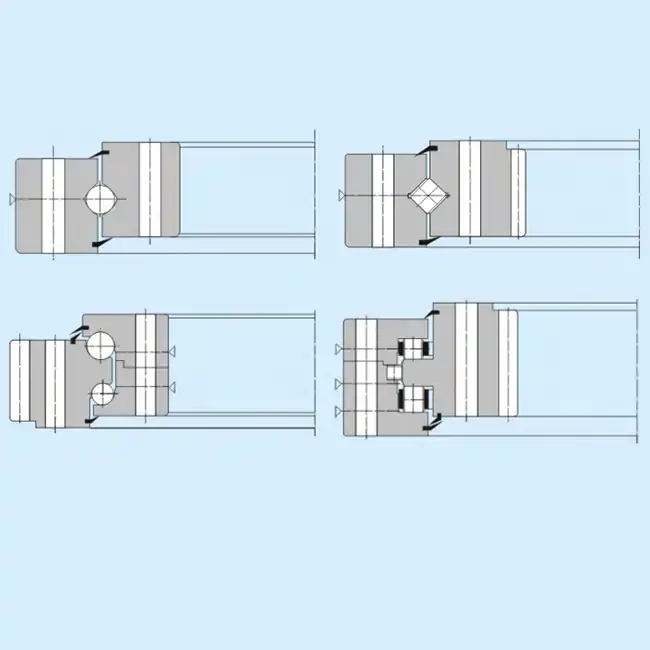
Jib crane bearings are the main parts that allow the crane to move smoothly even when it's carrying heavy loads. The crane boom can spin easily while moving things because of these precision-engineered parts that control both rotational and thrust forces. The bearing unit usually has inner and outer races, rolling elements, and locking systems that are made to work in harsh industrial settings.
Key Functions and Load Management
Modern crane bearing systems spread loads across many contact points. This lowers stress levels that could cause the bearings to fail early. The design of the bearings can handle a wide range of loading patterns, such as static weight, moving loads, and wind forces that affect the steadiness of the crane. Advanced bearing shapes make the load distribution better while keeping the rotational accuracy that is needed for exact placement when lifting.
Identifying Replacement Indicators
Several warning signs let you know when it's time to repair the bearings. Too much noise during spinning is often a sign of worn internal parts or not enough lubricant. Bearing wear causes increased rotating resistance, which lowers the performance of the crane and makes the user less productive. Visible oil leaks around the bearing seals means that the defense against contamination is not as good as it should be. If you notice strange vibration patterns while the machine is running, it means that a bearing is out of line or a component is damaged and needs quick repair.
Safety and Financial Implications
Putting off replacing bearings puts workers at risk and makes repairs much more expensive. When bearings fail, a crane can suddenly stop working, which could cause items to fall or damage to the structure. Unplanned downtime messes up production plans and project timelines in many fields, such as manufacturing, building, and material handling. Proactive repair plans lower the total cost of ownership while keeping the crane available for important tasks all the time.
Preparing for Bearing Replacement: Tools, Materials, and Safety
A successful bearing repair starts with careful planning that includes choosing the right parts, making sure you have the right tools, and following safety rules. When you plan ahead, you can cut down on installation time while still getting a fix that meets working needs.
Bearing Selection and Specifications
To choose the right new bearings, you need to know about different crane types and how they are used. To keep crane capacity ratings, load ratings must match or beat the original specs. Temperature ranges, moisture levels, and levels of contamination in the environment all affect the choice of Jib crane bearing material and the closing standards that must be met. Bearing makers offer thorough standard sheets that list the acceptable ranges of dimensions, the maximum loads that can be applied, and the expected service life under different conditions of use.
Good suppliers of bearings offer expert support during the decision process, which helps engineers find the best options for each application. Manufacturers with a good reputation keep a lot of paperwork that includes installation instructions, lubrication requirements, and upkeep plans. Certifications for bearings make sure that they meet industry norms and government rules that apply to crane operations.
Essential Tools and Equipment
For professionals to change bearings, the following tools are essential:
- Hydraulic pullers and presses for carefully taking out and putting in bearings without hurting crane parts
- Accurate measuring tools, like calipers and micrometers, to make sure the dimensions are correct during installation
- Heating tools for methods that use thermal expansion to make installing bearings easier in tight-fitting situations
- Tools for alignment to make sure bearings are in the right place and stop early wear caused by problems with alignment
- Torque wrenches that are set up according to the manufacturer's instructions so that the bolt tightness stays the same during reassembly
With these specialized tools, maintenance teams can quickly change bearings while still meeting the high standards for fitting quality that guarantee long-lasting bearing performance.
Safety Protocols and Risk Management
There are a lot of safety issues that come up when replacing bearings, so organized risk management methods are needed. Before work can begin, all power to crane systems must be turned off and automatically locked. Lock-out/tag-out methods keep the crane from turning on by mistake while maintenance work is being done. Safety glasses, work gloves, and steel-toed boots are some of the personal protective equipment that techs wear to keep them safe.
To keep workers from getting hurt, heavy parts need to be lifted with the right methods and with mechanical help. Environmental laws may say that contaminated oils need to be handled and thrown away in a certain way. Work area isolation keeps people close safe from maintenance work on the crane while still meeting working safety standards.
Step-by-Step Guide to Replacing Jib Crane Bearings
This thorough replacement process makes sure that the bearings are installed correctly and that the crane can still do its job. Each step builds on the ones that came before it, making a complete plan that reduces mistakes during installation and improves bearing performance.
Pre-Installation Inspection and Documentation
Start by making a detailed list of the current bearing conditions and the state of all the crane's parts. Before you start taking it apart, take pictures of the bearing places, bolt patterns, and other parts that are close by. Check the new part's compatibility by measuring the current bearing's measurements and clearances. Write down any strange wear patterns or damage that could point to deeper technical problems that need more than just replacing the bearings.
Thoroughly clean the work places to keep them from getting dirty during installation. Using the right chemicals and cleaning methods, get rid of old lubricants and other dirt from bearing housings. Check the bearing seats for any damage, rust, or changes in size that might affect how well the new bearings work.
Bearing Removal Procedures
Systematic bearing removal keeps crane parts from getting damaged and makes sure that the teardown process is safe. Turn off the electricity and use mechanical locks or blocks to hold the crane's position. To get to the Jib crane bearing sections, take off the access panels and protection covers. Threaded screws that may have stopped because of age or exposure to the environment should be oiled from the inside out.
To get the bearings out of the case without damaging the surfaces or parts next to them, use the right pulling methods. When hydraulic pullers remove something, they spread the force out evenly. This keeps stress from building up in one place, which could crack bearing races or housing materials. Keep an eye on the withdrawal forces to find problems before they cause damage to the parts.
Precision Installation Techniques
When installing a new bearing, it's important to pay close attention to the orientation and clearance requirements. Compare the dimensions of the bearing to the dimensions of the case to make sure the fit is correct. Use the suggested fitting lubricants to make positioning the bearings easier and stop them from getting galls or damage to the surface.
For tight-fitting setups, use controlled heating methods when you need to use thermal expansion techniques. Temperature tracking makes sure that bearings are installed at the right temperature without going over the limits of the material, which could change the qualities of the bearings. Keep the heating schemes the same to avoid thermal distortion during fitting.
Carefully place the bearings using the right fitting tools that spread the force across the bearing races. Always keep an eye on the fitting process to find any misalignment or binding that could weaken the bearing's integrity. Before you start putting it back together, make sure that the end bearing position meets the manufacturer's requirements.
Lubrication and Testing Protocols
Use the right lubricants based on what the maker says and what the working environment needs. Grease-lubricated bearings need the right amount and spread out so they are properly protected without being too oiled, which could lead to grinding losses. For the best bearing safety, oil-lubricated systems need the right amount of fluid and the right way for it to flow.
Initial testing methods make sure that the bearing fitting is good and that it is ready to go. Rotation tests at low speeds should be done to look for binding, strange noise, or too much resistance. Keep an eye on the bearing temperatures during the first few uses to make sure they get oiled and the heat is removed properly. Keep track of test results for future use and to make sure you're following the terms of your guarantee.
Maintenance Tips to Prolong Jib Crane Bearing Life
Preventative maintenance plans greatly increase the life of bearings and lower the number of unexpected breakdowns that stop crane operations. Regular maintenance and inspections improve the performance of bearings in a wide range of industry settings.
Inspection Schedules and Monitoring Techniques
Set up regular check times based on how often the crane is used and the weather. Cranes that are used a lot need to be checked on more often than cranes that are only used sometimes. Visual checks find problems that are easy to see, like leaking oil, rust, or damage to the machine. Write down what the check found so you can see how the bearing state changes over time.
Modern tracking methods let you know about problems early on, before they become too big to fix. Vibration analysis finds problems in bearings like damaged races, worn rolling elements, and issues with lubricant. Temperature tracking shows when there is too much friction, which means that the grease has broken down or the system is overloaded. Acoustic tracking devices can pick out specific types of noise that indicate different types of failure.
Lubrication Management Programs
Proper control of lubrication is the basis of successful maintenance plans for bearings. The lubricant you choose must be right for the load levels, speed ranges, temperature changes, and contamination exposure that you will be facing. Lubricants of higher quality protect against wear better and keep working the same way between repair times.
Schedules for lubrication strike a mix between the need for protection and the need for useful upkeep. Too much greasing loses materials and could lead to churning issues that use more power and make more heat. Bearings wear out faster and last a lot less long when they aren't properly oiled. Automated lubrication systems give oil consistently and cut down on the need for human upkeep.
Environmental Protection Strategies
Dust, wetness, chemicals, and temperature changes that affect Jib crane bearing performance are just a few of the problems that industrial cranes have to deal with. Sealing systems that work well keep oils in and keep out contaminants for the best security. Environmental safety is kept up throughout the bearing's service life by checking and replacing the seals on a regular basis.
Controlling contamination includes more than just closing systems. It also includes using the right storage, moving, and installation methods to keep outside materials from getting in. When doing repair, keeping the work area clean lowers the risk of dust that could hurt the performance of the bearings. When used with oil, filtration devices get rid of particles and water that speed up bearing wear.
Procurement Considerations for Jib Crane Bearings
Strategic methods to buying things make sure that supplies are reliable while also lowering costs and meeting business needs. A good buying process chooses the right suppliers and manages relationships with them in a way that doesn't go over budget or compromise on quality.
Supplier Evaluation and Selection Criteria
Reliable bearing providers show consistent quality by using well-known methods for quality control and manufacturing. Getting ISO approval shows that you are committed to quality management standards that help you produce products reliably. Technical support helps solve problems with applications and makes sure that the right bearings are chosen for each situation.
The location of a supplier affects shipping times and the ability to get help for urgent replacement needs. Local distribution networks cut down on transportation costs and speed up reaction times. Offering a wide range of products makes it possible to buy from just one source, which makes managing vendors easier and may lead to bulk savings.
Quality Standards and Authentication
When it comes to durability, real bearings from well-known makers are better than fakes that may break faster. Some of the ways that real goods can be found are by inspecting the packaging, looking at certification papers, and verifying the supplier. Good bearings come with detailed instructions that explain how to place them and what the guarantee covers.
Quality standards for manufacturing have a direct effect on how well bearings work and how long they last. Premium bearing makers put a lot of money into researching materials, making sure their products are precise, and setting up quality control methods that make sure the bearings always work well. Industry approvals show that a crane meets the standards that apply to it.
Strategic Procurement Advantages
Long-term ties with suppliers lead to better prices, faster delivery, and easier access to expert support, all of which help crane maintenance plans. Volume buying deals save money and make sure that bearings are available for planned maintenance tasks. Partnering with suppliers makes it easier to make custom bearings for specific uses that need custom Solutions.
Strategies for managing inventory try to find a balance between the costs of keeping things and the need to be available for important upkeep tasks. Emergency purchase processes make sure that bearings can be replaced quickly when they break down without warning. Monitoring supplier performance looks at how reliable deliveries are, how consistent quality is, and how quickly service requests are answered in order to make buying more efficient.
Conclusion
To change jib crane bearings correctly, you need to plan ahead, use the right tools, and follow set steps that guarantee a good fitting and reliable operation. Regular maintenance and proactive tracking tactics keep bearings in good shape and stop them from breaking down when they're least expected, which can stop a crane from working. Strategic methods to buying things cut down on costs while still letting you get high-quality bearings that meet strict industry standards. These all-around plans help repair teams get the most out of crane service and performance in a wide range of situations.
FAQ
How Often Should Jib Crane Bearings Be Replaced?
The number of times something needs to be replaced doesn't depend on a set schedule, but on working conditions, load levels, and the quality of upkeep. Cranes used for heavy-duty tasks may need to be replaced every three to five years, while cranes used for lighter-duty tasks can go longer without being replaced. Regular tracking through vibration analysis and lubrication sampling gives correct advice on when to replace bearings based on their real state.
Can Bearing Replacement Be Performed In-House or Should Professional Services Be Used?
In-house replacement options rely on the tools that are available, the knowledge of the expert, and how complicated the crane is. Maintenance teams that are qualified, have the right tools, and have been trained can change simple bearings. Professional services that offer specialized tools, knowledge, and warranties for installation quality are helpful for installs that are hard to do or that are very important.
What Are the Most Common Causes of Premature Bearing Failure?
About 40% of early bearing failures are caused by inadequate lubrication, which includes both not enough lubricant and oil that is compromised. About 30% of early fails are caused by bad installation methods that lead to misalignment or damage during installation. Twenty percent of early fails are caused by contamination from dust, moisture, or foreign particles. The other ten percent are caused by overloading and tiredness.
Contact INNO Bearing for Expert Jib Crane Bearing Solutions
INNO Bearing has been making bearings for almost 30 years and has advanced technical skills that help them make the best jib crane bearings for tough industry uses. Our wide range of products includes large-diameter bearings up to φ5000mm in diameter, and we offer customization choices to meet the needs of different applications. Get in touch with our technical team at sales@inno-bearing.com to talk about replacing your bearings and get advice from a reputable jib crane bearing maker. We offer fast shipping, full expert support, and quality assurance to make sure that cranes work well in a wide range of industrial settings.
References
American Society of Mechanical Engineers. "Crane Safety Standards and Bearing Requirements for Industrial Applications." ASME B30.2 Committee Publications, 2023.
Johnson, Robert K. "Industrial Bearing Maintenance and Replacement Strategies." Mechanical Engineering Quarterly, Vol. 45, No. 3, 2023.
International Organization for Standardization. "Rolling Bearings - Dynamic Load Ratings and Rating Life for Crane Applications." ISO Technical Report 281, 2022.
Smith, David L. and Anderson, Maria C. "Predictive Maintenance Techniques for Large Industrial Bearings." Industrial Maintenance Journal, Vol. 28, No. 4, 2023.
European Federation of Material Handling. "Crane Bearing Selection and Installation Guidelines for Heavy Industry." EFMH Technical Publication Series, 2023.
Wilson, James R. "Lubrication Management for Industrial Crane Bearings." Tribology International Review, Vol. 67, No. 2, 2023.

Learn about our latest products and discounts through SMS or email