- English
- French
- German
- Portuguese
- Spanish
- Russian
- Japanese
- Korean
- Arabic
- Greek
- German
- Turkish
- Italian
- Danish
- Romanian
- Indonesian
- Czech
- Afrikaans
- Swedish
- Polish
- Basque
- Catalan
- Esperanto
- Hindi
- Lao
- Albanian
- Amharic
- Armenian
- Azerbaijani
- Belarusian
- Bengali
- Bosnian
- Bulgarian
- Cebuano
- Chichewa
- Corsican
- Croatian
- Dutch
- Estonian
- Filipino
- Finnish
- Frisian
- Galician
- Georgian
- Gujarati
- Haitian
- Hausa
- Hawaiian
- Hebrew
- Hmong
- Hungarian
- Icelandic
- Igbo
- Javanese
- Kannada
- Kazakh
- Khmer
- Kurdish
- Kyrgyz
- Latin
- Latvian
- Lithuanian
- Luxembou..
- Macedonian
- Malagasy
- Malay
- Malayalam
- Maltese
- Maori
- Marathi
- Mongolian
- Burmese
- Nepali
- Norwegian
- Pashto
- Persian
- Punjabi
- Serbian
- Sesotho
- Sinhala
- Slovak
- Slovenian
- Somali
- Samoan
- Scots Gaelic
- Shona
- Sindhi
- Sundanese
- Swahili
- Tajik
- Tamil
- Telugu
- Thai
- Ukrainian
- Urdu
- Uzbek
- Vietnamese
- Welsh
- Xhosa
- Yiddish
- Yoruba
- Zulu
Roller Bearing Slewing Rings for Wind Turbine Applications
Precision-engineered parts are needed for wind turbines to reliably turn wind energy into power. The roller bearing slewing ring is one of the most important parts that affects how well the turbine works. In places where regular bearings would fail under heavy loads, these special bearings make it possible for yaw systems, pitch control mechanisms, and main shaft sections to rotate smoothly. Roller bearing slewing rings, as opposed to standard ball bearings, use cylindrical or tapered rollers as moving elements, providing better load-bearing capacity and impact protection, which are important for wind turbine uses. The strong construction and longer life of these parts make them essential for both onshore and offshore wind installations, where upkeep is harder to get to and operating stability has a direct effect on how much energy is produced.

Understanding Roller Bearing Slewing Rings in Wind Turbine Systems
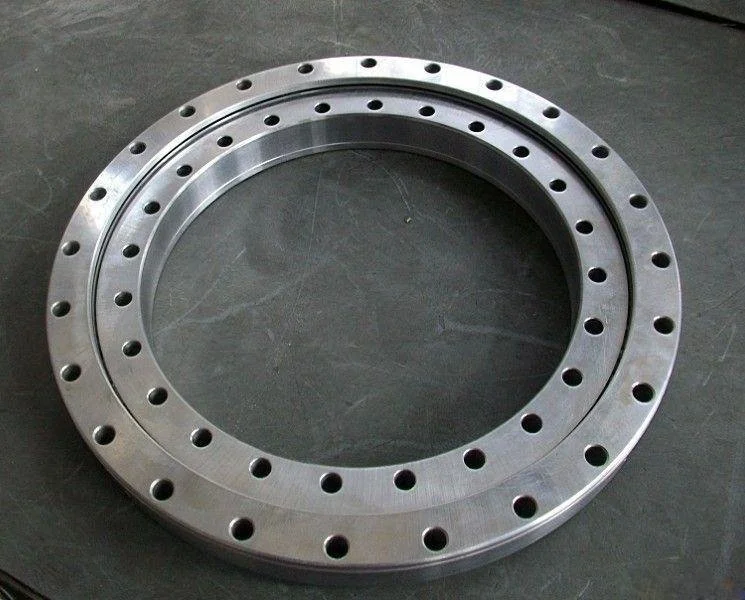
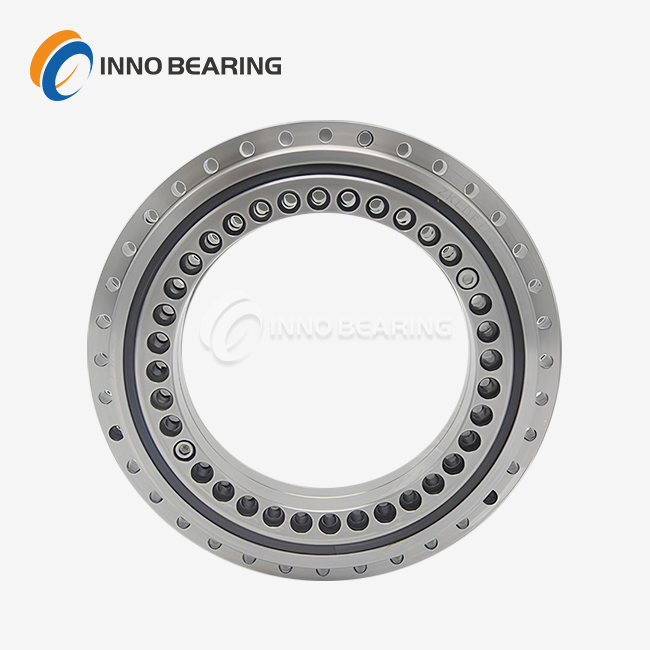
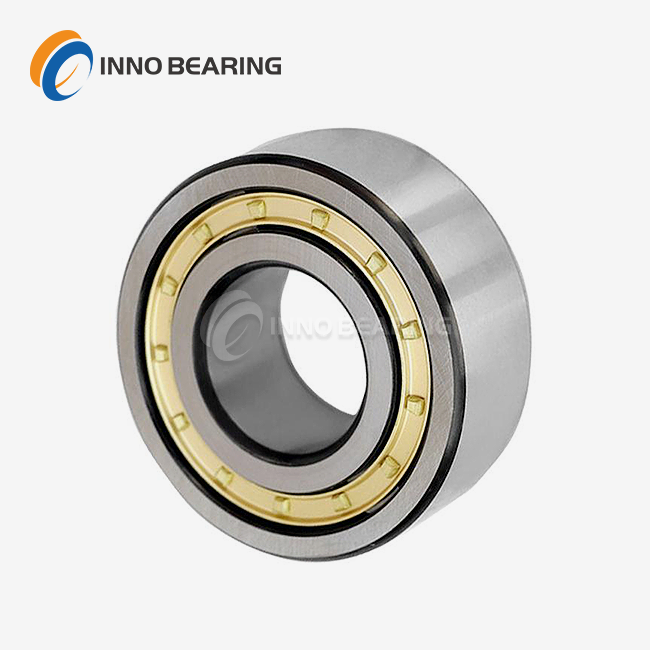
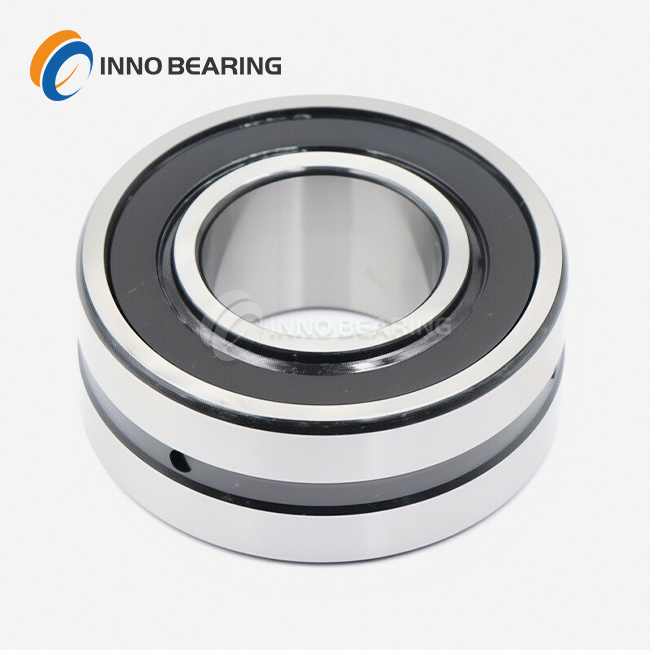
The basic structure of slewing rings includes sliding parts that make it easier for rotating parts of a turbine to move between parts that are still and parts that are moving. These special bearings have a thick-walled circular structure with double raceways in the inner and outer rings. They can hold steel cages with one or more rows of cylindrical or curved rollers. The heavy-duty seals and anti-loosening fixing hole designs make sure that the wind turbine works reliably in tough conditions.
Key Components and Structural Design
The great efficiency of modern roller bearing slewing rings in wind turbines is due to a number of important parts that are built in. The inner and outer rings, which are usually made of high-quality 50Mn or 42CrMo steel, keep the structure stable while the sizes don't change when the temperature changes. The rolling elements are made of GCr15 or GCr15SiMn steel, which gives them better impact strength. This is important for dealing with changing wind loads and directions quickly.
Another important part is the advanced sealing systems. Nitrile rubber or fluororubber seals protect against moisture, dirt, and changes in temperature. These seals keep the grease working properly and stop dirt from getting in, which could affect how well the bearings work. The fixing holes have anti-loosening features that stop fasteners from moving because of vibrations, which is a common problem in installing wind turbines.
Functional Role in Wind Turbine Operations
It is possible for these bearings to handle axial, radial, and moment loads at the same time in wind rotor systems. The yaw system uses big slewing rings to turn the nacelle so that it faces the direction of the wind. Pitch control mechanisms use smaller rings to change the angles of the blades so that they catch the most energy and protect against storms. For main shaft uses, you need bearings that can handle heavy rotor loads while still allowing accurate rotation.
Roller bearing slewing ring Solutions differ from traditional bearing solutions in their capacity to handle mixed pressure scenarios. Variable wind, tower oscillation, and operating changes between power production and safety modes all cause forces on wind turbines to change all the time. In these changing situations, you need bearings that work the same way across a wide range of loads and don't wear out or break too quickly.
Design Adaptations for Wind Energy Applications
The conditions inside wind turbines are very different, which is why they need special bearing modifications. Offshore structures are exposed to saltwater, so they need special coats and sealants to make them less likely to rust. When temperatures change from arctic to desert, you need materials that stay stable in size and have good lubrication qualities across all temperature ranges.
Size requirements for wind turbine uses usually fall between 500 mm and 3000 mm in diameter, but special solutions can go up to 5000 mm for big offshore turbines. With heights ranging from 25 mm to 100 mm, different types of room limitations can be met while still distributing the load evenly across the bearing structure.
Comparing Roller Bearing Slewing Rings with Other Slewing Technologies for Wind Turbines
Choosing between different slewing bearing methods has a big effect on how well wind turbines work, how much upkeep they need, and how much they cost to own overall. By knowing these differences, engineering teams can make choices that are in line with the needs of the project and the limits of their operations.
Performance Advantages Over Ball Bearing Systems
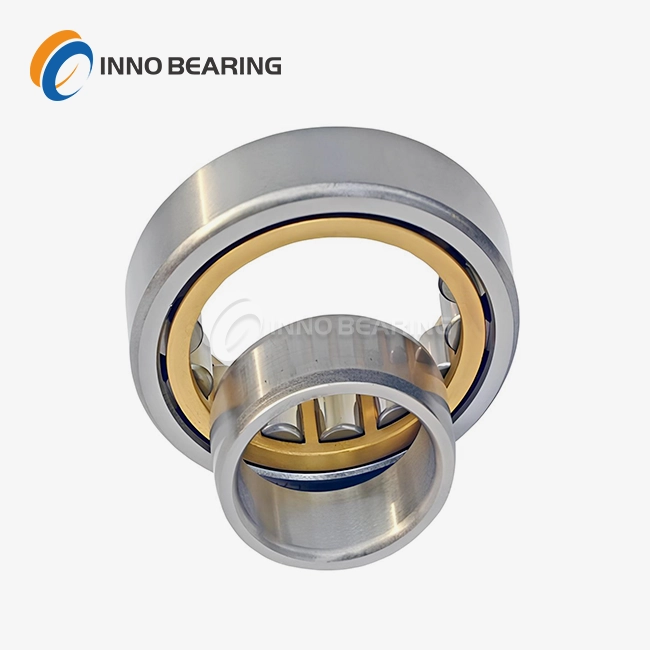
It has been shown that roller bearings can hold more weight than ball bearings, especially when dealing with the high rotational and axial loads that come up in wind turbines. The bigger contact area between the rollers and the raceways spreads out the loads better, which lowers stress levels that can cause bearings to fail early. This better load spread is especially important for big offshore engines that need to change bearings, which takes a long time and costs a lot of money.
Another important benefit is that roller bearings don't wear out easily, and they can handle the millions of load cycles that a wind turbine goes through during its career. When compared to point contact in ball bearings, rolling contact mechanics of circular and tapered rollers distribute stress more evenly. This makes them last longer and require less upkeep.
Comparison with Alternative Slewing Technologies
Comparing roller bearing systems to worm gear slewing drives, they are easier to maintain and work more efficiently. Because slide contact wears down gears more quickly, they need to be inspected and their gear oil changed more often. Roller bearings, on the other hand, only need grease to keep them running, and they don't need to be serviced as often. Roller bearings are more mechanically efficient, which means they lose less power in yaw and pitch systems. This makes turbines work better.
Even though hydraulic slewing systems offer exact control, they are more complicated because they have extra parts like pumps, valves, and hydraulic lines that can break in harsh wind turbine settings. Roller bearing slewing rings are mechanically simple and have fewer ways for them to break. This makes the system more reliable and makes upkeep easier.
Cost-Efficiency and Lifecycle Considerations
When choosing slewing bearing technologies, the initial costs of buying them must be weighed against the long-term costs of running them. Although roller bearing slewing rings may cost more up front than ball bearing options, their longer useful life and lower upkeep needs often translate into a lower total cost of ownership. This economic benefit is even stronger for sites that are far from land, where repair access requires pricey crane ships and schedules that depend on the weather.
Because roller bearing designs are flexible, they can also be maintained in a way that saves money. In many cases, individual parts can be inspected, serviced, or changed without having the whole bearing taken out. This cuts down on downtime and the money that is lost during maintenance.
Technical Specifications Critical to Wind Turbine Applications
The engineering requirements for wind turbine slewing rings need to take into account the special needs of green energy generation, where performance and dependability have a direct effect on the cost of making energy and keeping it up to date. These requirements include load values, size guidelines, and performance traits that make sure the best possible interaction with turbine systems.
Load Ratings and Capacity Requirements
For wind turbine uses, accurate load estimates are needed that take into account both static and moving loads. Axial load ratings of up to 15,000kN can handle the heavy weight of nacelles, rotors, and other parts that go with them. Radial load ratings of up to 10,000kN can handle side loads caused by wind and gyroscopic effects from the rotors running. It's important to be able to handle moment loads when wind pressure on the rotor disk causes it to turn over.
Because wind loads change, you need bearings that keep working well across a wide range of loads. Peak wind events can create forces that are several times higher than usual working loads. This is why there need to be safety factors in place to keep bearings from getting damaged in extreme weather. Load rates must also take into account the need for fatigue life, since wind mills usually work for 20 to 25 years and go through millions of load cycles.
Dimensional Standards and Customization Options
Standard sizes work for most wind turbine designs, while custom sizes and specifications meet the specific needs of big offshore sites or other unique uses. Most industrial wind turbines have outer ring diameters between 500mm and 3000mm. For multi-megawatt offshore turbines, bigger custom measurements are possible.
Height limits of 25 mm to 100 mm balance the need for load capacity with the limited room in turbine units. The small size of roller bearing slewing rings makes it possible to package them effectively while still keeping their structural integrity when they are under load. You can change the mounting hole patterns and flange configurations to fit existing turbine designs or make new setups work better.
Speed Limits and Torque Capabilities
Different uses of wind mills have very different needs when it comes to rotational speed. When the nacelle direction is changed, yaw systems usually work at very low speeds. When the blade angle is changed, pitch control mechanisms may need higher speeds. While keeping quiet operation and acceptable noise levels, roller bearing slewing ring speeds can meet these various needs.
The devices that control yaw and pitch must be compatible with the ones that send torque. High torque ability lets you use small drive motors and gears, which makes the whole system more efficient and lowers the weight of the nacelle. Both the bearing and the related drivetrain parts are protected when they can handle shock loads during emergency pitch activation or quick changes in wind direction.
Procurement and Supply Chain Insights for Roller Bearing Slewing Rings
Supply lines that produce quality parts on time and on budget are essential for wind energy projects to be successful. To make sure the job goes well, buying roller bearing slewing rings takes careful planning of the logistics, quality checks, and evaluations of the suppliers.
Supplier Evaluation Criteria
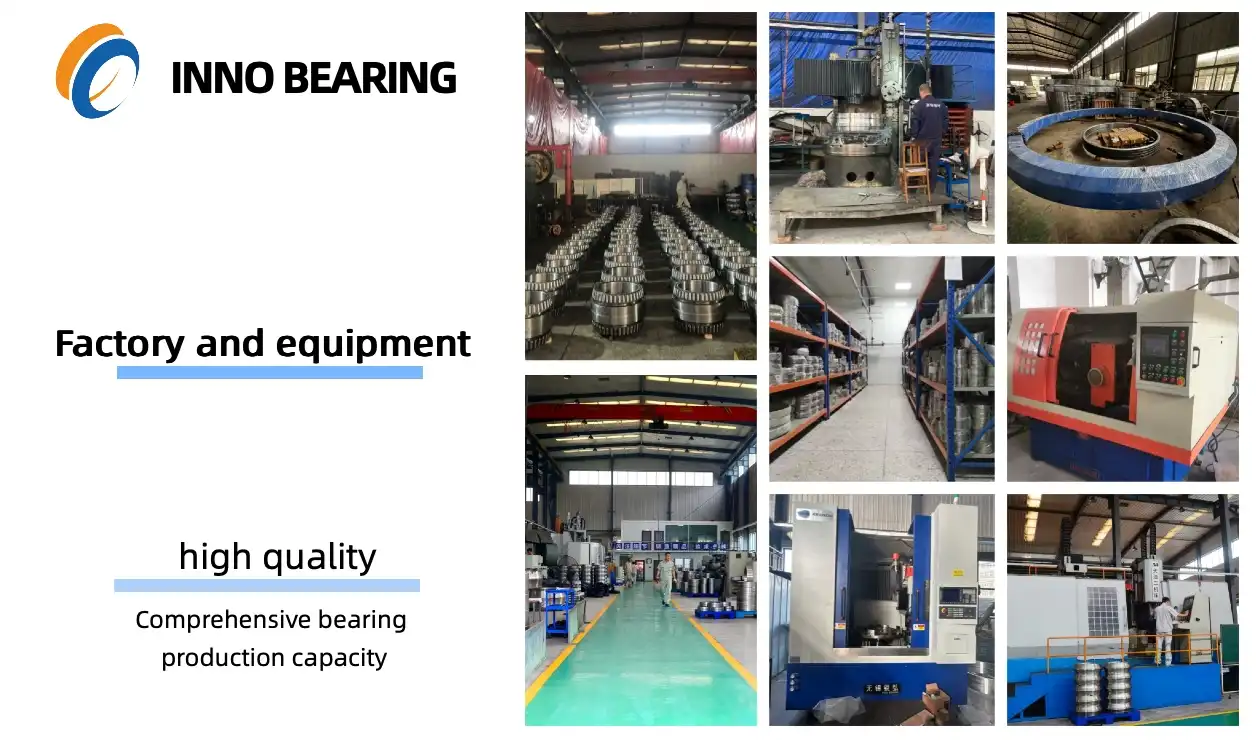
Leading bearing makers have advanced metalworking, precision machining, and quality control systems that are just right for wind turbine uses. Companies that have been making big bearings for decades show that they have the technical know-how to make important parts for wind turbines. Modern CNC machining centers, heat treatment systems, and coordinate measure tools are used in factories to make sure that quality and size accuracy are always maintained.
Quality licenses, such as ISO 9001, ISO 14001, and standards specific to the wind business, show that the company is responsible for quality management and the environment. Facility audits, studies of quality systems, and calls to other wind turbine makers or operators should all be part of the supplier evaluation process.
Pricing Models and Bulk Order Benefits
Clear pricing systems help people accurately estimate how much a job will cost and plan their budgets. Pricing levels based on volume award orders that are bigger and encourage standardization across multiple turbine setups. Long-term supply deals can keep prices stable and make sure that capacity is allocated correctly during times of high market demand.
Custom engineering services might cost more, but they offer the best options for certain turbine designs or tough working conditions. The money spent on customization usually pays off in the form of better performance, longer service life, and less upkeep needs over the lifetime of the turbine.
Logistics and Import Considerations
Buying bearings from other countries is a complicated process that involves export paperwork, shipping planning, and making sure that import rules are followed. Because they are so big and heavy, large slewing rings need special tools to move and handle them. For big bearings, ocean freight is still the most cost-effective way to ship them, but air freight may be needed for urgent replacements.
Each country has its own rules about what can be imported. These rules may include things like quality approvals, proof that the materials used meet safety standards, and other paperwork. Bearing sellers with a lot of experience can help with all aspects of foreign shipping, such as making sure the right paperwork is filled out, giving advice on how to package items, and clearing customs.
Practical Installation and Operational Best Practices
Roller bearing slewing ring performance and service life are guaranteed by proper installation and repair methods. For these jobs, you need to know a lot about bearing technology, wind turbine systems, and how to stay safe while working at heights.
Installation Procedures and Requirements
A pre-installation checkup checks the state of the bearings and their dimensions. It also looks for any damage from shipping or problems with handling. Making sure the mounting ports' surfaces are flat, clean, and meet the requirements for surface finish makes sure they fit correctly and distribute stress evenly. Using precision measuring tools for alignment processes stops caused stresses that can shorten the life of bearings or cause them to fail before they should.
To make sure that all fastening bolts are loaded equally, torque must be applied in a certain order and at a certain value. When you torque something correctly, you avoid both under-tightening it, which lets it move, and over-tightening it, which causes harmful pressures. Thread locking solutions and screws add extra protection against loosening caused by vibrations in the dynamic surroundings of a wind turbine.
Maintenance Strategies and Scheduling
Preventive maintenance programs increase the life of bearings and lower the number of surprise breakdowns that can cause a lot of downtime and repair costs. Regular lubrication keeps the right amount and state of grease in the system. Relubrication plans are changed based on the working environment and load. Because they are exposed to saltwater and change in temperature more often, offshore sites may need to be oiled more often.
Condition tracking methods, such as vibration analysis, temperature measurement, and eye inspection, can spot problems before they get too bad. Modern monitoring systems can connect to turbine control systems to show the state of bearings in real time and send repair warnings before they break.
Troubleshooting Common Issues
Noise, shaking, or temperature changes that don't seem normal are often signs of bearing problems that need to be fixed right away. Systematic fixing steps help find the root causes and the best ways to fix them. Problems that happen a lot include not enough greasing, contamination, imbalance, and overloading beyond what was intended.
Recording maintenance tasks, working conditions, and performance patterns helps with warranty claims and makes maintenance plans better for setups that are similar. Keeping good records also helps with figuring out what went wrong and how to make the designs better for future projects.
Conclusion
Roller bearing slewing rings are important parts that have a direct effect on the performance, dependability, and cost of running a wind turbine. Because they can hold more weight, last longer, and work in difficult environments, they are necessary for wind energy projects to be successful. This piece has important information for engineering teams and procurement workers who are in charge of choosing wind turbine parts. It talks about technical specifications, buying factors, and maintenance procedures. As the global wind energy industry continues to grow, quality slewing ring solutions will become even more important. This means that making smart decisions is essential for project success. Choosing, installing, and taking care of these bearings correctly are all very important for making sure that current wind turbine setups meet their long-term performance and reliability goals.
FAQ
What makes roller bearing slewing rings superior for wind turbine applications?
Roller bearing slewing rings can hold more weight than ball bearing options because they have a bigger contact area and better stress distribution. The cylinder-shaped or tapered roller design can handle the complicated mix of axial, radial, and moment loads that come up in wind turbine pitch and yaw systems. They are built to last and can handle the changing loads and environmental problems that come with both coastal and offshore wind sites.
How long do roller bearing slewing rings typically last in wind turbine applications?
Service life varies on how they are used, how often they are maintained, and how much weight they are carrying, but if they are chosen correctly and kept in good shape, roller bearing slewing rings should last between 15 and 20 years. Regular lubrication, proper fitting, and following the suggested working conditions all play a big role in making sure that the design life standards are met. Because they are in sea and have to deal with more wind, offshore sites may wear down in different ways.
Can roller bearing slewing rings be made to fit certain types of wind turbines?
Manufacturers of modern bearings offer a wide range of customization options, such as non-standard sizes, special materials, and different fastening setups. Custom solutions can be made to fit specific performance needs, difficult working conditions, and turbine designs that aren't like any others. Engineering support services help make sure that bearing specs are optimized for specific uses while still working with current rotor systems.
Partner with INNO Bearing for Superior Wind Turbine Slewing Solutions
INNO Bearing has been making specialized bearings for 30 years and has advanced technical skills that allow them to make roller bearing slewing ring solutions that go above and beyond what the wind industry requires. Our wide range of products comes in both standard and custom sizes up to a diameter of 5000 mm, and can hold up to 15,000 kN axially and 10,000 kN radially to meet the needs of the most difficult wind turbine uses. Quality control methods, such as precision coordinate checking and 100% verification of raw materials, make sure that performance and dependability are always the same. Get in touch with our expert team at sales@inno-bearing.com to talk about your wind turbine bearing needs and find out how our roller bearing slewing ring maker services can help your next project run better and last longer.
References
International Electrotechnical Commission. "Wind Energy Generation Systems - Part 3: Design Requirements for Offshore Wind Turbines." IEC 61400-3 Standard, 2019.
American Wind Energy Association. "Wind Turbine Bearing Design and Maintenance Guidelines for Offshore Applications." Technical Report AWEA-2020-BR-001, 2020.
European Wind Energy Association. "Reliability Analysis of Large Diameter Bearings in Multi-Megawatt Wind Turbines." Wind Technology Research Journal, Vol. 15, No. 3, 2021.
National Renewable Energy Laboratory. "Advanced Materials and Manufacturing Processes for Wind Turbine Drivetrain Components." Technical Report NREL/TP-5000-78945, 2021.
International Organization for Standardization. "Rolling Bearings - Slewing Rings - Part 1: Dimensions and Tolerances." ISO 12043-1:2018 Standard, 2018.
Wind Power Engineering & Development Magazine. "Bearing Technologies for Next-Generation Offshore Wind Turbines: Performance and Reliability Considerations." Industry Analysis Report, March 2022.

Learn about our latest products and discounts through SMS or email