- English
- French
- German
- Portuguese
- Spanish
- Russian
- Japanese
- Korean
- Arabic
- Greek
- German
- Turkish
- Italian
- Danish
- Romanian
- Indonesian
- Czech
- Afrikaans
- Swedish
- Polish
- Basque
- Catalan
- Esperanto
- Hindi
- Lao
- Albanian
- Amharic
- Armenian
- Azerbaijani
- Belarusian
- Bengali
- Bosnian
- Bulgarian
- Cebuano
- Chichewa
- Corsican
- Croatian
- Dutch
- Estonian
- Filipino
- Finnish
- Frisian
- Galician
- Georgian
- Gujarati
- Haitian
- Hausa
- Hawaiian
- Hebrew
- Hmong
- Hungarian
- Icelandic
- Igbo
- Javanese
- Kannada
- Kazakh
- Khmer
- Kurdish
- Kyrgyz
- Latin
- Latvian
- Lithuanian
- Luxembou..
- Macedonian
- Malagasy
- Malay
- Malayalam
- Maltese
- Maori
- Marathi
- Mongolian
- Burmese
- Nepali
- Norwegian
- Pashto
- Persian
- Punjabi
- Serbian
- Sesotho
- Sinhala
- Slovak
- Slovenian
- Somali
- Samoan
- Scots Gaelic
- Shona
- Sindhi
- Sundanese
- Swahili
- Tajik
- Tamil
- Telugu
- Thai
- Ukrainian
- Urdu
- Uzbek
- Vietnamese
- Welsh
- Xhosa
- Yiddish
- Yoruba
- Zulu
5 Factors to Consider When Buying Jib Crane Bearings
When purchasing jib crane bearing parts for industrial use, buying workers need to look at a number of important factors to make sure the best performance and durability. Choosing the right bearings has a direct effect on how well heavy machinery works, how much it costs to maintain, and how reliable the equipment is in a wide range of settings, such as factories, ports, and heavy machinery. You can make good bearing purchases that give your company real value if you know about the load requirements, material specs, environmental conditions, upkeep procedures, and seller credentials.
Understanding the Role and Importance of Jib Crane Bearings
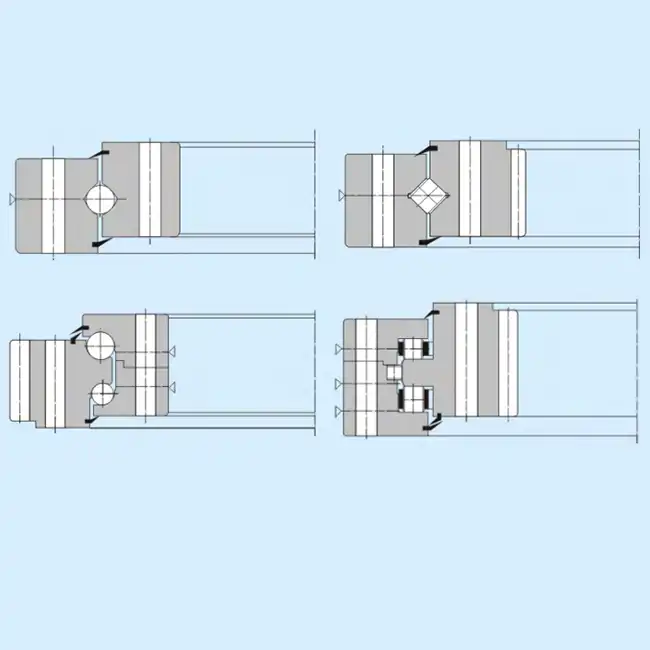
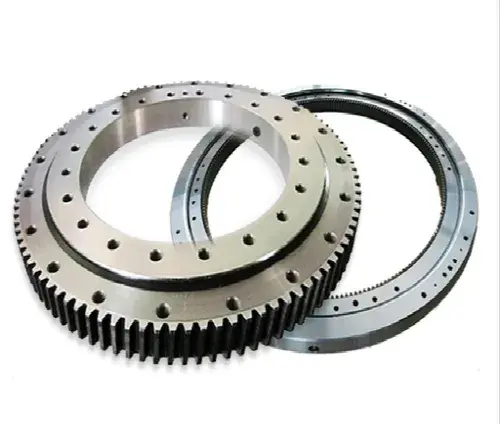
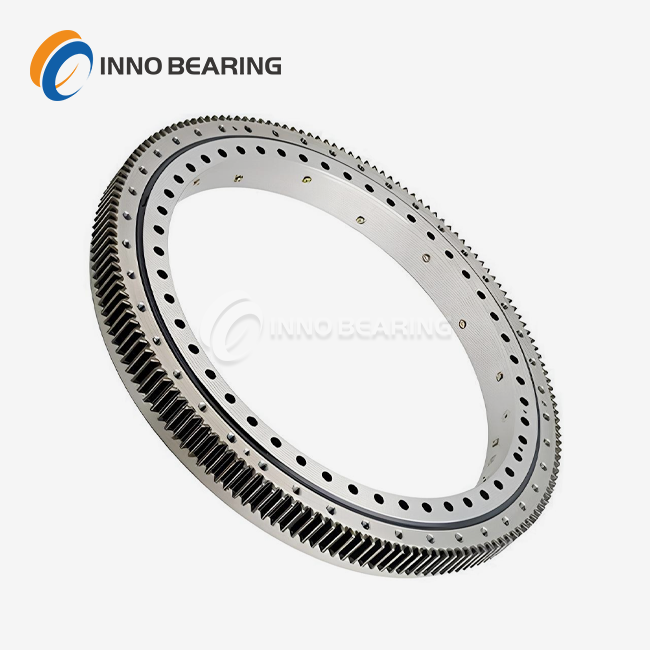
Jib crane bearings are the most important part of a material handling system because they allow for smooth circular movement while holding heavy loads. Specialized spinning elements like these are not at all like regular Slewing Bearings. They are made in a way that fits the unique stress patterns and operating needs of jib crane systems.
What makes these bearings different is how they have to handle different types of load. Jib cranes create complex multidirectional pressures by mixing radial, axial, and moment loads at the same time. This is different from normal radial bearings, which mostly handle forces that are going in one direction. For this special lifting situation, the internal shape and raceway configurations need to be specially designed to work best with the way the jib crane rotates.
Modern designs for jib crane bearings use improved contact angle optimization to spread loads more evenly across the rolling parts. In standard bearing uses, stress concentrations that cause early failure are usually greatly reduced by this engineering technique. Because the bearing can handle mixed loading conditions while keeping exact rotational control, it is essential for uses that need to be able to lift big things and place them precisely.
Different types of bearing configurations are used in industrial settings based on the unique needs of the job. When working in tough conditions where dust, water, or chemicals can damage internal parts, sealed bearing designs are the best way to keep them clean. These units use advanced closing technologies that keep the oil working properly and keep outside contaminants from hurting the performance of the bearings.
Because open bearing designs let more heat escape and make upkeep easier, they work well in controlled settings where there isn't much chance of contamination. Choosing between sealed and open setups has a direct effect on how often upkeep needs to be done, how much lubrication is needed, and the long-term costs of running the machine.
The choice of material is very important for how long a bearing will last in tough circumstances. High-quality steel metals have great fatigue resistance, and special surface treatments make them more resistant to rust and wear. Modern protection techniques greatly increase the useful life of things that are subject to water, chemicals, or big changes in temperature.
Knowing the trends of common failures lets you plan proactive maintenance that stops expensive unexpected downtime. Bearing decline usually shows up as more vibration, strange noises, or higher working temperatures, all of which are signs of more internal wear.
Lubrication breakdown is one of the main reasons things break down. It can be caused by contamination, short upkeep times, or choosing the wrong lubricant. Monitoring the state on a regular basis through vibration analysis and thermographic inspection lets you find problems early, so you can plan repair before they become catastrophic.
Assessing Load and Performance Requirements
A correct load estimate is the first step in choosing the right Jib crane bearings. This involves a thorough examination of both the static and dynamic forces that are present during normal operations. The process of evaluating must take into account the highest weights that can be lifted, the number of times the bearing has to work, and any external factors that might affect its performance over time.
Static load estimates include the most weight that the bearing can hold when it is not moving. This weight includes the weight of the crane itself, its highest payload, and any extra equipment that is attached to the jib assembly. Dynamic loading, on the other hand, is more difficult because tactical forces create changing stress patterns that are much worse than static situations.
Dynamic load factors include forces that cause the building to speed up and slow down while the crane is working, as well as wind loads and contact forces from moving loads. These factors cause fatigue stresses that build up over millions of working cycles. This is why dynamic load rating is the most important parameter for predicting how long a bearing will last.
A professional load analysis should include safety factors that take into account unplanned operating conditions, possible overloaded situations, and the effects of equipment wearing out over time. Depending on how important the product is and where it will be used, industry standards usually say to leave safety gaps of 25% to 50% above the calculated maximum loads.
The operating setting has a big effect on how to choose a bearing and how long it should last. Extreme temperatures, water contact, and contamination are problems that outdoor projects usually don't have to deal with. Coastal areas have higher rust risks because of the salt air, so they need stronger protections and stricter material requirements.
Temperature changes have an effect on the viscosity of the grease, the rate of thermal expansion, and the qualities of the material, all of which have a direct effect on how well the bearing works. Extreme cold can make the lubricant stiffen and increase the starting power. High temperatures, on the other hand, speed up the breakdown of the lubricant and lower its load-carrying capacity.
Exposure to dust, dirt, or chemicals speeds up the rate of wear and greatly lowers the service life. An environmental survey should find out what kinds of contaminants are present in the working area so that the right bearing configurations can be chosen with the right levels of security to keep working at their best throughout the service interval.
Material and Construction: Ensuring Long-Term Reliability
The reliability, service life, and upkeep needs of bearings in a wide range of industrial settings are directly affected by the materials used and the quality of the design. By knowing how different materials and building methods work, you can make smart choices that lower your total cost of ownership while still meeting your daily needs.
High-carbon chrome steel is still the standard for bearing parts because it doesn't wear down easily and keeps its shape when it's loaded. Modern bearing steels go through special heat treatments that make the hardness distribution and residue stress patterns work best so they can last as long as possible in tough circumstances.
Stainless steel options are better at resisting rust in places where they will be exposed to water, chemicals, or the ocean. Even though it usually has lower load rates than bearing steel, building from stainless steel doesn't fail because of corrosion, which can make things less safe and reliable in harsh environments.
Advanced surface processes, such as nitriding, carbonitriding, and special coats, improve performance without the need for unusual base materials. When these processes are done, the steel's toughness is kept while the top layers become harder and more resistant to wear and corrosion.
Sealed bearing setups protect against all kinds of contamination through built-in closing systems that keep the inside clean while keeping the oil. Modern seals are made with improved elastomer compounds and contact shapes that reduce friction and keep the seals working well over time even when conditions change.
The trade-off with sealed designs is that they can't get rid of heat as well and can't be re-oiled as easily. This means that they work best in situations where protecting against contamination is more important than being able to do maintenance quickly. When their service limits are hit, sealed bearings usually need to be replaced instead of being fixed up.
Opening up the bearings makes it easier for heat to escape and gives you full access for upkeep, such as the ability to add oil and check the state. These setups work well in controlled settings with little to no outside contamination and where regular maintenance programs can be carried out successfully.
Quality certification standards, such as ISO 9001 and qualifications relevant to the business, check that manufacturing methods and quality management systems are working properly. Reliable providers keep detailed records that show where the materials come from, how they are made, and the results of quality tests for every bearing they make.
When you work with authorized distributors, you can be sure that you'll get real goods that come with full warranties and expert support. For reliable buying results, seller verification and identification procedures are necessary because fake Jib crane bearings are a big risk in the industrial market.
Maintenance and Installation Considerations
Correct fitting methods and thorough care plans are very important for extending the life of bearings and making sure that equipment works reliably for as long as it is used. Companies can lower their total cost of ownership and reduce the chance of unexpected downtime by learning the best ways to do both installation and ongoing upkeep.
To keep things from breaking while they're being put together, bearing installation needs to be perfectly aligned, using the right fitting methods, and being handled carefully. As one of the main reasons why bearings fail early is because they were not installed correctly, following the manufacturer's instructions and best practices in the industry is very important for success.
The precision of the alignment has a direct effect on how the load is spread across the raceways and rolling elements. Even small misalignments can cause stress buildup that shorten the service life and make the machine vibrate and make more noise while it's running. Professional installation uses precise measuring tools and alignment steps to make sure that the bearing shape is always at its best during the building process.
Another major risk factor is contamination during installation. Foreign materials can't get into bearing assemblies because of clean assembly areas, proper handling methods, and safety measures. They can damage the assemblies right away or speed up the wear process over time.
Regular inspections, condition monitoring, and re-greasing on a plan based on working conditions and manufacturer suggestions are all important parts of good maintenance programs. Preventive maintenance methods cut down on overall maintenance costs by a large amount while also making equipment more reliable and available.
For lubrication management to work, people need to know the right types of lubricants, how to use them, and how often they need to be replaced based on the working conditions. Too much lubrication can lead to too much heat and damage to the seals, while not enough oil speeds up wear and could cause a catastrophic failure.
Condition tracking technologies, such as vibration analysis, temperature monitoring, and lubricant analysis, can give you early warnings about problems so you can plan repair before they become expensive fails. Monitoring on a regular basis sets a standard for performance and tracks how it's getting worse over time.
By recognizing replacement signs, bearings can be changed out before they fail in a catastrophic way. Some warning signs are higher levels of shaking, strange noises, high working temperatures, or lubricant pollution that can be seen as a sign of progressing internal wear.
Procedures for troubleshooting should be based on organized methods that find root causes instead of just fixing symptoms. Figuring out trends of failure and the factors that lead to them lets you fix problems before they happen again and get the most out of your replacement times.
Using original equipment manufacturer (OEM) new parts keeps the performance of the original equipment and makes sure that they will work with existing setups. Even though aftermarket options might be cheaper, they might not work as well or at all, which could make operations less reliable.
Procurement Factors: Price, Lead Time, and Supplier Reliability
It is important for strategic procurement choices to balance cost with quality standards, delivery times, and long-term ties with suppliers that support ongoing business needs. Knowing how the market works, what suppliers can do, and how much the whole process will cost helps you make the best buying choices that give your company real value.
When you add up the costs of installation, upkeep, and any downtime that might happen because of premature breakdowns, bearing costs are only a small part of the total costs of ownership. High-quality Jib crane bearings from reputable makers usually offer better value because they last longer, need less upkeep, and are more reliable in use.
When organizations have a lot of installations or know when they need to repair things, bulk buying can save them a lot of money. Bulk buying is a good idea for many business uses because it saves money on shipping costs, gets savings for large orders, and makes inventory management easier.
Planning a budget should include not only the initial cost of the item being bought, but also the costs of fitting, any upkeep that needs to be done, and any possible downtime costs that come with replacing the bearings. Life cycle cost analysis gives a full picture of all the costs of owning something, which helps people make smart choices about what to buy.
When judging a supplier, you should look at their technical knowledge, quality certifications, shipping history, and ability to provide help after the sale. Reliable sellers offer full expert support, help with application engineering, and quick customer service that goes above and beyond just supplying products.
Different suppliers offer very different warranty terms, which can show how confident a seller is in the quality of their products and how much they want their customers to be happy. Full warranties that cover material defects, production flaws, and early failure protect against quality problems and show that the seller trusts their goods.
After-sales support services, such as expert advice, help with troubleshooting, and application engineering support, offer continued value that goes far beyond the release of the product. When dealing with complicated applications or strange working situations, these services become even more useful.
For specialized uses, custom bearing combinations that aren't available in normal catalogs are often needed. Custom manufacturing lets you get the best answers for your specific needs while still meeting quality standards and performance standards that are right for your purpose.
When planning lead times, it's important to think about when things need to be manufactured, shipped, and whether there might be problems in the supply chain that could push back delivery dates. For important uses, it might make sense to keep strategic inventory levels or work out faster shipping plans with providers.
Logistics planning includes not only shipping times, but also the right way to package, handle, and store things so that they keep their quality while they're being moved and stored. Damage and pollution that could hurt bearing performance can be avoided with good transportation management.
Conclusion
To choose the best jib crane bearings for performance and value, you need to carefully consider working needs, weather conditions, and the supplier's abilities. The five important things we talked about—understanding the basics of bearings, figuring out how much load they can handle, looking at materials and building, planning how to maintain them, and thinking about how to buy them—give us a structured way to choose the right bearings. When businesses take the time to carefully evaluate providers and work with trustworthy ones, they get better practical results like less downtime, longer service life, and lower total cost of ownership. By following these guidelines, you can make sure that the purchases you make will help your business succeed and the tools last for a long time.
FAQ
What is the typical service life of jib crane bearings?
Service life depends a lot on how it is used, how much weight it has, and how well it is maintained. When used correctly and with proper care, well-maintained bearings can usually last between 10,000 and 50,000 hours of use. In ideal conditions, some setups can last over 100,000 hours. Regular condition tracking and preventive maintenance greatly increase the time between service visits and lower the chance of something unexpected breaking down.
How do environmental conditions affect bearing selection?
Extreme temperatures, moisture levels, contamination levels, and corrosive substances in the environment all have a direct effect on the choice of material and the amount of security that is needed. For outdoor uses, better insulation, materials that don't rust, and more frequent upkeep are usually needed compared to controlled indoor settings. A good environmental assessment makes sure that the bearing specifications fit the situations under which they will be used.
What are the most common causes of premature bearing failure?
Problems with lubrication, pollution, bad fitting, and overloading are the main reasons why jib cranes break down. About 40% of bearing problems are due to inadequate lubrication or the wrong choice of grease. Another 35% are due to contamination. Most early mistakes can be avoided by following the right installation, upkeep, and operation steps.
Partner with INNO Bearing for Your Jib Crane Bearing Requirements
INNO Bearing blends almost 30 years of specialized manufacturing experience with cutting-edge engineering skills to provide the best jib crane bearing options for tough industrial uses. Our all-around method includes unique design, precise manufacturing, and full technical support services that make sure your equipment works at its best for as long as it's in use. As a reliable company that makes jib crane bearings, we keep strict quality standards and can deliver quickly to meet your project deadlines and practical needs.
Email our engineering team at sales@inno-bearing.com to talk about your unique needs and find out how our knowledge of large-diameter, non-standard bearings up to φ5000mm can help you improve the way you move things around. Our history of working with heavy machinery, mining, and industry shows that we are dedicated to providing dependable Solutions that go above and beyond your hopes while giving you the best value for your money.
References
American Society of Mechanical Engineers. "Guidelines for Industrial Bearing Selection and Application in Material Handling Equipment." ASME Standards Publication, 2023.
International Organization for Standardization. "Rolling Bearings - Load Ratings and Fatigue Life Calculations for Industrial Applications." ISO Technical Specification 281, 2022.
Bearing Industry Association. "Best Practices for Bearing Installation and Maintenance in Heavy Industrial Equipment." BIA Technical Manual, 2023.
Society of Tribologists and Lubrication Engineers. "Lubrication Guidelines for Large Diameter Bearings in Rotating Machinery." STLE Technical Report, 2022.
Industrial Maintenance and Plant Operation Magazine. "Bearing Failure Analysis and Prevention Strategies in Material Handling Systems." IMPO Technical Article Series, 2023.
National Institute of Standards and Technology. "Materials and Testing Standards for High-Load Bearing Applications in Industrial Equipment." NIST Special Publication, 2022.

Learn about our latest products and discounts through SMS or email