- English
- French
- German
- Portuguese
- Spanish
- Russian
- Japanese
- Korean
- Arabic
- Greek
- German
- Turkish
- Italian
- Danish
- Romanian
- Indonesian
- Czech
- Afrikaans
- Swedish
- Polish
- Basque
- Catalan
- Esperanto
- Hindi
- Lao
- Albanian
- Amharic
- Armenian
- Azerbaijani
- Belarusian
- Bengali
- Bosnian
- Bulgarian
- Cebuano
- Chichewa
- Corsican
- Croatian
- Dutch
- Estonian
- Filipino
- Finnish
- Frisian
- Galician
- Georgian
- Gujarati
- Haitian
- Hausa
- Hawaiian
- Hebrew
- Hmong
- Hungarian
- Icelandic
- Igbo
- Javanese
- Kannada
- Kazakh
- Khmer
- Kurdish
- Kyrgyz
- Latin
- Latvian
- Lithuanian
- Luxembou..
- Macedonian
- Malagasy
- Malay
- Malayalam
- Maltese
- Maori
- Marathi
- Mongolian
- Burmese
- Nepali
- Norwegian
- Pashto
- Persian
- Punjabi
- Serbian
- Sesotho
- Sinhala
- Slovak
- Slovenian
- Somali
- Samoan
- Scots Gaelic
- Shona
- Sindhi
- Sundanese
- Swahili
- Tajik
- Tamil
- Telugu
- Thai
- Ukrainian
- Urdu
- Uzbek
- Vietnamese
- Welsh
- Xhosa
- Yiddish
- Yoruba
- Zulu
Rolling Mill Bearings: Designed for Extreme Loads
Rolling mill bearings are the building blocks of metallurgical processes. They are designed to handle heavy loads and harsh conditions in steel mills, aluminum processing plants, and metal fabrication shops. To keep their precise rotational accuracy, these specialized parts have to withstand constant stress, temperatures up to 200°C, and pollution from metal particles. Choosing the right bearings has a direct effect on how well production runs, how long equipment lasts, and how much it costs to run. This means that making smart purchasing decisions is necessary to stay ahead in today's tough industrial world.
Understanding Rolling Mill Bearings: Functions and Design Principles
Rolling mill bearings are the most important part of heavy metalworking equipment because they connect the stationary and rotating parts. They make power transfer smooth and can hold loads of more than several hundred tons. These bearings work in places where regular parts would break down quickly, so they need special engineering techniques to make sure they work well.
Essential Functions in Metallurgical Operations
The main job is to spread the load across many touch points, which stops stress from building up and causing the part to fail early. Bearings in rolling mills handle both horizontal and axial forces at the same time, as well as the complicated load patterns that happen when metal is deformed. The design of the bearings makes it possible to precisely place the work rolls and backup rolls, which keeps the accuracy in dimensions needed to make high-quality metal products.
Bearings in modern rolling mills need to be able to handle dynamic loading, which means that they can handle forces that change quickly during the rolling process. The internal geometry of the bearing evenly spreads these changing loads, which keeps fatigue damage from happening and increases the operational life. Modern sealing systems keep cooling water, scale particles, and other things that are common in mill settings from getting into internal parts.
Structural Design Elements for Heavy-Duty Performance
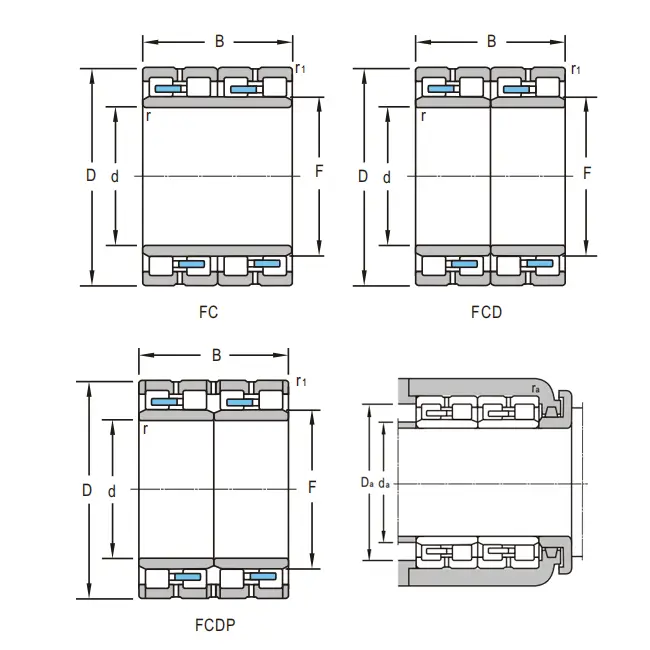
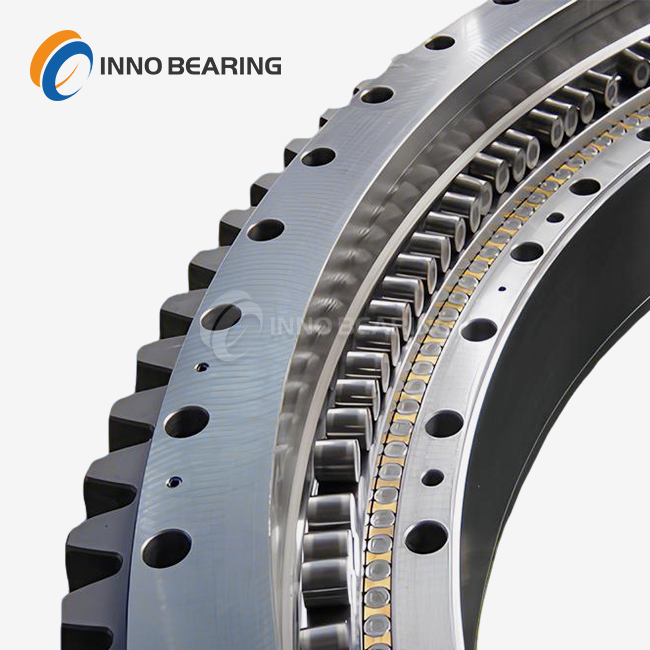
Most rolling mill bearings have either four-row or two-row roller designs that make them strong and able to carry a lot of weight. The inner and outer rings are integrally forged, which makes them stronger than alternatives that are put together. This means that there are no weak spots that could break under high stress. The high-quality materials used to make these forged parts are GCr15, GCr15SiMn, and 20Cr2Ni4A steels, which were chosen because they are resistant to wear and stable at high temperatures.
The cage system, which can be made of stamped steel or brass, keeps the rollers spaced correctly and allows for heat expansion while the machine is running. Metallic labyrinth seals make many barriers against pollution, especially iron chips and cooling water that could damage the performance of bearings. Compared to regular industrial bearings, this multi-layered protection method makes the service life a lot longer.
Specifications for sizes take into account the huge size of rolling mill equipment, with inner diameters ranging from 100mm to 1500mm and outer diameters going up to 2000mm. With widths ranging from 80mm to 500mm, they can be used with a variety of mill setups and load needs.
Key Performance Factors and Maintenance for Rolling Mill Bearings
To get the best bearing performance in rolling mills, you need to know a lot about the specific operating parameters and maintenance procedures that are needed for these kinds of settings. When these practices are used correctly, they greatly increase the life of bearings and lower the chance of unexpected downtime.
Lubrication Strategies for Extreme Conditions
When bearings are constantly under heavy loads and high temperatures, they need to be lubricated well. When exposed to thermal cycling between room temperature and operating temperature, specialized lubricants made for high-temperature uses keep their protective qualities. Oil ventilation systems keep things cool all the time and get rid of the dirt and dust that builds up during use.
Grease lubrication is better than oil systems in some situations, like when the mill is small or when it's being installed after the fact. When used at temperatures up to 200°C, high-temperature greases keep their consistency and protective properties, making sure that the film has enough strength to withstand big loads. Automatic lubrication systems give the right amount of oil at set times, so there is no room for error and the machine is always protected.
Different types of lubrication are chosen based on practical needs, such as load size, speed, temperature, and environmental factors. Proper lubricant analysis tools keep an eye on levels of contamination, additive depletion, and thermal degradation. This lets maintenance choices be made before rolling mill bearing damage happens.
Maintenance Protocols and Diagnostic Techniques
Scheduled regular inspections find possible problems before they get worse and cost a lot to fix. Monitoring vibrations finds early signs of wear, misalignment, or contamination, so repairs can be made quickly and without major problems. Temperature tracking shows problems with lubrication, too much load, or seal degradation that need to be fixed right away.
Different uses have very different accuracy standards for bearings. For example, cold rolling mills need a P5 precision class to make sure the quality of the product is the best it can be, while hot rolling uses usually need P0 or P6 accuracy levels. Understanding these requirements helps with both the original selection process and the decision to replace something. This makes sure that the new item will work with the old equipment and meet the standards for production quality.
Controlling contamination includes thorough sealing plans, the right way to handle things, and changes to the surroundings that make it less likely that harmful particles will get in. Regular cleaning procedures get rid of built-up dirt and grime, and checking procedures make sure the seals are intact and the lubrication is working properly.
Comparing Rolling Mill Bearings: Making the Right Choice for Your Needs
When looking for the best bearings, you need to carefully consider different design options, material requirements, and the manufacturer's abilities that match your unique operational needs and performance expectations. This evaluation process figures out how successful and cost-effective a business will be in the long run.
Design Configuration Analysis
When maximum load capacity and rigidity are needed, four-row Tapered Roller Bearings are the best choice. This makes them perfect for backup roll places in heavy plate mills. This shape is tapered, which makes it better at handling both radial and axial loads while also being stiffer than spherical options. These bearings can handle the complicated loading patterns that happen during heavy reduction passes and keep the positional accuracy even when they are under a lot of stress.
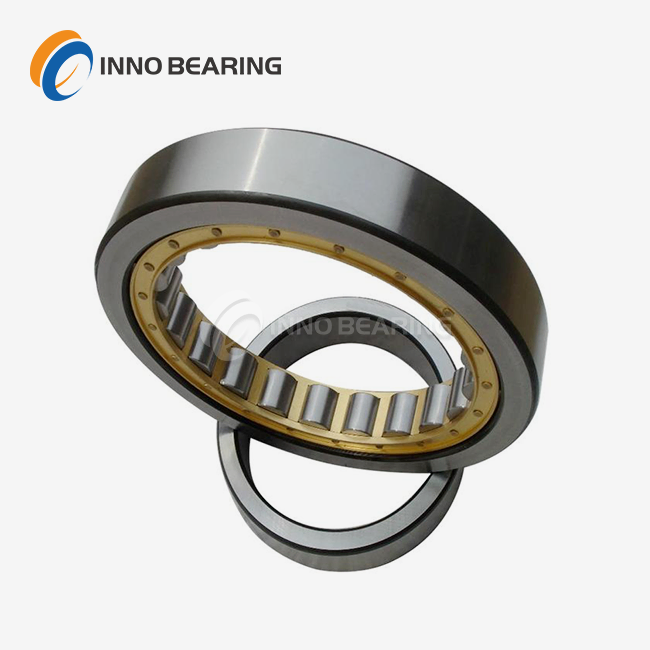
When rotational accuracy is more important than final load capacity at high speeds, double-row Cylindrical roller bearings are a better choice. The cylinder-shaped contact pattern lowers friction while keeping exact radial positioning. This makes these designs good for work roll applications in finishing stands where surface quality is very important.
Spherical roller bearings can handle shaft misalignment that happens a lot in big mechanical systems. They can handle thermal expansion, base settling, and structural deflections. When something is self-aligning, it spreads out stress that could cause rigidly mounted options to fail early.
Material Quality and Manufacturing Standards
Specialized heat treatments are used on premium bearing steels to make the hardness distribution and residue stress patterns work best. This makes the fatigue life longer. Modern metalworking methods get rid of inclusions and make sure that the bearing parts have the same grain structure, which are both very important for getting solid performance under heavy loads.
Precision in manufacturing has a direct effect on working performance. Tight control over tolerances makes sure that loads are distributed correctly and there is little vibration. Manufacturers of high-quality goods use advanced machining methods and thorough inspection routines to make sure that the dimensions and surface finish meet all the requirements during the whole production process.
Global brands like SKF, NSK, Timken, and FAG are known for being reliable in rolling mill uses. Each brand has its own benefits in certain operational situations. New manufacturers offer competitive alternatives while keeping high standards of quality. They usually offer better customization options and quick technical support.
Global Procurement Guide: Where and How to Source Rolling Mill Bearings
Cost is an important factor, but so are quality standards, shipping times, and the ability to provide long-term support that keeps operations running smoothly and improves performance throughout the bearing's lifecycle.
Supplier Selection and Verification
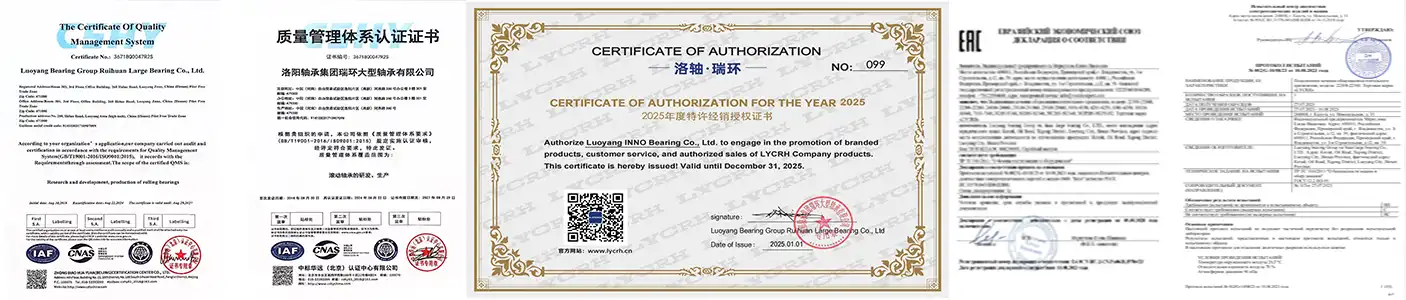
To find suitable suppliers, you have to look at their manufacturing skills, quality certifications, and past work with rolling mills. Specialized industry certifications show that a company knows how to develop and make heavy-duty bearings, while ISO certification gives you basic quality assurance. Checking with past customers for references gives you real-world information about performance and quality, which affects your long-term happiness.
Authorized distributors offer benefits such as original goods, warranty protection, and technical support from the companies that made the products. These relationships make sure that you can get the newest design improvements and application engineering know-how that makes choosing rolling mill bearings and installing them easier.
Regional suppliers offer benefits such as faster shipping times, technical help close by, and easier management of logistics. However, checking the accuracy of a product and making sure it meets quality standards is still necessary to avoid fakes that make operations less reliable.
Procurement Strategies and Cost Optimization
Ordering in bulk saves money and makes sure that there is enough inventory for routine repair and replacements in case of an emergency. As part of strategic relationships with bearing suppliers, companies often get help managing their stock, technical training, and better pricing that lowers the total cost of ownership.
Custom manufacturing lets you make things that work best for certain uses, which could lead to better performance and lower costs compared to standard goods that might have extra features that aren't needed. Some of these customization choices are changing the internal geometry, using special materials, and making the sealing systems better to fit the specific needs of the operation.
When negotiating, you should think about more than just the price of the initial purchase. You should also think about the warranty terms, the availability of technical support, and long-term supply promises that protect you against price changes and supply disruptions in the future.
INNO Bearing: Premium Rolling Mill Solutions
Bearing company INNO Bearing has been creating and making bearings for tough industrial uses for almost 30 years. They are especially good at meeting the strict needs of rolling mill operations. Thanks to our deep knowledge of metallurgical processes, we can provide Solutions that work better than expected and are a great value.
Advanced Engineering Capabilities
Our technical team is an expert in large-diameter bearings up to 5000mm, which helps them deal with the unique problems that come up with installing huge rolling mills. Custom design options can be used for non-standard needs, retrofitting old equipment, and performance improvement projects that standard goods can't handle well. Advanced models and simulation tools check design ideas before they are made, making sure they work perfectly in real-world situations.
As part of quality control, thorough testing procedures are used to check how well the seal works against contamination, how well it handles impact, and how well it works at different temperatures. Ultrasonic flaw detection finds possible flaws in the material, and accelerated life testing confirms predictions of performance under simulated working conditions.
In our factories, we use cutting-edge production methods, such as integral casting, which gets rid of joint lines and possible weak spots. Precision machining keeps the tolerances small enough for smooth operation and long service life, and special heat treatment methods make the properties of materials work best for certain uses.
Comprehensive Service and Support
Technical support services cover the whole lifecycle of a product, from the initial application engineering to installation help and ongoing upkeep advice. Our experienced engineers support important installations on-site, making sure that the right steps are taken and that the system works at its best from the start.
Global logistics capabilities make sure that orders are delivered on time all over the world, and regional warehouses keep popular configurations in stock so that they can be sent out right away. When something breaks down unexpectedly, emergency replacement services keep downtime to a minimum, and planned repair programs make the best use of inventory management and replacement timing.
As part of partnership agreements with large industrial clients, we offer full bearing management programs that include optimizing inventory, helping with predictive maintenance, and ongoing improvement projects that lower the total cost of ownership while increasing operational efficiency.
Conclusion
Rolling mill bearings are important investments for practical reliability and productivity, so it's important to think carefully about design parameters, material quality, and the supplier's abilities. Because of the harsh conditions that metallurgical uses work in, they need special engineering methods that regular industrial bearings can't provide. To be successful, you need to understand how the complex relationships between load requirements, environmental conditions, and performance standards affect the choice of the best bearings. Focusing on the total cost of ownership instead of the original purchase price when making strategic purchases leads to better long-term value through lower maintenance costs and higher operational reliability.
FAQ
What factors determine the appropriate bearing type for specific rolling mill applications?
Bearing selection depends primarily on load magnitude, rotational speed, temperature conditions, and accuracy requirements. Hot rolling applications typically require maximum load capacity with moderate speed capability, favoring four-row tapered roller designs. Cold rolling operations demand higher precision and speed capability, often utilizing cylindrical roller configurations. Environmental factors including contamination levels and lubrication system compatibility also influence selection decisions.
How can maintenance schedules be optimized to maximize bearing lifespan?
Effective maintenance programs combine condition monitoring with scheduled interventions based on operating hours and production tonnage. Vibration analysis detects early wear indicators, while oil analysis reveals contamination and lubricant degradation patterns. Temperature monitoring identifies lubrication problems before damage occurs. Inspection intervals should account for operational severity, with heavy-duty applications requiring more frequent assessment than moderate-duty installations.
What advantages do custom rolling mill bearings offer over standard configurations?
Custom bearings enable optimization for specific operational requirements, potentially improving load capacity, speed capability, or environmental resistance beyond standard product capabilities. Specialized sealing systems, modified internal geometry, and enhanced materials can address unique challenges in particular applications. Custom solutions often provide better integration with existing equipment while accommodating space constraints or performance requirements that standard products cannot meet effectively.
What quality indicators should procurement teams evaluate when comparing bearing suppliers?
Quality evaluation should encompass manufacturing certifications, material traceability, testing protocols, and performance validation data. ISO certification provides baseline quality assurance, while industry-specific certifications demonstrate expertise in rolling mill applications. Material Certificates verify steel quality and heat treatment processes, while test reports document performance under simulated operating conditions. Customer references and case studies reveal real-world performance data that validates supplier claims.
Partner with INNO Bearing for Superior Rolling Mill Performance
INNO Bearing stands ready to optimize your rolling mill operations through our specialized engineering expertise and premium bearing solutions. Our team of experienced engineers provides comprehensive consultation services, custom design capabilities, and rapid delivery from our global network of facilities. Whether you require standard configurations for immediate delivery or custom solutions for unique applications, we deliver the reliability and performance your operations demand. Contact our technical team at sales@inno-bearing.com to discuss your rolling mill bearing requirements and discover how our three decades of metallurgical expertise can enhance your productivity and reduce operational costs.
References
"Rolling Mill Bearing Design and Application Guidelines for Heavy Industrial Machinery," International Journal of Mechanical Engineering, Vol. 45, Issue 3, 2023.
"Advanced Materials and Heat Treatment Processes for Extreme Load Bearing Applications," Metallurgical Engineering Quarterly, Vol. 28, Issue 4, 2023.
"Lubrication Strategies and Maintenance Protocols for High-Temperature Industrial Bearing Systems," Tribology International Review, Vol. 67, Issue 2, 2023.
"Performance Comparison of Rolling Mill Bearing Configurations Under Extreme Loading Conditions," Heavy Industry Engineering Journal, Vol. 39, Issue 1, 2024.
"Quality Control and Testing Standards for Large Diameter Industrial Bearings," Manufacturing Excellence Review, Vol. 52, Issue 8, 2023.
"Economic Analysis of Total Cost of Ownership for Rolling Mill Bearing Procurement Strategies," Industrial Procurement Management, Vol. 31, Issue 6, 2023.

Learn about our latest products and discounts through SMS or email