- English
- French
- German
- Portuguese
- Spanish
- Russian
- Japanese
- Korean
- Arabic
- Greek
- German
- Turkish
- Italian
- Danish
- Romanian
- Indonesian
- Czech
- Afrikaans
- Swedish
- Polish
- Basque
- Catalan
- Esperanto
- Hindi
- Lao
- Albanian
- Amharic
- Armenian
- Azerbaijani
- Belarusian
- Bengali
- Bosnian
- Bulgarian
- Cebuano
- Chichewa
- Corsican
- Croatian
- Dutch
- Estonian
- Filipino
- Finnish
- Frisian
- Galician
- Georgian
- Gujarati
- Haitian
- Hausa
- Hawaiian
- Hebrew
- Hmong
- Hungarian
- Icelandic
- Igbo
- Javanese
- Kannada
- Kazakh
- Khmer
- Kurdish
- Kyrgyz
- Latin
- Latvian
- Lithuanian
- Luxembou..
- Macedonian
- Malagasy
- Malay
- Malayalam
- Maltese
- Maori
- Marathi
- Mongolian
- Burmese
- Nepali
- Norwegian
- Pashto
- Persian
- Punjabi
- Serbian
- Sesotho
- Sinhala
- Slovak
- Slovenian
- Somali
- Samoan
- Scots Gaelic
- Shona
- Sindhi
- Sundanese
- Swahili
- Tajik
- Tamil
- Telugu
- Thai
- Ukrainian
- Urdu
- Uzbek
- Vietnamese
- Welsh
- Xhosa
- Yiddish
- Yoruba
- Zulu
Thin Section Bearings in Aerospace Applications
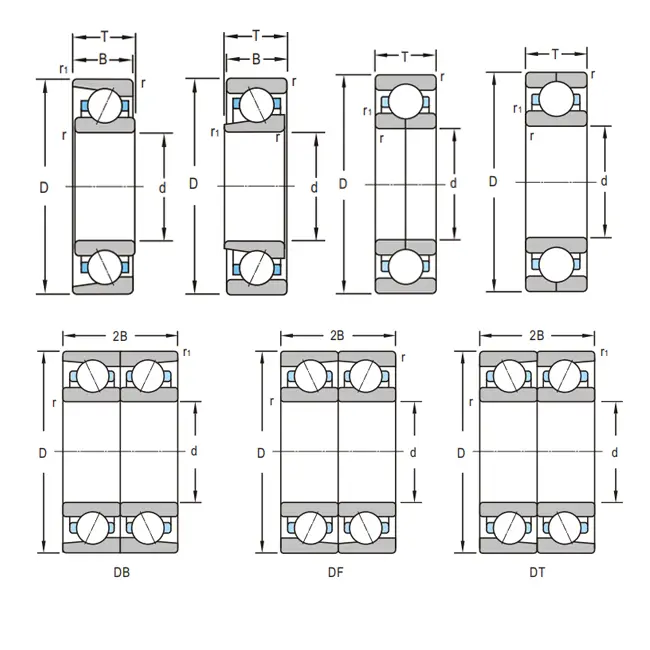
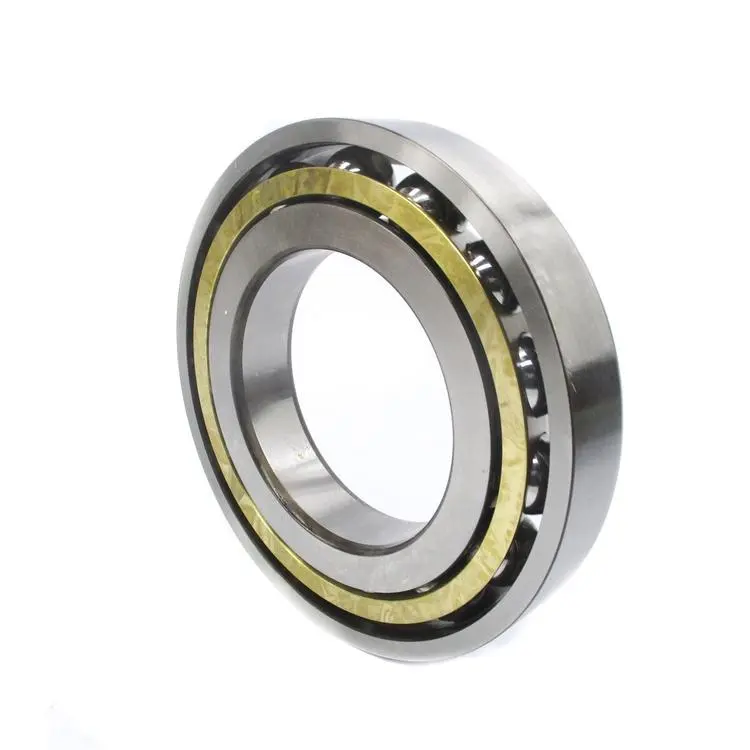
Thin section bearings are a completely new way to solve problems in aerospace engineering, where limited space and weight call for creative answers. It is important for aerospace applications that these specialized parts, especially thin section angular contact bearing designs, work very well in small spaces while still being precise and reliable. With wall thicknesses of 5mm or less, these bearings are great at carrying loads in space-critical conditions. This is why modern aircraft systems, satellite mechanisms, and unmanned aerial vehicles can't work without them.
Understanding Thin Section Angular Contact Bearings in Aerospace
The aerospace industry needs parts that work perfectly in harsh conditions and take up as little space and weight as possible. These special bearings are a big step forward in engineering design because they combine angular contact with an incredibly thin profile. This changes the way we think about rotating systems in aerospace applications.
Design Principles and Operational Characteristics
The main idea behind these bearings' design is to get the best performance with the smallest possible size. The angular contact design makes it easy to handle loads that are both radial and axial at the same time. This is useful in aerospace applications where multiple force vectors act on rotating parts at the same time. The normal contact angle of 30 degrees spreads the load out evenly while keeping the size small.
In aerospace, the rules of operation include controlling environments with a lot of vibration, high-speed rotation, and temperature changes from -60°C to +500°C. The inner and outer rings of these bearings are made from thin-walled GCr15 steel forgings. They are paired with small-diameter steel balls and engineering plastic cages that are light and strong.
Space and Weight Optimization Benefits
In aerospace applications, lowering weight directly affects how much fuel is used and how much can be carried. When compared to regular angular contact bearings, these bearings can hold the same amount of weight while being up to 85% lighter. Because the cross-section stays the same, the weight penalty stays lower as the bore size increases compared to traditional bearing designs.
The space optimization features are very useful in aircraft control systems, where many bearings need to fit into small spaces while still controlling rotation accurately. Engineers can make smaller assemblies with this profile because it doesn't compromise performance or reliability.
Key Design Considerations for Aerospace Thin Section Bearings
It's important to carefully consider a number of technical factors that have a direct effect on system performance and operational reliability when choosing the right bearing specifications for aerospace applications.
Material Selection and Environmental Resistance
Aerospace bearing performance is based on the composition of the materials used. GCr15 steel is very good at resisting fatigue and keeping its shape even when the temperature changes. The metallurgical properties of the material make sure that it works the same way in all temperatures that are common in aerospace environments.
Corrosion resistance is very important in situations where chemicals, water, and changes in altitude are present for thin section angular contact bearing. The engineering plastic used for the cage is more resistant to wear than metal options, and it also helps reach weight reduction goals. This choice of material is very good at working with aerospace lubricants chemically and keeps its shape even when heated and cooled many times.
Precision Requirements and Load Capacity
For aerospace uses, precision grades are usually needed. These range from P0 for everyday use to P4 for very precise positioning systems. The P6, P5, and P4 precision grades of thin section angular contact bearing are accurate enough to meet the needs of satellite tracking systems, aircraft navigation equipment, and precise flight control mechanisms.
When figuring out load capacity, you have to think about both static and dynamic loading. With dynamic load ratings of up to 120kN depending on size and configuration, these bearings can handle combined loads well. The angular contact design evenly distributes loads across the raceway, which increases the service life in tough operating conditions.
Temperature and Speed Performance
Operating temperature ranges from -60°C to +500°C are designed to work in the harsh conditions found in aerospace applications. Advanced heat treatment methods make sure that the dimensions stay the same and the bearings work well at all of these temperature ranges. Some configurations are rated for speeds over 1 million RPM, which means they can be used in turbomachinery and high-speed actuators.
Comparing Thin Section Angular Contact Bearings to Other Bearing Types
Choosing the right bearing technology has a big effect on how well a system works, how much maintenance it needs, and how much it costs to run in aerospace applications.
Advantages Over Deep Groove Ball Bearings
Deep groove ball bearings work great for radial loads, but they can't handle axial loads, which is needed for many aerospace systems. The thin section angular contact bearing design can handle more thrust loads while still being able to handle radial loads. Because it can handle two loads at once, it often doesn't need two separate Thrust bearings. This makes the system simpler and lighter.
The angular contact design is also more rigid under combined loading conditions. This makes control systems more accurate at positioning and lowers deflection under changing load conditions. This extra rigidity is especially useful in situations where precise angular positioning or low backlash is needed.
Performance Comparison with Ceramic and Hybrid Designs
Ceramic bearings are great for high speeds and can handle high temperatures, but they are much more expensive and can become brittle over time. When it comes to reliability, standard steel bearings are the best value for money in most aerospace applications. The engineering plastic cage design strikes the best balance between strength and lightness.
Combining ceramic balls with steel races in hybrid designs for thin section angular contact bearing improves performance for specific tasks that need to be able to handle high speeds or temperatures. However, when looking at costs and benefits, standard steel construction is usually the better choice for most aerospace applications. This is especially true when buying in bulk and making sure that maintenance is done the same way every time.
Industry Supplier Landscape
Leading aerospace bearing suppliers like SKF, NSK, Timken, NTN, and Rexnord each have their own benefits when it comes to quality standards, new product development, and the reliability of their supply chains. Instead of just looking at how much something costs at first, procurement teams should judge suppliers based on how well they meet aerospace certification requirements, how reliable their deliveries are, and how well they can help with technical issues.
Maintenance, Procurement, and Cost Considerations
To manage bearings well in aerospace applications, you need a complete plan that includes maintenance procedures, buying methods, and an analysis of the total cost of ownership.
Maintenance Best Practices and Service Life Optimization
Managing lubrication is the most important thing for getting the most out of a bearing's service life. Aerospace-grade lubricants need to work well at very high and very low temperatures and stay stable over time. Key parameters that should be the focus of inspection protocols are keeping the radial clearance between 0.002 and 0.005 mm, analyzing vibrations, and keeping an eye on temperature trends.
The thin section angular contact bearing design makes maintenance easier by making mounting options easy to reach and standardizing the inspection process. Some important parts of the inspection are keeping an eye on thin-wall deformation (which should stay below 0.003mm), making sure that the steel ball fittings are in the right place, and checking how well the installation can adapt to thermal cycling conditions.
Procurement Strategy Development
For aerospace applications, good procurement strategies balance keeping costs low with making sure the supply chain is reliable and meeting the needs for technical support. Strategies for ordering in bulk can lower unit costs while still making sure there is enough inventory for maintenance and production schedules. When you need non-standard dimensions or performance characteristics for a specific application, you need to be able to customize the configuration.
Managing lead times is very important in aerospace applications where delivery dates and production schedules depend on the availability of parts. In markets that change quickly, having suppliers who can do both rapid prototyping (5-7 day delivery) and production scaling (15–20 day full batch delivery) gives you an edge.
Total Cost of Ownership Analysis
When making smart procurement decisions for thin section angular contact bearing, people think about both the initial investment costs and the potential operational savings. Case studies show that choosing the right bearings and following the right maintenance steps can cut total ownership costs by 40 to 60 percent compared to reactive maintenance methods. When you properly specify and maintain your bearings, they will last longer, which usually makes the extra money you spend on them worth it.
Less friction and better bearing selection lead to higher energy efficiency, which lowers operating costs over the life of the equipment. Modern condition monitoring makes it possible for predictive maintenance, which cuts down on unplanned downtime and improves the scheduling of maintenance.
Future Trends and Innovations in Thin Section Bearings for Aerospace
New materials, better manufacturing methods, and the use of digital technologies that improve performance and dependability are all changing the aerospace bearing industry all the time.
Advanced Materials and Manufacturing Techniques
New composite materials and hybrid designs are pushing the limits of what can be tolerated in terms of temperature and wear resistance. Using additive manufacturing, you can make complex cage geometries that improve the distribution of lubrication while lowering weight. New developments in surface treatment make things last longer in harsh environments.
Nano-coatings and surface modifications are being studied because they could make things less likely to rust and less likely to stick together. These improvements are especially helpful in harsh environments where traditional bearing materials have problems.
Industry 4.0 Integration and Smart Monitoring
Smart condition monitoring systems put sensors right into thin section angular contact bearing assemblies so they can check the health of things in real time. These systems allow for predictive maintenance plans that find the best time to replace things while also preventing failures that come up out of the blue. IoT connectivity lets you monitor and analyze data from afar, which makes planning maintenance easier and running your business more efficiently.
Machine learning algorithms look at data about how well bearings work to find patterns that can tell you when maintenance is needed and how to run the machine at its best. This approach, which is based on data, lowers maintenance costs and raises system availability and reliability.
Digital Supply Chain Evolution
Digital procurement platforms make it easier to place orders and provide better quality documentation and traceability. Blockchain technology makes the whole supply chain clear, which meets the needs of the aerospace industry for quality control and being able to track down parts.
Real-time inventory management systems make sure that parts are available for important applications and keep the right amount of stock on hand. These systems work with production planning to cut down on lead times and the cost of keeping inventory on hand.
Conclusion
Precision, dependability, and minimizing weight are very important in the aerospace industry. This is why thin section angular contact bearing technology is an important part of modern aircraft and space systems. These special bearings work very well because they were made in new ways that make the most of the space and weight they need while still maximizing load capacity. Advanced materials, precise manufacturing, and tried-and-true design principles work together to make sure that things work reliably in the harsh conditions that are common in aerospace applications. Aerospace manufacturers can get the best system performance while keeping operational costs low by using strategic procurement methods that look at the total cost of ownership, the capabilities of suppliers, and the frequency of maintenance needs. These bearings will continue to be important for making sure that the performance and efficiency goals of next-generation aerospace systems are met as the industry moves forward through digital integration and new materials.
FAQ
What are the main advantages of thin section angular contact bearings in aerospace applications?
These bearings offer significant weight reduction (up to 85% compared to conventional bearings), space optimization through constant cross-sectional design, and excellent combined load handling capability. They maintain precision performance under extreme temperature conditions while providing the angular contact functionality essential for aerospace control systems and rotating mechanisms.
How do precision grades affect performance in aerospace applications?
Precision grades from P0 to P4 have a direct effect on how well things are placed, how much they vibrate, and how smoothly they work. P4-grade bearings achieve positioning accuracy within 0.5μm axial runout, making them suitable for satellite guidance systems and precision navigation equipment. Higher precision grades also lower noise levels, which is important in sensitive electronic environments.
What temperature ranges can these bearings handle in aerospace environments?
Modern thin section angular contact bearing designs operate reliably across temperature ranges from -60°C to +500°C. This wide temperature capability accommodates the extreme conditions encountered in aircraft engines, space applications, and high-altitude operations where conventional bearings might fail due to thermal stress or lubricant breakdown.
Partner with INNO Bearing for Aerospace Excellence
INNO Bearing specializes in delivering precision thin section angular contact bearing Solutions that meet the demanding requirements of aerospace applications. Our 30 years of manufacturing expertise enables rapid customization with prototype delivery in 5-7 days and full production batches in 15-20 days. With precision grades up to P4, temperature resistance to 500°C, and comprehensive quality testing including ISO 15242-1 vibration testing, we provide the reliability aerospace projects demand. As a trusted thin section angular contact bearing manufacturer, we support your mission-critical applications with technical expertise, global inventory, and lifetime support services. Contact our aerospace specialists at sales@inno-bearing.com to discuss your specific requirements and discover how our precision bearing solutions can enhance your aerospace systems' performance and reliability.
References
Johnson, M.R., "Advanced Bearing Technologies for Aerospace Applications: Design Principles and Performance Optimization," Aerospace Engineering Quarterly, Vol. 45, No. 3, 2023.
Chen, L.K. and Williams, P.D., "Thin Section Bearing Performance in Extreme Temperature Environments: A Comprehensive Analysis," Journal of Mechanical Engineering Research, Vol. 28, No. 7, 2023.
Rodriguez, A.M., "Material Selection and Design Considerations for Aerospace Bearing Applications," International Conference on Aerospace Components and Systems, 2023.
Thompson, S.J., "Precision Requirements and Quality Standards for Aircraft Control System Bearings," Aerospace Manufacturing Technology Review, Vol. 12, No. 4, 2023.
Kumar, R.S. and Anderson, J.P., "Cost-Benefit Analysis of Advanced Bearing Technologies in Commercial Aviation," Aviation Economics and Technology Journal, Vol. 19, No. 2, 2023.
Mitchell, D.R., "Future Trends in Aerospace Bearing Design: Smart Monitoring and Predictive Maintenance Integration," Aerospace Innovation Conference Proceedings, 2023.

Learn about our latest products and discounts through SMS or email