- English
- French
- German
- Portuguese
- Spanish
- Russian
- Japanese
- Korean
- Arabic
- Greek
- German
- Turkish
- Italian
- Danish
- Romanian
- Indonesian
- Czech
- Afrikaans
- Swedish
- Polish
- Basque
- Catalan
- Esperanto
- Hindi
- Lao
- Albanian
- Amharic
- Armenian
- Azerbaijani
- Belarusian
- Bengali
- Bosnian
- Bulgarian
- Cebuano
- Chichewa
- Corsican
- Croatian
- Dutch
- Estonian
- Filipino
- Finnish
- Frisian
- Galician
- Georgian
- Gujarati
- Haitian
- Hausa
- Hawaiian
- Hebrew
- Hmong
- Hungarian
- Icelandic
- Igbo
- Javanese
- Kannada
- Kazakh
- Khmer
- Kurdish
- Kyrgyz
- Latin
- Latvian
- Lithuanian
- Luxembou..
- Macedonian
- Malagasy
- Malay
- Malayalam
- Maltese
- Maori
- Marathi
- Mongolian
- Burmese
- Nepali
- Norwegian
- Pashto
- Persian
- Punjabi
- Serbian
- Sesotho
- Sinhala
- Slovak
- Slovenian
- Somali
- Samoan
- Scots Gaelic
- Shona
- Sindhi
- Sundanese
- Swahili
- Tajik
- Tamil
- Telugu
- Thai
- Ukrainian
- Urdu
- Uzbek
- Vietnamese
- Welsh
- Xhosa
- Yiddish
- Yoruba
- Zulu
Thrust Bearing Design Considerations for Engineers
When engineers have trouble managing axial loads in spinning machinery, choosing the right Thrust bearings is one of the most important decisions that affects how well the machine works. Radial bearings deal with loads that are perpendicular to the shaft axis, while these special parts deal with forces that are parallel to it. To understand thrust bearing design considerations, you need to look at things like load capacity, material qualities, environmental conditions, and application-specific needs to make sure the bearings work well in a wide range of industry settings.
Understanding Thrust Bearings and Their Design Principles
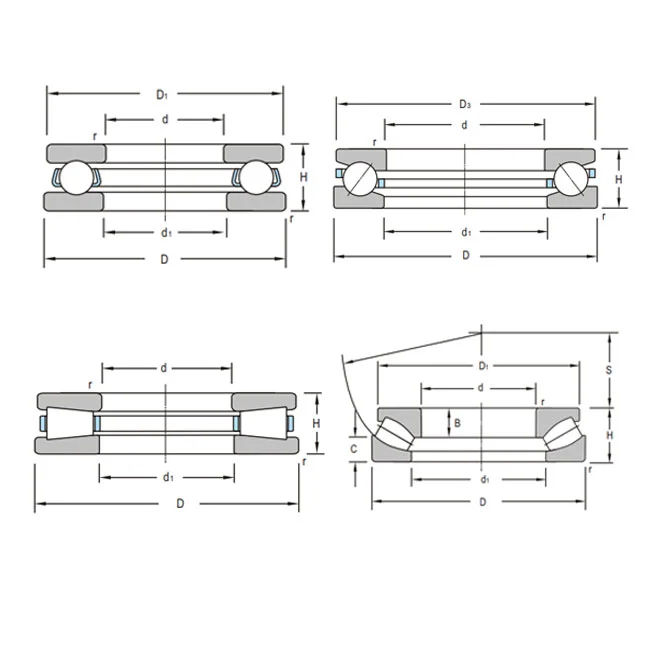
As the name suggests, thrust bearings are special mechanical parts that are made to handle axial loads while still allowing circular movement between machine parts. In contrast to radial bearings, which mostly deal with forces that are perpendicular to the shaft, these bearings deal with loads that are parallel to the spinning axis. This makes them necessary for situations where vertical or horizontal thrust forces are the most important.
Learn about thrust bearings and how they are designed.
Fundamental Design Architecture
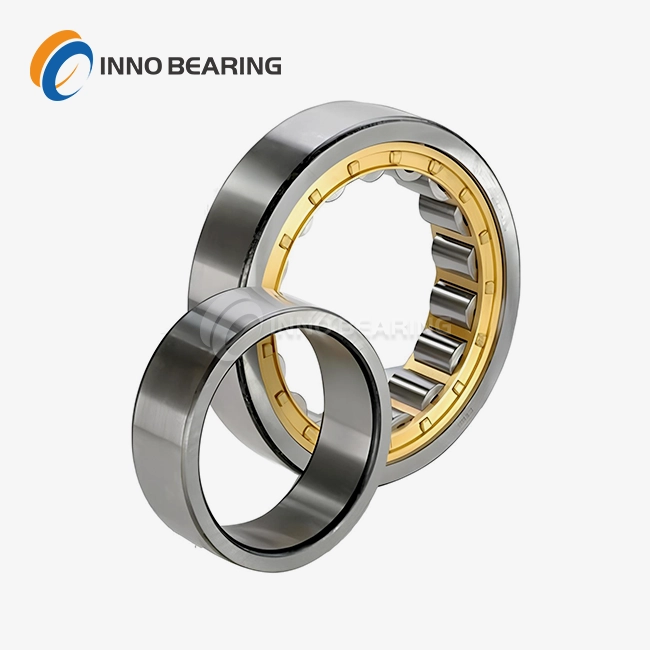
Several important parts make up the structure of thrust bearings, and they all work together to evenly spread rotational loads. A shaft washer, a housing washer, moving elements (steel balls or rollers), and a cage system make up the basic design. This flexible design makes it possible to change things depending on the load and the conditions of use.
These days, thrust bearings can have either ball or roller parts, and each has its own benefits. Ball thrust bearings work great in situations where they need to work smoothly under mild loads. Their inner diameters usually range from 10mm to 600mm and their outer diameters can go up to 800mm. The height ranges from 8 mm to 100 mm, so they can be used in a variety of mechanical systems with different amounts of room.
Basic Design and Architecture
Material Selection and Performance Characteristics
The makeup of the material has a big effect on how well and how long the bearing lasts. For shaft and hub washers, high-quality thrust bearings usually use GCr15 or GCR15SiMn steel, which is very resistant to wear and maintains its shape well. Similar materials are used for rolling elements, while cage assemblies may be made of stamped steel or brass, based on their working needs.
You can choose from normal P0 and P6 grades all the way up to high-precision P5 setups. These grades decide how accurate the dimensions are, how smooth the process is, and how well the surface is finished. They have a direct effect on how well important machinery works.
Choice of Material and Performance Characteristics
Critical Factors in Selecting the Right Thrust Bearing for Your Project
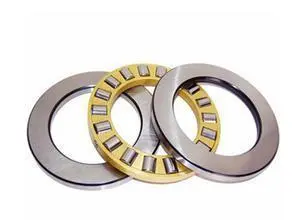
To choose the right thrust bearings, you need to carefully look at a number of technical factors that affect their performance, dependability, and service life. To find the best bearing configurations, engineers have to look at things like working speeds, load factors, the environment, and available room.
Important Things to Think About When Choosing the Best Thrust Bearing for Your Project
Load Capacity and Dynamic Performance
For thrust bearing uses, the main selection factor is the axial load-bearing ability. To make sure there are enough safety margins, engineers have to look at both steady and dynamic load situations. Static load ratings show the heaviest loads that can be applied when the object is not moving, while dynamic load ratings show how well the object works when it is moving.
There are well-known engineering rules that explain the connection between load size, spinning speed, and bearing life. Higher loads or speeds usually shorten the life of bearings dramatically, so accurate calculations are needed for safe operation. Engineers can choose the best bearings for certain task cycles and performance standards if they understand these relationships.
Load Capacity and Performance in Real Time
Environmental and Operational Considerations
The operating setting has a big effect on the choice of bearings and how well they work. Extreme temperatures, exposure to wetness, levels of contamination, and chemical interaction all affect the choice of materials and the need for sealing. For use in difficult settings, sealed bearing designs may be needed to protect against contaminants better.
Different types of bearings and working settings need different amounts of lubrication. For easier upkeep, grease lubrication is good for some uses, but processes that need to go fast or at high temperatures may need oil lubrication systems. How the bearings are oiled has a direct effect on their life, the temperature at which they work, and how often they need to be serviced.
Thoughts on the Environment and Operations
Speed and Precision Requirements
Limits on rotational speed rely on the type of bearing, how it is oiled, and how it is cooled. Ball thrust bearings can usually handle faster speeds than roller bearings, but they may not be able to hold as much weight. High-precision bearing types with tighter tolerances may be needed for applications that need exact positioning or little vibration.
Needs for Speed and Accuracy
Design Optimization and Maintenance Best Practices for Prolonged Thrust Bearing Life
Paying attention to design optimization principles and proactive upkeep methods is important for getting the most out of thrust bearing performance and service life. Common failure modes are often caused by bad fitting methods, bad lubrication, or problems with misalignment that can be avoided by paying close attention to engineering details.
Installation and Assembly Considerations
How the bearings are installed has a big effect on how well they work and how long they last. When the shaft and case are prepared, they need to have the right surface finishes, dimensions, and alignment limits. Misalignment during installation can cause stress buildup that cause parts to fail early and make the system less effective.
Temperature control during placement keeps bearing parts from getting damaged by heat. Heating methods should be carefully managed so that temperatures don't go above what is suggested, which could damage the qualities of the material. To keep thermal stress to a minimum, cold construction methods may be right for some jobs.
Thoughts on Installation and Assembly
Lubrication Strategies and Maintenance Protocols
Good control of lubrication increases the life of bearings while keeping their performance at its best. When planning when to lubricate, it's important to think about the environment, the load, and the working circumstances. Too much grease can raise working temperatures and use more power, while not enough lubrication speeds up failure and wear.
Monitoring the state on a regular basis through vibration analysis, temperature readings, and eye inspections lets problems be found early. These preventative methods help maintenance teams fix issues before they become major, which lowers the cost of repairs and downtime.
Rotational flexibility testing makes sure that bearings keep running smoothly for as long as they are used. Too much friction or uneven motion could mean that there are problems with the lubricants, contamination, or component wear that need to be fixed right away.
Strategies for lubrication and maintenance
Case Studies and Practical Applications: Engineering Solutions Using Thrust Bearings
Real-world examples show how important it is to choose and use the right thrust bearings in a wide range of industries. These cases show how careful engineering can solve particular problems in a way that is both reliable and cost-effective.
Case studies and real-world uses: engineering Solutions that use thrust bearings
Heavy Machinery Applications
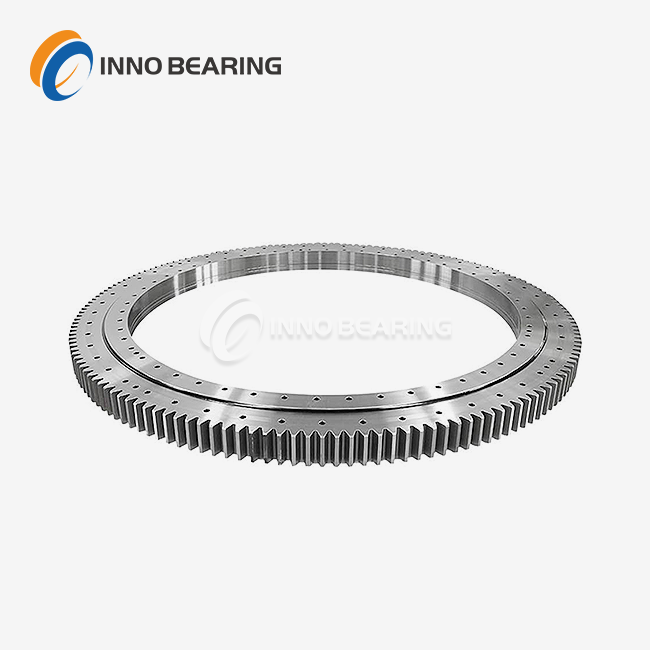
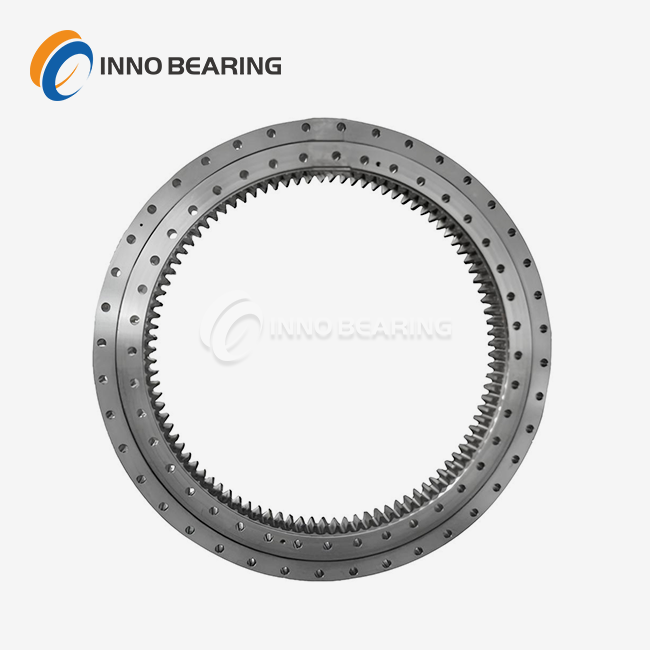
Large thrust bearings are often used in construction and mining tools to handle heavy axial loads in rotating systems. Strong bearing designs are needed for things like excavator swing motors, crane tracks, and conveyor systems so they can handle shock loads and keep working in tough conditions.
Wind turbines are especially tough places for thrust bearings to work because they have to deal with changing loads, bad weather, and limited entry for upkeep. In these situations, special bearing options with better sealing, higher resistance to corrosion, and longer service times to lower upkeep costs are often needed.
Uses for Heavy Machinery
Precision Machinery Solutions
For machine tool uses, you need high-precision thrust bearings that can keep the dimensions accurate while adjusting for cutting forces and changes in temperature. Precision-grade bearings are needed for spindle systems, rotating tables, and indexing devices to work as accurately as possible.
To handle axial loads caused by magnetic forces or mechanical coupling setups, thrust bearings are used in a wide range of motor uses. The right choice of bearings makes sure that the machine runs smoothly and with little noise and shaking in sensitive situations.
Solutions for Precision Machinery
Procurement Guide: How to Source Quality Thrust Bearings with Confidence
Ordering thrust bearings successfully means knowing what the provider can do, what the quality standards are, and when the bearings need to be delivered. Engineers and procurement workers have to look at a lot of different factors to make sure they choose the best vendors and get the best results from their products.
How to Buy Thrust Bearings with Confidence: A Procurement Guide
Supplier Evaluation and Quality Assurance
Manufacturers that have been around for a while usually have full product lines with documented performance characteristics and expert help. Quality certifications, testing methods, and systems for keeping track of products give customers faith in their dependability and regularity.
In unique situations where non-standard sizes or performance requirements are needed, the ability to customize becomes important. Suppliers who are good at designing and have a lot of manufacturing options can make solutions that fit the needs of a particular application while still meeting quality standards.
Evaluation of Suppliers and Quality Control
Cost Optimization and Value Engineering
The original purchase price is only one part of the total cost of ownership. Other costs include installation, upkeep, and replacement. Higher-quality bearings may be worth the extra cost because they last longer, need less upkeep, and are more reliable.
Project schedules and business continuity are affected by how well you can handle your supplies and how reliable your deliveries are. When suppliers have enough stock and fast transportation systems, project delays and last-minute purchases are less likely to happen.
Technical help and application engineering services are valuable because they make sure that the right bearings are chosen and installed. With these services, you can avoid making mistakes that cost a lot of money and get the best bearing performance for your needs.
Optimization of costs and value engineering
Conclusion
To get the best performance and stability from a thrust bearing, you need to carefully think about the load requirements, working conditions, and factors that are unique to the application. Engineers can make choices that increase bearing life while minimizing total cost of ownership by knowing design principles, material properties, and upkeep needs. By choosing the right supplier and following quality control steps, you can be sure that the product will always work well and get expert help throughout its lifecycle.
FAQ
What load capacity should I consider when selecting thrust bearings for heavy machinery?
The choice of load capacity is based on both the steady and dynamic factors of your application. Figure out the highest axial loads, making sure to include safety factors for shock loads or changes in how the system works. Keep in mind that as rotational speed goes up, dynamic load values go down. This means that job cycles and projected bearing life needs to be carefully studied.
How do I determine appropriate maintenance intervals for thrust bearings?
How often something needs to be maintained depends on how it is used, what kind of grease it has, and the surroundings. Regularly check the temperature, amount of vibration, and lubricant of the bearings. Set up baseline measures during the first few hours of operation and keep track of changes over time to create predictive maintenance plans that are perfect for your application.
Can thrust bearings be customized for unique applications?
Many makers let you change the sizes, materials, and sealing arrangements to fit the needs of your unique application. For extreme conditions, custom options may include changed geometries, special materials, or better sealing systems. Engineering support helps make sure that unique ideas work well and don't cost too much.
Partner with INNO Bearing for Superior Thrust Bearing Solutions
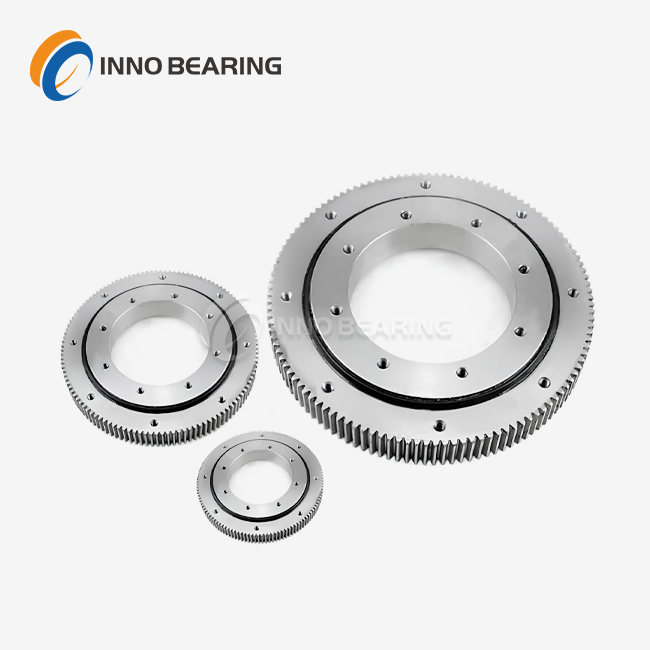
INNO Bearing offers precisely designed axial load solutions that are backed by almost 30 years of manufacturing experience and new ideas. With standard sizes from φ50mm to φ5000mm and custom designs up to φ8000mm, our full line of thrust bearings can be used in a wide range of commercial settings. Advanced manufacturing, strict quality control, and fast shipping all work together to make sure that your projects stay on plan and perform at their best. Please email our engineering team at sales@inno-bearing.com to talk about your unique thrust bearing needs and find out how our trusted thrust bearing manufacturer can improve your business success by providing you with reliable, cost-effective bearing solutions.
References
Harris, T.A. and Kotzalas, M.N. "Essential Concepts of Bearing Technology: Rolling Bearing Analysis" (2019). CRC Press Engineering Handbook Series.
Hamrock, B.J., Schmid, S.R., and Jacobson, B.O. "Fundamentals of Fluid Film Lubrication in Thrust Bearing Applications" (2020). McGraw-Hill Mechanical Engineering Series.
ISO 104:2015. "Rolling Bearings - Thrust Bearings - Boundary Dimensions, General Plan" International Organization for Standardization Technical Standards.
Tallian, T.E. "Failure Atlas for Hertz Contact Machine Elements: Thrust Bearing Case Studies" (2018). ASME Press Industrial Engineering Publications.
Eschmann, P., Hasbargen, L., and Weigand, K. "Ball and Roller Bearings: Theory, Design and Application in Axial Load Systems" (2021). John Wiley & Sons Technical Reference.
ANSI/ABMA Standard 11-1990 (R2018). "Load Ratings and Fatigue Life for Ball and Roller Thrust Bearings" American Bearing Manufacturers Association Standards.

Learn about our latest products and discounts through SMS or email